


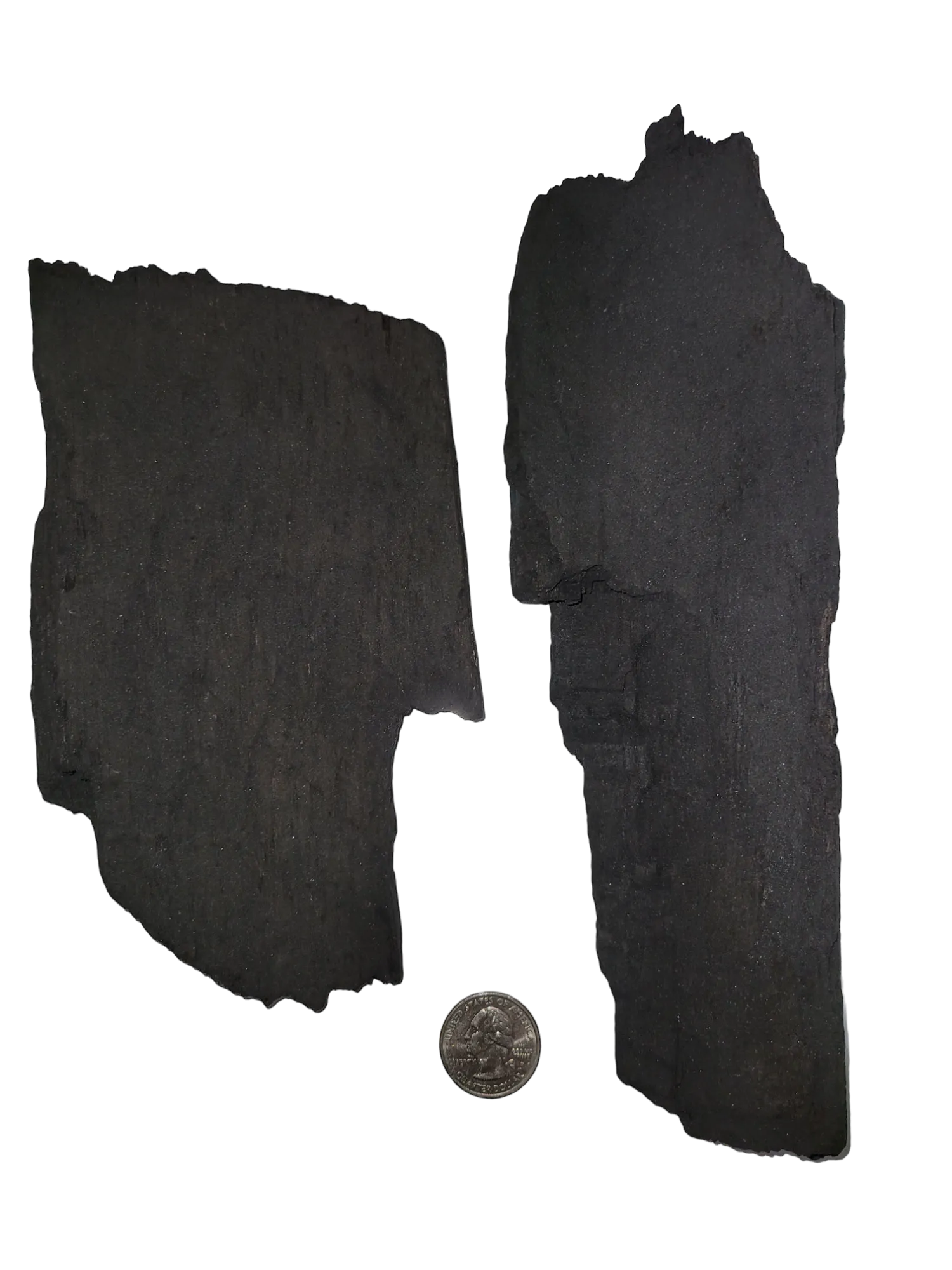
Isopod Charcoal for Sale
Iso-Coal is the TC INSECTS isopod culturing charcoal, sold as a supplemental substrate component for isopod culture tubs and humid bioactive enclosures. The product is built to be mixed into substrate, layered beneath
substrate, or scattered through the lower substrate to support drainage, provide surface area for microbial activity, and help reduce stale smells in established culture tubs. It is not a standalone substrate, and it works best
alongside a proper substrate base.
Overview
Charcoal has a long history of use in bioactive and humid invertebrate setups for drainage support, surface area, and general substrate refinement. Iso-Coal applies that same use case specifically to isopod culture, where
humid substrate can otherwise compact, hold stagnant moisture, or develop a stale smell over time. As a result, the product fits keepers who already understand isopod culture and want to fine-tune their substrate mix
rather than start from scratch with a base kit.
Practically, this is a small but useful supplement. It does not transform a poorly set-up enclosure into a healthy one, but in a properly built substrate it can help maintain better long-term substrate condition.
What Iso-Coal Is Built For
- Drainage support. Mixed into or layered beneath substrate, charcoal helps prevent the lower substrate from becoming a stagnant moisture trap.
- Microbial surface area. The porous structure of charcoal provides surface area for beneficial microbial activity in the substrate.
- Odor reduction. Charcoal has a long-standing reputation for helping reduce stale or musty smells in humid enclosures, particularly in established tubs.
- Substrate refinement. Useful for keepers building a custom substrate mix or refining the TC INSECTS standard or Ultra Habitat Kit base for specific species.
- Refresh support. Works well during a substrate refresh on an established tub that has started to smell stale or compact.
Honest Note on What Charcoal Does and Does Not Do
Charcoal is a useful supplement, but it is not a fix-all. Two expectations worth setting up front. First, Iso-Coal supports drainage, surface area, and odor reduction in a properly built substrate, but it does not replace good
ventilation, appropriate moisture management, or regular substrate care. A poorly ventilated, oversaturated tub will still have problems even with charcoal in the mix. Second, charcoal is sometimes credited with broader
benefits like neutralizing toxins or controlling mold outright. The realistic framing is more modest: it helps maintain better long-term substrate condition when used as part of a properly set-up enclosure, but it is not a
guaranteed solution for any specific problem on its own. Buyers expecting charcoal to single-handedly fix a struggling tub should look at ventilation, moisture, and feeding practices first.
How to Use Iso-Coal
There are several practical ways to use charcoal in an isopod culture, and the right approach depends on the substrate style and species.
Mixed Throughout Substrate
The most common use is mixing a portion of Iso-Coal directly into the substrate base. This distributes drainage and surface area benefits throughout the lower and middle substrate layers. A modest ratio of charcoal to substrate generally works well; heavy charcoal proportions are usually unnecessary.
Layered Beneath Substrate
Some keepers add a thin charcoal layer between the bottom of the enclosure and the main substrate. This setup focuses the drainage and microbial benefit at the lowest level, which can help humid tubs where standing
moisture sometimes pools at the bottom.
Scattered Through Lower Substrate
For an existing tub, charcoal can be worked into the lower substrate during a refresh or partial substrate top-up. This is a less invasive way to add Iso-Coal to an established culture without fully tearing down the enclosure.
Rinsing Before Use
Some keepers rinse charcoal before use to remove fine dust. This is optional, depending on the source and how dusty the product looks. A light rinse generally does no harm and can keep the substrate appearance cleaner.
Best For
- Keepers refining a custom substrate mix beyond what a base kit provides.
- Established culture tubs that have started to smell stale or compact.
- Bioactive enclosure builders adding a drainage layer.
- Humid Cubaris, Neotropical, and Cuban setups where substrate moisture is consistently held high.
- Keepers doing a substrate refresh on long-running culture tubs.
Not Best For
- Buyers expecting Iso-Coal to fix problems caused by poor ventilation or oversaturation on its own.
- Setups where charcoal would be the only substrate component used, since it is a supplement rather than a standalone substrate.
- Aquatic invertebrate setups, since this product is built for terrestrial isopod culture.
- Buyers looking for a full substrate base, who should look at the Isopod Habitat Kit or the Ultra Isopod Habitat Kit instead.
- Setups that already perform well and have no specific moisture or odor concerns to address.
Recommended Add-Ons
- TC INSECTS Isopod Habitat Kit as the substrate base that Iso-Coal is most often mixed into.
- TC INSECTS Ultra Isopod Habitat Kit as the upgraded substrate base for more advanced setups.
- TC INSECTS Assorted Hardwood Leaf Litter for the top layer that pairs with any substrate mix.
- TC INSECTS Isopod Food for steady protein and supplement coverage across any culture.
- Springtails to handle mold and small organic debris alongside the isopod colony.
Frequently Asked Questions
What does Iso-Coal actually do in an isopod tub?
Iso-Coal supports drainage, provides surface area for microbial activity, and helps reduce stale smells in humid culture tubs. It is most useful as part of a properly built substrate, where it helps maintain better long-term
substrate condition. It is not a fix-all and does not replace good ventilation or appropriate moisture management.
How much should I mix into my substrate?
A modest portion mixed into the substrate base generally works well. Heavy charcoal proportions are usually unnecessary, since the goal is to support the substrate rather than dominate it. The exact ratio comes down to
keeper preference and substrate style. Starting with a small portion and adjusting based on how the culture performs over time is a reasonable approach.
Do I need to rinse it before use?
Rinsing is optional and depends on how dusty the product looks. A light rinse to remove fine dust can keep the substrate appearance cleaner, but it is generally not required. Many keepers use it straight from the bag
without issue.
Will charcoal control mold or neutralize toxins?
The realistic framing is more modest than that. Charcoal can help maintain better long-term substrate condition as part of a properly set-up enclosure, but it is not a guaranteed solution for mold control or toxin
neutralization on its own. Mold is generally addressed by ventilation, moisture management, and springtails rather than by charcoal alone.
Can I use Iso-Coal with all isopod species?
Yes, generally. The product is built for terrestrial isopod culture broadly. It works with humid Cuban, Neotropical, and Cubaris species as well as dry-leaning Proporcellio setups, since drainage and surface area benefits
apply across substrate styles. The exact mixing approach can vary based on the species, but the product itself is broadly compatible.
Is this the same as activated charcoal from a hardware or aquarium store?
Iso-Coal is sold specifically for isopod culture use. Other charcoal products from hardware, garden, or aquarium suppliers can vary in source, particle size, treatment, and additives. Using a product specifically intended for
invertebrate culture removes the guesswork around whether a given charcoal source is safe for isopods.
Learn More About Charcoal in Bioactive and Substrate Practice
These references give helpful background for keepers researching substrate components and bioactive practice beyond a single product page.
-
British Myriapod and Isopod Group: Isopod biology and identification resources. A non-commercial reference for general isopod biology and habitat preferences, which helps keepers understand why substrate composition and moisture matter.
-
World Register of Marine Species: Isopoda taxonomy resources. Useful for checking current accepted scientific names and genus placement when planning a culture tub setup.
-
iNaturalist: Isopod observations and species pages. Lets keepers view field photos and habitat observations across many isopod genera, useful for understanding natural substrate and moisture conditions different species prefer.


Reviews
There are no reviews yet.