

Ankylosaur Isopods for Sale
Overview
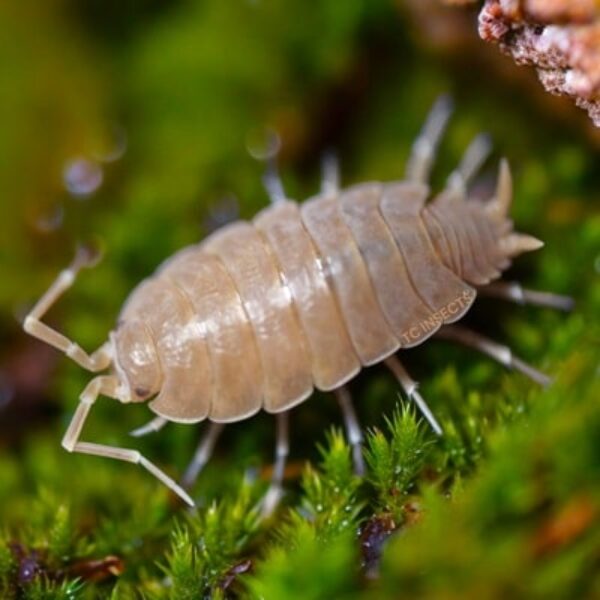
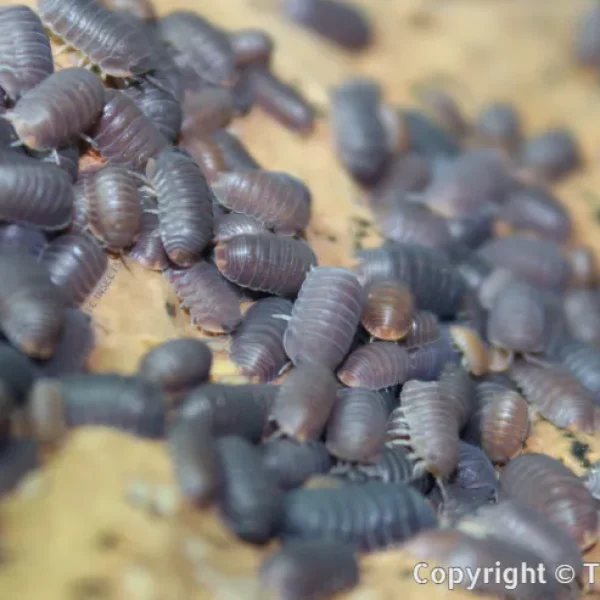
Ankylosaur Isopods are a hobby-trade line of Reductoniscus tuberculatus, named for the heavily tuberculated, plated body that calls to mind the armored ankylosaur dinosaur. They are small, slow-moving, and deliberate, with a sculpted appearance that sets them apart from the smoother, faster Porcellionides and Porcellio species more familiar in the hobby.
Additionally, this is a collector-tier species rather than a bioactive workhorse. Colonies grow slowly, adults stay compact, and the value of the culture sits in appearance and rarity rather than rapid cleanup work or feeder use. Buyers should plan for a long-term, patient setup.
Why Keep Ankylosaur Isopods?
- Distinctive sculpted body: The raised tubercles give adults a plated, armored profile that stands apart from most common hobby isopods.
- Collector value: Reductoniscus lines are less common in the trade, which makes Ankylosaur a strong fit for keepers building a varied shelf alongside Powder Blue and Cubaris lines.
- Compact footprint: The small adult size lets keepers run a meaningful culture in a relatively small enclosure.
- Calm behavior: Movement is slow and deliberate, so observing the colony feels different from watching fast-moving Powder isopods.
- Humid bioactive fit: They can be kept in humid bioactive setups when conditions stay stable, though cleanup output is modest.
Honest Note on Establishment Speed and Size
Ankylosaur Isopods are slow to establish and remain small. Starter cultures take time to ramp, often several months before the colony feels visibly productive. Adults stay compact, generally under 8 mm, so this is not a species that produces large, photogenic individuals. As a result, keepers expecting a fast Powder-style scale-up or a bold display animal will likely be disappointed.
For faster scaling and a more forgiving learning curve, Powder Orange Isopods or Dwarf White Isopods are better starting points. Ankylosaur fits best when added after a keeper already has comfortable experience running humid Cubaris-style cultures.
Care and Setup
Care leans toward the humid, stable end of the isopod spectrum. The colony does best when moisture and temperature stay consistent over weeks, since stress and swings tend to slow an already slow species further.
Temperature
Aim for 72 to 80°F. Stable room temperature works for most households. Avoid sustained heat above the low 80s, since small species like this tend to lose juveniles quickly under heat stress.
Humidity
Keep humidity consistently high. The substrate should hold moisture without going waterlogged. Maintain a reliably moist zone on one side of the enclosure and allow only mild drying near the ventilation, since fully dry conditions stall reproduction in this species.
Substrate
Use a humid mix of coco fiber, sphagnum moss, decomposed hardwood, and crushed leaf litter. TC INSECTS Assorted Hardwood Leaf Litter works well as both cover and a slow-release food source. Add small cork bark pieces and bark slabs on the surface, since adults often shelter underneath rather than burrowing deep.
Food
Rotate TC INSECTS Isopod Food with occasional fresh vegetables in small portions. Supplement with TC Calcium Ultra Fine to help support molting in this tuberculated, calcium-demanding species. Remove any uneaten fresh food before mold sets in.
Ventilation
Ventilation should be modest but present. Reductoniscus tolerates higher humidity than Porcellionides, but stale, fully sealed enclosures still invite mite blooms and stagnant air. A small vented section, or a few punched holes covered with fine mesh, generally strikes the right balance.
Bioactive Use
Ankylosaur Isopods can be kept in humid bioactive enclosures when conditions stay stable. They help process leaf litter and small organic debris on a modest scale, but they should not be treated as a primary cleanup crew. Pair with Springtails for stronger microfauna coverage.
Breeding Notes
Breeding pace is slow. Starter cultures often take several months to ramp visibly, and even established colonies grow gradually rather than in obvious bursts. To support reproduction, keep moisture steady, offer protein and calcium consistently, and avoid disturbing the culture during early establishment. Juveniles are tiny and usually stay under bark and leaf litter before appearing on the surface.
Best For
- Advanced isopod collectors building a varied display shelf.
- Dedicated single-species cultures focused on appearance.
- Humid bioactive enclosures with stable moisture and good leaf-litter cover.
- Keepers comfortable with slow, patient colony growth.
- Buyers who already run Cubaris or other humid-loving lines.
Not Best For
- First-time isopod buyers, since the slow pace and humidity sensitivity reward existing experience.
- Cleanup-crew duty in large reptile or amphibian enclosures.
- Feeder use, since adults stay too small and colony output is too slow.
- Dry desert setups with no reliable humid zone.
- Keepers expecting fast scaling or large, bold display animals.
Origin and Locality Notes
The Reductoniscus genus is generally associated with tropical and subtropical regions in the hobby trade, with multiple species circulated under various trade names. The “Ankylosaur” designation specifically references the tuberculated body shape rather than a confirmed collection locality. For that reason, this page focuses on practical captive care rather than claiming a precise wild origin. Treat care guidance as humid-tropical by default.
Receiving and Acclimation
Cultures ship in a deli cup with moist substrate, leaf litter, and a small piece of bark or cork for cover. On arrival, open the cup in a calm area and check moisture before transferring the contents directly into a prepared humid enclosure. Avoid separating animals from their shipping substrate, since that material carries microfauna and helps the colony settle in. Mist lightly if the substrate looks dry, then leave the culture undisturbed for at least a week.
Recommended Add-Ons
- TC INSECTS Isopod Food for a consistent protein and calcium rotation that supports molting in a tuberculated species.
- TC INSECTS Assorted Hardwood Leaf Litter for cover, microfauna support, and slow-release food.
- TC Calcium Ultra Fine to support molting and juvenile development in a small, calcium-demanding species.
- TC INSECTS Ultra Isopod Habitat Kit for a complete humid starter setup.
- Springtails as a microfauna partner that handles the cleanup work this species cannot.
Frequently Asked Questions
Are Ankylosaur Isopods beginner-friendly?
Generally, no. The slow breeding pace, small adult size, and humidity sensitivity reward keepers who already have experience with humid isopod cultures. First-time buyers usually do better with Powder Orange Isopods or Dwarf White Isopods before moving into Reductoniscus.
How fast will the culture grow?
Slowly. Expect several months before a starter culture feels visibly productive, and steady, gradual growth after that. This is not a species that scales quickly, so plan around a long-term timeline rather than fast turnover.
Is this a display species or a cleanup crew?
Primarily display and collector-tier. The sculpted, plated body is the main draw. Cleanup output is modest, so pair them with Springtails or a faster isopod line if the enclosure needs real cleanup support.
Why are they called Ankylosaur Isopods?
The name is a hobby trade name that references the heavily tuberculated, plated body shape, which resembles the armored ankylosaur dinosaur. It describes appearance rather than a separate taxonomic designation. The species name remains Reductoniscus tuberculatus.
Can reptiles eat these?
Not practically. Adults stay small and colony output is slow, so they are not a sensible feeder source. For feeder use, dedicated feeder species are far more efficient.
How does this compare to Cubaris species?
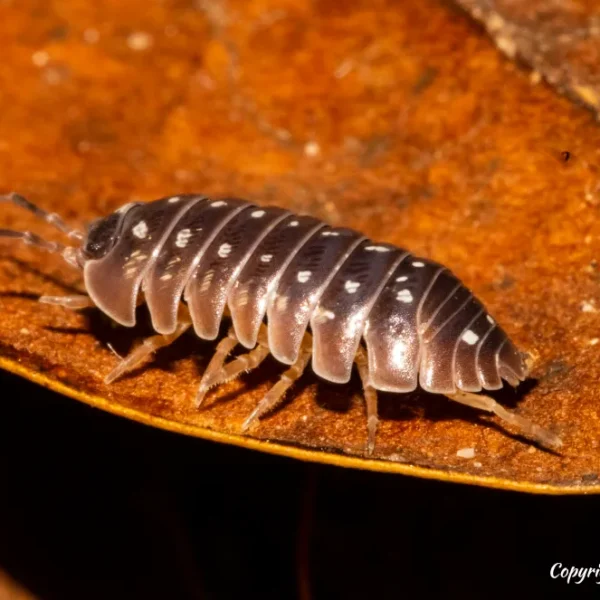
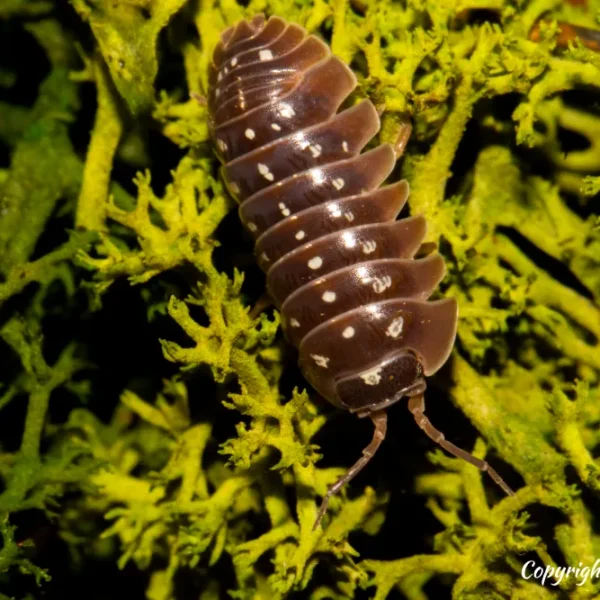
Both lean humid and slower than Porcellionides, and both attract collectors. The main difference is body shape and behavior. Ankylosaur stays smaller and more sculpted with a domed, tuberculated profile, while many Cubaris lines grow larger and present a smoother, more rounded look.


Reviews
There are no reviews yet.