
Porcellio nicklesi Rubivan for Sale
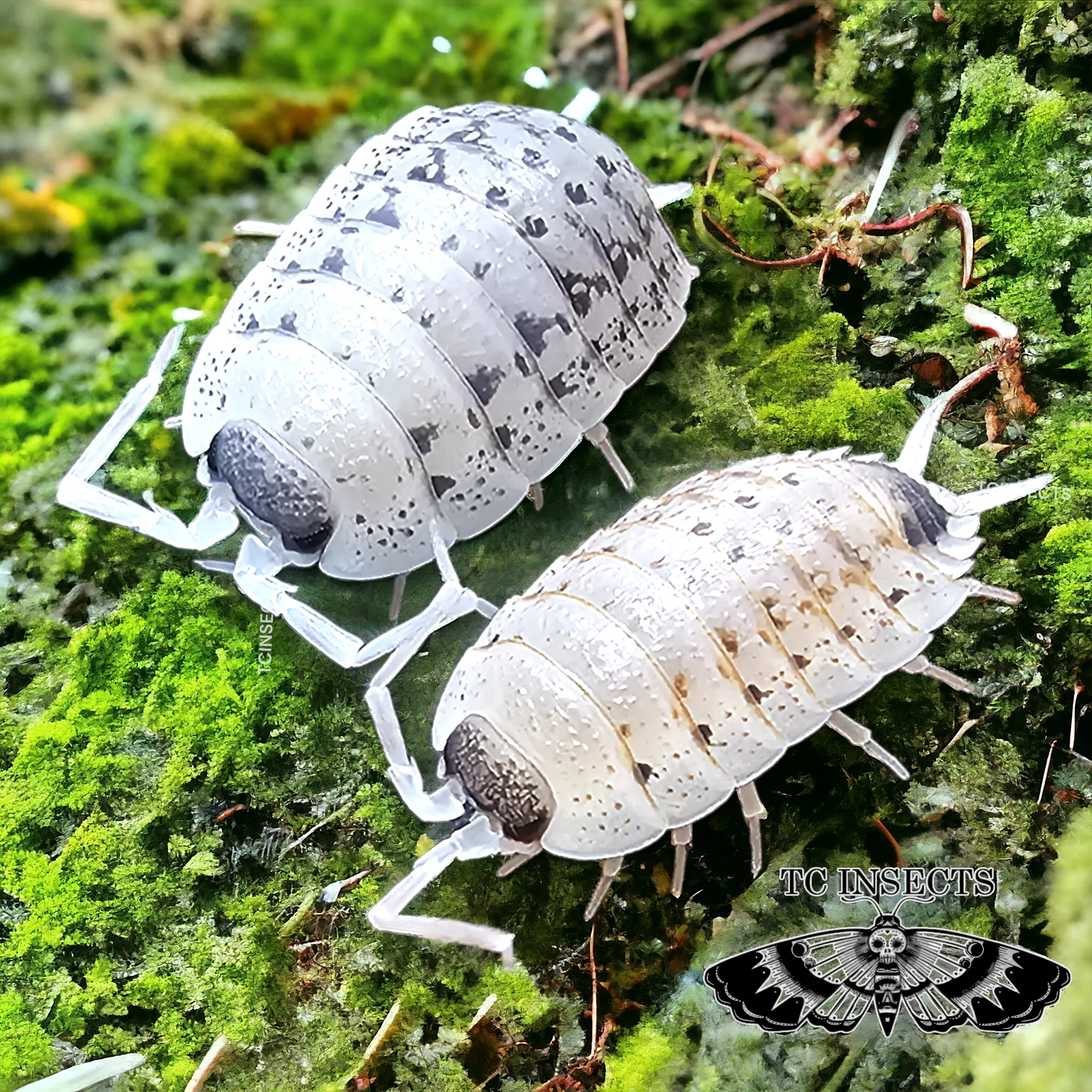
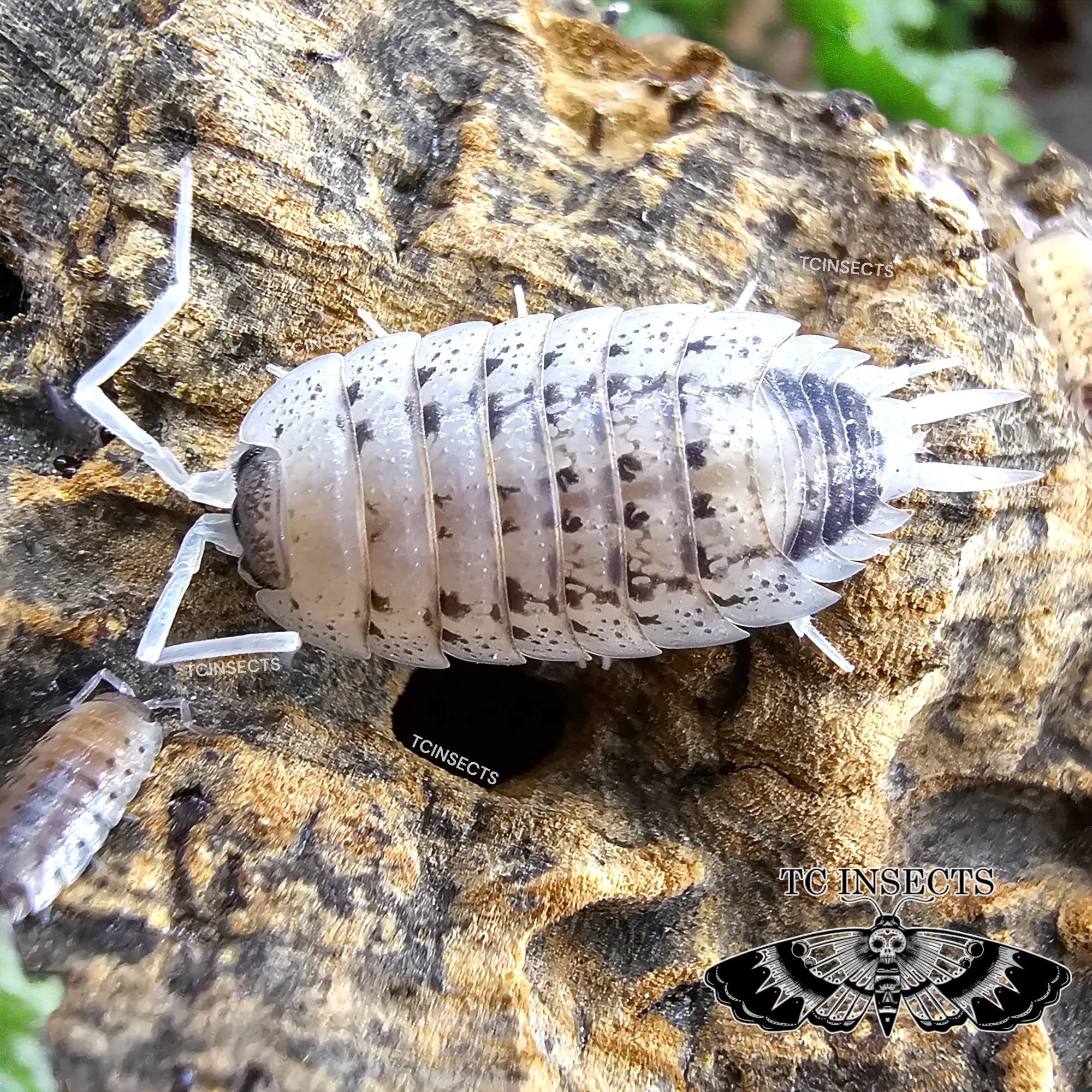
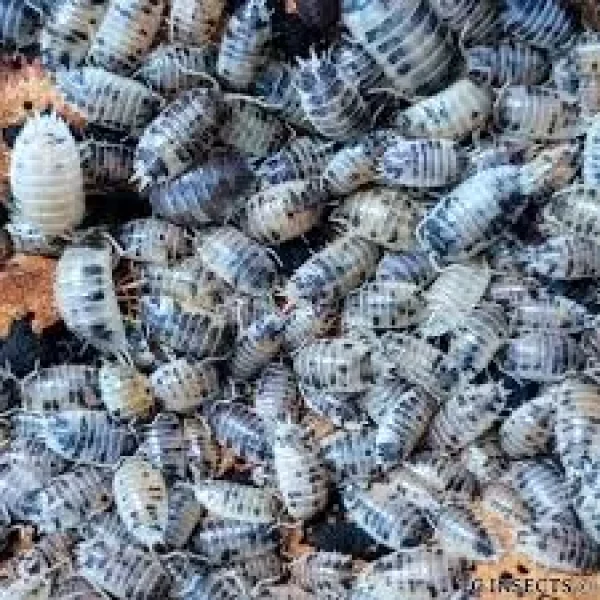
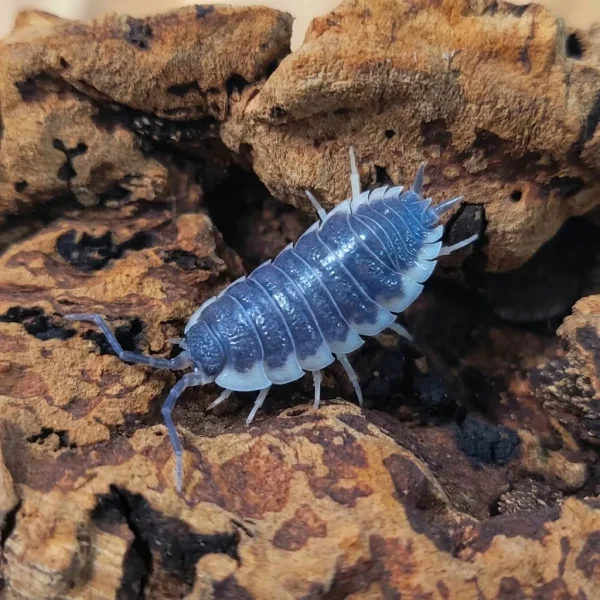
Porcellio nicklesi “Rubivan” is a compact, color-contrasted isopod with a white or gray body and red spotting. That look makes it stand out without relying on large body size or bold striping. Hobby listings describe it as a hardy, active species that does well in a ventilated setup with a dry main area and a moist corner.
Overview
This is a trade-name form of P. nicklesi, and the hobby sources do not all use the same exact origin wording. Some list Europe and West Africa broadly, while others treat it as a Spanish form. For product-page purposes, the safest and most useful approach is to focus on the practical care style and the colony’s visible red-speckled appearance.
Rubivan is a good fit for keepers who want a smaller Porcellio with personality. It is not a high-humidity tropical species, and it is not a species to keep in a sealed moist box. It performs better when airflow is strong and the enclosure gives it a clear dry-to-moist choice.
Why Keep Porcellio nicklesi Rubivan?
- Strong color contrast: The white or gray body with red spots gives the colony a clean, bright look. That makes it a visually appealing pick for display keepers.
- Smaller size: Adults reach about 1.5 to 2 cm, so the species stays compact and easy to house. That can be useful in modest-sized display bins and bioactive enclosures.
- Prolific once settled: Hobby sources describe the species as reproductive in established colonies. [web:80][web:81][web:86] Once the setup is stable, colony growth can become steady.
- Active but manageable: Rubivan is described as active and hardy. That gives it more day-to-day interest than hidden substrate species while still keeping the care approachable.
- Good for dry bioactive use: It can work in a ventilated setup with one moist corner and a drier main space. That makes it more flexible than species that need high constant moisture.
Honest Note on Moisture
Rubivan is not a species to keep evenly wet across the whole enclosure. Hobby sources consistently point to lower or moderate humidity, good airflow, and only one moist area. If the enclosure stays damp and stale, the colony will struggle.
It is better to think in terms of a moisture gradient, not a humidity-heavy enclosure. The moist corner gives the animals a place to hydrate and molt, while the dry area gives them the open, airy conditions they seem to prefer.
Care and Setup
Rubivan care is simple once the basic setup is right. Give it leaf litter, rotting wood, a moist corner, and steady ventilation. From there, the colony can settle into a stable routine.
Temperature
Keep the enclosure between 18 and 26°C. That range matches the hobby care data found for the form and gives a safe starting point for most keepers. Avoid pushing it into hot, stale conditions.
Humidity
Keep humidity low to moderate overall. One moist corner is useful, but the main enclosure should stay dry enough to breathe well. This species seems to dislike muggy air more than a simple moist patch.
Substrate
Use a loose organic substrate with leaf litter, moss in one area, and decaying wood. The setup should hold some moisture in the corner without staying wet everywhere else. Rotting white wood is often mentioned in hobby care notes and fits the species well.
Food
Offer leaf litter, decaying wood, greens, vegetables, and occasional protein. Hobby sources mention fish food, plant matter, and other soft foods as part of the diet. Provide protein about twice a week in small amounts and remove leftovers before they spoil.
Calcium
Keep a calcium source available at all times. Cuttlebone, limestone, or another safe source can support molting and growth. Since this species breeds well once established, calcium should never be skipped for long.
Ventilation
Ventilation is a major part of the setup. The species is repeatedly described as preferring well-aired conditions and not tolerating stale air. Good airflow keeps the moist corner useful without turning the enclosure muggy.
Bioactive Use
Porcellio nicklesi “Rubivan” can work well in a bioactive enclosure that stays ventilated and only partly moist. It is a good fit for setups where a cleanup crew is useful but the environment does not stay tropical all the time. Springtails can help support mold control in the moist area.
Breeding Notes
Hobby sources describe Rubivan as prolific once the colony is established. Mature colonies can produce medium to large litters, and growth can be steady under good conditions. One source notes a maturity point of around 9 months, which makes it more of a patient colony project than a fast starter. [web:80][web:81]
Some reports also describe it as a seasonal breeder. That makes stable care even more important, since breeding output may vary through the year instead of staying perfectly even.
Best For
- Keepers who want a smaller Porcellio with strong visual contrast
- Collectors building a mixed display of colorful trade-name isopods
- Bioactive keepers who can maintain airflow and a moisture gradient
- Intermediate keepers looking for a hardy but not fully tropical species
Not Best For
- Sealed enclosures with stale, wet air
- Keepers who want a fully confirmed, widely standardized locality form
- Very humid tropical setups
- Beginners who want the simplest possible isopod to start with
Origin and Locality Notes
The hobby trade shows some variation in how this form is described. One source lists broad European and West African regions, while another places the form in Spain and cave-linked habitat notes. Because of that inconsistency, the safest page wording is that Porcellio nicklesi “Rubivan” is a trade name, not a tightly documented wild locality label.
Receiving and Acclimation
When the colony arrives, move it into a prepared enclosure with a dry main area and a moist corner already set up. Give the animals leaves, wood, and cover right away. Keep conditions stable for the first week, and do not overwater while the colony settles.
Recommended Add-Ons
- TC INSECTS Assorted Hardwood Leaf Litter — Useful as food, cover, and substrate support.
- TC INSECTS Isopod Food — Helpful for balanced supplemental feeding, especially in established colonies.
- TC Calcium Ultra Fine — A steady calcium source for growth and molting.
- TC INSECTS Ultra Isopod Habitat Kit — A ventilated enclosure option that suits a dry-to-moist setup.
- Springtails — Useful for mold control in the moist corner of a bioactive habitat.
Frequently Asked Questions
Is Rubivan a beginner species?
It is manageable for beginners who already understand enclosure gradients, but it is safer to call it intermediate. The species wants airflow and a dry main area, so it is less forgiving than the easiest starter isopods.
How much moisture does it need?
Low to moderate humidity works best. Give the colony one moist corner and keep the rest of the enclosure drier and well aired.
Can it live in a bioactive setup?
Yes, as long as the setup is ventilated and not overly wet. It fits better in dry-to-moderate bioactive builds than in tropical tanks that stay damp all the time.
How big do they get?
Adults are generally about 1.5 to 2 cm long. That keeps the colony compact while still giving it enough size to be visible and active.
How fast does the colony grow?
Once established, the colony can be prolific. Some sources place maturity at around 9 months, so it is not instant, but it can become very productive with stable care.
What should I feed them?
Leaf litter, rotting wood, greens, vegetables, and regular protein are all useful. Small portions of fish food or similar protein twice a week can help support a healthy colony.
Learn More About Porcellio
Taxonomy
These references give useful background on the form’s name, origin notes, and general classification. They help place Rubivan in context as a trade-name Porcellio rather than a fixed locality species.
- World Register of Marine Species (WoRMS): Porcellio ornatus H. Milne Edwards, 1840. This confirmed species record is useful as a taxonomic example for buyers who want to see how formal isopod names are documented. It also helps distinguish confirmed species entries from hobby trade names.
Field Records
Field records help buyers compare wild isopods with hobby stock. That context is useful when a trade form like Rubivan has mixed origin notes in the hobby.
- iNaturalist: Porcellio ornatus Observations. Useful for seeing wild isopod body shape, habitat, and locality records from the field. Even though it is a different species, it gives a practical sense of how Porcellio look in nature.
Habitat Context
This final source gives broader habitat background for Mediterranean woodlice. It is useful when comparing care styles across trade-name Porcellio from Spain and nearby regions.
- British Myriapod and Isopod Group (BMIG): Woodlice Collected from Northwest Spain. A field survey that helps explain why many Mediterranean Porcellio prefer drainage, cover, and airflow. It is useful background for care decisions on dry-to-moderate forms.



Reviews
There are no reviews yet.