
Land Shrimp for Sale
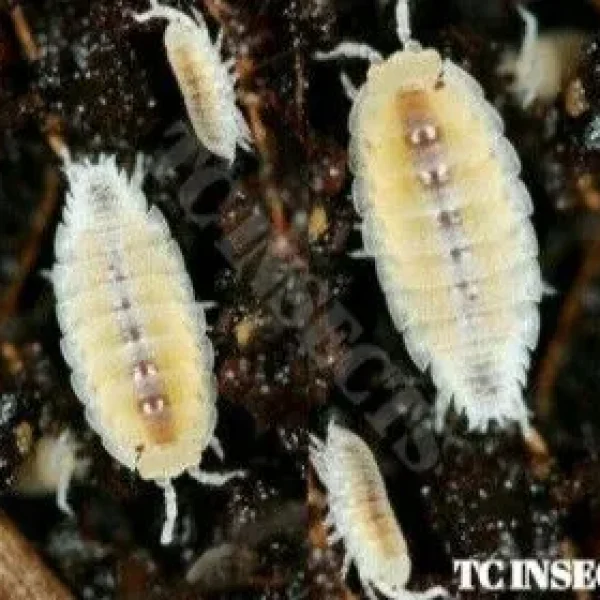
Land Shrimp, sold in the hobby under names like “Jumping Isopod,” “Lawn Shrimp,” and “Landhopper,” are small terrestrial amphipods in family Talitridae. They share that family with marine sandhoppers and beach fleas, and despite the trade name they are not isopods at all. This listing is a live culture from TC INSECTS, packed for dart frog and bioactive vivarium keepers who want a damp-substrate cleanup species that adds something different from their isopod and springtail cultures.
Overview
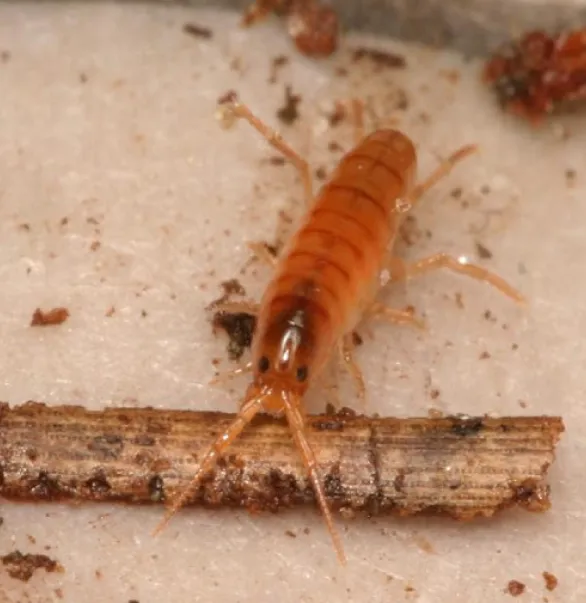
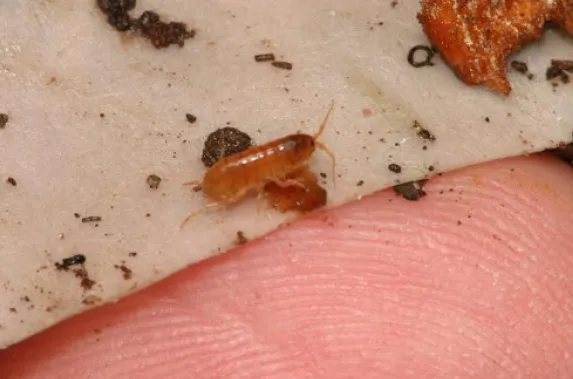
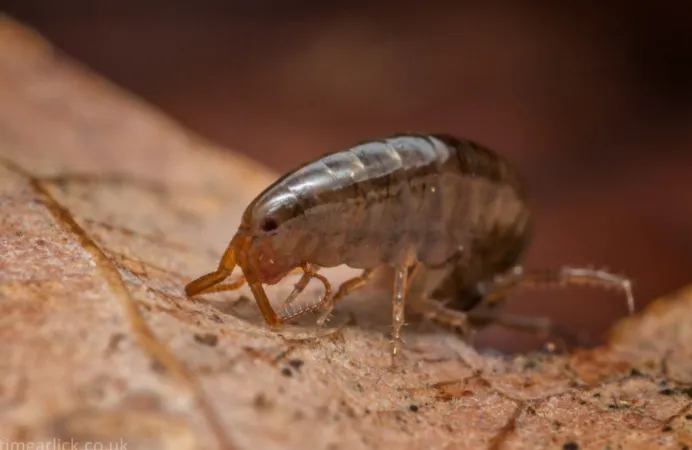
Land Shrimp occupy a unique niche in the bioactive hobby. They look shrimp-like because amphipods are laterally compressed (flattened side-to-side), the opposite of woodlice which are flattened top to bottom. They jump using their abdomen, burrow rapidly into damp substrate, and feed on leaf litter and decaying organic matter much like isopods do. Dart frog keepers in particular value them as a working cleanup species and as occasional high-protein items for active feeders.
The culture sold today in the hobby is most consistent with Arcitalitrus dorrieni (Hunt, 1925), an Australian native species now widely introduced through the global horticultural and plant trade. A handful of other Talitrid landhoppers occasionally appear in collections, but A. dorrieni is the most likely identity for animals sold as “Land Shrimp” in the US hobby.
Why Keep Land Shrimp?
- Dart frog vivarium fit: Pairs well with humid planted enclosures where dart frogs and small amphibians live.
- Burrowing behavior: Works the deeper substrate layers, which isopods generally do not reach.
- Supplemental protein: Active vivarium animals will occasionally hunt and eat them, providing a varied diet item.
- Unique to the hobby: One of the few amphipods available as a captive culture in the bioactive trade.
- Complementary to isopods and Springtails: Different body plan, different microhabitat, different behavior all working in the same enclosure.
Honest Note: These Are Not Isopods
Despite the “Jumping Isopod” trade name, Land Shrimp are amphipods in order Amphipoda, not isopods. They sit in family Talitridae alongside marine sandhoppers, while true isopods sit in order Isopoda. The British Myriapod and Isopod Group calls the species an “honorary woodlouse” because it occupies a similar leaf-litter niche, but the taxonomy is not the same. If you have been told these are isopods or sold them under that label, the trade name is misleading. The animals themselves are still useful for bioactive vivariums, just under a more accurate identification.
Honest Note on Moisture Demands
Land Shrimp need more moisture than most isopods. Amphipods breathe through gills housed under their thorax, and those gills must stay damp for the animal to respire. A dry enclosure kills the culture faster than the equivalent dry conditions would kill most isopods. Maintain consistently damp substrate, a humid moss retreat, and a secure lid that limits evaporation. If your room is dry or your enclosure has heavy ventilation, this species will struggle.
Honest Note on Containment and Escapes
Land Shrimp jump. Adults can launch themselves several inches into the air when disturbed, and they burrow rapidly into substrate, leaf litter, and any gap they can fit into. A secure-lid enclosure is essential. Avoid loose-fitting tops, open-topped bins, or vivariums with significant ventilation gaps because escapes can happen quickly during routine maintenance. Many bioactive setups already meet these requirements, but a basic plastic culture tub will need careful lid management.
Care and Setup
Land Shrimp care is built around four things: consistently damp substrate, secure containment, leaf litter for food and cover, and stable cool-to-room temperatures. Get those right and the culture establishes well.
Temperature
Aim for 65 to 78°F as the everyday range. This species handles cooler temperatures better than most tropical isopods because it is native to subtropical Australia. Avoid heat spikes above 80°F because heat dries out the substrate faster and dehydrates the culture.
Humidity
High humidity with consistently damp substrate at all times. Unlike isopod care, there is no real “dry side” for landhoppers. Provide a deeper damp substrate layer with a thick leaf litter top, then mist as needed to keep moisture levels stable. The culture should never feel dry to the touch on the upper substrate.
Substrate
Use a moisture-retentive substrate at least 2 to 3 inches deep so the animals can burrow. A coco fiber base mixed with decomposed hardwood, sphagnum, and a small amount of clay works well. The substrate matters more for landhoppers than for most isopods because the burrowing behavior is where they spend most of their time.
Food
Leaf litter and decaying hardwood are the staple diet. Supplement lightly with TC INSECTS Isopod Food, vegetables, and small protein items. Land Shrimp eat most of the same foods isopods eat and can be fed on the same basic rhythm.
Ventilation
Moderate ventilation. Too much airflow dries out the culture quickly, and dry air is the most common reason landhopper cultures crash. A vented lid with smaller ventilation area than typical isopod setups is usually the right balance.
Bioactive Use
This is the main use case for Land Shrimp. They work especially well in dart frog vivariums, planted tropical setups, and humid amphibian enclosures. Add them after the vivarium has stable humidity and a deep substrate with leaf litter cover. New sterile setups are harder for landhoppers to establish in.
Breeding Notes
Mature females carry developing young in a brood pouch, similar to isopods, and release small juveniles that hide in damp substrate and leaf litter. Reproduction is moderate to good when the culture has consistently damp conditions, deep substrate, and minimal disturbance. Avoid digging through the culture because juveniles are tiny and easy to crush. Larger starter counts establish more reliably because they include more breeding-age adults from the start.
Best For
- Dart frog vivariums with deep damp substrate
- Humid bioactive enclosures for tropical amphibians or geckos
- Planted vivariums with secure lids
- Mixed cleanup crews paired with isopods and Springtails
- Keepers who want an unusual amphipod culture alongside their other invertebrate work
Not Best For
- Dry or desert-style enclosures (landhoppers cannot tolerate sustained dryness)
- Open-topped culture containers or vivariums with poor lid security
- Use as a primary feeder culture for high-volume feeding (better as a supplemental item)
- Setups where the keeper expects isopod-like surface behavior (landhoppers stay buried more)
- Beginner keepers who have not yet kept any amphipod or isopod culture
Origin and Locality Notes
Arcitalitrus dorrieni is native to New South Wales and southern Queensland in Australia, where it lives in subtropical forest leaf litter. The species was first described from a UK collection in 1925 by Hunt, but it had likely been introduced to Europe earlier through the plant and soil trade. It is now widely established globally, often appearing in greenhouses, botanical gardens, and damp gardens far from its native range. Captive hobby cultures rarely trace to a specific Australian locality, so manage this as an introduced subtropical species with documented care needs.
Receiving and Acclimation
Bring the package indoors as soon as it arrives and open it in a calm area away from direct sun, heat, or cold drafts. Land Shrimp can be more sensitive to shipping stress than isopods because they dehydrate faster, so prepare the enclosure before opening the cup. The setup should already have damp substrate at least 2 inches deep, leaf litter cover, a moist moss retreat, and a secure lid.
Transfer the cup contents directly into the prepared enclosure near the moss side. Watch for jumpers during the transfer, and keep the lid handy. Expect heavy hiding for the first few days because landhoppers burrow when stressed. Mist lightly to keep the substrate damp, but do not flood the enclosure.
Recommended Add-Ons
- TC INSECTS Ultra Isopod Habitat Kit for a deep-substrate setup that supports burrowing behavior
- TC INSECTS Assorted Hardwood Leaf Litter for food, cover, and the damp leaf-layer habitat landhoppers prefer
- TC INSECTS Isopod Food for light supplemental feeding beyond leaf litter
- Springtails to complement the Land Shrimp culture in humid bioactive setups
- Dwarf White Isopods as a hardy cleanup partner with similar moisture preferences
Frequently Asked Questions
Are Land Shrimp actually isopods?
No. They are amphipods in order Amphipoda, family Talitridae. True isopods belong to a completely separate order. The “jumping isopod” trade name is a hobby misnomer that has stuck because the animals occupy a similar leaf-litter niche to woodlice. The British Myriapod and Isopod Group treats Arcitalitrus dorrieni as an “honorary woodlouse” for recording purposes, but the taxonomy is different.
Are Land Shrimp safe for dart frogs and other vivarium animals?
Yes. They are widely used in dart frog vivariums and similar humid setups, and active feeders will occasionally hunt them as a supplemental protein item. They do not bite, sting, or carry parasites that affect tropical amphibians or reptiles in normal bioactive use.
How do Land Shrimp differ from isopods in care?
Mainly in moisture. Landhoppers need consistently damp substrate at all times because they breathe through gills that must stay moist. Most isopods tolerate a moisture gradient with a drier side. Land Shrimp also need a secure lid because they jump, which most isopods do not.
Will Land Shrimp escape my vivarium?
They can if the lid is loose or has ventilation gaps. Most properly built bioactive vivariums hold them fine, but loose plastic tub lids and open-topped enclosures are not secure. Check lid fit before introducing the culture.
Can Land Shrimp replace my isopod cleanup crew?
Not really. They occupy a different microhabitat (deeper damp substrate) than most isopods (surface and leaf litter). The two work best together rather than as substitutes for each other. Run Land Shrimp alongside Dwarf Whites or another moisture-loving isopod for fuller bioactive coverage.
How fast will the culture grow?
Moderate to good in stable damp conditions. Most cultures show visible juveniles within several weeks of establishment, though the burrowing behavior means you may not see the population growth until it is substantial.
Learn More About Landhoppers and Terrestrial Amphipods
The following references offer useful background for keepers who want to understand what landhoppers actually are and why they sit in a different order from woodlice.
-
British Myriapod and Isopod Group: Arcitalitrus dorrieni species account. The authoritative species page from the UK’s long-running myriapod and isopod recording body, with identification notes, distribution information, and ecology background for the most likely species sold as “Land Shrimp” in the hobby.
-
World Register of Marine Species: Isopoda order record. A clear taxonomic reference for the Isopoda order, useful for understanding why amphipods like Land Shrimp sit in a completely different group despite being commonly confused with woodlice.
-
Natural History Museum: Giant isopods, curious crustaceans on the ocean floor. A short, plain-language overview from the NHM that puts terrestrial crustaceans in context with their marine relatives, helpful background for keepers new to invertebrate taxonomy.