

Silent Hill Isopods for Sale
Overview
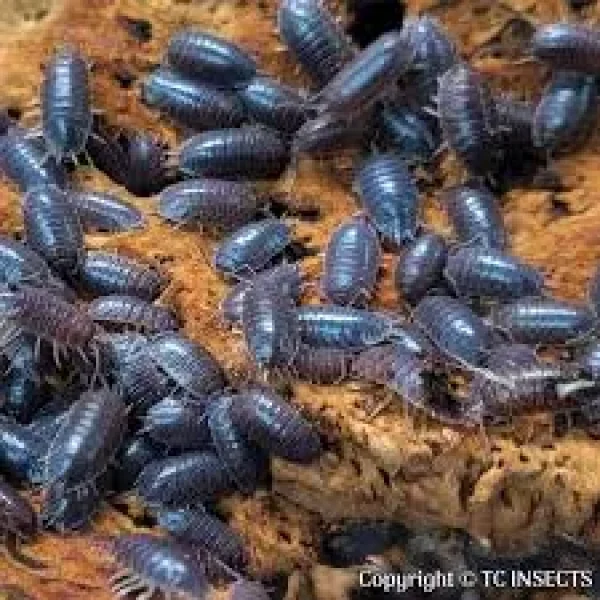
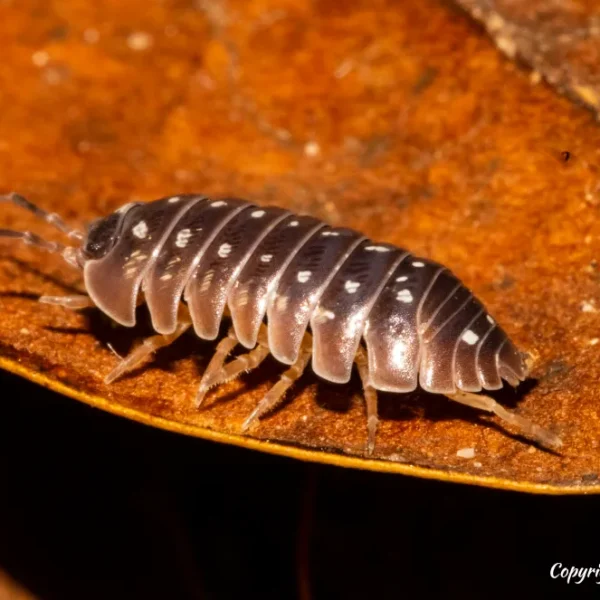
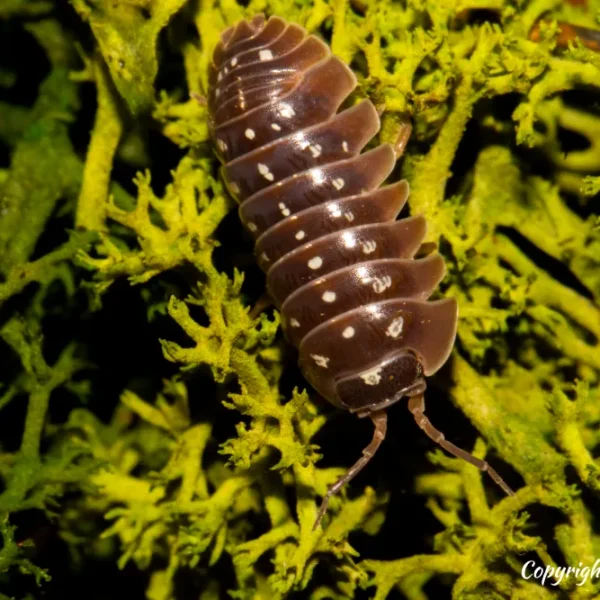
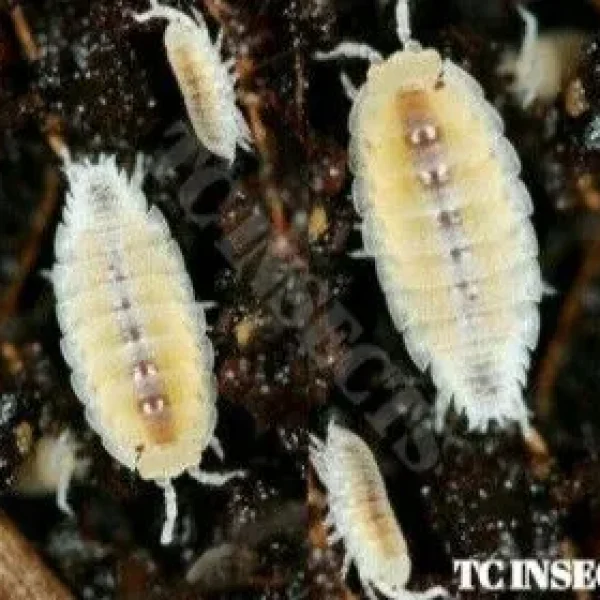
Silent Hill Isopods are a hobby-trade line of Venezillo parvus, a small rolling species in the broader pillbug group. The “Silent Hill” name is a hobby trade designation rather than a confirmed wild locality, so this page treats it as one of several trade lines circulating under the same species. Adults conglobate into a defensive ball when disturbed and tend to shelter under leaf litter and bark rather than openly patrolling the surface.
Additionally, the species itself is small. Adults often stay under 8 mm, which suits dart frog vivariums and other small bioactive enclosures where larger pillbugs would crowd the residents. Collectors who already run other Venezillo parvus lines often add Silent Hill for trade-line variety rather than for a dramatic visual difference.
Why Keep Silent Hill Isopods?
- Trade-line collector value: Running multiple Venezillo parvus lines side by side is a common collector pursuit, and Silent Hill fills one slot in that lineup.
- Rolling behavior: The conglobation response is a defining trait of the group and stays interesting regardless of the trade name.
- Compact footprint: The small adult size lets keepers seed dart frog and small gecko enclosures without oversizing the microfauna.
- Quiet activity: Movement is slow and shelter-focused, so the colony reads as understated rather than busy.
- Bioactive contribution: They process leaf litter and small organic debris on a modest scale in humid setups when conditions stay stable.
Honest Note on Trade Lines and What You Are Actually Buying
Silent Hill is one of several hobby trade lines sold under Venezillo parvus. The species is the same as lines like Black Point, and the visible difference between the two is subtle rather than dramatic. Buyers should understand this clearly: the value of running multiple V. parvus lines sits in collector variety and trade-line provenance rather than in a sharp visual contrast.
Additionally, the “Silent Hill” name is a hobby trade designation, not a confirmed scientific locality. The exact wild collection record is not formally documented. For that reason, this page focuses on practical captive care and honest line-vs-line framing rather than claiming a precise wild origin.
If you only want one small rolling isopod and you are not chasing collector variety, picking either Silent Hill or Black Point is reasonable. Running both makes more sense for keepers who actively want a varied V. parvus shelf.
Care and Setup
Silent Hill follows the standard small-roller care framework. Stable moisture, generous leaf litter, and a calm, undisturbed setup matter more than any single condition.
Temperature
Hold the enclosure between 70 and 80°F. Most stable indoor rooms cover that range without supplemental heat. Sustained heat above the low 80s tends to cause juvenile losses, so position the culture away from windows and warm electronics.
Humidity
Keep humidity reliably high. The substrate should feel moist throughout, with only a slightly drier zone near the ventilation. Allow a small humidity gradient rather than letting any portion of the enclosure dry out, since fully dry conditions stall reproduction in small Venezillo lines.
Substrate
Build a humid mix of coco fiber, sphagnum moss, decomposed hardwood, and crushed leaf litter. Add TC INSECTS Assorted Hardwood Leaf Litter on top in a generous layer, since rolling species use leaf cover heavily for shelter and feeding. Cork bark pieces on the surface give additional hiding structure.
Food
Offer TC INSECTS Isopod Food on a regular rotation and supplement with small portions of fresh vegetables. Provide TC Calcium Ultra Fine, since rolling species lean on calcium intake to maintain their hardened exoskeletons. Pull uneaten fresh food before it molds.
Ventilation
Modest ventilation works best. A small vented panel or a strip of mesh-covered holes keeps air moving without drying out a humidity-loving roller. Fully sealed enclosures invite mite issues, while heavy ventilation pulls humidity down too quickly.
Bioactive Use
Silent Hill Isopods can be seeded into humid bioactive enclosures, including dart frog and small gecko setups. Pair them with Springtails for stronger fine cleanup, since a small V. parvus line alone produces only modest cleanup output.
Breeding Notes
Breeding pace is moderate to slow. Starter cultures usually need several weeks to feel visibly active and then build steadily rather than in obvious bursts. To support reproduction, maintain stable moisture, offer protein and calcium consistently, and resist the urge to dig through the substrate during the first month. Juveniles are tiny and stay under leaf litter and bark until they are large enough to forage in the open.
Best For
- Collectors specifically running multiple Venezillo parvus trade lines.
- Dart frog and small gecko bioactive enclosures where compact microfauna fits the scale.
- Humid setups with reliable moisture and generous leaf-litter cover.
- Keepers who enjoy quieter, shelter-focused species rather than fast-moving isopods.
- Buyers comfortable with subtle visual differences between hobby trade lines.
Not Best For
- Buyers who expect a sharp visual difference from Black Point Isopods or other V. parvus lines.
- Heavy cleanup duty in large reptile enclosures. Dwarf White Isopods are a stronger fit there.
- Feeder rotations, since adults stay small and roll defensively when handled.
- Dry desert setups without a reliable humid retreat.
- Buyers who want a single bold display species rather than a collector trade line.
Origin and Locality Notes
The Venezillo genus has a wide global distribution, with multiple species and trade lines circulated in the hobby. The “Silent Hill” designation is a hobby trade name and the exact wild collection record is not formally documented. As a result, this product is sold as Venezillo parvus “Silent Hill” rather than a confirmed locality binomial. Care guidance follows a humid-tropical default consistent with small rolling species in the genus.
Receiving and Acclimation
Cultures ship in a deli cup with moist substrate, leaf litter, and a piece of bark or cork. On arrival, open the cup in a calm area, check moisture, and transfer the contents directly into a prepared humid enclosure. Keep animals together with their shipping substrate, since that material carries microfauna and helps the colony settle in. Many rollers stay tucked into a defensive ball for a short while after unpacking, which is normal. Mist lightly if the substrate looks dry and leave the culture undisturbed for at least a week before evaluating activity.
Recommended Add-Ons
- TC INSECTS Isopod Food for a steady protein and calcium rotation tailored to isopod cultures.
- TC INSECTS Assorted Hardwood Leaf Litter for the generous leaf cover small rolling species rely on.
- TC Calcium Ultra Fine to support the hardened exoskeleton of a rolling species.
- TC INSECTS Ultra Isopod Habitat Kit for a complete humid starter setup ready for a small roller line.
- Springtails as a microfauna partner that handles fine cleanup work alongside the isopods.
Frequently Asked Questions
How is Silent Hill different from Black Point?
Both are hobby trade lines of Venezillo parvus, so the species is the same, and care, size, and behavior are essentially identical. The difference lives in trade-line provenance rather than in a dramatic visual contrast. Collectors who run both keep them for variety on the shelf, not for a sharp visible difference.
Are Silent Hill Isopods beginner-friendly?
Generally, yes. The humid, leaf-litter-focused care framework is straightforward, and the species does not need exotic conditions. However, first-time buyers who want fast scaling often do better starting with Powder Orange Isopods or Dwarf White Isopods before adding a smaller, slower roller line.
Do they roll up like an Armadillidium?
Yes. Venezillo parvus conglobates into a tight defensive ball when disturbed, much like common pillbugs. The behavior is one of the main reasons collectors keep this species, especially alongside larger Armadillidium lines for shelf variety.
Can I use them in a dart frog vivarium?
Yes. The small adult size fits dart frog vivariums and other small bioactive enclosures better than larger isopod species. Pair them with Springtails for stronger fine cleanup, since a small roller line alone does not handle heavy waste loads.
How fast will the culture grow?
Expect moderate to slow growth. Starter cultures usually take several weeks to feel visibly active and then build steadily over the following months. This is not a fast-breeding line, so plan around patient long-term keeping rather than rapid scaling.
What does the “Silent Hill” name actually mean?
It is a hobby trade designation rather than a confirmed wild collection locality. The species itself is Venezillo parvus, and the trade name marks this particular line within the hobby. For that reason, the page handles “Silent Hill” as a trade marker and focuses on practical captive care.
Learn More About Venezillo parvus and Rolling Isopods
For background on the species and the biology of rolling isopods, the following non-commercial sources are useful starting points.
- World Register of Marine Species: Venezillo Verhoeff, 1928. A taxonomy reference for the Venezillo genus, useful for keepers who want a baseline on where small rolling isopods sit within the broader pillbug group.
- British Myriapod and Isopod Group: Woodlice Identification. A practical primer on isopod morphology, including how to distinguish rolling species from non-rolling species using body shape and the conglobation response.
- iNaturalist: Venezillo parvus. An observation-driven taxon page that shows real-world records and photos of the species, useful for keepers who want to see how V. parvus presents outside of curated culture images.


Reviews
There are no reviews yet.