


African Cape Isopods for Sale
Overview
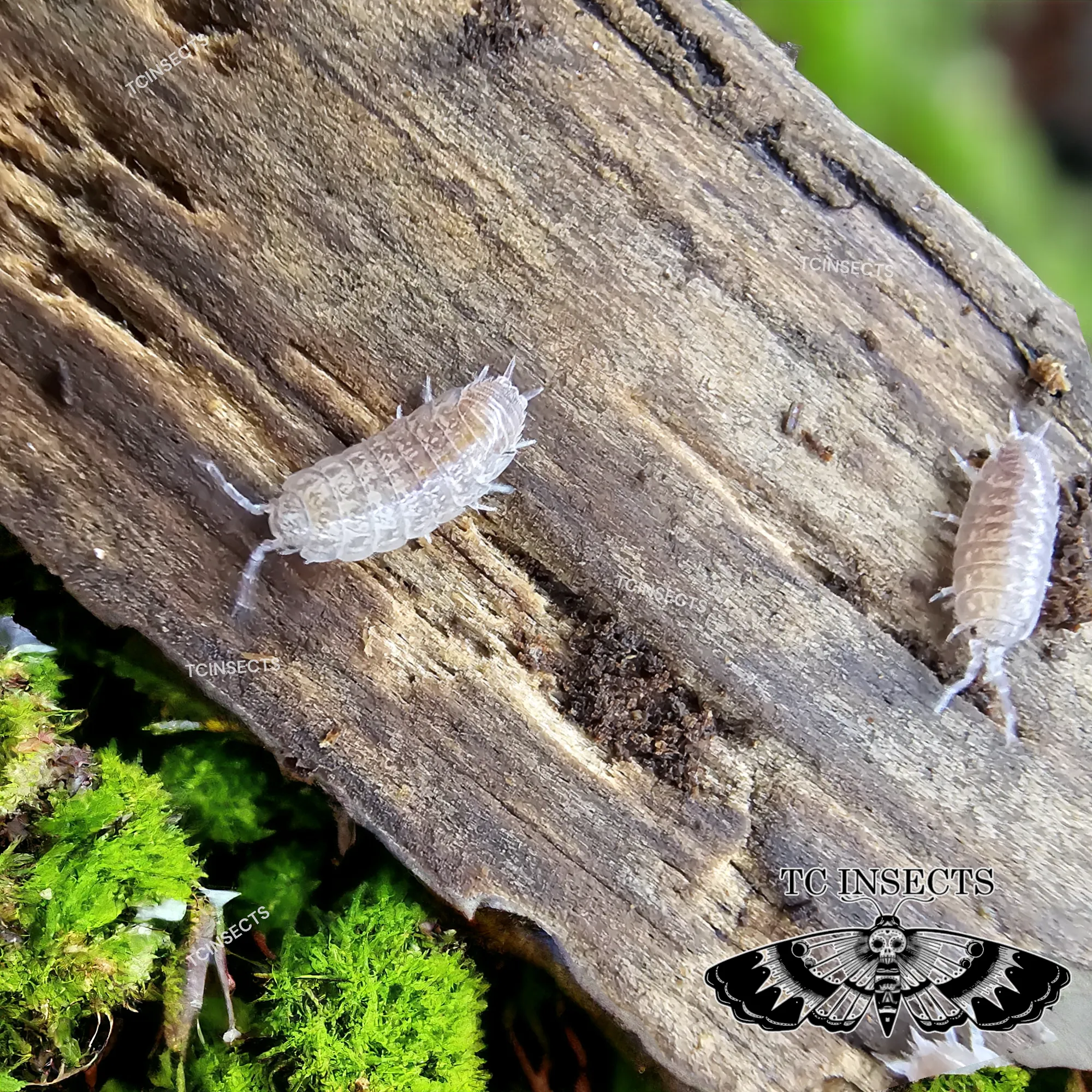
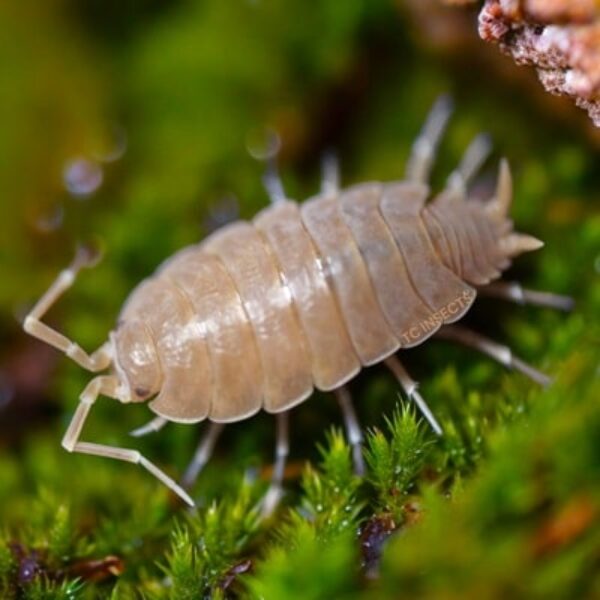
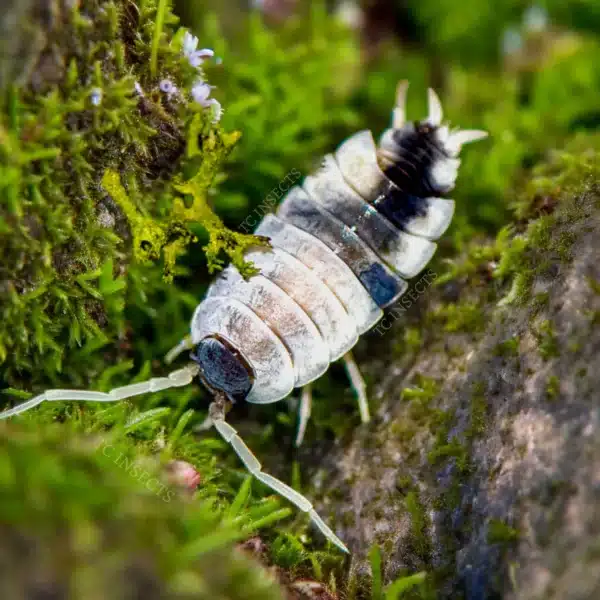
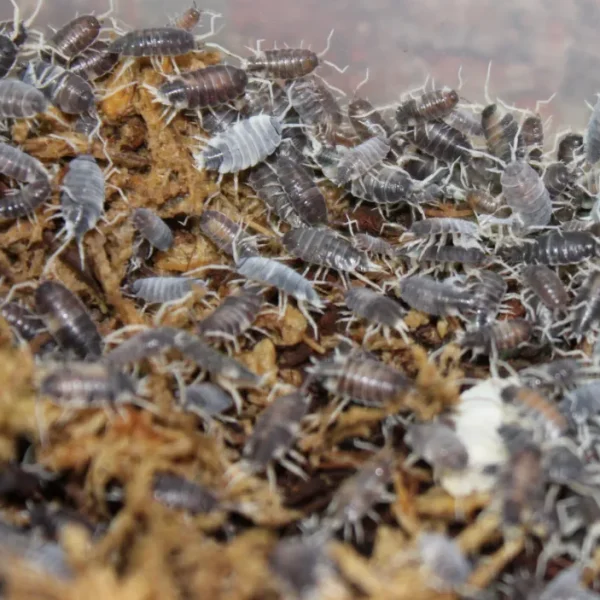
Niambia capensis “African Cape Isopod” is a small terrestrial isopod originally described from the Cape region of South Africa. Adults reach roughly 5 to 7 mm, slightly larger than typical dwarf cleanup species like Dwarf Whites. The body is pale grayish-tan with active surface behavior.
The most useful feature of this species is moisture tolerance. Most dwarf isopods need consistently high humidity to survive. However, Niambia capensis handles a wider range. Therefore, it works in moderately humid reptile setups where standard dwarf species struggle.
Additionally, this species is one of the most budget-friendly dwarf isopods in the catalog. As a result, it suits keepers who want an entry-level cleanup crew that does not require a high-humidity enclosure or a dedicated culture bin.
Why Keep African Cape Isopods?
Customers usually pick this species for one or more of these reasons:
- Drier moisture tolerance. First, Niambia capensis handles a wider moisture range than most dwarf isopods. As a result, it works in moderately humid reptile setups where Dwarf Whites or Dwarf Purple would not persist.
- Visible surface activity. Next, this species moves around on the surface rather than staying buried in substrate. Therefore, you actually see them working in the enclosure rather than only when bark is lifted.
- Slightly larger feeder option. Additionally, the 5 to 7 mm size is bigger than Dwarf Whites. Accordingly, this species works better as a supplemental feeder for slightly larger small reptiles.
- Beginner-friendly price. Finally, this is one of the lowest-priced dwarf isopods in the catalog. Therefore, it is a low-risk option for first-time bioactive builders or for seeding larger enclosures at lower cost.
Honest Note on the “Dwarf” Label
African Cape Isopods are classified as a dwarf species, but they are noticeably larger than standard dwarf cleanup isopods. Specifically, Dwarf Whites max out around 5 mm. However, Niambia capensis commonly reaches 7 mm.
Therefore, do not expect this species to disappear into substrate the way smaller dwarfs do. They are visible and active, which most keepers see as a benefit but some bioactive purists may not.
Care and Setup
African Cape Isopod care is straightforward. Stable conditions, moderate moisture with a gradient, leaf litter, and gentle ventilation produce the best results. Moreover, the drier tolerance gives keepers more flexibility than most dwarf species allow.
Temperature
Aim for 68 to 80°F. The species comes from a warm South African climate. As a result, it handles the warmer end of standard indoor room temperature well. However, avoid sustained heat above the mid-80s without strong ventilation.
Humidity
Aim for moderate humidity with a moisture gradient. Specifically, keep one side moist with sphagnum moss and damp substrate. Then run slightly drier bark and leaf litter on the other side. Furthermore, this species tolerates a wider drier zone than most dwarf isopods. Therefore, the enclosure can lean drier on average without crashing the colony.
Substrate
Use a moisture-retaining blend like coconut fiber mixed with flake soil or decayed hardwood. Then top with leaf litter and several pieces of cork bark.
In addition, add calcium sources such as TC Calcium Ultra Fine, crushed cuttlebone, eggshell, or limestone. Calcium availability supports molting and exoskeleton development across the colony.
Food
African Cape Isopods feed on decaying plant matter as the base diet. Specifically, leaf litter, decaying hardwood (avoid pine and cedar), magnolia pods, and cork bark surfaces should always be available. Additionally, add small portions of vegetables like sweet potato, carrot, squash, and mushroom.
For protein, use shrimp meal, shrimp pellets, fish flakes, insect frass, or nutritional yeast in small amounts. Alternatively, a prepared diet like TC INSECTS Isopod Food simplifies feeding and adds calcium support. Furthermore, feed lightly and remove uneaten food before mold takes hold.
Ventilation
Use moderate ventilation. Specifically, sealed bins crash with mite blooms. However, this species tolerates more airflow than humidity-strict dwarfs. As a result, a vented lid with reasonable airflow works well without drying the colony out.
Bioactive Use
African Cape Isopods work in a wide range of bioactive setups alongside springtails. Specifically, they suit tropical vivariums, planted terrariums, and importantly, moderately humid reptile setups where most dwarf species fail. Therefore, this species fills a niche that few other dwarf isopods cover.
Use in Drier Reptile Setups
This is the main reason most keepers choose Niambia capensis over other dwarf species. Specifically, the species can persist in moderately humid leopard gecko, juvenile bearded dragon, or hognose enclosures. However, the enclosure must still provide a reliable humid retreat with moist sphagnum moss or damp leaf litter.
The colony will not survive in fully arid enclosures with zero humid zones. Furthermore, the moist hide should be checked weekly to ensure it has not dried out completely. Accordingly, even though this is a drier-tolerant species, it is not a true desert isopod.
Breeding Notes
African Cape Isopods breed at a moderate to high rate once a starter group is established. Generally, expect a starter group of 25 to take a few months to grow into a clearly visible population.
Furthermore, stable warmth, moderate moisture, deep leaf litter, calcium, and minimal disturbance support the best results. Females carry developing young in a brood pouch under the body. However, the small size makes pregnant females hard to identify without close inspection.
Best For
- Moderately humid reptile setups where most dwarf species cannot persist
- Bioactive vivariums needing a drier-tolerant cleanup crew
- Keepers who want a visible, active dwarf isopod rather than a buried one
- Beginners who want a forgiving low-priced cleanup option
- Supplemental feeder cultures for slightly larger small reptiles
Not Best For
- Fully arid enclosures with no humid retreat zone
- Display cultures where collector pattern or color is the goal, since this species is a plain grayish-tan working cleanup crew
- Primary staple feeder use for larger reptiles, since the size still tops out at 7 mm
- Sealed, no-ventilation tubs, which crash mite-prone cultures faster than ventilated setups
- Keepers wanting the smallest possible dwarf isopod, since Dwarf Whites are smaller and more suited to very-fine-scale cleanup work
Origin and Locality Notes
Niambia capensis was originally described from the Cape region of South Africa. The species name capensis directly references that Cape origin. Furthermore, the species has been recorded across parts of southern Africa as a free-living terrestrial isopod.
Additionally, the species has spread to other regions through trade. As a result, modern hobby populations are best treated as a generalist subtropical species with a confirmed African background. Captive care should reflect the species’ tolerance for moderate humidity rather than the high-humidity preferences of tropical Asian or South American isopods.
Receiving and Acclimation
On Arrival
Open the package indoors as soon as possible after delivery. Then inspect the culture gently. However, avoid exposing the isopods to direct sun, heat, cold, or dry air. Niambia capensis is small and may hide in moss or substrate during shipping. Therefore, check the packing material carefully before discarding anything.
Transferring to the Enclosure
Transfer the shipping material into a prepared enclosure. Specifically, the setup should include moisture-retaining substrate, sphagnum moss, leaf litter, bark hides, and calcium. Then place the packing near the moist side so the colony moves in naturally.
Settling Period
After that, leave the enclosure mostly undisturbed for the first week. As a result, the colony can settle without stress. Furthermore, this species settles faster than slower-breeding collector morphs, so visible activity often returns within a few days.
Recommended Add-Ons
- TC INSECTS Ultra Isopod Habitat Kit for a vented setup with substrate, sphagnum, leaf litter, and starter feed
- TC INSECTS Isopod Food for a calcium-supported diet that helps the colony build faster
- TC INSECTS Assorted Hardwood Leaf Litter for natural food, hiding cover, and humidity support
- TC Calcium Ultra Fine for molting and exoskeleton support across the colony
- Springtails to round out the microfauna layer alongside African Cape Isopods
Frequently Asked Questions
How does Niambia capensis compare to Dwarf White Isopods?
Both are small cleanup-crew isopods, but the differences matter. First, Dwarf Whites need consistently high humidity (80 to 90%). However, Niambia capensis handles a wider moisture range and works in moderately humid setups. Next, Dwarf Whites are smaller (1 to 5 mm) and reproduce parthenogenetically. Niambia capensis is larger (5 to 7 mm) and breeds sexually. Therefore, choose Dwarf Whites for very humid setups and feeder backup. Choose African Cape for drier reptile enclosures or general beginner bioactive use.
Can African Cape Isopods live in my leopard gecko or bearded dragon tank?
They can, with one critical condition. Specifically, the enclosure must include a reliable humid retreat (moist sphagnum moss or damp leaf litter) that does not dry out. Furthermore, the colony will not survive in fully arid setups with no moist zones. Therefore, check the humid hide weekly to ensure it stays moist.
Are African Cape Isopods active or do they hide?
They are noticeably more active than most dwarf isopods. As a result, you will see them moving on the substrate surface, around leaf litter, and on bark. However, they will still retreat to humid zones during very dry periods. Therefore, visibility is a real feature of this species compared to Dwarf Whites or Dwarf Purple.
How fast does an African Cape Isopod culture grow?
Moderate to high once established. Generally, a starter group of 25 takes a few months to grow into a clearly visible population. Furthermore, the colony reproduces faster under stable warmth, consistent moisture, and calcium-supported feeding.
Are African Cape Isopods good for beginners?
Yes. The drier tolerance, beginner-friendly price, and moderate reproduction rate make this one of the easier dwarf species to keep. However, the colony still needs a humid retreat zone and a varied diet to thrive long-term.
Can I keep African Cape Isopods with springtails or other isopods?
Yes. African Cape Isopods pair well with springtails in standard bioactive setups. Furthermore, they can coexist with other cleanup crew species like Dwarf Whites or Powder Orange. However, mixing species may shift the dominant population over time, with the faster-breeding species outpacing the slower one.
Learn More About Isopod Biology
The references below cover background information that helps keepers understand Niambia and broader terrestrial isopod biology. Each source comes from an academic, museum, or government site rather than a competing retailer.
- World Register of Marine Species: Isopoda. Scientific taxonomy reference for the order Isopoda. Useful for understanding how the Niambia genus fits within the broader terrestrial isopod classification.
- GBIF: Niambia capensis. Global Biodiversity Information Facility record for this species, including documented localities and natural distribution. Useful for understanding the South African origin and how the species has spread through trade.
- University of Florida IFAS: Pillbugs and Sowbugs. Practical overview of terrestrial isopod biology, moisture needs, and behavior around organic matter. Useful for understanding the general husbandry framework that applies to small dwarf species like African Cape Isopods.

Reviews
There are no reviews yet.