
Porcellio duboscqui troglophila for Sale
TC INSECTS ships live captive-bred Porcellio duboscqui troglophila as a mixed-size starter group for display cultures, European Porcellio breeding projects, and keepers who want something distinct from the surface-adapted Iberian lines in the catalog. This is the only product in the TC INSECTS range carrying a formal three-part subspecies name. Therefore, both the taxonomy and the care differ from every other Porcellio on this site.
Overview
Paulian de Felice described the parent species, Porcellio duboscqui, in 1941 from France and Spain. Then, in 1951, Albert Vandel described the troglophila subspecies. Vandel was one of the 20th century’s leading cave isopod experts, and the name he chose is precise.
In Latin and Greek, troglos means cave or hollow, and phila means fond of. As a result, the name itself tells keepers this subspecies has a connection to cave and sheltered habitats across France and Spain.
Color and Size
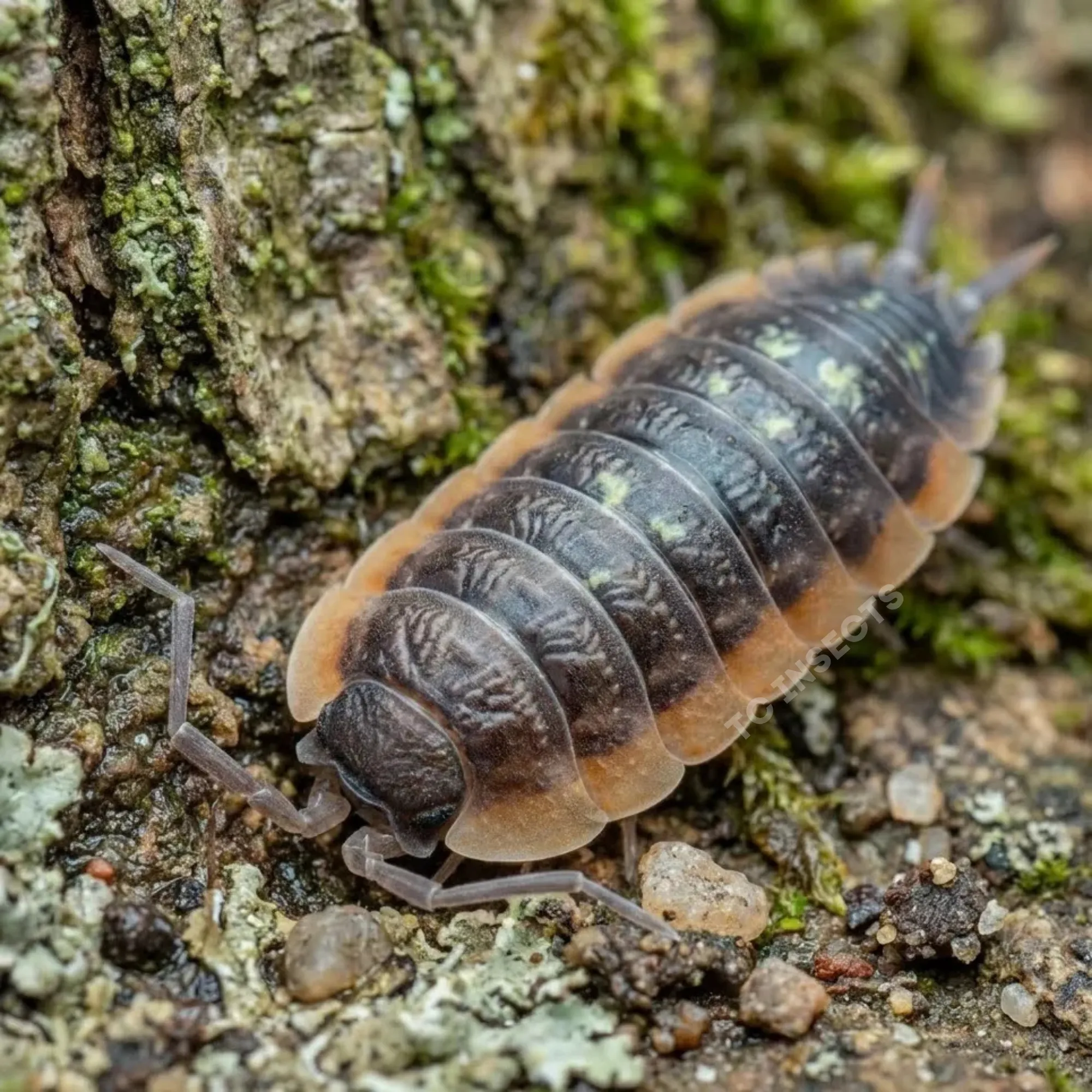
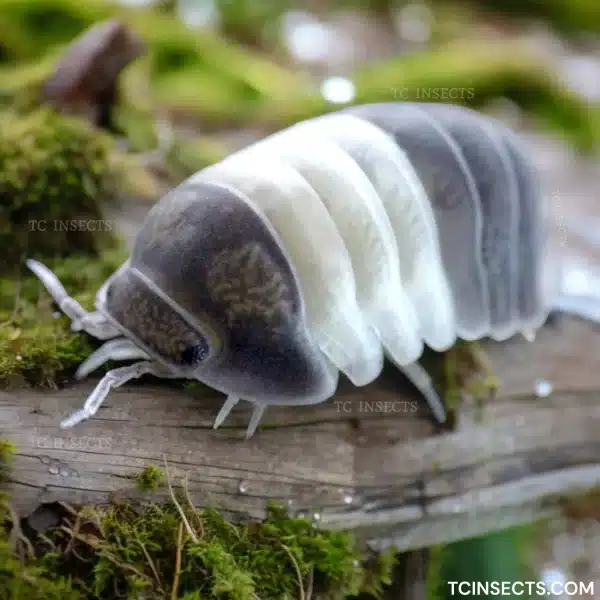
Adults reach around 22 to 28 mm (about 1 inch). Color is variable across individuals. Many show gray to black base color with yellow mottling. Additionally, some individuals develop orange edging along the skirt. No two colonies look identical, which makes this species useful for display cultures that show natural variation.
Why Keep Porcellio duboscqui troglophila?
- Unique in the catalog. This is the only product with a valid three-part subspecies name. Therefore, it represents a level of biological detail no other TC INSECTS Porcellio product offers.
- Color-variable colony. Additionally, the colony displays multiple pattern types at the same time, from gray individuals to heavily yellow-mottled adults to some with orange skirt edging.
- Cave-linked character. Specifically, the troglophila name encodes a sheltered-habitat origin that makes this species different to keep and observe compared to surface-adapted Iberian lines.
- European diversity. Furthermore, this culture adds France and Spain’s cave-linked fauna to a collection otherwise dominated by surface-adapted Spanish or Greek mountain species.
- Steady breeding pace. As a result, the colony builds reliably without the boom-crash cycles of fast species, which suits keepers who want a long-term stable culture.
Honest Note: The Care Is Different from Other Iberian Porcellio
The troglophila subspecies name is not marketing. It reflects a genuine biological connection to cave and sheltered habitats. Consequently, the care for this subspecies differs from the dry, high-airflow, warm approach that suits haasi, magnificus, or ornatus.
At least one experienced keeper reported heavy losses after setting this species up like a standard dry Spanish Porcellio. The isopods ran nonstop, and the colony declined. The fix was less airflow, higher humidity, and lower temperatures. After those changes, losses stopped.
Therefore, do not treat this species like a surface-adapted Iberian Porcellio. Instead, think of it as a European woodlouse from a cooler, more sheltered, more steadily humid habitat. Moderate care rather than arid care is the right approach here.
Honest Note: The Nonstop Running Stress Signal
Stress vs. Settled Behavior
If your colony runs nonstop after setup, that is a stress signal in this species, not healthy activity. Nonstop running in Porcellio duboscqui troglophila typically means conditions are too dry, too warm, or too heavily ventilated for a cave-linked form.
In contrast, a settled, well-kept colony moves steadily but not frantically. When you see nonstop running, first lower the temperature, then raise humidity, and then reduce airflow slightly. These three changes usually resolve the problem within several days.
Care and Setup
Setup Framework
Care for Porcellio duboscqui troglophila follows a moderate-humidity, cooler-temperature, gentler-airflow approach. This is notably different from the truly dry or mostly dry profiles of other Iberian species in this catalog. Below, each section explains what that means in practice.
Temperature
Hold the culture between 64 and 75°F. This range is cooler than most surface-adapted Spanish Porcellio. The lower end (64 to 70°F) often works especially well for this subspecies. Avoid heat above 75°F, direct sun, and sudden temperature swings. Generally, cool and stable matters more here than warm and varied.
Humidity
Keep the enclosure at moderate overall humidity with a reliable moist retreat. Unlike magnificus or haasi, this subspecies does not need a bone-dry main area. Instead, aim for substrate that stays slightly damp throughout, not waterlogged, but not truly dry either.
If condensation builds heavily on the lid or sides, reduce moisture slightly. However, if isopods crowd the moist corner nonstop, increase overall dampness. The goal is stable, moderate humidity throughout, not a sharp two-zone gradient.
Substrate
Use a substrate that holds moderate moisture well. A coco fiber, forest humus, and decaying hardwood blend with leaf litter mixed through works well. Three to four inches of depth suits most starter cultures. Furthermore, the substrate should stay uniformly slightly damp rather than wet on one side and dry on the other.
Food
Keep dried hardwood leaves and decaying wood available at all times. These form the base of the diet. On top of that, offer small amounts of vegetables two to three times per week. Carrot, squash, sweet potato, and zucchini all work well. Alder leaves are specifically noted in hobby sources as a favored food for this species.
Additionally, rotate in a protein source such as TC INSECTS Isopod Food, dried shrimp, gammarus, or fish flakes two to three times per week. Remove uneaten food within 24 to 48 hours. Also keep TC Calcium Ultra Fine, cuttlebone, or crushed eggshell available at all times to support molting.
Airflow
Use a ventilated lid, but avoid strong cross-ventilation. Good airflow prevents stagnation and mold. However, in contrast to surface-dry Iberian species, this subspecies does not need maximum airflow. Instead, moderate air movement that keeps conditions fresh without drying the substrate too quickly suits this cave-linked form best.
Bioactive Use
This subspecies works well in bioactive setups with moderate steady humidity, leaf litter, and good cover. It does not suit genuinely arid or bone-dry enclosures. For bioactive use, first add TC INSECTS Assorted Hardwood Leaf Litter before adding the colony. Then pair with Springtails to manage mold and fine organic debris in the moderately humid setup.
Breeding Notes
Females carry developing young in a marsupium and release small pale juveniles once ready. The colony breeds at a moderate pace once settled. However, new cultures often need several weeks of stable conditions before visible juvenile output begins.
To support breeding, maintain moderate humidity at all times, keep calcium available, provide leaf litter throughout, and reduce substrate changes. The cooler temperature range also supports breeding. Notably, pushing temperatures above 75°F may slow rather than speed up reproduction.
As the colony grows, add more floor space or split into a second container. This step protects the main colony and provides a backup culture over time.
Best For
- European Porcellio collectors who want a cave-linked subspecies distinct from surface-adapted lines
- Display cultures where color variation across individuals is the appeal
- Moderate-humidity bioactive setups with stable temperatures and good but not strong airflow
- Intermediate keepers comfortable adjusting humidity and temperature based on colony signals
- Collections that span surface, cave-linked, and cave-adjacent natural history
- Keepers who have kept other European Porcellio and want something distinct in taxonomy
Not Best For
- Keepers who plan to set this up like a typical dry Spanish Porcellio. That approach causes stress and colony loss in this subspecies.
- Very warm setups. This subspecies prefers the lower end of the hobby temperature range.
- Enclosures with maximum airflow built for arid species. Moderate airflow works better here.
- First-time isopod keepers. Start with Dwarf Whites, Powder species, or Giant Canyons first.
- Feeder use. Color variation, moderate breeding pace, and price point make them a poor reptile food option.
Origin and Locality Notes
Porcellio duboscqui occurs in France and Spain, per Fauna Europaea. Vandel described the troglophila form in 1951 from cave and sheltered habitats within that range. TC INSECTS does not claim a specific collection point beyond the confirmed France-and-Spain range of the parent species and the cave-linked habitat of the subspecies.
However, the cave origin matters in practice. It explains the cooler temperature preference, the higher humidity tolerance, and the different response to airflow compared to surface-adapted Iberian Porcellio.
Receiving and Acclimation
Open your package soon after delivery in a calm indoor area. Move the packing material directly into the prepared enclosure rather than picking out individuals, since juveniles are easy to miss. Inspect everything carefully before discarding any material.
First Week Priorities
Prepare the enclosure before opening the culture. The substrate should be slightly damp throughout rather than wet on one side and dry on the other. Place leaf litter, bark hides, and a calcium source before adding the isopods. Set them under cover, then leave them mostly undisturbed for the first week.
If the colony runs nonstop after placement, check temperature first and lower it. Then raise humidity slightly and reduce airflow. This set of changes resolves stress in this subspecies more reliably than any single adjustment.
Recommended Add-Ons
- TC INSECTS Isopod Food for regular protein and balanced supplemental nutrition.
- TC INSECTS Assorted Hardwood Leaf Litter as the primary food and cover layer, including alder leaves when available.
- TC INSECTS Isopod Habitat Kit for a solid starter setup with substrate, moss, and leaf litter already included.
- TC Calcium Ultra Fine for steady calcium support through molts.
- Springtails to manage mold and fine organic debris in a moderately humid setup.
Frequently Asked Questions
What does “troglophila” actually mean?
The word combines Greek troglos (cave or hollow) and phila (fond of). Therefore, troglophila means cave-loving. Vandel used this name in 1951 to mark this subspecies’ connection to cave and sheltered habitats in France and Spain. In practice, it tells keepers this animal needs different care from surface-adapted Iberian Porcellio: cooler temps, moderate humidity, and gentler airflow.
How is the care different from other Spanish Porcellio in this catalog?
The key differences are temperature, humidity, and airflow. Surface-adapted species like magnificus, haasi “Bright”, or ornatus “High Yellow” need warm temps, dry setups, and strong airflow. In contrast, troglophila needs cooler stable temps (64 to 75°F), moderate humidity throughout, and good but not aggressive airflow. Setting it up like the dry Iberian species causes colony stress.
Why are my isopods running nonstop around the enclosure?
Nonstop running in this subspecies is a stress signal, not a sign of healthy activity. It typically means the setup is too dry, too warm, or too heavily ventilated. Therefore, first lower the temperature, then raise humidity, and then reduce airflow slightly. In most cases, the colony settles within several days of those changes.
Is this a cave species that needs darkness?
No. A cave-loving form can complete its life cycle outside caves. This subspecies does not need constant darkness. However, it benefits from the stable conditions that cave habitats provide: cool, moderately humid, and not subject to big temperature swings. Normal day-night light cycles in an indoor room suit this species well.
What makes this different from other Porcellio in the catalog?
This is the only product in the TC INSECTS Porcellio range with a formal three-part subspecies name. Additionally, it is the only product where the subspecies name itself encodes the care approach. Furthermore, the color-variable colony means individuals show different patterns at the same time, creating a more dynamic display than single-color species.
Can this subspecies live with other Porcellio in a mixed culture?
Not recommended. Mixing isopod species creates the risk of cross-breeding over time and makes it hard to keep the subspecies’ distinct traits. Additionally, the different care needs between troglophila and surface-adapted Iberian Porcellio mean a setup suited to one will not suit the other. Separate enclosures for each line is the stronger approach.
Learn More About Porcellio duboscqui troglophila
These sources give useful context on the taxonomy, cave ecology, and biology behind this subspecies and its care needs.
- GBIF: Porcellio duboscqui troglophila Vandel, 1951. The Global Biodiversity Information Facility record confirming the subspecies rank, authorship, and date. Useful for keepers who want to verify the three-part name and see the broader context of this cave-linked form within the parent species Porcellio duboscqui.
- PMC / NCBI: Life history of a cave isopod (Mesoniscus graniger). Peer-reviewed research on a European cave-dwelling isopod, covering the stable, high-humidity, low-temperature conditions that define cave habitats. This paper gives practical context for why cave-linked forms like troglophila need different care than surface-adapted Iberian species.
- PMC / NCBI: Water conservation in terrestrial isopods. Peer-reviewed research on how isopod breathing structures interact with humidity and water loss. This paper explains in clear terms why moderate steady humidity throughout suits a cave-linked subspecies better than the sharp dry-wet split that works for haasi or magnificus.



Reviews
There are no reviews yet.