Cubaris Combo for Sale: Zebra, Gestroi, and Panda King
The All-Star Combo brings together three of the most recognized Cubaris lines in the advanced isopod hobby: Cubaris sp. “Zebra,” Cubaris sp. “Gestroi,” and Cubaris sp. “Panda King.” Each species is included at 15 count,
which makes this a collector starter trio rather than a bulk cleanup colony order. The combo exists for keepers who want to add several premium lines at once and run them in dedicated humid culture tubs.
Overview
This is a curated bundle for collector-tier buyers. All three lines sit within the genus Cubaris, which the hobby treats as a humid, deeper-substrate, slower-to-establish group compared with most Porcellio or Porcellionides
species. Each line carries its own distinct visual draw, so the combo offers visual range across one purchase: banded contrast, bold patterned color, and high-contrast panda-style markings.
Because each species is sold at 15 count, this is best treated as a sampler trio with grow-out potential rather than a guaranteed fast-producing colony bundle. Accordingly, three separate culture tubs from the start is the
recommended setup approach.
What’s in the Combo
15 Cubaris sp. “Zebra”
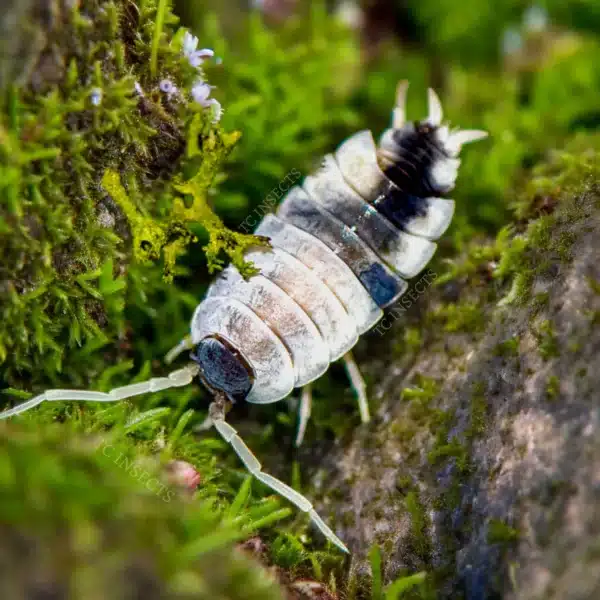
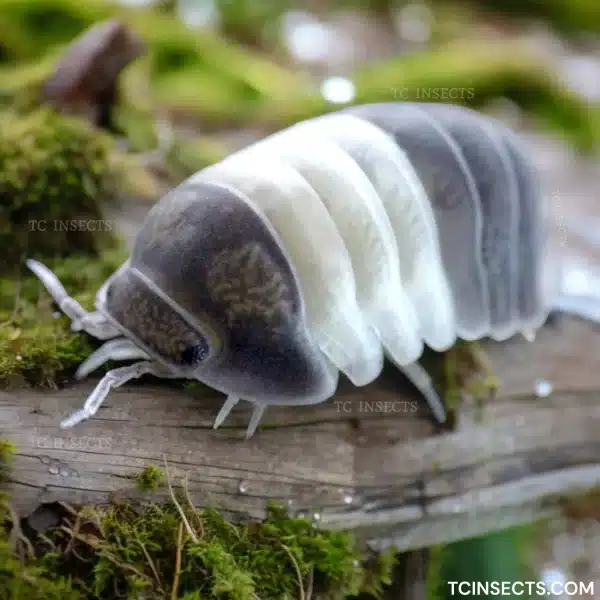
Zebra Isopods are recognized across the hobby for their black-and-white banded patterning along the dorsal surface. The banded look against a darker base is the main visual draw. They are generally treated as an intermediate-difficulty Cubaris line that does best in humid setups with deeper substrate and consistent moisture.
15 Cubaris sp. “Gestroi”
Gestroi Isopods carry a bold red and dark patterned look, with most adults showing strong red coloration combined with darker contrast areas. The line has been a long-standing favorite in advanced collector lineups for its color depth. Care follows standard humid Cubaris practice.
15 Cubaris sp. “Panda King”
Panda King Isopods are a high-contrast black-and-white patterned Cubaris line, recognized for cleaner pattern separation than many panda-style cultures. The line is established in the advanced hobby and is generally treated as a moderate-pace collector culture.
Why Buy the Combo Instead of Separate Cultures?
- Three premium lines at once. The combo combines three distinct Cubaris visual draws in a single purchase, which suits collectors wanting to start a focused genus lineup quickly.
- Visual range across one bundle. Banded contrast, red and dark patterned, and high-contrast panda-style markings cover most of the appearance categories within the genus.
- Starter quantity per line. The 15-count quantity per species fits collectors who want to begin establishment rather than buy bulk amounts of any single line up front.
- Gift-friendly bundle. The combo works well as a serious gift purchase for an existing isopod hobbyist who already has multiple culture tubs ready.
- Builds toward future single-line purchases. Many keepers later expand the lines they like most by adding more from the individual Cubaris product pages.
Honest Note on the 15-Count Quantity per Species
The single most important expectation to set is quantity. Fifteen individuals per species is a starter quantity, not an established breeding population. Cubaris lines generally establish slowly, so colony growth from 15
individuals will look quiet for the first weeks and ramp up gradually if conditions stay stable. As a result, this combo is best treated as a long-term grow-out project across three culture tubs, not a short-term bulk colony
purchase. Buyers expecting rapid visible reproduction or large numbers in the first month should set that expectation aside.
Care and Setup
Care follows standard humid Cubaris practice across all three lines, with the important note that each species should be set up in its own dedicated culture tub from the start.
Separate Tubs from the Start
Set up three separate humid culture tubs before the combo arrives. Mixing all three species in a single enclosure makes tracking each line difficult, blurs color and pattern variation, and complicates grow-out for collectors. Three small tubs work better than one larger shared one.
Temperature
Aim for roughly 70 to 78 F across all three tubs. Stable warmth supports steadier molting and breeding, which matters for clean color and pattern expression in each line.
Humidity
Keep humid conditions with at least one consistently moist zone per tub that never fully dries. A slightly drier zone on the opposite side helps each colony self-regulate around feeding spots.
Substrate
Use a coco fiber and topsoil base mixed with crushed leaf litter and decaying hardwood, slightly deeper than typical setups since Cubaris generally benefit from substrate depth. Additionally, a light sprinkle of crushed limestone or cuttlebone supports cuticle development.
Food
Feed leaf litter, decaying wood, and protein and calcium top-ups. TC INSECTS Isopod Food works well as a base supplement across all three tubs, and TC Calcium Ultra Fine can be dusted lightly across feeding spots to support molting and color expression.
Ventilation
Use moderate ventilation that holds humidity without trapping stagnant air. Cross-vented lids generally work better than mostly sealed tubs for humid Cubaris lines.
Bioactive Use
Any of the three lines can work in a humid bioactive display once the culture has grown out from the starter quantity. However, putting all 15 of any species directly into a busy bioactive enclosure from the start usually slows establishment significantly. Grow them out in dedicated tubs first.
Breeding Notes
Breeding generally picks up once each colony settles into a deep leaf litter layer with stable humidity. Mancae are easiest to spot along bark, leaves, and damp substrate. Generally, all three lines reward patience and stable
conditions more than active intervention, especially from a 15-count starter quantity. Visible reproduction usually takes several weeks to a few months depending on conditions.
Best For
- Advanced Cubaris collectors building a premium genus lineup.
- Keepers ready to set up three separate humid culture tubs from the start.
- Hobbyists who want visual range across one purchase: banded, red-patterned, and high-contrast.
- Gift purchases for serious existing isopod hobbyists.
- Long-term grow-out projects with patient expectations on colony pace.
Not Best For
- First-time isopod buyers looking for a forgiving fast-cleanup colony.
- Buyers expecting large bulk numbers or fast visible reproduction within weeks.
- Single-enclosure mixing plans where all three species share one tub.
- Dry desert reptile setups with no reliable humid zone.
- Keepers without the time or space to maintain three separate culture tubs.
Origin and Locality Notes
The genus Cubaris is broadly associated with Southeast Asia and humid forested regions in the hobby trade, though the genus is taxonomically complex and many hobby lines are sold under descriptive trade names with
genus-only identification. Zebra, Gestroi, and Panda King are all sold as Cubaris sp. with hobby line designations rather than confirmed species or strict locality forms. As a result, this page focuses on practical humid
captive care rather than claiming precise wild origins for any of the three lines.
Receiving and Acclimation
Cultures ship in moisture-stable containers with substrate, leaf litter, and protein. On arrival, open each container in a dim, draft-free area and transfer the contents into its prepared, species-specific tub. Mist one side
lightly per tub rather than soaking the whole substrate. Then leave each colony undisturbed for several days while it settles. Additionally, expect the first few weeks to look quiet on the surface across all three tubs, since that
is normal for Cubaris from a starter quantity.
Recommended Add-Ons
- TC INSECTS Isopod Food for steady protein and supplement coverage across all three tubs.
- TC INSECTS Assorted Hardwood Leaf Litter for cover, food, and breeding pinch points in each tub.
- TC INSECTS Ultra Isopod Habitat Kit for a ready-to-run humid culture base suited to Cubaris setups.
- TC Calcium Ultra Fine for cuticle and molting support across all three lines.
- Springtails to handle mold and small organic debris alongside each isopod colony.
Frequently Asked Questions
Is 15 of each species enough to start a real breeding colony?
Fifteen is a starter quantity, not an established breeding population. Cubaris lines generally establish slowly, so a 15-count starting culture will look quiet for the first weeks and ramp up gradually if conditions stay stable.
The combo is best treated as a long-term grow-out project rather than a fast bulk colony purchase. Buyers expecting rapid visible numbers in the first month should set that aside.
Should I keep all three species together or in separate tubs?
Separate tubs. Mixing Zebra, Gestroi, and Panda King in a single enclosure makes tracking each line difficult, blurs visual differences, and complicates grow-out and trade. Three small humid culture tubs work better than
one shared larger one, especially from a 15-count starter quantity per species.
What do the three lines actually look like?
Zebra Isopods carry black-and-white banded patterning. Gestroi Isopods carry bold red and dark patterned coloration. Panda King Isopods carry high-contrast black-and-white panda-style markings. Color and pattern
intensity can vary across individuals and generations in any humid Cubaris line, but the three lines are clearly distinct from each other visually.
Is this combo a good first isopod purchase?
Generally no. Cubaris lines are usually treated as intermediate to advanced, and a three-line bundle adds the complexity of running multiple humid culture tubs in parallel. First-time isopod keepers usually do better
starting with a more forgiving single species first, then adding the combo later once they already run several humid cultures successfully.
Can I use these in a bioactive enclosure right away?
It is usually better to grow each line out in dedicated tubs first. Putting all 15 of any species directly into a busy bioactive enclosure from the start often slows establishment significantly, since the colony has little chance to
settle and reproduce before getting disturbed. Grow them out in culture tubs, then transfer once the population has built up.
What if I want more of just one line later?
Each species can be purchased individually as a follow-up order. Many collectors use the combo to sample three premium lines, then expand the ones they like most by buying more of that specific line later. The individual
Cubaris product pages for Zebra, Gestroi, and Panda King carry care details specific to each line.
Learn More About Cubaris and Humid Isopod Care
These references give helpful background for keepers researching Cubaris biology and humid invertebrate care beyond a single product page.
- World Register of Marine Species: Isopoda taxonomy resources. Useful for checking current accepted scientific names and genus placement when researching Cubaris and related humid forest isopods.
- British Myriapod and Isopod Group: Isopod biology and identification resources. A non-commercial reference for general isopod biology, molting, and life history, which translates well to understanding humid Cubaris lines in captivity.
- iNaturalist: Cubaris observations and species pages. Lets keepers view field photos and observations across many Cubaris groups, useful for understanding habitat context and visual variation.