


Florida Fast Isopods for Sale
Overview
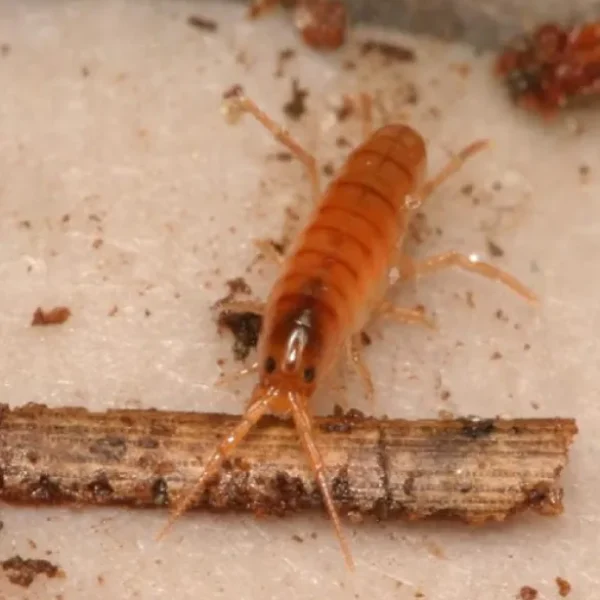
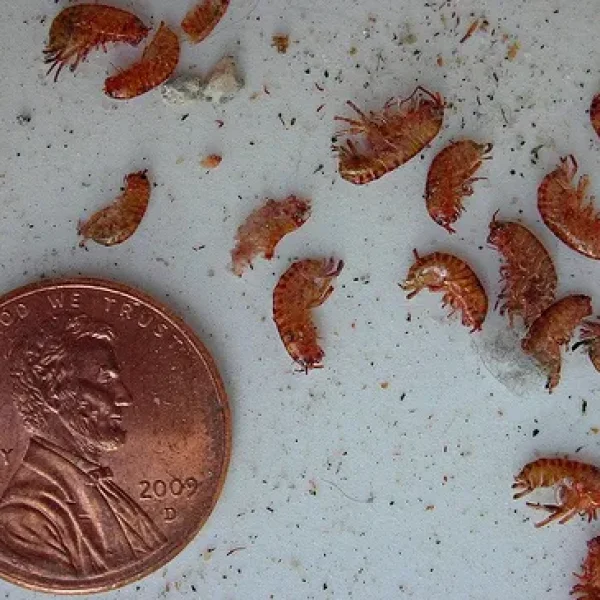
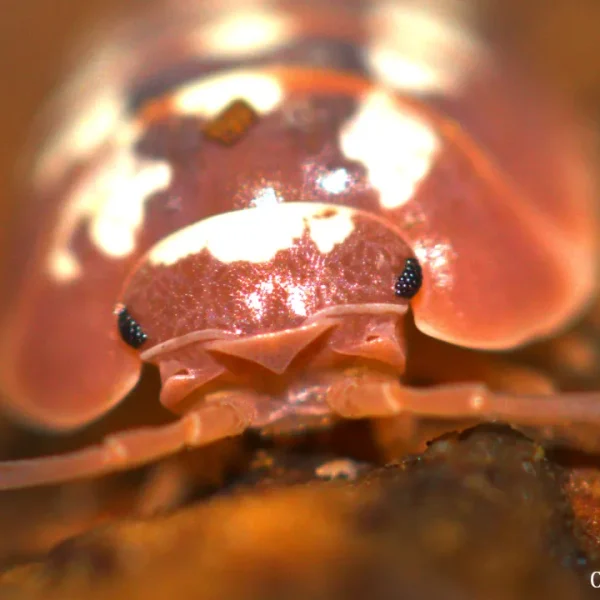
Atlantoscia floridana “Florida Fast” is a small US-native cleanup-crew isopod first described from Florida. The species name floridana directly references that origin. Adults reach roughly 4 to 6 mm.
The defining feature is speed. Specifically, this species sprints across the substrate when disturbed instead of curling, freezing, or hiding. As a result, the hobby trade name “Florida Fast” is a literal description of how the colony behaves. Most other small isopods retreat under bark when the enclosure is opened. However, Florida Fast scatters across the surface in plain view.
Furthermore, this is one of the few US-native isopods commonly kept in the bioactive hobby. Other catalog favorites trace back to Mediterranean, Galápagos, South African, or Southeast Asian origins.
Why Keep Florida Fast Isopods?
Customers usually pick this species for one or more of these reasons:
- High-speed surface activity. First, Florida Fast is one of the most visually active isopods in the dwarf size class. As a result, you actually see them moving in the enclosure rather than finding them only when bark is lifted.
- US-native species. Next, this is a real native North American isopod, originally described from Florida. Therefore, it appeals to collectors building a varied lineup that includes US-native species alongside imports.
- Fast reproduction. Additionally, the colony breeds quickly once established. Therefore, a starter group of 25 will build into a productive cleanup crew within a few months.
- Solid feeder option. Finally, the small size and soft body make Florida Fast a usable supplemental feeder for thumbnail dart frogs, mantellas, juvenile geckos, and similar small insectivores. The fast movement also triggers strong feeding responses.
Honest Note on the “Fast” Behavior
The fast movement is the appeal, but it has a downside. Specifically, escaping isopods are more likely with this species than with slow-moving Dwarf Whites or Powder species. Therefore, use a deli cup with tight lid or vented container with secure fit during the receiving and transfer process.
Additionally, when the enclosure is opened, individuals can dart across the substrate and occasionally onto enclosure walls. As a result, plan transfers carefully and avoid leaving the lid off for long periods. Most keepers find this minor once they get used to handling the species.
Care and Setup
Florida Fast care is straightforward and beginner-friendly. Specifically, stable temperatures, a moisture gradient, leaf litter, and gentle ventilation produce the best results. Moreover, the fast reproduction means a starter culture rewards basic husbandry quickly.
Temperature
Aim for 70 to 82°F. The species comes from the warm Florida climate. Therefore, it does well at standard indoor room temperatures and tolerates warmer setups better than many small isopods. However, avoid sustained heat above the mid-80s without strong ventilation.
Humidity
Aim for moderate to high humidity with a reliable moist side. Specifically, keep sphagnum moss, leaf litter, and damp substrate on one side. Then run slightly drier bark and leaf litter on the other side. Furthermore, this species tolerates a wider moisture range than humidity-strict dwarfs like Dwarf Purple.
Substrate
Use a moisture-retaining blend like coconut fiber mixed with flake soil or decayed hardwood. Then top with leaf litter and several pieces of cork bark.
In addition, add calcium sources such as TC Calcium Ultra Fine, crushed cuttlebone, eggshell, or limestone. Calcium availability supports molting across the fast-reproducing colony.
Food
Florida Fast feeds on decaying plant matter as the base diet. Specifically, leaf litter, decaying hardwood (avoid pine and cedar), magnolia pods, and cork bark surfaces should always be available. Additionally, add small portions of vegetables like sweet potato, carrot, squash, and mushroom.
For protein, use shrimp meal, fish flakes, insect frass, or nutritional yeast in small amounts. Alternatively, a prepared diet like TC INSECTS Isopod Food simplifies feeding and adds calcium support. Furthermore, the fast-breeding colony will clear food faster than slow species, so feeding portions can be larger.
Ventilation
Use moderate ventilation. Specifically, sealed bins crash with mite blooms, while heavy ventilation dries small isopods out fast. Therefore, a vented lid with small slots or fine mesh strikes the right balance. Furthermore, make sure the lid seals tightly because the fast movement makes escapes more likely with poor closure.
Bioactive Use
Florida Fast works in a wide range of bioactive setups alongside springtails. Specifically, it suits dart frog vivariums, mourning gecko tanks, day gecko enclosures, and tropical planted terrariums. As a result, the species is one of the more flexible cleanup options in this size class.
Use as a Feeder
The fast surface-active behavior makes Florida Fast a particularly effective small feeder. Specifically, the quick movement triggers strong feeding responses from thumbnail dart frogs, mantellas, juvenile day geckos, mourning gecko hatchlings, and other small insectivores. Furthermore, the soft body and small size make them digestible for animals that cannot handle larger isopods.
However, this is a supplemental feeder, not a primary staple. Therefore, use Florida Fast alongside fruit flies, springtails, and other small feeders. Additionally, allow the starter culture to establish for a few months before pulling feeders so the colony can sustain the harvest.
Breeding Notes
Florida Fast breeds at a high rate once a starter group is established. Generally, a starter group of 25 takes a few months to grow into a clearly visible working population.
Furthermore, stable warmth, moderate moisture, deep leaf litter, calcium, and minimal disturbance support the best results. Females carry developing young in a brood pouch under the body. However, the small size and fast movement make pregnant females hard to identify without close inspection.
Best For
- Bioactive setups where surface visibility and active behavior matter
- Dart frog, mantella, mourning gecko, and small insectivore enclosures
- Feeder backup cultures for thumbnail dart frogs and juvenile small geckos
- Keepers building a US-native isopod lineup
- Larger humid vivariums where higher isopod counts are needed at moderate cost
Not Best For
- Keepers who handle isopods often or open the enclosure frequently, since the fast escape behavior creates handling challenges
- Dry reptile enclosures with no humid retreat, since the species still needs moist substrate to thrive
- Loose-lidded or poorly sealed culture bins, where escapes are more likely with this species
- Collectors looking for visual color or pattern variation, since this species is plain pale tan
- Primary staple feeder use for larger reptiles, since the small size still tops out around 6 mm
Origin and Locality Notes
Atlantoscia floridana was originally described by Van Name in 1940 from specimens collected in Florida. Specifically, the species name floridana directly references that wild origin. Furthermore, the species is recorded across the southeastern United States and has been spread further through trade.
Additionally, taxonomic work on the Atlantoscia genus has compared North American and South American populations over the years. As a result, modern hobby populations are best treated as a generalist warm-temperate to subtropical species. Captive care should reflect the species’ preference for moist leaf-littered microhabitats typical of Florida hardwood forests.
Receiving and Acclimation
On Arrival
Open the package indoors as soon as possible after delivery. Then inspect the culture carefully. However, the fast movement of this species means individuals may scatter quickly when the cup is opened. Therefore, work over a contained surface like a large bin or tray during the initial inspection.
Transferring to the Enclosure
Transfer the shipping material into a prepared enclosure. Specifically, the setup should include moisture-retaining substrate, sphagnum moss, leaf litter, bark hides, and calcium. Then place the packing near the moist side. Furthermore, close the lid promptly after transfer to prevent escapes.
Settling Period
After that, leave the enclosure mostly undisturbed for the first week. As a result, the colony can settle and begin establishing without stress. However, expect to see surface activity within a few days, which is normal for this species and a sign the culture is healthy.
Recommended Add-Ons
- TC INSECTS Ultra Isopod Habitat Kit for a vented 6qt setup with substrate, sphagnum, leaf litter, and starter feed
- TC INSECTS Isopod Food for a calcium-supported diet that helps the fast-breeding colony build up faster
- TC INSECTS Assorted Hardwood Leaf Litter for natural food, hiding cover, and humidity support
- TC Calcium Ultra Fine for molting and exoskeleton support across a fast-reproducing colony
- Springtails to round out the microfauna layer alongside Florida Fast
Frequently Asked Questions
How fast are Florida Fast Isopods actually?
Noticeably faster than most isopods. Specifically, individuals sprint across substrate when disturbed rather than curling or hiding. Furthermore, the species can climb up enclosure walls and move much quicker than Dwarf Whites or Powder species. Therefore, the hobby name is literal, not marketing.
How do Florida Fast compare to Dwarf White Isopods?
Both are small cleanup-crew species, but the behavior and reproduction differ. First, Dwarf Whites reproduce parthenogenetically and stay buried in substrate. However, Florida Fast reproduces sexually and is highly surface-active. Next, Dwarf Whites are smaller (1 to 5 mm) and more humidity-strict. Florida Fast is larger (4 to 6 mm) and handles a wider moisture range. Therefore, choose Florida Fast for visible activity and feeder use, and Dwarf Whites for invisible cleanup and very high humidity setups.
Are Florida Fast Isopods good as feeders?
Yes, for small insectivores. Specifically, the fast movement triggers strong feeding responses from thumbnail dart frogs, mantellas, juvenile day geckos, and mourning gecko hatchlings. Furthermore, the soft body and small size make them digestible. However, this is a supplemental feeder. As a result, use Florida Fast alongside fruit flies and other small feeders rather than as a primary staple.
Will Florida Fast escape from my enclosure?
It depends on the enclosure seal. Specifically, this species moves quickly and can climb walls, so a loose or open lid increases escape risk. However, a properly sealed enclosure with appropriate ventilation holes contains the colony fine. Therefore, just make sure the lid closes securely after maintenance.
Are Florida Fast Isopods good for beginners?
Yes. The care itself is forgiving and the fast reproduction means a starter culture establishes quickly. However, the surface-active behavior means new keepers should plan for careful enclosure access and a properly sealed bin. Therefore, this is a beginner-friendly species with one practical caveat about handling.
Can Florida Fast live in a dart frog vivarium?
Yes, this is one of their best-fit enclosures. Specifically, dart frog tanks already run high humidity, deep leaf litter, and stable warmth, which match Florida Fast preferences. Furthermore, the dart frogs may eat occasional individuals, which is sustainable when the colony is well established. As a result, Florida Fast pairs well with dart frogs as both cleanup crew and supplemental feeder.
Learn More About Isopod Biology
The references below cover background information that helps keepers understand Atlantoscia floridana and broader terrestrial isopod biology. Each source comes from an academic, museum, or government site rather than a competing retailer.
- World Register of Marine Species: Isopoda. Scientific taxonomy reference for the order Isopoda. Useful for understanding how the Atlantoscia genus fits within the broader terrestrial isopod classification.
- GBIF: Atlantoscia floridana. Global Biodiversity Information Facility record showing documented localities and natural distribution. Useful for understanding the Florida origin and how the species has spread through trade.
- University of Florida IFAS: Pillbugs and Sowbugs. Practical overview of terrestrial isopod biology, moisture needs, and behavior around organic matter. Especially relevant for a Florida-native species, since the IFAS resource covers the same climate and habitat the species evolved in.



Reviews
There are no reviews yet.