
Porcellio silvestri for Sale
TC INSECTS ships live captive-bred Porcellio silvestri as a mixed-size starter group for display cultures, Spanish Porcellio collections, and breeding projects. This is a shy pine forest isopod from Tarragona Province, Spain, with one of the clearest color-based sex differences in the hobby. Therefore, it suits keepers who want a species they can observe and understand visually as the colony matures.
Overview
Budde-Lund described Porcellio silvestri in 1885, naming the species to honor Filippo Silvestri (1873-1949), an Italian entomologist and zoologist. The species is native to southern and northeastern Spain, with Tarragona Province in Catalonia specifically noted in multiple hobby and scientific sources as a confirmed locality. In the wild, it lives in pine forest habitat under bark, leaf litter, and rotting wood.
Sex and Color
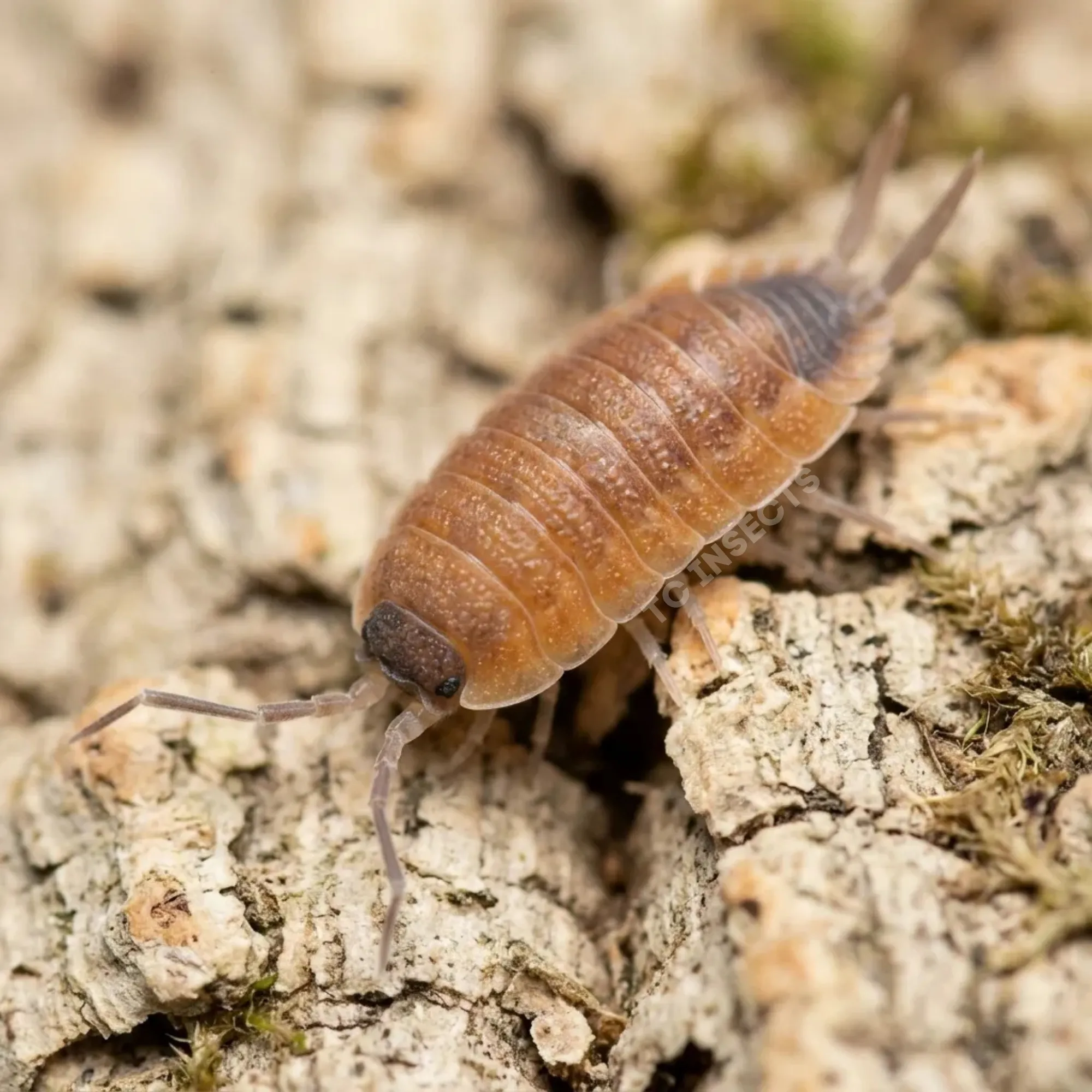
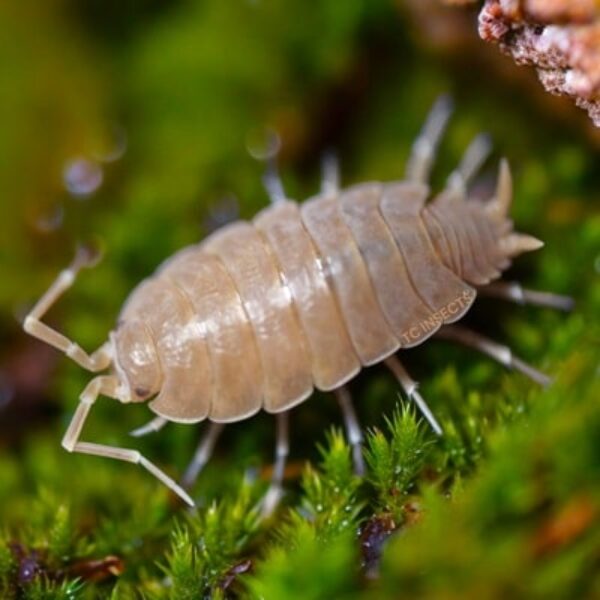
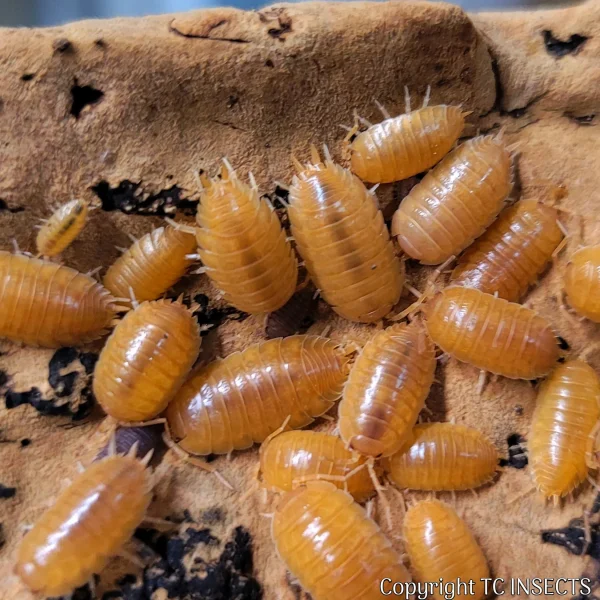
This species is one of the very few isopods where adult sex is readable by color alone. Mature males develop vivid orange to brick-red coloring. Females, in contrast, stay gray or dull orange throughout adulthood. As a result, any keeper can tell males from females at a glance without checking uropods — which is rare in the hobby.
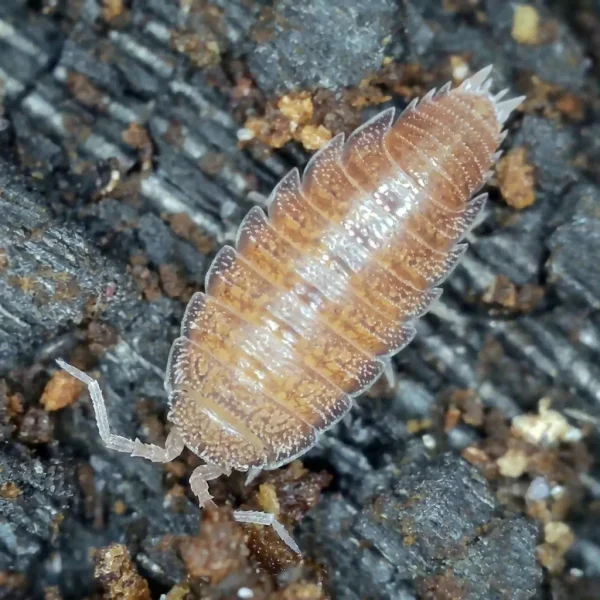
However, juveniles and young sub-adults of both sexes start gray. Male color develops as the animal reaches full maturity. Therefore, a new starter culture may look mostly gray at first, with orange males appearing gradually as individuals mature.
Why Keep Porcellio silvestri?
- Visible sex difference. No other product in the TC INSECTS Porcellio catalog lets a keeper tell males from females just by looking at color. Additionally, watching males develop orange as they mature gives the colony a living display arc over time.
- Named for a real scientist. Furthermore, the species name honors Filippo Silvestri, giving this culture a specific naming story that collectors appreciate.
- Specific confirmed locality. Specifically, Tarragona Province pine forests in Catalonia, northeastern Spain, are the most precise wild origin of any product in the TC INSECTS Porcellio series.
- Pine forest character. As a result, the rotting wood and leaf litter that suit this species are not optional decor. They match actual wild habitat and support the colony in a meaningful way.
- Collector appeal. Moreover, this species is less common in the hobby than haasi or ornatus lines, which makes it a strong addition to an established Spanish Porcellio collection.
Honest Note: Spelling — silvestri or silvestrii?
Buyers searching this species will encounter both Porcellio silvestri and Porcellio silvestrii (with one or two i’s at the end). Both spellings refer to the same animal. The correct Latin genitive form, which honors a person whose name ends in a consonant, is technically silvestrii (two i’s). However, silvestri also appears widely in the hobby trade and in older references.
TC INSECTS uses Porcellio silvestri on this page for consistency with common hobby usage. Buyers should know that both spellings lead to the same species and the same care needs.
Honest Note: Males Are Orange, Females Are Gray
Some hobby sources describe the sex roles in reverse, stating that females are the more colorful animals. However, multiple specialist breeders who specifically keep and breed this species confirm that mature males are the vivid orange individuals and females are gray or dull orange.
The existing confusion likely comes from a general isopod sexing article that used this species as an example but described the color roles incorrectly. Therefore, if you find a contradictory source, trust the keepers who specifically raise this species: orange adults are males, gray adults are females.
Care and Setup
Setup Framework
Care for Porcellio silvestri follows a semi-arid pine forest framework: warm, dry overall, with a three-zone moisture gradient. Specifically, one side moist with sphagnum and rotting wood, the middle dry with leaf litter and bark, and the far side bone dry. Below, each section explains what that provides for the colony.
Temperature
Hold the culture between 68 and 79°F. This species prefers warmth within its range. Stable room temperature in the mid-70s works well for most homes. Avoid cold drafts, direct sun, and heat lamps aimed at the container. Generally, warm and stable produces better results than cool and variable.
Humidity
Use a three-zone gradient. On one side, keep moist sphagnum moss and rotting white wood as the hydration zone. In the middle, keep the substrate dry with leaf litter and bark. On the far opposite side, keep the substrate bone dry with leaf litter only.
This gradient lets the colony self-regulate moisture without the keeper having to target a precise humidity number. Additionally, the bone-dry side is not optional for this species. Semi-arid pine forest habitat means this isopod needs genuinely dry retreats, not just a slightly drier zone.
Substrate and Wood
Use a substrate with organic matter built in. Coco fiber, decaying hardwood, and leaf litter mixed through work well. Three to four inches of depth suits most starter cultures. Furthermore, rotting white wood deserves special emphasis here. Multiple sources specifically call out rotting wood as a key habitat material for this pine forest species, not just a nice-to-have addition.
Food
Keep dried hardwood leaves and rotting white wood available at all times. These are the core of the diet. On top of that, offer small amounts of vegetables two to three times per week. Carrot, squash, sweet potato, and zucchini all work well.
Additionally, rotate in a light protein source such as TC INSECTS Isopod Food, fish flakes, or dried shrimp two to three times per week. Remove uneaten food within 24 to 48 hours. Also keep TC Calcium Ultra Fine, cuttlebone, or crushed eggshell available at all times to support molts.
Ventilation
Use a ventilated lid plus cross-vents on the sides. Strong airflow suits this semi-arid species. In particular, stagnant air causes more stress for Porcellio silvestri than for many other moderate Iberian species. A larger bin with cross-ventilation outperforms a small sealed container every time.
Bioactive Use
This species suits dry to semi-dry bioactive setups with rotting wood and bark structure. It does not suit wet or tropical vivariums. For bioactive use, first add TC INSECTS Assorted Hardwood Leaf Litter before introducing the colony. Then pair with Springtails to manage mold and fine debris near the moist zone.
Breeding Notes
Females carry developing young in a marsupium and release small pale mancae once ready. The colony breeds at a slow to moderate pace once settled. However, new cultures often need several weeks of undisturbed stable care before visible juvenile output begins.
To support breeding, keep the moist zone consistent, provide rotting wood at all times, keep calcium available, and avoid frequent substrate disturbance. Additionally, allow young males to reach full maturity before assessing the colony’s health. Sub-adult males look gray and similar to females, so the colony may appear mostly female until adults fully color up.
As the colony grows, provide more floor space or split into a second container. This protects the main culture and gives you a backup over time.
Best For
- Display cultures where watching males develop vivid orange color is the primary reward
- Spanish Porcellio collections that need a confirmed pine forest locality species
- Semi-arid bioactive setups with rotting wood, bark, and strong ventilation
- Intermediate keepers comfortable managing a three-zone moisture gradient
- Collectors who want a species named for a real scientist with a specific natural history
- Breeding projects where slow but steady progress suits the keeper’s style
Not Best For
- Keepers expecting fast daily visible activity. This species is shy and hides under bark and wood most of the day.
- Wet or tropical vivariums. Semi-arid care is non-negotiable for this species.
- First-time isopod keepers. Start with Dwarf Whites, Powder species, or Giant Canyons first.
- Keepers who want vivid color right away. Males take time to develop full orange at maturity.
- Feeder use. Color, slow breeding, and price point all make them a poor reptile food option.
Origin and Locality Notes
Porcellio silvestri is native to Spain. Multiple hobby and scientific sources specifically reference Tarragona Province in Catalonia, northeastern Spain, as a confirmed collection locality. The species lives in pine forest habitat under bark, leaf litter, and rotting wood in the wild.
TC INSECTS does not claim a specific wild collection point beyond the confirmed Spanish pine forest origin. However, the pine forest habitat directly explains the care profile: rotting wood as a core food source, dry overall conditions with a moist retreat, and strong airflow matching open forest floor environments.
Receiving and Acclimation
Open your package soon after delivery in a calm indoor area. Move the packing material directly into the prepared enclosure. Some juveniles may be pale gray and easy to overlook in the substrate, so inspect all material carefully before discarding anything.
Prepare the enclosure before opening the culture. The three zones should already be in place: moist sphagnum with rotting wood on one side, dry leaf litter and bark in the middle, and bone-dry leaf litter on the far side. Place the isopods near the moist zone under cover.
Then leave them mostly undisturbed for the first week. Hiding after shipping is normal, and this species is naturally shy. Activity typically picks up during low light and when you add fresh food.
Recommended Add-Ons
- TC INSECTS Isopod Food for regular protein rotation and balanced supplemental nutrition.
- TC INSECTS Assorted Hardwood Leaf Litter as the primary food and cover layer.
- TC INSECTS Ultra Isopod Habitat Kit for a richer starter setup that includes rotting wood and moss already.
- TC Calcium Ultra Fine for steady calcium support through molts.
- Springtails to manage the moist zone and organic debris alongside the colony.
Frequently Asked Questions
Are the males really orange and the females gray?
Yes. Multiple specialist breeders who specifically keep this species confirm that mature males are vivid orange to brick-red and females are gray or dull orange. Some general hobby sources describe the reverse, which has created confusion. However, the keepers who breed this species directly agree: orange adults are males, gray adults are females.
Additionally, sub-adult males look gray and similar to females until they reach full maturity. Therefore, a colony that looks mostly gray may simply need more time for males to color up fully.
Why is the species sometimes spelled silvestrii instead of silvestri?
Both spellings refer to the same animal. The name honors Filippo Silvestri, an Italian entomologist. In Latin, when a species name commemorates a person whose name ends in a consonant, the correct genitive form adds two i’s. Consequently, silvestrii is technically the proper form. However, silvestri also appears widely in the hobby. TC INSECTS uses silvestri for consistency with common hobby usage, and both spellings will find this product.
How long until my males turn orange?
Male color develops as individuals reach full adult maturity. In a new starter culture of mixed juveniles and sub-adults, therefore, you may not see vivid orange males for several weeks to a few months. Give the colony stable care, provide rotting wood and calcium, and allow adults to reach full size before judging coloration. The wait is part of the experience with this species.
How does this species compare to Porcellio magnificus?
Magnificus is larger, vivid orange throughout as adults, originally described alongside Titans, and among the driest-keeping species in the catalog. Porcellio silvestri, in contrast, is smaller, shows orange only in males, comes from a pine forest rather than rocky cliffs, and uses a three-zone moisture gradient rather than a truly dry setup. Both are collector species with slow breeding paces, but they differ in origin, color expression, and exact care profile.
Is this a good species for a reptile enclosure?
It can work in dry to semi-dry reptile enclosures with rotting wood, bark cover, and a moist hide. However, the shy nature and slow breeding pace of this species make it a poor cleanup crew choice for high-activity enclosures. For reptile bioactive cleanup, Giant Canyon isopods or Dwarf Whites work much better. Keep Porcellio silvestri in a dedicated display culture where the colony can build without predation pressure.
Why does rotting wood matter so much for this species?
Because the species is native to pine forest habitat, rotting wood is a core food and shelter material, not just a decoration. In the wild, this species lives under bark and decaying wood on the forest floor. Therefore, a captive setup without rotting wood removes both a key food source and a natural shelter type. Multiple specialist sources specifically list rotting white wood as an important item for this species, separate from leaf litter.
Learn More About Porcellio silvestri
- GBIF: Porcellio silvestri Budde-Lund, 1885. The Global Biodiversity Information Facility record confirming the species, authorship, and Spanish distribution. Useful for verifying the taxonomy and finding observation records from the species’ native Iberian range, including Tarragona Province.
- iNaturalist: Porcellio silvestri. Community observation records and habitat photos from the species’ native Spain range. The images show the pine forest and dry rocky environments that explain why rotting wood, leaf litter, and a semi-arid three-zone gradient suit this species in captivity.
- PMC / NCBI: Water conservation in terrestrial isopods. Peer-reviewed research on how isopod breathing structures interact with humidity and water loss. This paper explains why a bone-dry zone, combined with a small moist retreat, allows semi-arid species like Porcellio silvestri to self-regulate moisture rather than relying on ambient humidity alone.




Reviews
There are no reviews yet.