
Filippinodillo Cordova Isopods for Sale
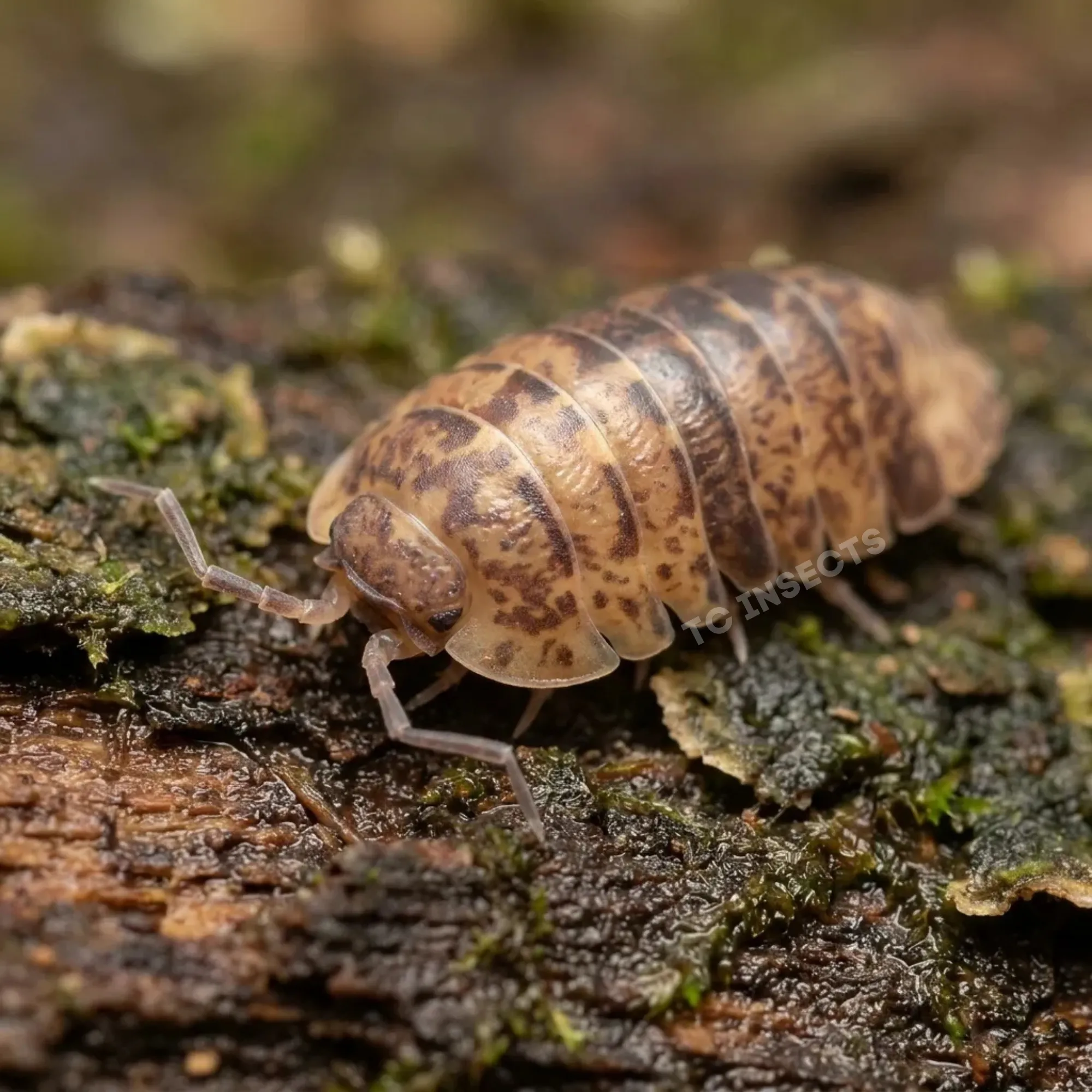
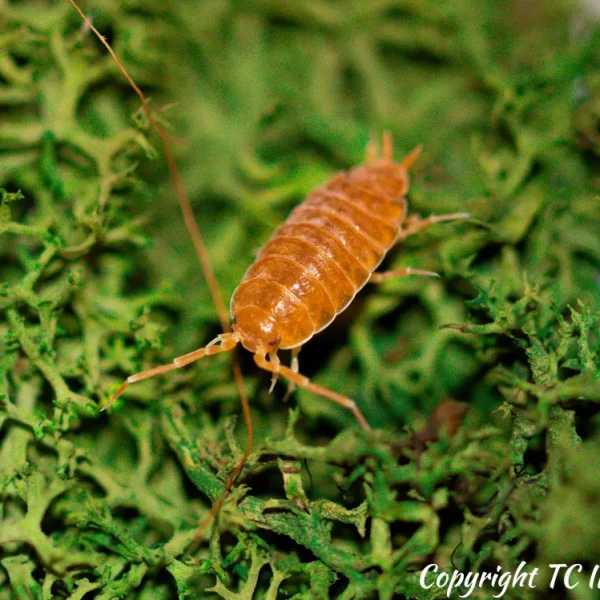
Filippinodillo sp. “Cordova” is a Philippine-genus exotic isopod that sits outside the Cubaris collector lineup in our catalog. The body is larger than catalog Cubaris and carries variable mottled camo-style patterning that no Cubaris pattern matches. As a result, this is the catalog pick for collectors who want to expand beyond Cubaris into a genuinely different genus.
Each starter culture ships as a mixed-age group with naturally variable mottled expression. The “Cordova” name references Cordova on Cebu Island in the Philippines, which is the established hobby-trade convention for this line.
Overview
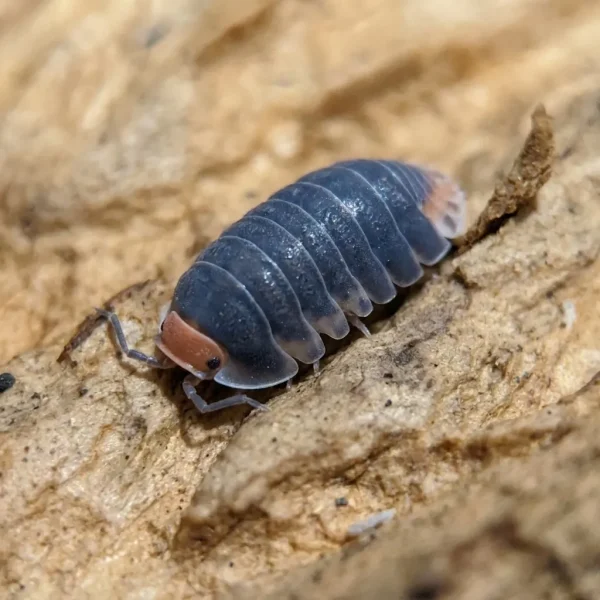
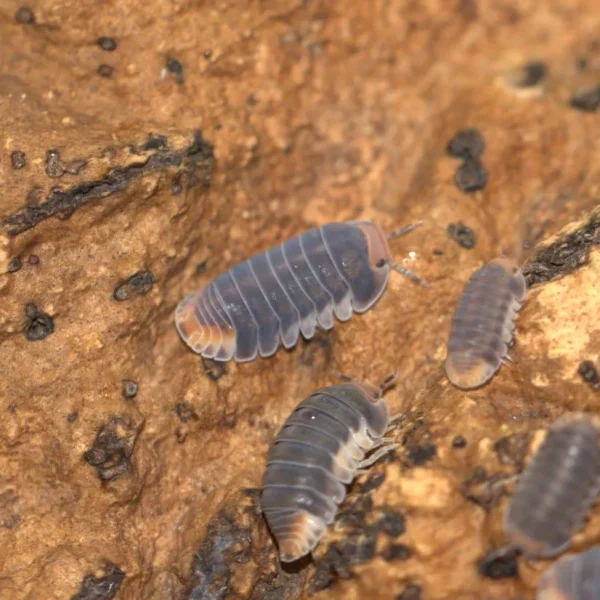
Filippinodillo Cordova carries a rounded armored body with mottled patterning that varies between individuals. Some animals show stronger camo-style markings, while others appear more subtle. The colony reads as a mixed pattern set rather than a uniform palette, which is normal for this genus.
Adults reach up to about 22 mm based on hobby seller reports. As a result, this is one of the larger specialty isopods in our catalog and a different size class from the 8 to 18 mm Cubaris range. The larger body also means individual animals are easier to spot in display setups than smaller Cubaris.
Why Keep Filippinodillo Cordova Isopods?
- Distinct genus: The only Filippinodillo genus product in our specialty isopod lineup.
- Larger display size: Up to about 22 mm adults stand out more than smaller Cubaris in display setups.
- Mottled camo patterning: Variable markings across individuals create a natural mixed-pattern look.
- Philippine origin link: The “Cordova” reference connects to Cordova on Cebu Island.
- Collector value: Adds a less common genus to a multi-isopod specialty lineup.
Honest Note on the “Filippinodillo” Spelling
Both “Filippinodillo” (double-p) and “Filipinodillo” (single-p) appear in the hobby trade as legitimate spellings for the same genus. Our listing uses “Filippinodillo” with the double-p spelling, but buyers searching either form should find the same isopod. The double-p version is more common in formal taxonomic records, while the single-p version sometimes appears in casual hobby listings. Both refer to the same Philippine-associated genus.
Honest Note on the “Cordova” Locality
The “Cordova” name references Cordova on Cebu Island in the Philippines, which is the established hobby-trade convention for this line. However, individual culture line histories are not always fully documented, so the locality should be treated as a hobby trade designation rather than a verified wild collection point for every animal in a given starter group. The genus Filippinodillo itself is documented from multiple Philippine islands and from Australia.
Honest Note on Filippinodillo Cordova vs the Cubaris Lineup
This is the most important comparison to understand before buying. Filippinodillo Cordova is a different genus from Cubaris and is not interchangeable with any catalog Cubaris collector species. Care needs partly overlap (high humidity, leaf litter, calcium), but the visual and size differences are significant. Adult Filippinodillo Cordova reach up to about 22 mm, while catalog Cubaris max out around 18 mm and most stay between 8 and 15 mm. The mottled camo patterning is also unlike any Cubaris pattern in the catalog.
For collectors building beyond Cubaris, Filippinodillo Cordova is the natural step. For buyers who want bold pattern in a smaller body, the catalog Cubaris collector lineup may fit better.
Honest Note on Adult Size and Pattern Variation
Two related expectation points. First, the “up to about 22 mm” adult size is the upper end of hobby reports rather than the average. Most animals in a starter culture will reach the mid-range adult size of around 15 to 20 mm, with occasional individuals approaching the 22 mm upper end. Second, individual pattern expression varies. Some animals show heavy mottled camo markings, while others show lighter or more subtle patterning. A starter culture displays a natural spread, not a matched uniform look.
Honest Note on Species Identification
This isopod is sold as Filippinodillo sp. “Cordova” because the exact species is not formally described. The genus placement is documented from Philippine and Australian records, so genus-level identification is more solid than the typical Cubaris sp. trade product. However, the page focuses on practical captive care rather than wild-locality claims beyond the established Cordova convention.
Care and Setup
Filippinodillo Cordova does best in a warm, humid setup with steady airflow. The subsections below cover the core requirements.
Temperature
Hold the enclosure between 74 and 80°F. This is slightly warmer than many catalog Cubaris ranges. Cold drafts and heat spikes both slow the colony. Avoid heat lamps directly on the bin, sunlit windows, and unheated garage corners.
Humidity
Aim for high humidity with a lightly damp substrate throughout rather than a strong dry retreat zone. However, do not soak the entire enclosure. As a result, the setup target is humid and breathable, not swampy. A mossy retreat on one side provides the deeper moisture access while the rest of the substrate stays lightly damp.
Substrate
Use a deep organic substrate at least 2.5 to 4 inches thick to accommodate the larger body size. Mix in decaying hardwood, leaf litter, and sphagnum. In addition, the substrate depth matters more here than for smaller Cubaris because the larger Filippinodillo Cordova benefits from substrate-burrowing room.
Food
Offer leaf litter and decaying wood as the base diet. Add small portions of TC INSECTS Isopod Food, occasional vegetables like squash or carrot, and light protein. The larger body size means appetite is higher than catalog Cubaris, but feed lightly until you see how fast the colony eats.
Ventilation
Use moderate ventilation. A few small air holes or a partial mesh lid keeps airflow steady without drying the humid substrate too fast. Stagnant air causes mold and sour substrate, which matters more in this humid setup than in the moisture-gradient Cubaris setups.
Calcium
Keep calcium available at all times. A small dish of TC Calcium Ultra Fine or crushed cuttlebone supports healthy molts. The larger body size means calcium demand is higher than smaller catalog Cubaris, so refresh the dish more often as the colony grows.
Bioactive Use
Filippinodillo Cordova can support a humid bioactive enclosure once established. However, the collector-tier price means most keepers maintain this culture as a dedicated display and breeding bin rather than seeding it into a larger enclosure right away. A backup culture protects the investment.
Breeding Notes
Filippinodillo Cordova breeds at a moderate pace once stable. Females carry developing young in a marsupium, and mancae stay under bark and leaf litter for weeks after release. Therefore, deep substrate digs are the fastest way to stall a colony, and the larger body size means breeding adults take longer to reach reproductive maturity than smaller Cubaris.
For steady output, hold humidity stable, keep TC INSECTS Assorted Hardwood Leaf Litter available year-round, and refresh decaying wood as it breaks down. Because this is a specialty collector culture, most keepers start a backup bin as soon as the main colony begins producing juveniles.
Best For
- Specialty isopod collectors building beyond Cubaris into other genera
- Display setups where larger mottled bodies stand out
- Intermediate keepers running stable high-humidity bioactive bins
- Long-term breeding projects on a less common genus
- Collectors building Philippine or Asia-Pacific regional lineups
Not Best For
- New keepers buying their first isopod culture
- Use as a feeder insect
- Dry desert-style enclosures with no high-humidity retreat
- Buyers wanting smaller Cubaris-tier body sizes
- Sealed soggy bins with no airflow
Origin and Locality Notes
The genus Filippinodillo is documented from the Philippines (with records from Cebu, Mindanao, and Palawan) and Australia. The “Cordova” trade name references Cordova on Cebu Island, which is the established hobby-trade convention for this specific line. However, the exact wild collection history of any given culture should not be overstated beyond this regional association.
In captivity, the most useful care guidance is habitat structure: warm temperatures, high humidity with airflow, deep organic substrate, decaying hardwood, leaf litter, and calcium access. This setup style works for Filippinodillo Cordova regardless of how individual culture lines were originally collected.
Receiving and Acclimation
Open the package promptly when it arrives. Some isopods will tuck into moss, paper, or substrate during shipping, so check the packing material carefully before assuming any are missing. Because Filippinodillo Cordova is larger than most catalog Cubaris, individual animals are usually easier to spot, but smaller juveniles still hide effectively in packing material.
Prepare the enclosure ahead of delivery with high humidity, moss, leaf litter, cork bark, and calcium already in place. Place the shipping cup or packing material directly into the prepared bin near the moist side and let the isopods walk out on their own. Feed lightly for the first few days and avoid digging through the culture while it settles.
Recommended Add-Ons
- TC INSECTS Ultra Isopod Habitat Kit for a richer specialty-tier setup that matches Filippinodillo Cordova’s larger body size and humid care needs.
- TC INSECTS Assorted Hardwood Leaf Litter for cover, food, and humidity buffering.
- TC INSECTS Isopod Food for varied nutrition beyond leaf litter alone, useful for the larger appetite of this species.
- TC Calcium Ultra Fine for cleaner molts in the larger-bodied Filippinodillo Cordova.
- Springtails for mold control in the humid Filippinodillo Cordova setup.
Frequently Asked Questions
Is it Filippinodillo or Filipinodillo?
Both spellings appear in the hobby trade as legitimate variants of the same genus name. The double-p “Filippinodillo” is more common in formal taxonomic records, while “Filipinodillo” with one p sometimes appears in casual hobby listings. Buyers searching either form should land on this product because both refer to the same Philippine-associated isopod.
How is Filippinodillo Cordova different from Cubaris?
Filippinodillo and Cubaris are different genera. The visible differences include adult size (Filippinodillo Cordova reaches up to about 22 mm versus catalog Cubaris at 8 to 18 mm), pattern (mottled camo versus the bold contrast, banded, or solid color patterns in our Cubaris lineup), and regional origin (Philippine-Australian for Filippinodillo versus Southeast Asian, Japanese, or US lines for our Cubaris). For collectors building beyond Cubaris, Filippinodillo Cordova is a natural genus-level expansion.
Are Filippinodillo Cordova isopods beginner-friendly?
They sit at intermediate care. The species is not extremely difficult, but the high-humidity setup with airflow is less forgiving than beginner Cubaris like Cubaris murina “Glacier” or Anemone. New keepers should establish a forgiving Cubaris culture first, then move to Filippinodillo Cordova once stable humid husbandry is routine.
What does the “Cordova” name actually mean?
The “Cordova” reference points to Cordova on Cebu Island in the Philippines, which is the established hobby-trade convention for this line. The exact wild collection history of any given culture is not always documented beyond this regional association.
How big do Filippinodillo Cordova actually get?
Hobby reports describe adults reaching up to about 22 mm. However, this is the upper end. Most animals in a starter culture will reach mid-range adult sizes around 15 to 20 mm, with occasional larger individuals approaching the 22 mm upper end. The variability is normal for this genus.
How fast do Filippinodillo Cordova isopods breed?
Reproduction is moderate once stable. Expect a quiet first month while the colony settles, then steadier growth. The larger body size means breeding adults take longer to reach reproductive maturity than smaller Cubaris, so plan for slower colony build-up than catalog Murina morphs.
Learn More About Philippine Isopods and Specialty Terrestrial Isopod Biology
The following non-commercial references give helpful background on Philippine terrestrial invertebrates and specialty isopod biology, which supports the captive-care decisions for a less common genus like Filippinodillo.
-
University of the Philippines Los Baños Museum of Natural History. Philippine national university museum covering native terrestrial invertebrates including isopods, useful reference for keepers building a Philippine-origin specialty isopod collection.
-
University of Kentucky Entomology: Sowbugs and Pillbugs. Cooperative extension reference on terrestrial isopod biology and moisture needs, useful baseline for keepers building a humid isopod husbandry framework for specialty genera.


Reviews
There are no reviews yet.