
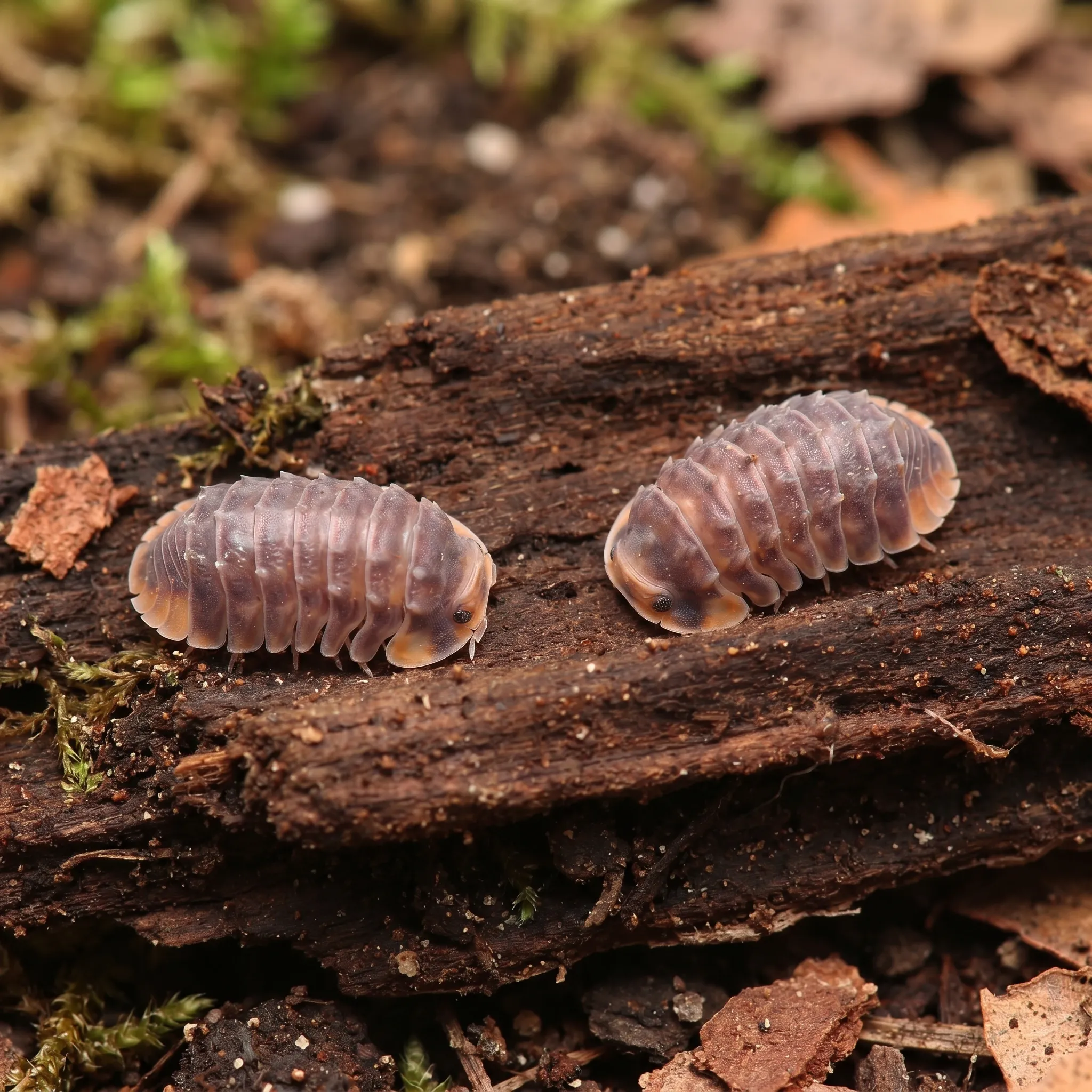
Armadillidae gen. sp. “Shiny Gator” Isopods for Sale
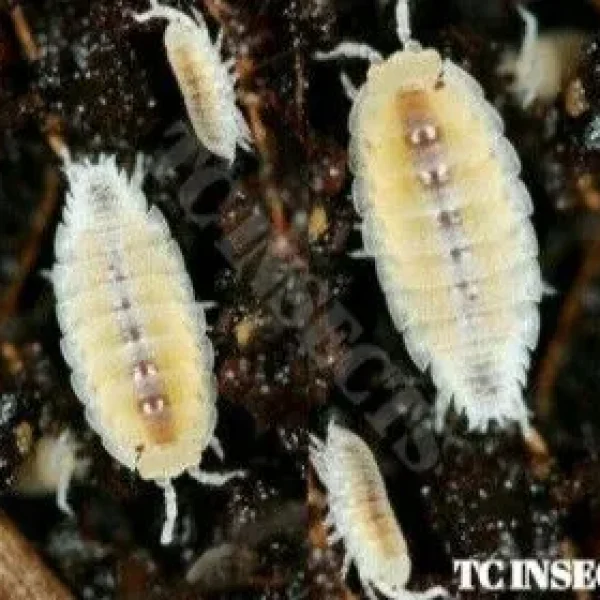
TC INSECTS ships Armadillidae gen. sp. “Shiny Gator” as a live, captive-bred starter culture. This is an extremely rare premium dwarf isopod from Thailand with glossy dark body and raised nub-like spikes resembling alligator scales. As a result, this is the catalog’s first documented family-level-only taxonomic product and first Thai/Southeast Asian isopod.
For the catalog’s sister Armadillidae family species (with genus-level identification), the Cubaris murina “Little Sea” framework applies. For the catalog’s prior dwarf isopod, see our Trichoniscus sp. “Dwarf Purple” page.
Species Overview — Current Formal Designation
The current formal designation for this species is Armadillidae gen. sp. “Shiny Gator.” Specifically, this means the family (Armadillidae) is known but the genus has not yet been determined. Furthermore, documented isopod-phylogenist research notes that the species was previously sold under outdated designations including “Cubaris sp.” and “Isopoda sp.” As a result, this is the catalog’s first documented “genus-uncertain” taxonomic product.
Documented isopod-phylogenist research notes that Thai, Malaysian, and Vietnamese hobby isopods are considerably understudied. Specifically, many species are incorrectly grouped under “Cubaris” and “Merulanella” while likely belonging to other genera. Therefore, the formal taxonomic convention “family gen. sp.” is the most accurate current designation for Shiny Gator. As a result, this is the catalog’s first documented oriental-region isopod taxonomy gap reference.
Family-Level Distinction Within Isopods
The catalog now spans three documented crustacean families:
- Family Armadillidiidae (Brandt, 1833) — all prior catalog Armadillidium products (Wild Type, Magic Potion, Sandstone, Ceska, Eastern Clown, etc.)
- Family Armadillidae — Cubaris products (Murina) plus the family-only-level Shiny Gator (THIS PRODUCT)
- Family Talitridae (Rafinesque, 1815) — Land Shrimp amphipods (NOT isopods)
Specifically, Armadillidiidae and Armadillidae are distinct isopod families. Furthermore, this is the catalog’s first documented family-level taxonomic distinction within isopods. As a result, Shiny Gator deepens the catalog’s family-level taxonomic precision.
Visual Identity
Armadillidae gen. sp. “Shiny Gator” shows a glossy dark body with raised nub-like spikes across the dorsum and dark-tipped antennae. Specifically, the species name “Shiny Gator” describes both the glossy body surface AND the alligator-like raised dorsal spikes resembling alligator scales/scutes. Furthermore, this is the catalog’s first documented hobby nickname referencing reptile fauna. As a result, the visual analogy provides immediate recognition.
The body is compact and rounded with full conglobation defensive behavior. In particular, Shiny Gator is documented as active and unafraid to move freely but will roll up when disturbed. Therefore, this is the catalog’s second documented full conglobator joining A. maculatum. Documented adult size is approximately 6 to 8 mm — small dwarf species.
Honest Notes Buyers Should Know
Catalog’s First Documented “Genus-Uncertain” Taxonomic Product
The core taxonomic precision story. Specifically, the current formal designation is Armadillidae gen. sp. “Shiny Gator” — meaning family (Armadillidae) is known but genus is undetermined. Furthermore, the species was previously sold as “Cubaris sp.” and “Isopoda sp.” but is now formally recognized by isopod phylogenists as Armadillidae gen. sp. As a result, this is the catalog’s first documented “genus-uncertain” taxonomic product and first documented “Cubaris-incorrectly-named” hobby species.
Catalog’s First Documented Family Armadillidae Product at Family-Only Level
A family-level taxonomy note. Specifically, family Armadillidae contains the catalog’s prior Cubaris products (Murina and others) plus this family-only-level Shiny Gator. Furthermore, Armadillidae is a documented isopod family distinct from Armadillidiidae. As a result, this is the catalog’s first documented family Armadillidae product at family-only level.
Catalog’s First Documented Family-Level Taxonomic Distinction Within Isopods
A formal-taxonomy framework note. Specifically, the catalog now distinguishes between family Armadillidiidae (Brandt, 1833 — all Armadillidium products) and family Armadillidae (Cubaris and Shiny Gator). Furthermore, the two families are documented as distinct isopod families despite similar names. As a result, this is the catalog’s first documented family-level taxonomic distinction within isopods.
Catalog’s First Documented Thai/Southeast Asian/Oriental-Region Isopod
A biogeographic-distinction note. Specifically, Shiny Gator is documented as originating from Thailand. Furthermore, this is the catalog’s first documented Thai isopod, first documented Southeast Asian isopod, and first documented oriental-region isopod. As a result, the catalog now spans European (most prior products), North African (A. tunisiense), British (A. depressum), and Southeast Asian (Shiny Gator) isopod biogeography.
Catalog’s First Documented Oriental-Region Isopod Taxonomy Gap Reference
A research-deficit note. Specifically, documented isopod-phylogenist research notes that Thai, Malaysian, and Vietnamese hobby isopods are considerably understudied. Furthermore, the result is widespread incorrect “Cubaris” and “Merulanella” labeling for species likely belonging to other genera. As a result, this is the catalog’s first documented oriental-region isopod taxonomy gap reference.
Catalog’s Second Documented Full Conglobator
A defensive-behavior note. Specifically, Shiny Gator is documented as rolling up when disturbed despite its small dwarf size. Furthermore, this joins the catalog’s prior A. maculatum “fully conglobating” reference. As a result, this is the catalog’s second documented full conglobator — and the first documented full conglobator outside family Armadillidiidae.
Catalog’s First Documented Hobby Nickname Referencing Reptile Fauna
A name-etymology note. Specifically, “Shiny Gator” combines “Shiny” (glossy body surface) with “Gator” (alligator-like raised dorsal nubs/spikes resembling alligator scales). Furthermore, this differs from prior catalog hobby names referencing pattern, color, Latin etymology, slang, place, or texture. As a result, this is the catalog’s first documented hobby nickname referencing reptile fauna.
Catalog’s First Documented “Extremely Rare Premium Dwarf Species” Reference
A market-tier note. Specifically, Shiny Gator is documented across multiple hobby trade references as “EXTREMELY RARE.” Furthermore, this premium dwarf species commands top-tier hobby pricing. As a result, this is the catalog’s first documented “extremely rare premium dwarf species” reference.
Catalog’s Second Documented Dwarf Isopod
A size-category note. Specifically, documented adult size is 6 to 8 mm. Furthermore, this joins the catalog’s prior Trichoniscus “Dwarf Purple” reference in the documented dwarf isopod framework. As a result, this is the catalog’s second documented dwarf isopod.
Display Species, Not Cleanup Crew
A practical-use note. Specifically, Shiny Gator is documented as better suited as a pet/display species rather than for bioactive cleanup crew duty. Furthermore, the small dwarf size and rare premium status mean the species should not be used as a fast cleanup crew. As a result, this is a display and breeding species rather than utility cleanup crew.
Origin and Background
Armadillidae gen. sp. “Shiny Gator” is documented as native to Thailand. Specifically, this places the species within the documented oriental-region isopod biogeographic framework that includes Thailand, Malaysia, and Vietnam. Furthermore, documented research notes that oriental-region isopod taxonomy is considerably understudied with many species awaiting formal genus identification.
The species was previously sold in the hobby trade under outdated designations including “Cubaris sp.” Specifically, this matches documented isopod-phylogenist research noting widespread incorrect “Cubaris” labeling for many Thai hobby species. Therefore, the current correct designation is Armadillidae gen. sp. “Shiny Gator” pending future formal genus-level identification.
Armadillidae gen. sp. Shiny Gator Isopod Care
Setup Framework
Use a small-to-medium ventilated container with organic substrate, hardwood leaf litter, flat bark, decaying wood, sphagnum moss, and limestone rock. Additionally, the documented care notes recommend limestone specifically to improve reproduction. As a result, the colony has both calcium access and preferred microhabitat features.
Substrate depth around 2 to 3 inches works well. Furthermore, cork bark, lotus pods, coconut halves, and bark hides all provide effective shelter. Specifically, multiple hides matter because the small dwarf size makes the species easy to lose track of in a large enclosure.
Temperature and Humidity
Target 70 to 80°F (21-26°C) as a practical range. Specifically, normal room temperature works well. However, avoid heat spikes above 82°F.
Build a moisture gradient. Specifically, target medium-to-medium-high humidity with one moist retreat and drier areas. Furthermore, the documented Thai tropical origin supports moderate-to-high moisture preferences. As a result, the colony self-regulates moisture access between the moist retreat and drier surface areas.
Calcium
Keep calcium available at all times. Cuttlebone, crushed eggshell, oyster shell, and limestone all work well. In particular, the documented care notes specifically mention limestone rock as improving reproduction.
For a steady baseline, sprinkle TC Calcium Ultra Fine across the leaf litter every couple of weeks.
Food
Leaf litter and decaying hardwood form the core diet. Additionally, offer small portions of vegetables such as carrot, squash, sweet potato, zucchini, or pumpkin. Furthermore, occasional protein from dried shrimp, fish flakes, or insect-based foods supports the moderate breeding cycle.
For balanced supplementation, use TC INSECTS Isopod Food a couple of times per week. However, do not overfeed because excess food can foul the small enclosure quickly.
Springtails
Add springtails from day one. Specifically, they consume mold and small organic waste. As a result, your Shiny Gator culture stays cleaner during establishment.
Breeding Notes
Shiny Gator breeds at a moderate pace once established. Specifically, the colony grows steadily under stable conditions with consistent moisture, calcium (especially limestone rock per documented care), food, and minimal disturbance. Furthermore, the documented small dwarf size means juveniles can be easy to miss in the substrate. Therefore, expect cyclical visible colony growth as mature individuals reach size.
Mature females carry developing young in a brood pouch (marsupium). Specifically, mancae emerge as miniature versions of the adults with developing spike texture. As a result, the diagnostic raised nub-like spikes may take molts to fully develop in juveniles.
To preserve the Shiny Gator line, do not co-house with other isopods. Specifically, mixing with Cubaris species (also family Armadillidae) or other Thai species could blur identity. Furthermore, dedicated bins maintain the documented Shiny Gator characteristics across generations.
How Shiny Gator Compares to Related Catalog Species
Shiny Gator sits in the catalog as the first family-only-level taxonomic product and first Thai isopod. For comparison:
- Cubaris murina “Little Sea” — sister family Armadillidae species (genus-level identified); primary cross-link for family Armadillidae framework.
- Trichoniscus sp. “Dwarf Purple” — catalog’s prior dwarf isopod; primary dwarf size cross-link.
- Cubaris sp. “Pak Chong” — another documented Thai hobby isopod under Cubaris designation.
- A. maculatum “Champagne Zebra” — catalog’s first documented full conglobator (family Armadillidiidae contrast).
- A. vulgare “Wild Type” — catalog’s family Armadillidiidae baseline for size and behavior contrast.
Best For
- Rare isopod collectors seeking premium Thai dwarf species
- Students of formal isopod phylogeny and the catalog’s first “genus-uncertain” taxonomic product
- Breeders of premium dwarf Armadillidae species
- Intermediate keepers wanting a fully-conglobating Armadillidae representative
- Educational displays of the documented Armadillidiidae vs Armadillidae family distinction
Not Best For
- Heavy-duty bioactive cleanup crew duty (display species, not utility)
- Direct placement into large reptile/amphibian enclosures (small dwarf size, easily lost)
- Co-housing with Cubaris species or other Thai isopods (identity confusion)
- Feeder use (rare premium species, not feeder-tier)
- Buyers expecting confirmed genus-level scientific name (current designation is family-only)
Receiving and Acclimation
Bring the package indoors as soon as it arrives. Then, open the cup in a calm, well-lit area. Shiny Gator isopods are small and fully conglobate when stressed — expect to see tiny balled animals at first.
Transfer the isopods, moss, and safe shipping debris into a prepared enclosure. Furthermore, the enclosure should already include organic substrate, leaf litter, flat bark, calcium (limestone rock especially), and a moist moss retreat.
First Week Priorities
For the first week, focus on stability over feeding. Specifically, verify the moisture gradient holds and check carefully because the small size makes the colony easy to miss. As a result, the colony settles into the medium-humidity profile.
Expect minimal early surface activity. Specifically, the small dwarf size combined with shipping stress means the colony may take days to become visible. Therefore, do not dig through the substrate looking for them — patience yields better outcomes than disturbance.
Recommended Add-Ons
- TC Calcium Ultra Fine — supports documented limestone-improved reproduction.
- TC INSECTS Assorted Hardwood Leaf Litter — primary food source and cover for this Thai species.
- TC INSECTS Isopod Food — balanced supplement for steady colony growth.
- TC INSECTS Ultra Isopod Habitat Kit — premium setup matched to rare premium species.
- Live Springtails — mold control in the small culture.
Frequently Asked Questions
Why is the scientific name “Armadillidae gen. sp.” instead of a full binomial?
Because the genus has not yet been determined. Specifically, “Armadillidae gen. sp.” means the family (Armadillidae) is known but the genus is undetermined. Furthermore, documented isopod-phylogenist research notes that many oriental-region hobby isopods are awaiting formal genus identification. As a result, this is the catalog’s first documented “genus-uncertain” taxonomic product.
Are these Cubaris?
No — current formal designation places them at family level only. Specifically, Shiny Gator was previously sold as “Cubaris sp.” but documented isopod-phylogenist research has reclassified them at family level (Armadillidae) only. Furthermore, “Cubaris” is documented as widely-but-incorrectly used for many Thai hobby isopods. As a result, the current formal designation is Armadillidae gen. sp. “Shiny Gator.”
Where does Shiny Gator come from?
Thailand. Specifically, the species is documented as originating from Thailand in the oriental-region biogeographic framework. Furthermore, this is the catalog’s first documented Thai isopod, first documented Southeast Asian isopod, and first documented oriental-region isopod. As a result, the species adds Southeast Asian biogeography to the catalog.
Why is the hobby name “Shiny Gator”?
References the glossy body and alligator-like raised dorsal nubs. Specifically, “Shiny” describes the glossy body surface and “Gator” references the raised nub-like spikes resembling alligator scales/scutes. Furthermore, this is the catalog’s first documented hobby nickname referencing reptile fauna. As a result, the visual analogy provides immediate recognition.
How big do they get?
About 6 to 8 mm documented. Specifically, formal hobby trade documentation lists adult size at approximately 6 to 8 mm. Furthermore, this makes Shiny Gator the catalog’s second documented dwarf isopod after Trichoniscus “Dwarf Purple.” As a result, the species is positioned as a dwarf-tier premium isopod.
Do they roll into a ball?
Yes — fully. Specifically, Shiny Gator is documented as rolling up when disturbed despite the small dwarf size. Furthermore, this is the catalog’s second documented full conglobator joining A. maculatum. As a result, defensive behavior matches the catalog’s prior full-conglobator framework.
How is Armadillidae different from Armadillidium?
Different families despite similar names. Specifically, family Armadillidiidae (Brandt, 1833) contains genus Armadillidium and all the catalog’s prior A. products. Furthermore, family Armadillidae is a separate isopod family containing genus Cubaris and the family-only-level Shiny Gator. As a result, this is the catalog’s first documented family-level taxonomic distinction within isopods.
Learn More
-
Armadillidae — describes the documented isopod family containing genus Cubaris and the family-only-level Shiny Gator, distinct from the catalog’s prior family Armadillidiidae (Brandt, 1833). Useful framing for understanding the catalog’s first documented family-level taxonomic distinction within isopods and the catalog’s first documented family Armadillidae product at family-only level.
-
GBIF: Isopoda — the global biodiversity database entry for the formal isopod order Isopoda, useful framing for understanding the broader scientific order containing both family Armadillidiidae (the catalog’s Armadillidium products) and family Armadillidae (the catalog’s Cubaris products and this family-only-level Shiny Gator). Provides context for the catalog’s documented family-level taxonomic precision.
-
Thailand — describes the Southeast Asian country that is the documented native range of Armadillidae gen. sp. “Shiny Gator.” Useful framing for understanding the catalog’s first documented Thai/Southeast Asian/oriental-region isopod and the documented oriental-region isopod taxonomy gap that places many hobby species (including Shiny Gator) at family level only pending formal genus identification.


Reviews
There are no reviews yet.