
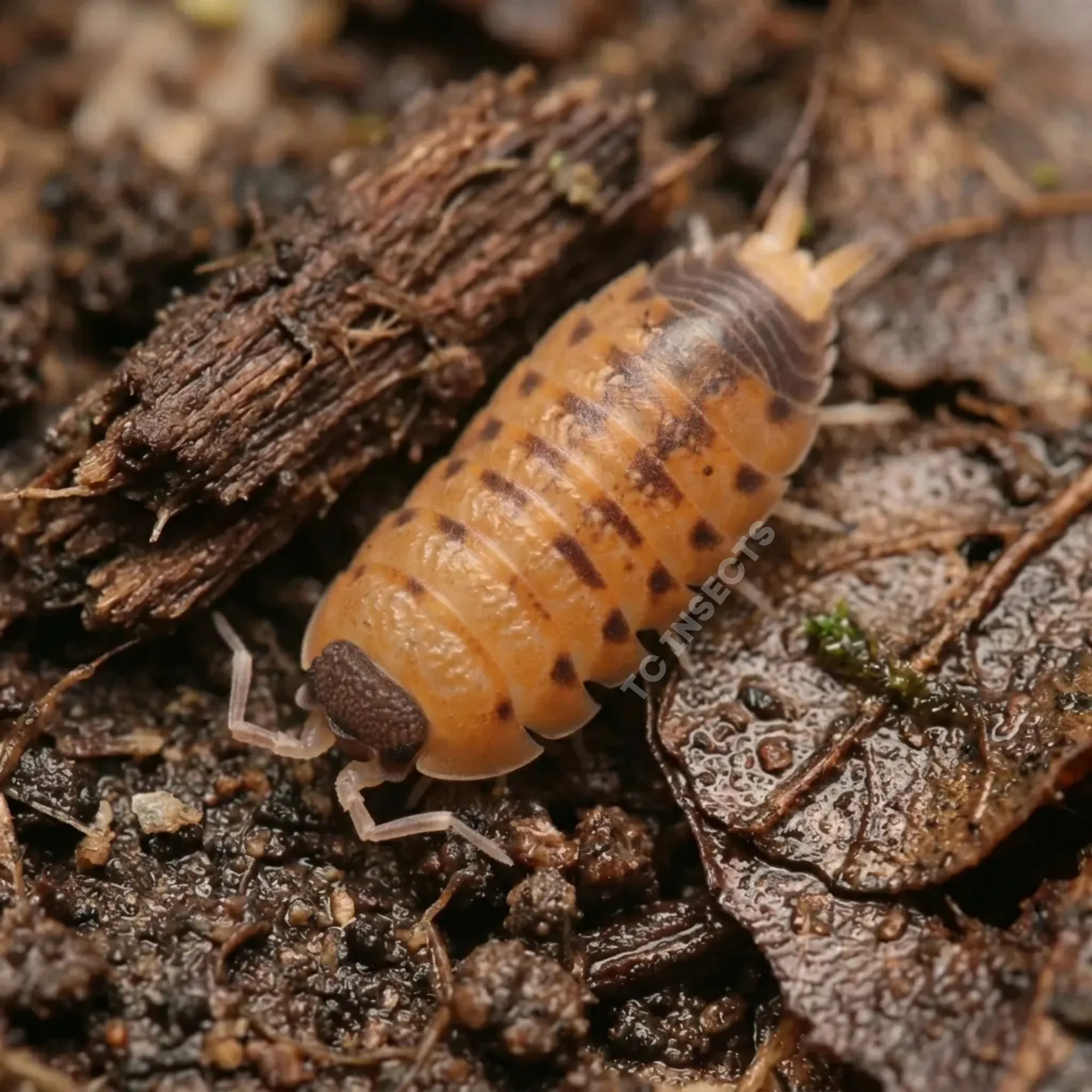
Proporcellio vulcanius Isopods for Sale
Proporcellio vulcanius is a larger-bodied dark species within a genus that tends to favor warmer, drier conditions than most humid Cuban or Neotropical hobby isopods. Adults are visibly larger than common cleanup crew species, and the dorsal surface carries a dark, sometimes glossy look that gives the species its “vulcanius” name. The species is described and identifiable to species level, which is meaningful for collectors who specifically want a confirmed scientific identification rather than a hobby trade name only.
Overview
This is one of the more established Proporcellio species in the advanced hobby. It is substrate-active and visually present, especially in warm setups with good ventilation and a small reliable moist zone. As a result, it fits keepers who already understand dry-leaning isopod care and want a larger, darker option for either a dedicated culture tub or a warm, drier bioactive display.
Care leans noticeably drier and warmer than humid Cuban species like Cuban Spiky or humid Neotropical lines such as Venezillo. Accordingly, this is not a drop-in substitute for those cultures, and trying to keep it under heavy humidity often causes problems with ventilation and substrate condition.
Why Keep Proporcellio vulcanius?
- Confirmed species-level ID. Sold as a described species rather than a genus-only trade name, which matters for collectors building a documented lineup.
- Large adult body size. Adults read clearly on substrate and leaf litter, which suits keepers who want a visually present isopod.
- Dark, glossy appearance. The dark dorsal surface gives the species a distinct look compared to lighter Porcellio or Porcellionides lines.
- Dry-leaning fit. Works well in warm, well-ventilated bioactive setups where humid species would struggle.
- Genus lineup value. Useful for collectors building a focused Proporcellio collection alongside other species in the genus.
Honest Note on Ventilation and Dry-Leaning Care
The most common mismatch with this species is care framing. Many keepers come in expecting humid Cuban or Neotropical isopod conditions, but Proporcellio vulcanius generally does better with warmer temperatures, drier average substrate, strong cross ventilation, and only a small reliable moist zone for molting and reproduction. Stagnant air and a heavily moist substrate across the entire enclosure often cause poor results in this genus. As a result, ventilation matters as much here as substrate composition. Keepers used to closed-style humid setups should plan on a different enclosure approach before introducing this species.
Care and Setup
Care follows standard dry-leaning Proporcellio practice: warm, well-ventilated, with a moisture gradient that leaves most of the enclosure drier and one corner reliably moist.
Temperature
Aim for roughly 72 to 80 F. Warmer room temperatures generally support steadier activity and breeding. Avoid cool, damp conditions, since this species responds better to warmth than to coolness.
Humidity
Keep the average humidity lower than for humid Cuban or Neotropical species. One corner of the enclosure should stay reliably moist for molting and reproduction, while the rest of the substrate should be allowed to dry between mistings. Cross ventilation matters here.
Substrate
Use a coco fiber and topsoil base mixed with crushed leaf litter and a small amount of decaying hardwood, leaning slightly toward drier conditions on most of the substrate surface. Additionally, a light sprinkle of crushed limestone or cuttlebone supports cuticle development for the larger adults.
Food
Feed leaf litter, decaying wood, and protein and calcium top-ups. TC INSECTS Isopod Food works well as a base supplement, and TC Calcium Ultra Fine can be dusted lightly across feeding spots to help support molting in larger individuals.
Ventilation
Use strong cross ventilation. This is one of the most important factors for Proporcellio success. Mostly sealed humid-style tubs often cause problems. Vented lids, side vents, or modified enclosures with screened panels generally produce stronger results.
Bioactive Use
This species works well in warm, drier bioactive setups for reptiles that prefer those conditions, as long as a reliable moist zone is available. It is not the right pick for heavily humid Caribbean or Neotropical display tanks.
Breeding Notes
Breeding picks up once the colony settles into a setup with consistent warmth, strong ventilation, a reliable small moist zone, and steady calcium support. Mancae are typically found around the moist corner and under bark. Generally, large adults need a steady calcium source to molt cleanly, so calcium and protein top-ups matter more here than in smaller-bodied species.
Best For
- Intermediate isopod keepers comfortable with dry-leaning care.
- Collectors building a Proporcellio genus lineup.
- Warm bioactive setups with strong ventilation and a small moist zone.
- Dedicated culture tubs run for grow-out and trade.
- Keepers who want a larger, darker isopod option beyond standard Porcellio and Porcellionides species.
Not Best For
- Heavily humid Cuban or Neotropical-style enclosures held at high humidity throughout.
- Cool conditions held consistently below standard warm room temperature.
- First-time isopod keepers without experience managing ventilation and moisture gradients.
- Mostly sealed, low-ventilation tubs typical of humid Cuban species setups.
- Mixed tubs with much faster-breeding dwarf species that would outcompete the colony at feeding stations.
Origin and Locality Notes
Proporcellio vulcanius is generally associated with Mediterranean and North African regions in the hobby trade and broader reference. However, the exact wild locality for any given hobby line is not always documented per shipment. As a result, this page focuses on practical captive care for a warm, dry-leaning Proporcellio species rather than claiming a strict locality form. The species itself is described and identifiable to species level, which is separate from any specific wild-locality claim.
Receiving and Acclimation
Cultures ship in a moisture-stable container with substrate, leaf litter, and protein. On arrival, open the container in a dim, draft-free area and transfer the contents into a prepared tub with the correct ventilation profile already in place. Mist only one corner rather than soaking the whole substrate. Then leave the colony undisturbed for several days while it settles. Additionally, do not over-correct by raising humidity broadly, since this species generally adjusts better to a proper dry-leaning gradient than to a heavily moist environment.
Recommended Add-Ons
- TC INSECTS Isopod Food for steady protein and supplement coverage.
- TC INSECTS Assorted Hardwood Leaf Litter for cover, food, and surface activity.
- TC INSECTS Isopod Habitat Kit for a balanced substrate base suited to dry-leaning cultures.
- TC Calcium Ultra Fine for cuticle and molting support in larger adults.
- Springtails to handle mold and small organic debris in the moist zone of the enclosure.
Frequently Asked Questions
How big do Proporcellio vulcanius get?
Adults are notably larger than most common cleanup crew isopods. Exact captive sizes vary by individual and conditions, but the size jump is clear enough that the adults read prominently on substrate and leaf litter once they reach maturity.
Should I keep them humid or dry?
Dry-leaning. Most of the enclosure should be allowed to dry between mistings, with one reliable moist corner for molting and reproduction. Strong cross ventilation is important. Keeping this species under heavy humidity, like a humid Cuban setup, generally causes problems with substrate condition and colony health.
How does Proporcellio vulcanius compare to other Proporcellio species?
The genus generally favors warmer, drier care, but adult size and color expression vary across species. Proporcellio vulcanius stands out for its larger body size and dark dorsal surface. Collectors often keep multiple Proporcellio species in separate culture tubs to track the differences across the genus.
Is this species beginner-friendly?
It is usually treated as an intermediate species. The care itself is not complicated, but it requires a different setup approach than humid Cuban or Neotropical isopods. First-time isopod keepers without experience managing ventilation and moisture gradients often do better starting with a more forgiving humid species and adding Proporcellio later.
Can I use them as a cleanup crew in a reptile enclosure?
They can work as a cleanup crew in warm, dry-leaning bioactive setups where the enclosure conditions actually match their preferences. However, they do not replace proper enclosure maintenance, and they are not suited to heavily humid display tanks. For broader cleanup coverage, pairing with springtails in the moist zone of the enclosure can help with mold and small debris.
How fast will the colony grow?
Growth is generally moderate. The first few weeks are usually quiet while the colony adjusts. After that, steady increases are typical when temperature, ventilation, the moist zone, and calcium support stay consistent.
Learn More About Proporcellio and Mediterranean Isopod Care
These references give helpful background for keepers researching dry-leaning isopod biology and care beyond a single product page.
- World Register of Marine Species: Isopoda taxonomy resources. Useful for checking current accepted scientific names and genus placement when researching Proporcellio and related Mediterranean isopods.
- British Myriapod and Isopod Group: Isopod biology and identification resources. A non-commercial reference for general isopod biology, molting, and life history, useful for understanding larger-bodied terrestrial isopod species in captivity.
- iNaturalist: Proporcellio observations and species pages. Lets keepers view field photos and observations of Proporcellio species, which helps with appearance variation and habitat context.
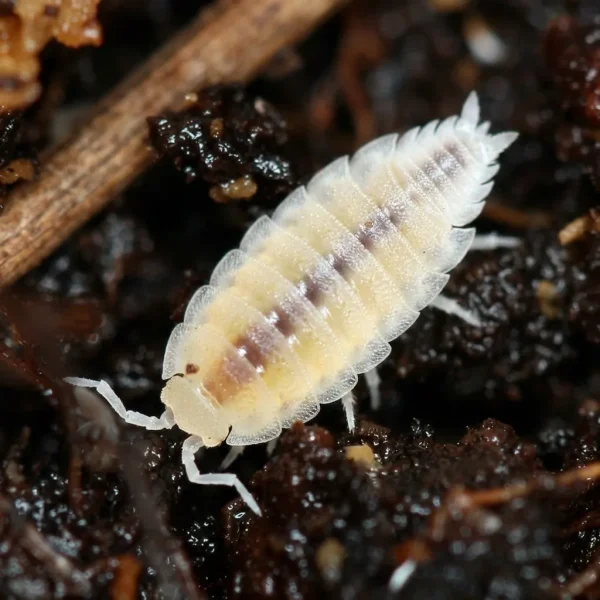
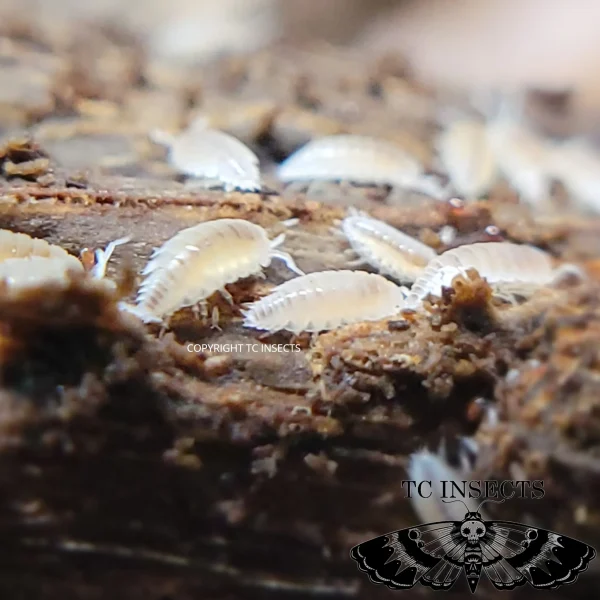

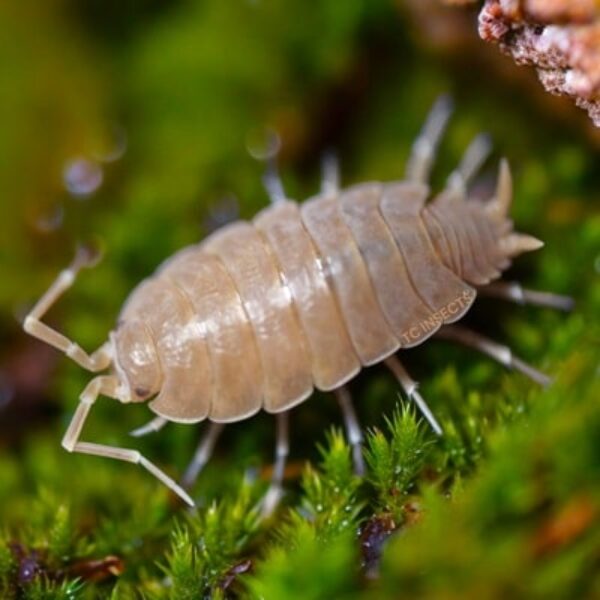

Reviews
There are no reviews yet.