

Animal Hub
The Complete Veiled Chameleon Hub: Care, Feeding and Health Guide
Updated September 2026 · By the TC INSECTS keeper team
The veiled chameleon (Chamaeleo calyptratus) is the most demanding animal in our library and honestly not the best first reptile, so this page gathers everything you need to raise one well. Start with the care sheet for the screen cage, dripper and UVB numbers that decide whether a chameleon thrives, then build a weekly feeder rotation so no single insect gets fed forever. The health section covers the arboreal cleanup crew and the eye and color signs that separate normal stress from a same-day emergency.
Adult sizeMales to 24 inches
Lifespan5 to 8 years
DifficultyAdvanced
Habitatarboreal
Basking spot85 to 95 F at the branch
Humidity50 percent, spiking with misting
UVBRequired
Adult feeding8 to 12 insects, every other day
Start Here
New to chameleons? Read these in order.
1Read the full care sheet firstScreen cage, dripper and real UVB numbers before this advanced species arrives.2Build a weekly feeder rotationDubia and BSFL carry the week; hornworms stay capped as a hydration treat.3Set up the right cleanup crewAn arboreal enclosure needs a crew that catches what falls, not one underfoot.4Learn the eye and stress signsSunken eyes mean dehydration and need same-day action; dark color alone can wait.5Feed by ageJuveniles eat daily; adults shift to every other day.
Feeding
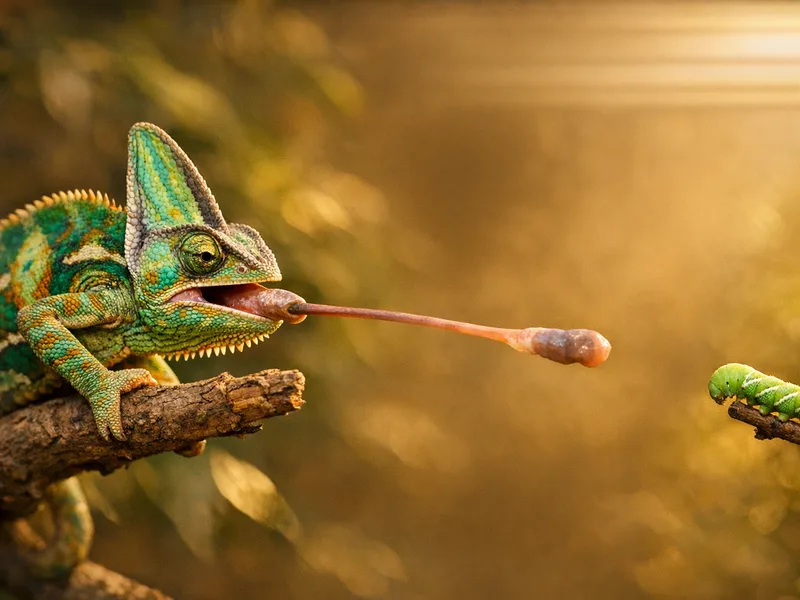 Build a Weekly Feeder RotationDubia and BSFL carry the week; hornworms stay capped as a hydration treat.Read the guide →
 Feeding Schedule by AgeJuveniles eat daily, adults every other day, built around a varied rotation.Read the guide →
 Best Feeder Insects, RankedDubia, silkworms, BSFL and hornworms compared for gut-loading and variety.Read the guide →
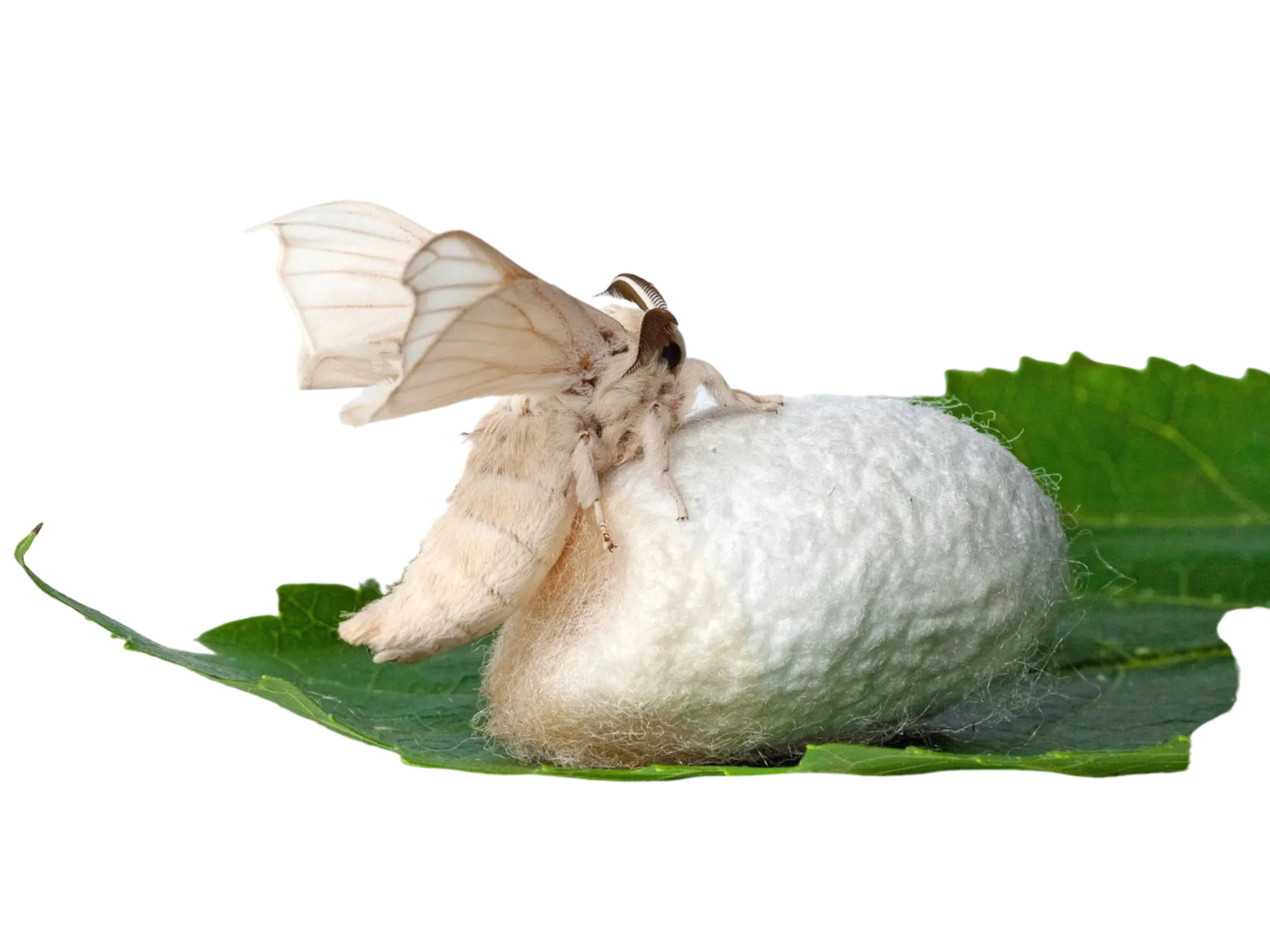 Silkworm Care SheetKeeping silkworms alive on mulberry or chow until feeding day.Read the guide →
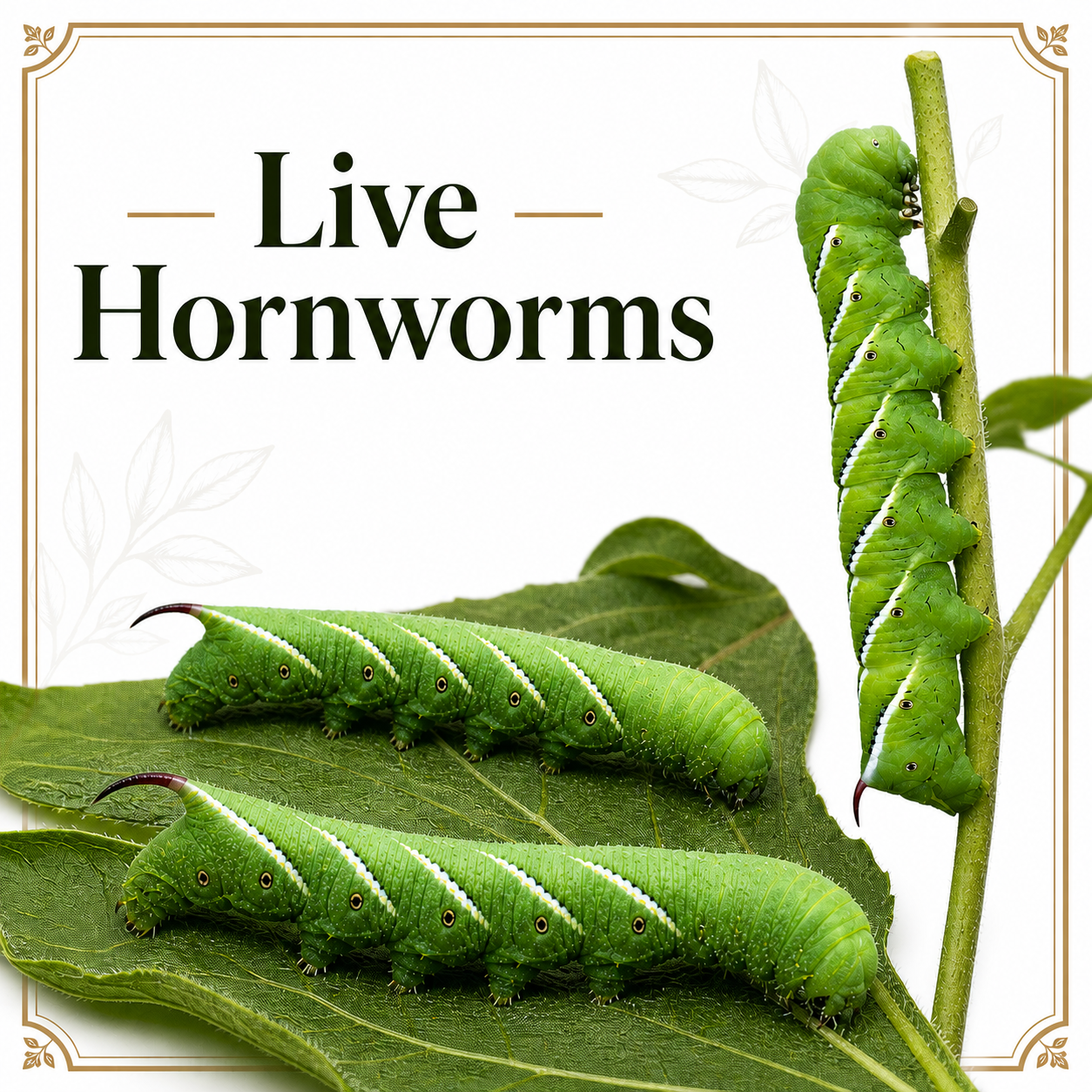 Hornworm Care SheetFeeding and storing hornworms, the hydrating treat in the rotation.Read the guide →
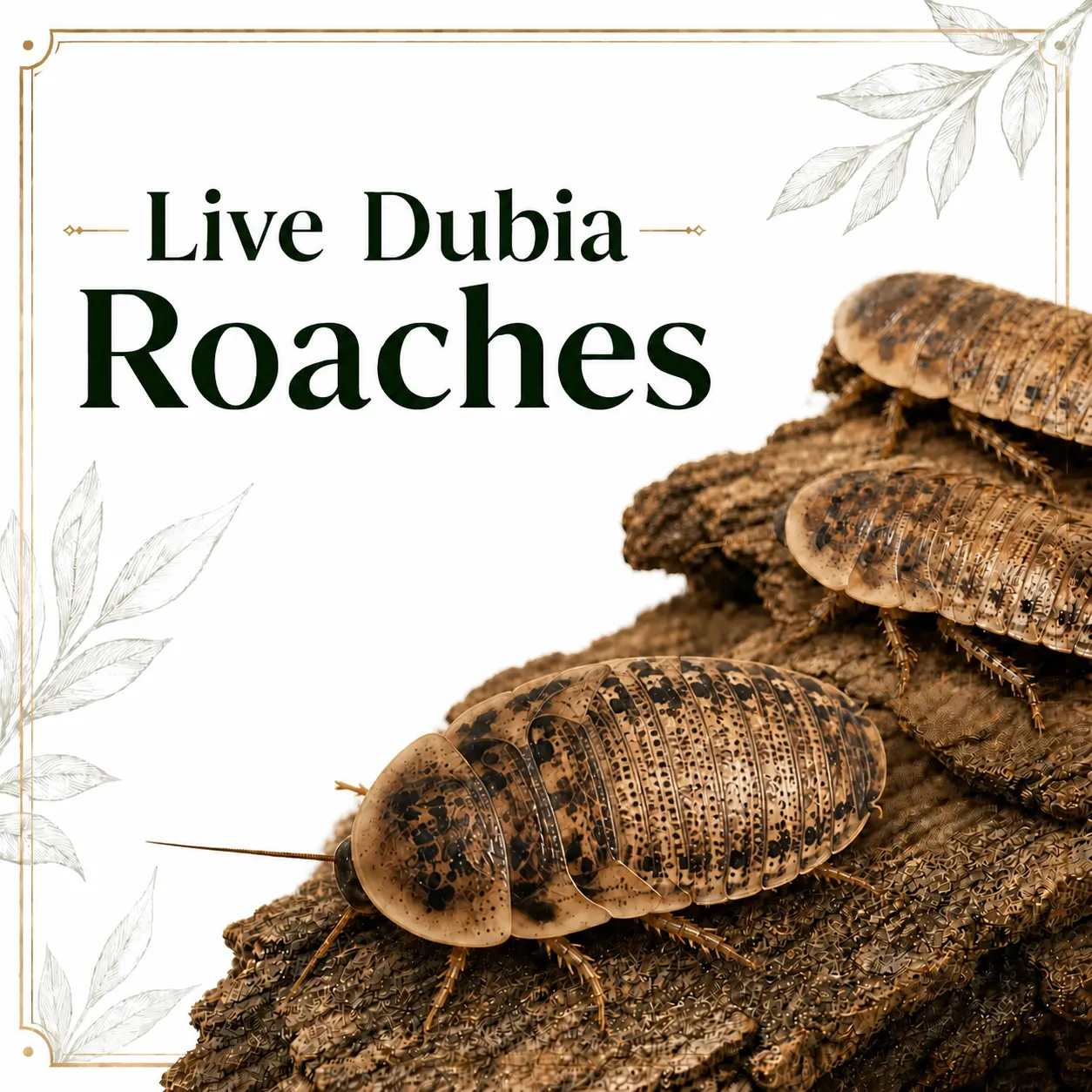 Dubia Roach Care SheetHow to keep the rotation's everyday staple alive between feedings.Read the guide →
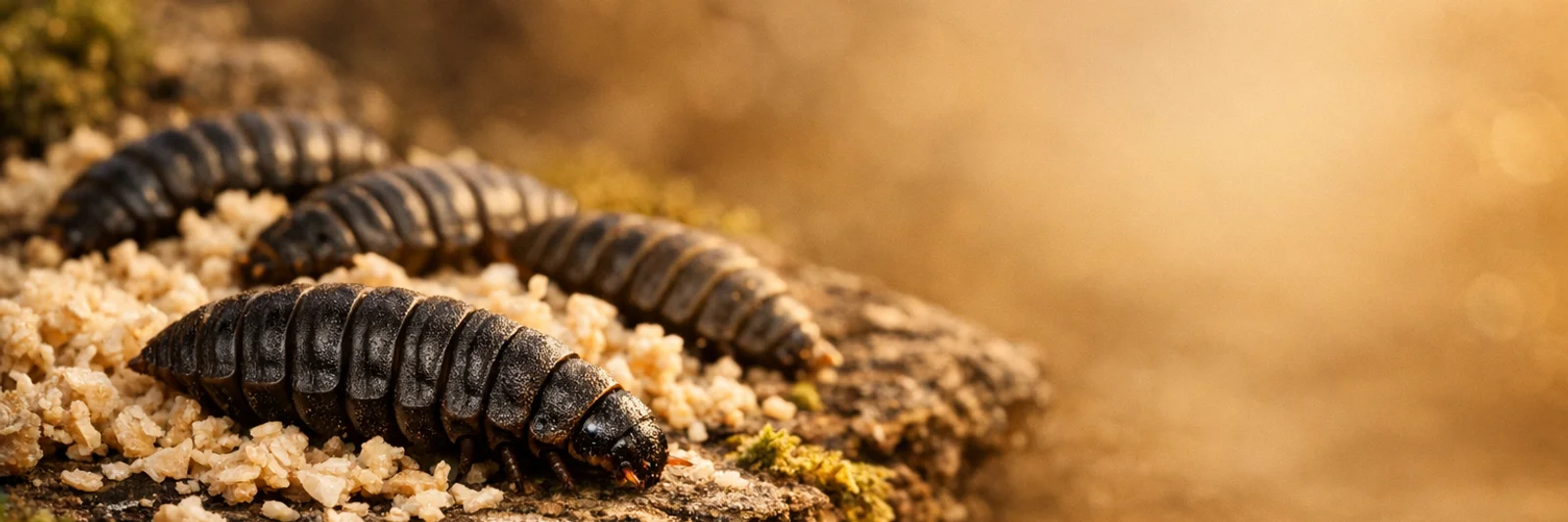 Black Soldier Fly Larvae Care SheetStoring BSFL, the calcium-rich staple that pairs with dubia.Read the guide →
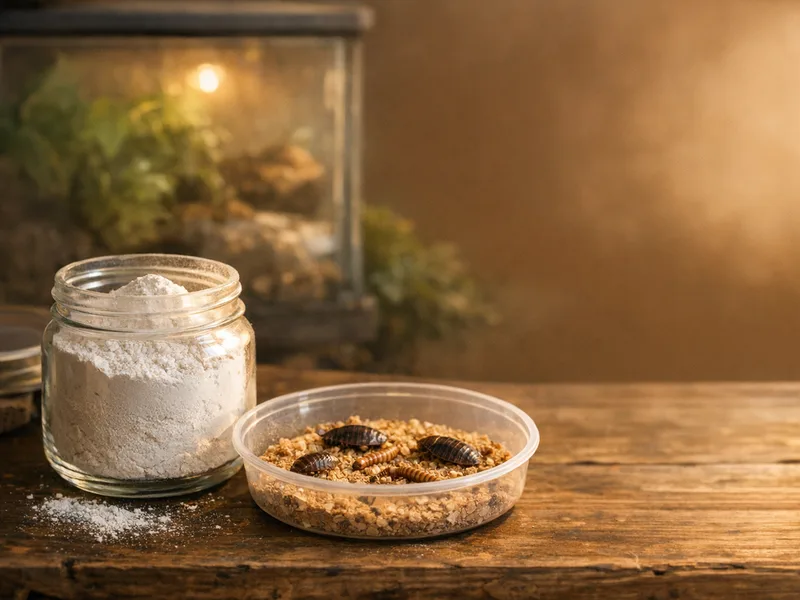 Calcium Dusting Schedule by SpeciesHow often each feeder in the rotation needs calcium and multivitamin.Read the guide →
 How to Gut-Load Feeder InsectsThe foods that make a rotation's nutrition actually reach a chameleon.Read the guide →
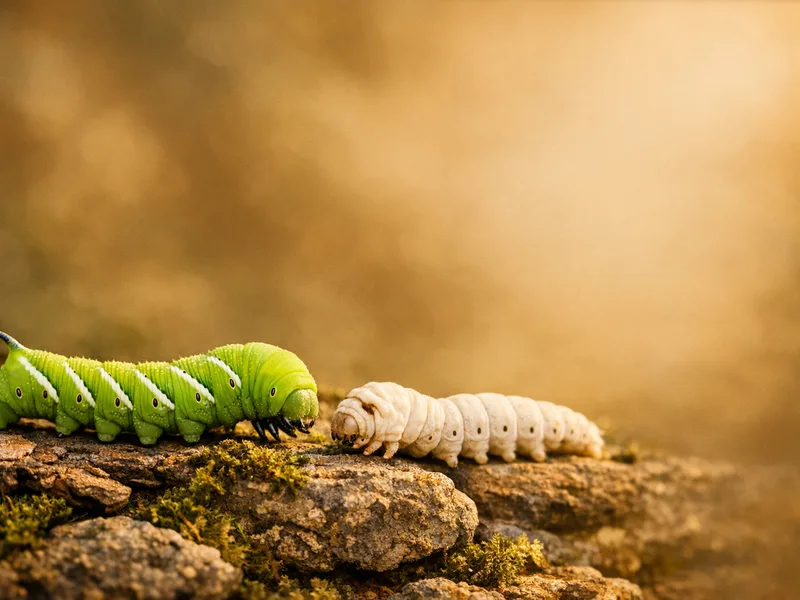 Hornworms vs SilkwormsHydrating treat versus lean staple, and how each fits the weekly rotation.Read the guide →
 Feeding Your Chameleon While You TravelCovering a rotation feeder while away for a weekend or longer.Read the guide →
Bioactive and cleanup crew
 Do Chameleons Need a Cleanup Crew?Isopods and springtails for an arboreal setup that catches what falls.Read the guide →
 Set Up a Bioactive Terrarium, Step by StepThe build order for a planted, humid floor a chameleon rarely touches.Read the guide →
 Best Plants for a Bioactive TerrariumSturdy climbing plants for a screen cage's live planted floor.Read the guide →
 How Long Before Bioactive Is ReadyWhy the crew and plants need weeks to settle before move-in day.Read the guide →
Buying, laws and sourcing
 Captive Bred vs Wild CaughtWhy a captive bred chameleon is the healthier, easier starting point.Read the guide →
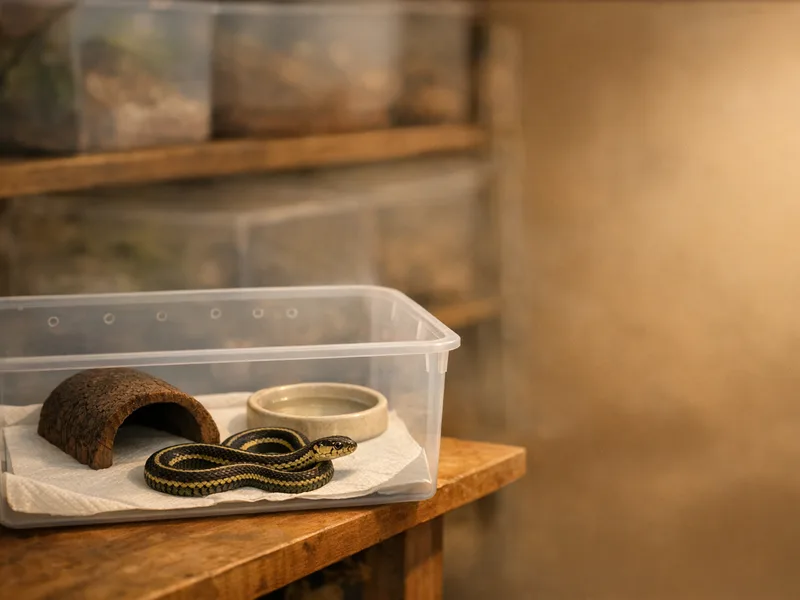 Quarantine a Wild-Caught ReptileSteps to isolate and check a wild-sourced chameleon before it settles in.Read the guide →
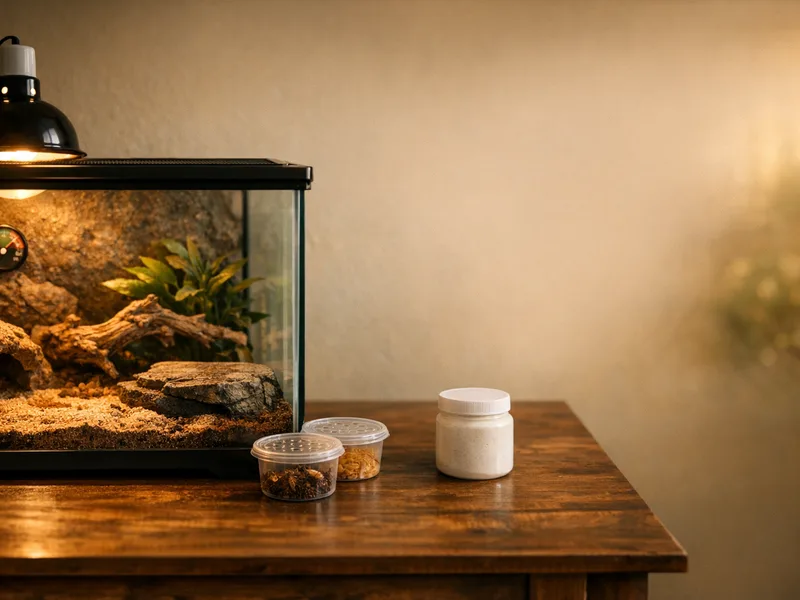 What to Order the First Week HomeThe dripper, feeders and supplies worth having ready before move-in.Read the guide →
Build Your Kit
The Chameleon Feeder Kit
◆
The feeders we would stock for a chameleon. Untick anything you already have.
Your kit: 0 items · $0.00
Live Arrival Guarantee ◆ Bred On Our Texas Farm
