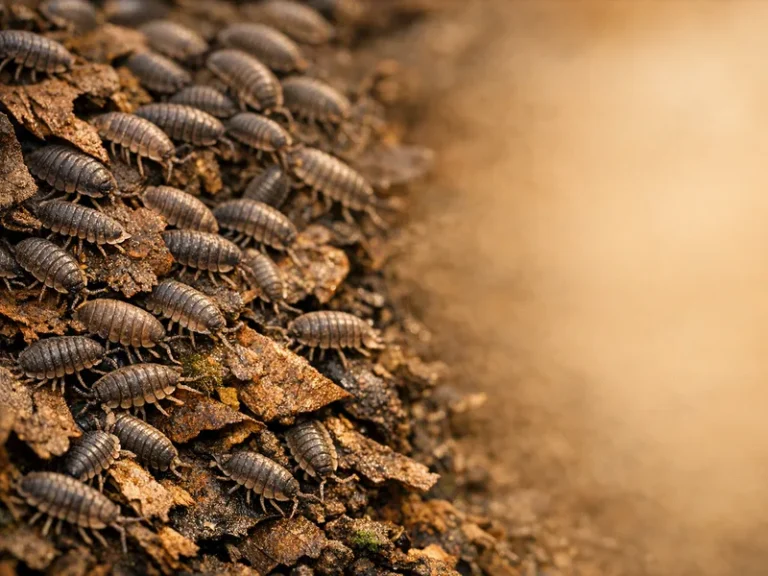
High protein and water, but a treat, not the staple
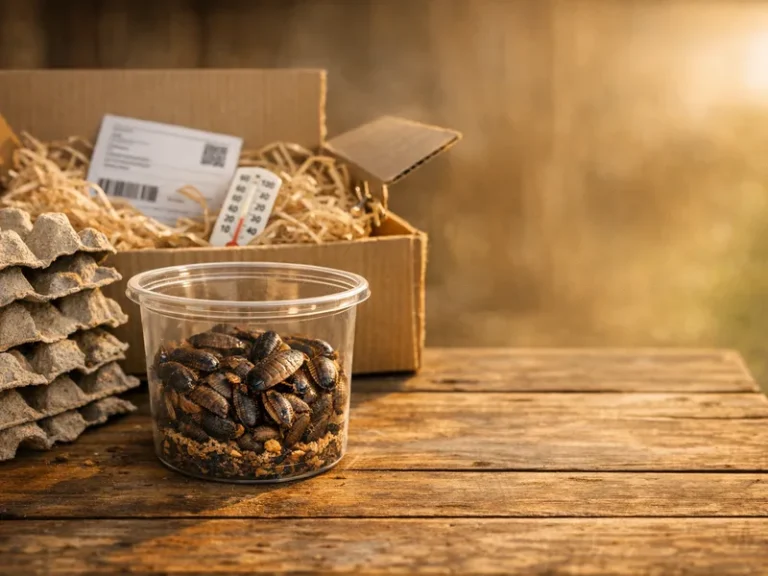
Rotated through the rest of the week
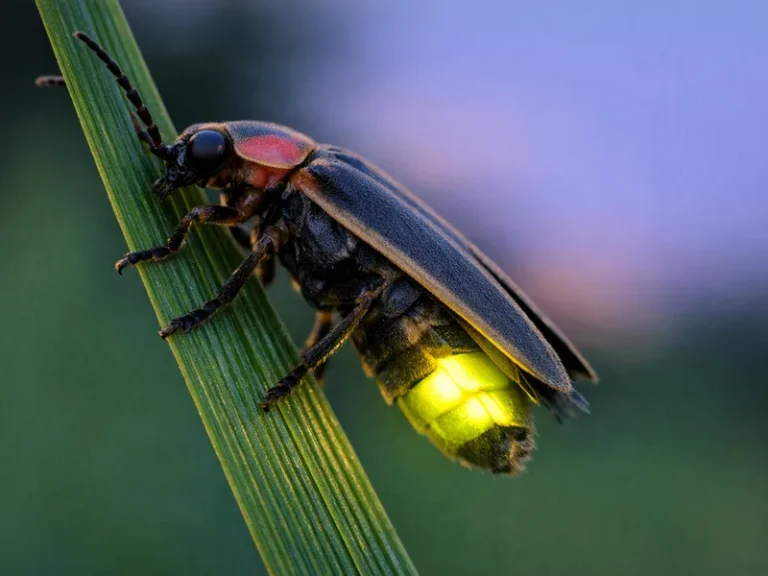
A single repeated feeder gets refused over time
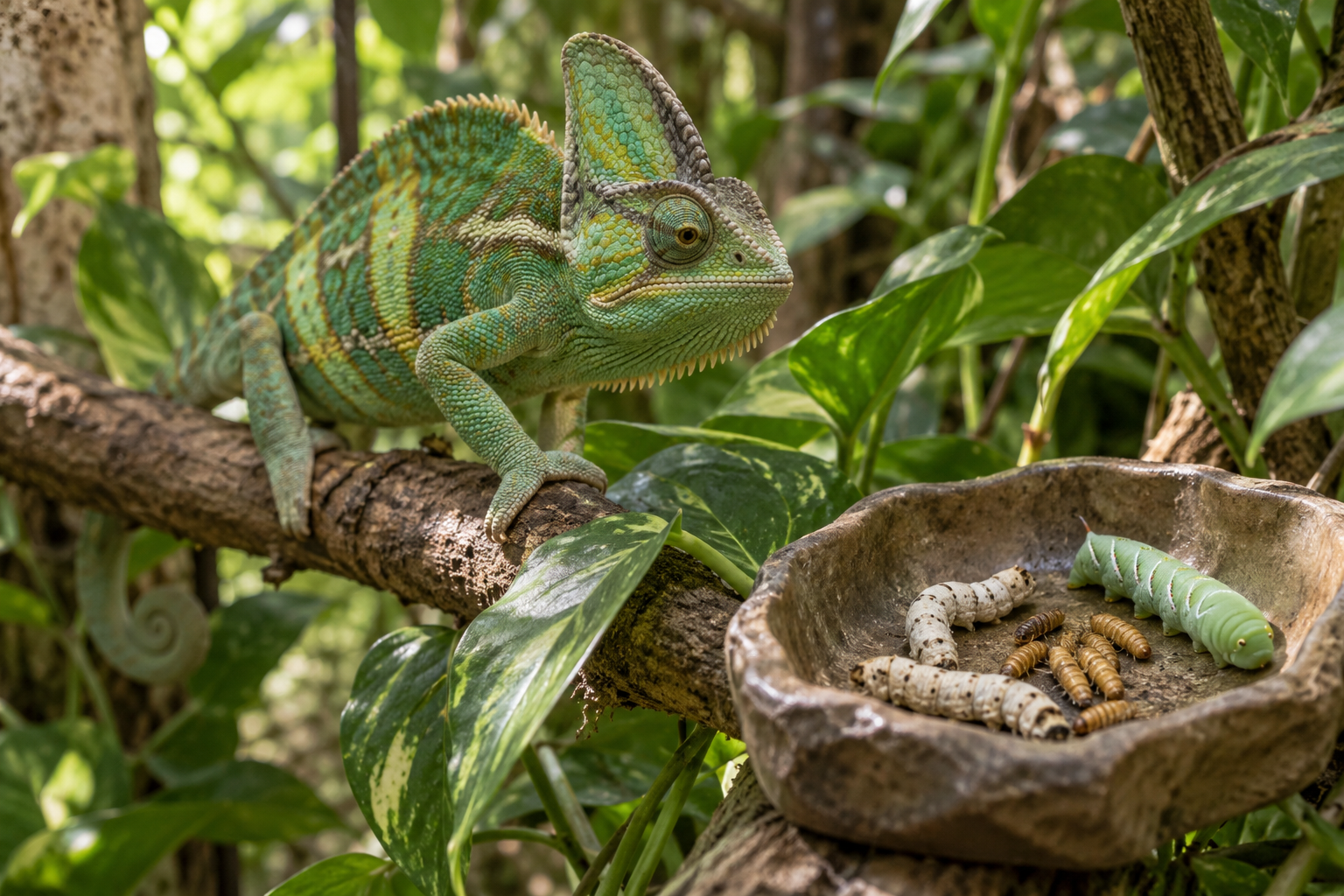
Chameleons do best on a genuine weekly rotation, not one staple fed forever: lean on dubia roaches, silkworms, and superworms for most of the week, and save hornworms for 1 to 2 hydration-focused feedings. Hornworms earn their spot because they are packed with protein and water and carry no hard shell, which matters for a species that dehydrates easily and rarely drinks from standing water, but they are a treat slot, not an everyday meal. Variety matters here beyond nutrition too, since chameleons are well known among keepers for getting bored of and refusing a single repeated feeder. Below is a practical weekly schedule built around TC's own non-cricket lineup.
Why a rotation, not a single staple
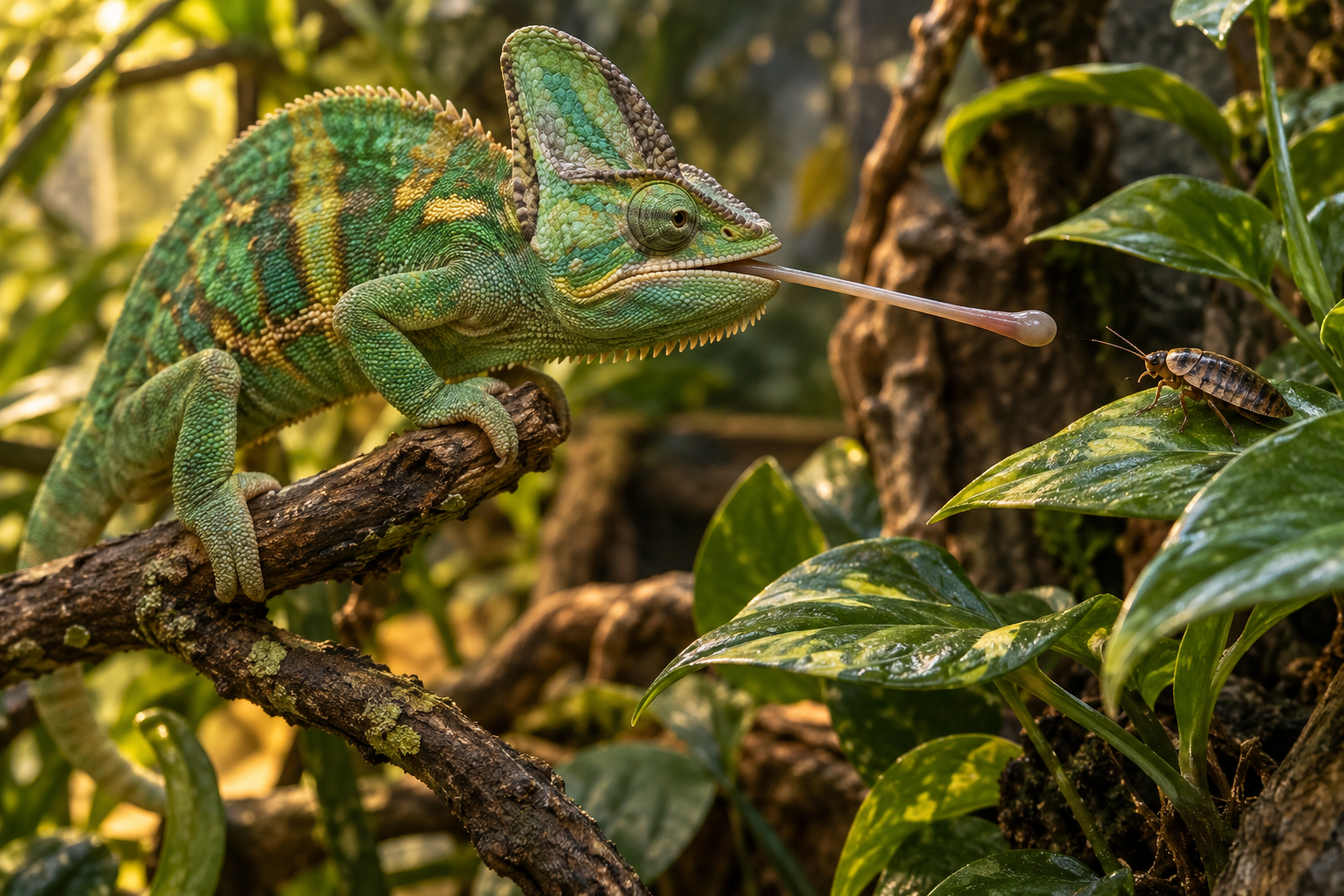
Chameleons are visual hunters that key in on movement, size, and, over time, novelty. Feed the same insect meal after meal and plenty of chameleons will simply start refusing it, not because anything is wrong, but because the response is genuinely conditioned by variety. A rotation also covers more nutritional ground than any single feeder does alone, spreading protein, fat, moisture, and calcium across several sources instead of leaning on one.
Our best feeder insects for chameleons guide covers the full lineup and why each one earns a spot. This post is about the other half of the job: turning that lineup into an actual weekly schedule you can follow without overthinking it every day.
Hornworms: capped at 1 to 2 times a week
Hornworms (Manduca sexta) run about 85 percent water and carry no hard shell, which is exactly why keepers reach for them with a species that dehydrates easily and gets much of its water from misting and dripping rather than a standing dish. That same richness is why hornworms stay a treat slot rather than the everyday meal, offered once or twice a week for hydration and enrichment.
Keep a hornworm cup at cool room temperature, never in the refrigerator, since cold kills them outright, and plan to use it within a week or two before the worms outgrow the cage. Our hornworms versus silkworms comparison goes deeper on storage timing for both soft-bodied feeders.
Dubia and BSFL: the everyday backbone
Dubia roaches carry the protein side of the rotation well, sized to medium for most adult veiled and panther chameleons, with their slow, deliberate movement being easy for a chameleon to track and tongue. Black soldier fly larvae, or BSFL, are the calcium-forward half of the pair, naturally richer in calcium than most feeders, though they still benefit from a light dusting for fast-growing juveniles or gravid females rather than skipping calcium powder altogether.
One regional note: dubia roaches are a restricted species in Florida, so TC does not ship live dubia there. Florida keepers can build the same rotation around BSFL, hornworms, silkworms, mealworms, and superworms instead, all of which ship with no restriction. See our Florida feeder guide for the full lineup.
Silkworms and superworms: filling out the week
Silkworms are a soft, calcium-forward alternative to dubia that many chameleons take readily, and they are gentle enough to offer to a young or recovering animal without much worry. They round out the week nicely alongside dubia rather than replacing either staple outright.
Superworms have a place too, but a smaller one: they run richer and firmer bodied than the rest of the rotation, so treat them as an occasional feeder for larger adults, dust every one, and skip them for smaller or younger chameleons that are not ready for a bigger, tougher bite.
A sample weekly schedule
A workable starting rotation for an adult chameleon looks something like this: dubia on most days as the backbone, BSFL worked in two or three times a week for the calcium edge, one hornworm feeding for hydration, and silkworms or an occasional superworm filling in the remaining slots. Treat this as a template to adjust, not a fixed prescription, since appetite and ideal frequency shift with species, size, and season.
Juveniles eat far more often than this template suggests, generally daily, while adults commonly settle into feeding every other day. Watch body condition and appetite rather than following any schedule rigidly, and scale portions to what your chameleon actually clears at each sitting.
Dusting the rotation correctly
Dust nearly every feeder in the rotation with a quality calcium powder, since most feeders besides BSFL are calcium poor on their own. Our calcium and supplement guide covers when to use plain calcium versus calcium with D3, which matters more for chameleons kept with limited UVB exposure.
Build the rotation once, restock the pieces as you go, and you will spend far less time each week deciding what to feed than you would defaulting to a single staple and hoping your chameleon keeps eating it.
Build This Week's Rotation
The hydration treat plus the everyday backbone from the schedule above, ready to add in one tap.
Frequently Asked Questions
Written by the TC INSECTS breeding team · Porter, Texas · Live Arrival Guarantee on every order
Have a care question? Ask our community.
Join Reptile Keepers USA, our free Facebook group for reptile, amphibian and invert keepers. Share your setups, get care help and swap feeder tips.
Join the free group