

Animal Hub
Dart Frog Care Hub: Vivarium Setup, Feeding and the Cleanup Crew
Updated September 2026 · By the TC INSECTS keeper team
Keeping poison dart frogs comes down to a planted vivarium, steady humidity and a reliable supply of tiny feeders, and this page gathers every guide we have on all three, whether you are building a first vivarium or fixing one that is already running. Start with the full care sheet, then use the sections below to build the vivarium and seed a frog-safe cleanup crew, run a fruit fly feeding routine that covers froglets through adults, and pair every feeder with the calcium and vitamin A dusting these small, fast-metabolism frogs actually need.
Adult size1.2 to 2 inches
Lifespan10+ years
DifficultyIntermediate
Day temperature68 to 78 F
Humidity70 to 100 percent
UVBOptional
Adult feeding3 to 4 times a week
Start Here
New to dart frogs? Read these in order.
1Read the full dart frog care sheetSpecies picks, the 80F heat danger line, humidity, and a feeding table by age.2Seed springtails weeks before the frogs arriveFroglets rely on springtails as a first food, so the colony needs a head start.3Build the frog-safe cleanup crewSpringtails first, small isopods second, and never a large Porcellio species.4Learn the fruit fly feeding routineAbout 20 to 40 dusted flies per frog, daily for froglets and less for adults.
Care and setup

Feeding
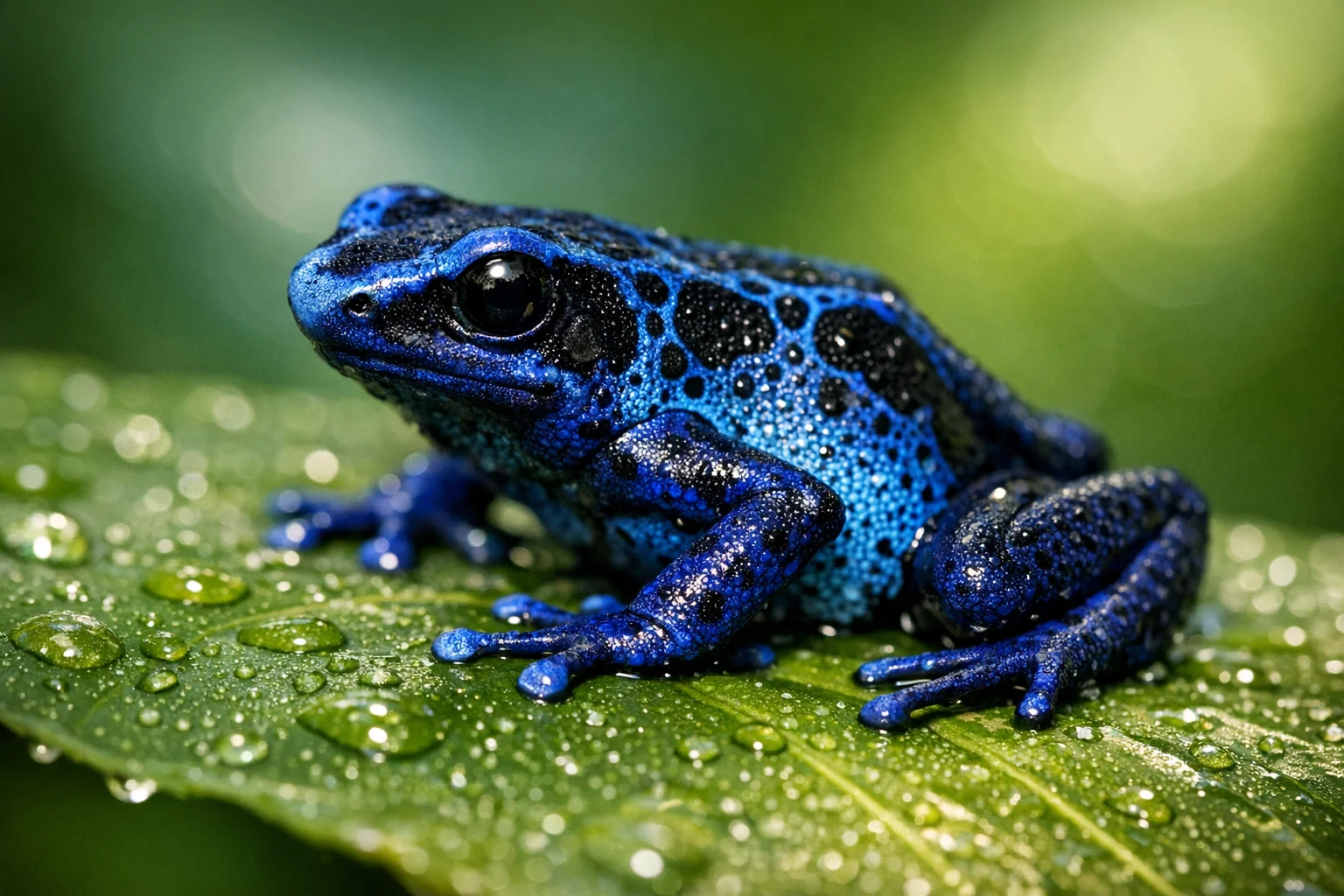 Feeding Dart Frogs: How Many Fruit Flies and How Often20 to 40 dusted flies per frog, daily for froglets and every other day for adults.Read the guide →
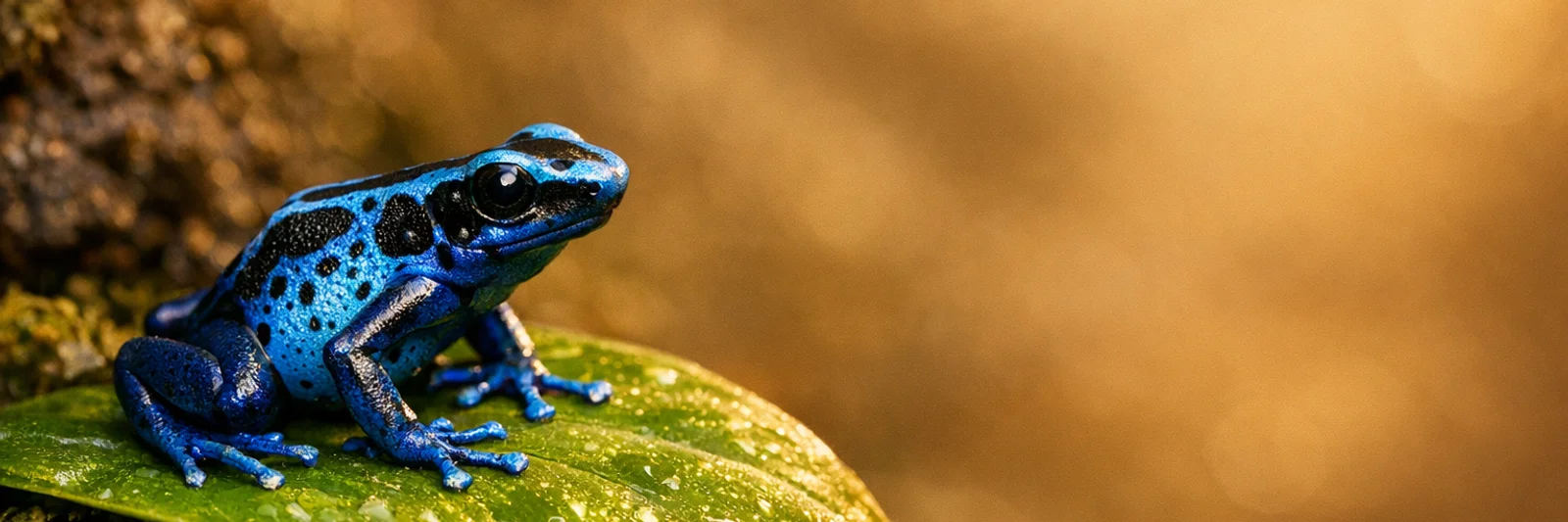 Best Feeder Insects for Dart Frogs, RankedFruit flies, springtails, isopods and pinhead crickets compared, with dusting tips.Read the guide →
 Feeder Insects for Dart FrogsA simple rundown of wingless fruit flies and springtails for a first-time feeder shop.Read the guide →
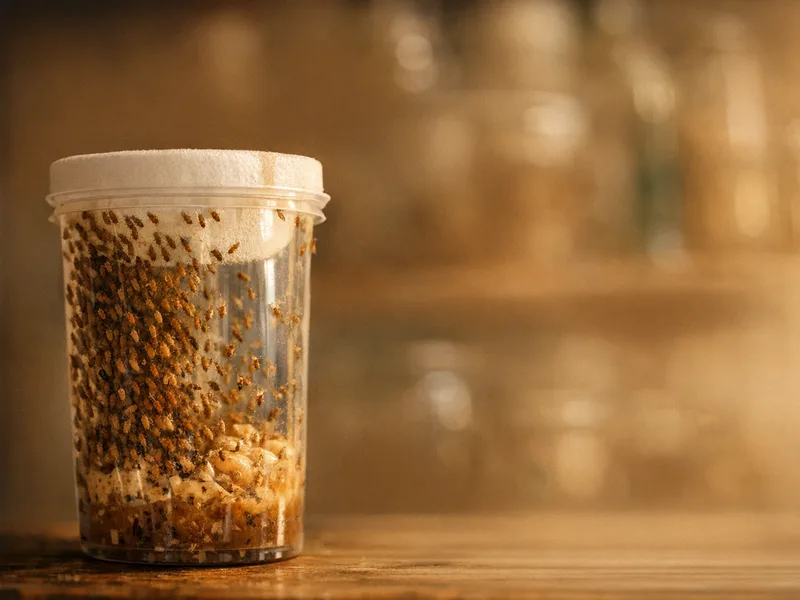 Keep a Fruit Fly Culture Producing LongerMite-free tricks to stretch a culture's productive life between orders.Read the guide →
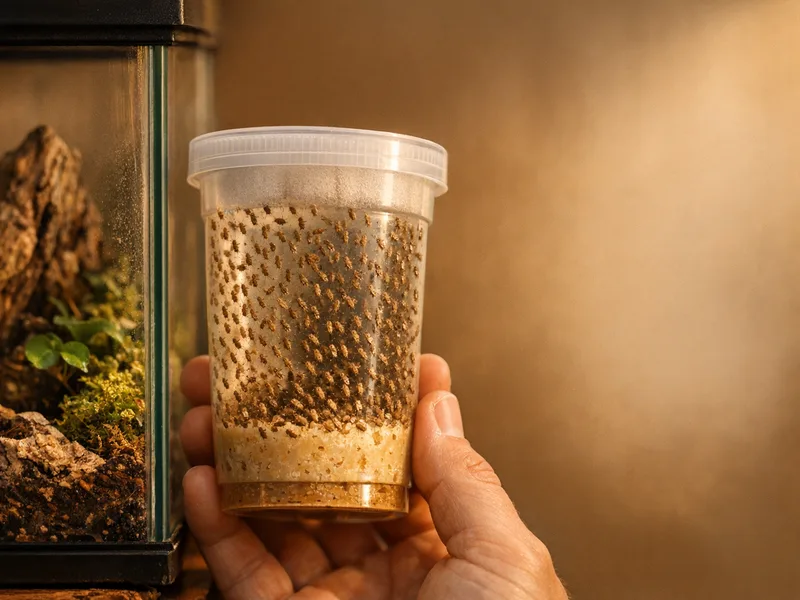 Flightless vs Wingless Fruit FliesThe difference that keeps escaped flies in the vivarium, not on the ceiling.Read the guide →
 Calcium Dusting Schedule by SpeciesHow often to dust fruit flies with calcium and vitamin A for a dart frog.Read the guide →
 Fruit Flies vs Pinhead CricketsWhy fruit flies win out over pinhead crickets for most dart frogs.Read the guide →
Bioactive and cleanup crew
 Springtails for Dart Frogs: A Stocking GuideWhy there is no per-frog springtail count; build a booming colony plus a backup culture.Read the guide →
 Springtails for Dart Frogs: Why You Need ThemWhy froglets need springtails as a first food and how to seed a vivarium early.Read the guide →
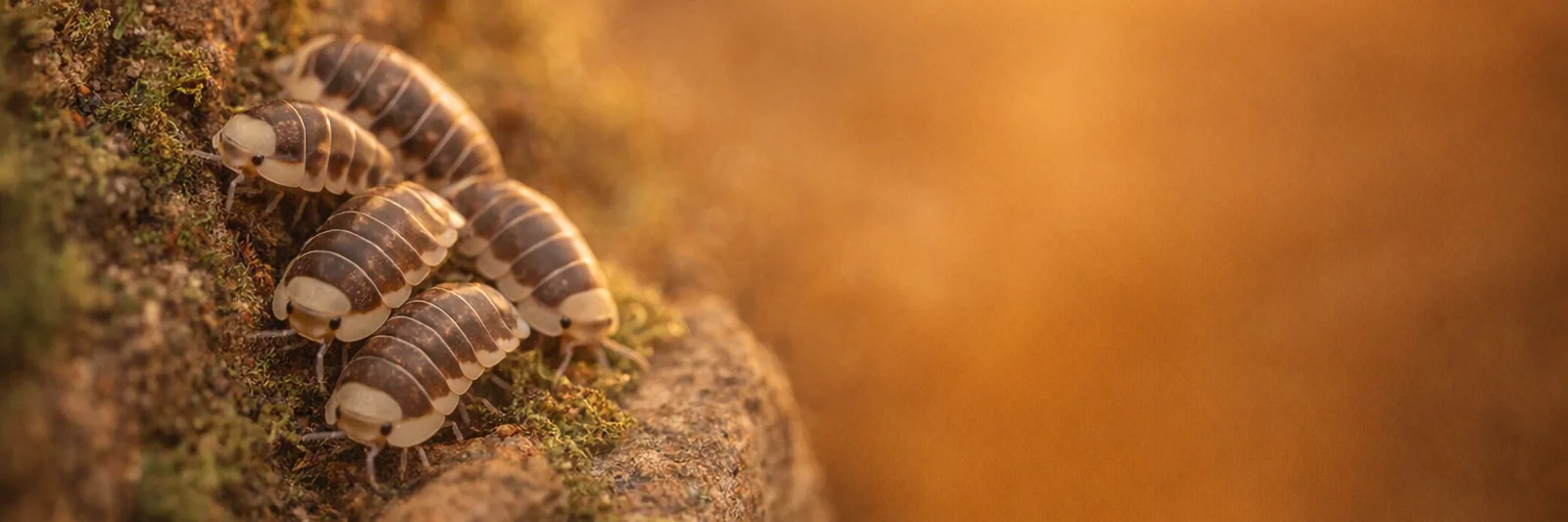 Best Isopods for Dart Frogs, RankedDwarf White ranked top for safety around eggs and froglets, plus which species to avoid.Read the guide →
 How to Culture Springtails at HomeBreeding and harvesting a springtail culture froglets rely on as a first food.Read the guide →
 Set Up a Bioactive Terrarium, Step by StepThe build order for a planted, humid vivarium before the frogs move in.Read the guide →
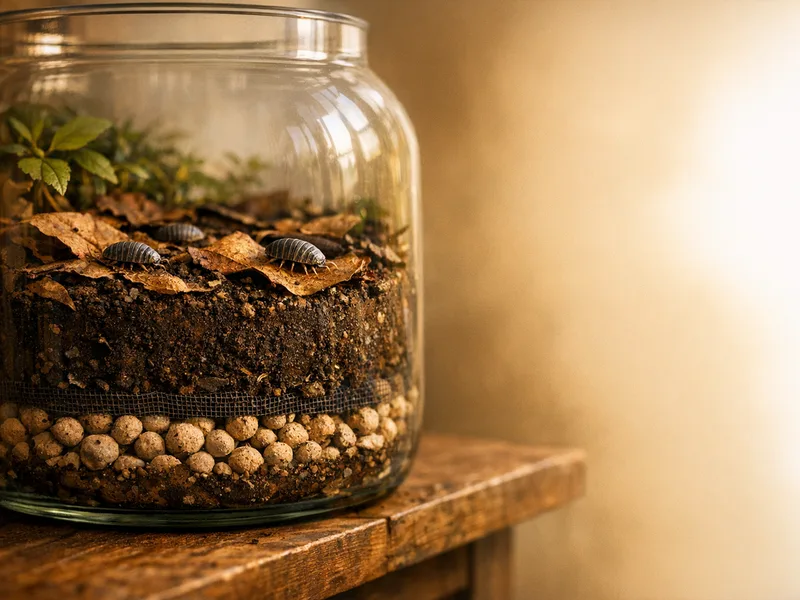 Does a Vivarium Need a Drainage Layer?Whether a false bottom is worth building under a heavily misted tank.Read the guide →
 Best Plants for a Bioactive TerrariumLive plants that hold up in a constantly humid, heavily planted vivarium.Read the guide →
Buying, laws and sourcing
Build Your Kit
The Dart Frog Feeder Kit
◆
The feeders we would stock for a dart frog. Untick anything you already have.
Your kit: 0 items · $0.00
Live Arrival Guarantee ◆ Bred On Our Texas Farm
