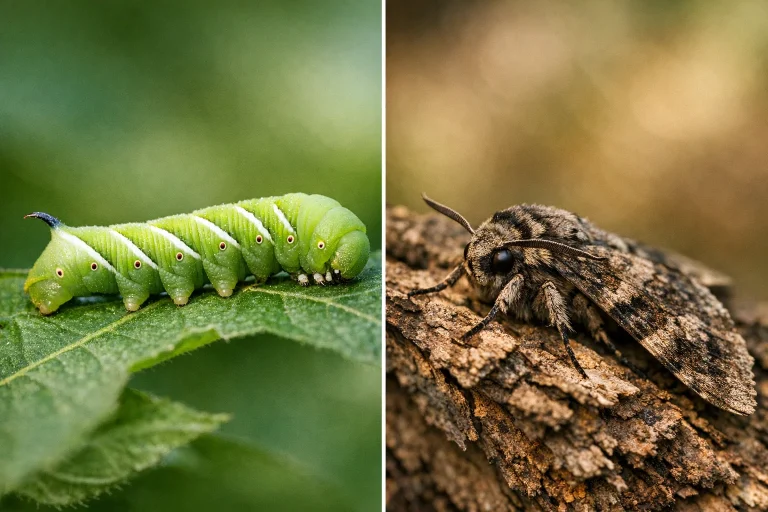
A constricting ring of dry shed acts like a tourniquet on the toe
Lukewarm, shallow water, only deep enough to cover the foot
Stop soaking. Same-day exotics vet, never tweezers or pulling
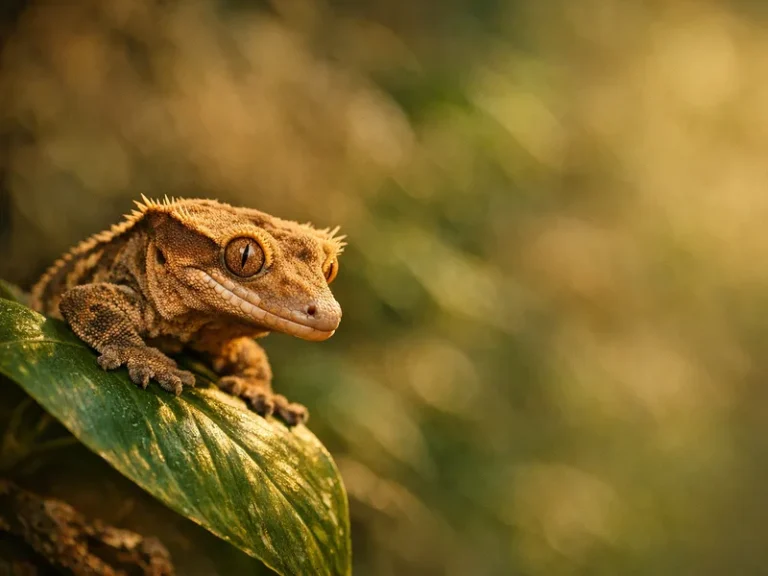
Leopard Gecko Stuck Shed on the Toes
Retained shed left wrapped around a leopard gecko's toe is an emergency on a clock: the dry ring acts like a tourniquet, and within days it can cut off circulation completely and cost the toe. Check toes daily against a bright light, since a healthy toe shows even, slightly wrinkled skin while a problem toe shows a distinct constricting ring. A single warm soak, 85 to 90°F for 10 to 15 minutes, softens most stuck shed enough to work loose gently. A toe that is already dark, swollen, or cold to the touch needs an exotics vet the same day, not another soak. See our leopard gecko care sheet for the humid-hide setup that prevents this in the first place.
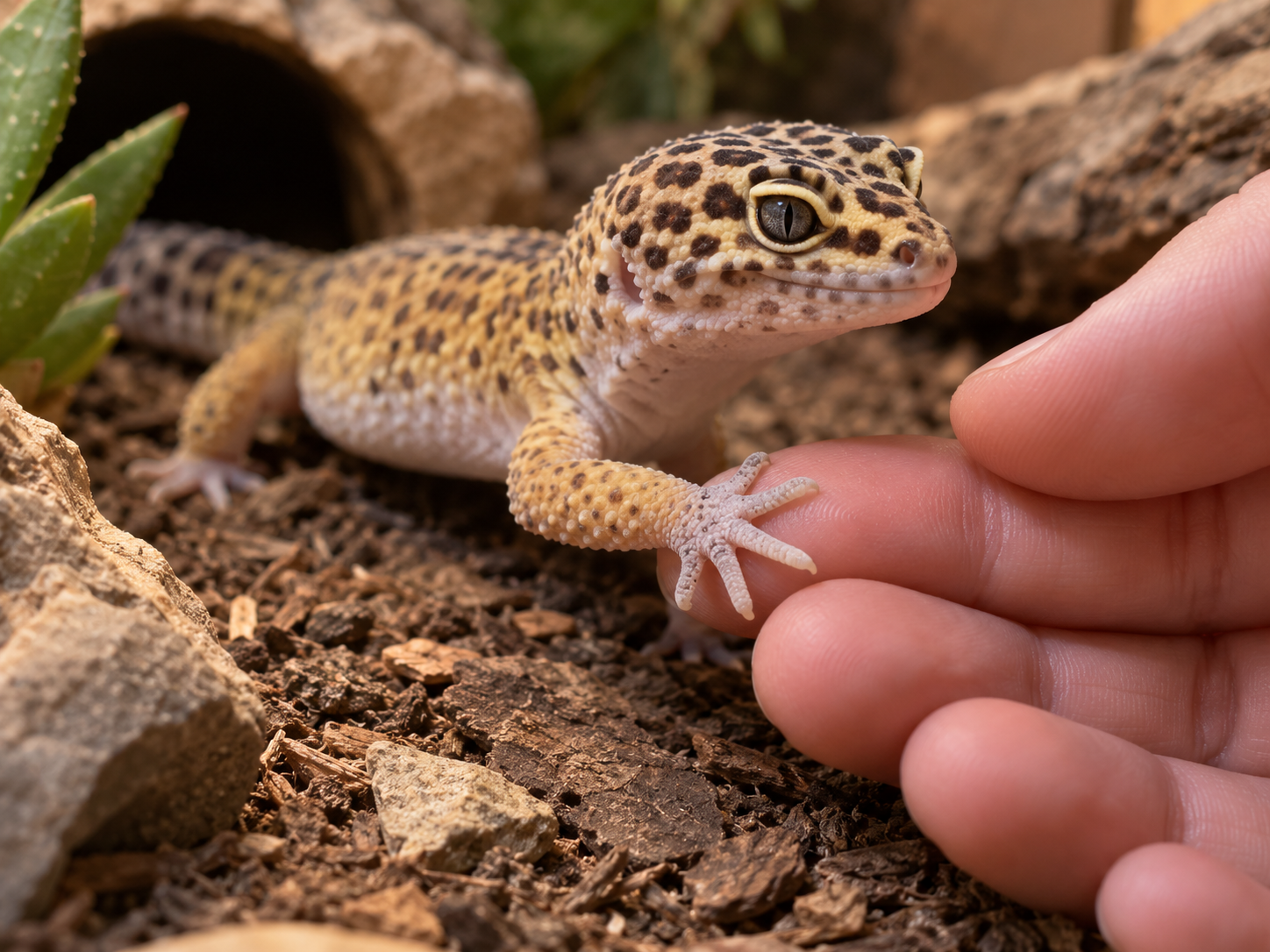
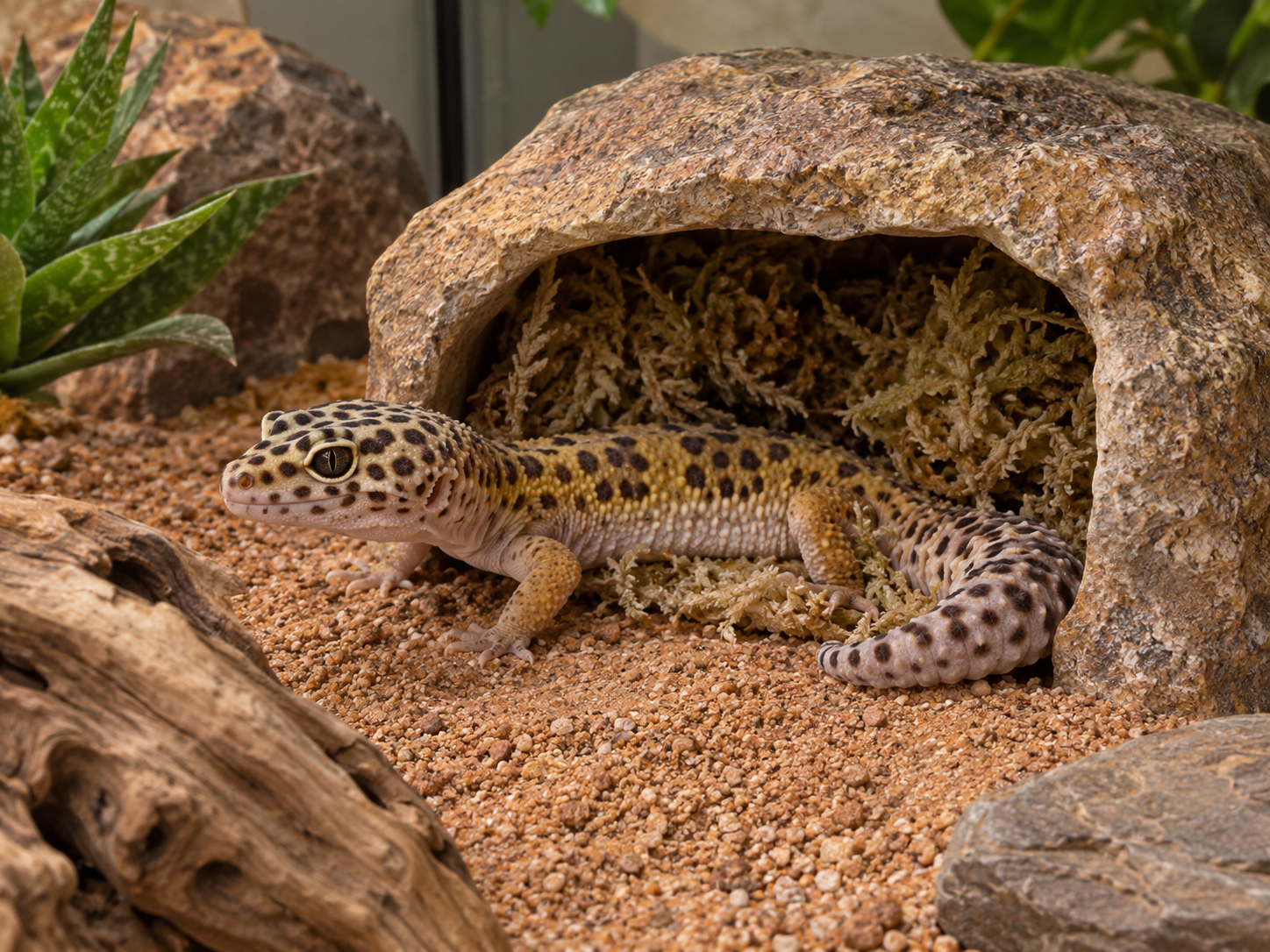
What a constricting ring looks like versus normal shed
A leopard gecko in the middle of a normal shed looks dull and loose-skinned all over, and that loose skin comes off within a day. A problem toe looks different: a distinct band of dry, tight skin encircles one or more toes like a ring, separate from the rest of a fresh shed, and it does not loosen on its own the way the rest of the body does.
Check every toe under bright light at least once during and after every shed, gently spreading the toes to see the base where a ring hides easiest. Catching it on day one, while the toe still looks its normal color, is what keeps this a five-minute fix instead of a vet visit.
Why this becomes an emergency, and how fast
A ring of retained shed tightens as it dries, and it can cut off blood flow to the toe within days. Once circulation is blocked, the tissue beyond the ring starts to fail, and a toe that has gone from pink to dark or black has likely already lost its blood supply.
This is the one shedding problem on the site that runs on a real clock rather than a wait-and-see window. A toe caught early, while still pink or just slightly puffy, is almost always saveable at home. A toe that is already dark is a same-day call to an exotics vet, not another soak. A gecko dealing with a stuck toe may also go quiet on food for a day or two, which is a normal stress response and not a separate emergency on its own.
The safe soak-and-soften routine
Fill a shallow container with lukewarm water, roughly 85 to 90°F, deep enough to cover the feet and lower body but well short of the head. Let the gecko sit in it for 10 to 15 minutes so the old skin rehydrates and softens. A damp cotton swab or a soft, wet cloth can then roll the loosened ring gently toward the tip of the toe.
Never pull, and never reach for tweezers. Dry retained shed that will not roll free with gentle pressure needs another soak, not more force, since tearing it away can take healthy skin with it and reopen the toe underneath. If a ring has not loosened after one full soak, wait roughly three hours and try again rather than repeating soaks back to back.
When to stop soaking and call a vet
Stop trying to work the shed loose yourself the moment a toe looks dark, swollen, or feels cold compared to the others; those are signs the circulation is already compromised, and continued handling wastes time it cannot afford. The same applies if two soaks, spaced a few hours apart, have not loosened the ring at all.
Call an exotics vet the same day in either case. A toe caught even after some discoloration can sometimes be saved with prompt veterinary care, but that window closes fast, and home soaking past this point is more likely to cause pain than progress.
The moist hide is what prevents this
Nearly every stuck-shed case traces back to one thing: a humid hide that went dry. A leopard gecko needs one permanently damp hide, packed with sphagnum moss, positioned on the warm side, and re-dampened before it dries out completely rather than after. Our care sheet covers the full three-hide setup.
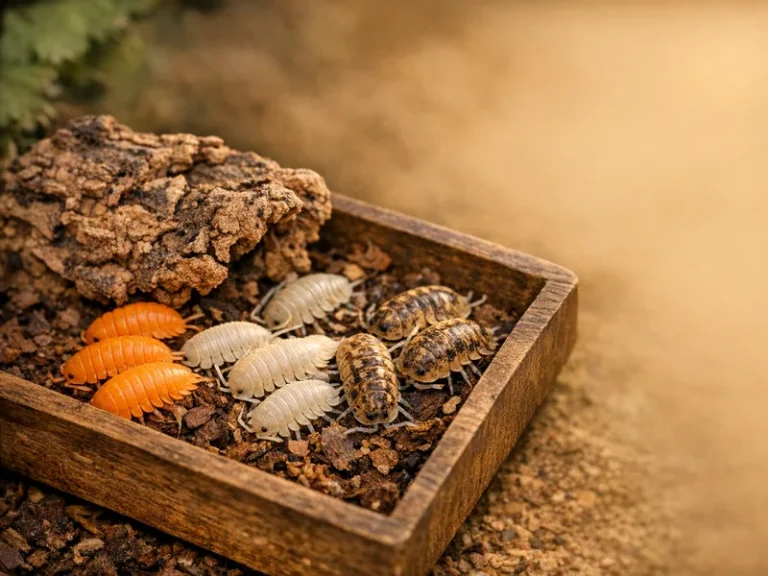
A bioactive floor with a springtail culture and a small isopod crew such as Powder Orange or Dwarf White holds humidity in that hide far more evenly than misting alone, since living substrate buffers moisture instead of drying out between waterings. See our leopard gecko cleanup crew guide for species that fit a dry arid setup with one damp corner, sized with our cleanup crew calculator, or start with our bioactive combos for both halves in one order.
Toe Shed Triage: Normal, Watch, or Vet Now
The Humid Hide Kit
A springtail culture and small isopod crew that keep the humid hide reliably damp between waterings.
Written by the TC INSECTS breeding team · Porter, Texas · Live Arrival Guarantee on every order
Have a care question? Ask our community.
Join Reptile Keepers USA, our free Facebook group for reptile, amphibian and invert keepers. Share your setups, get care help and swap feeder tips.
Join the free group