Check with a probe or IR gun. The single most common fixable cause
Longer than that, or any tail thinning, means call a vet
Far less fat reserve. Check sooner than you would for an adult
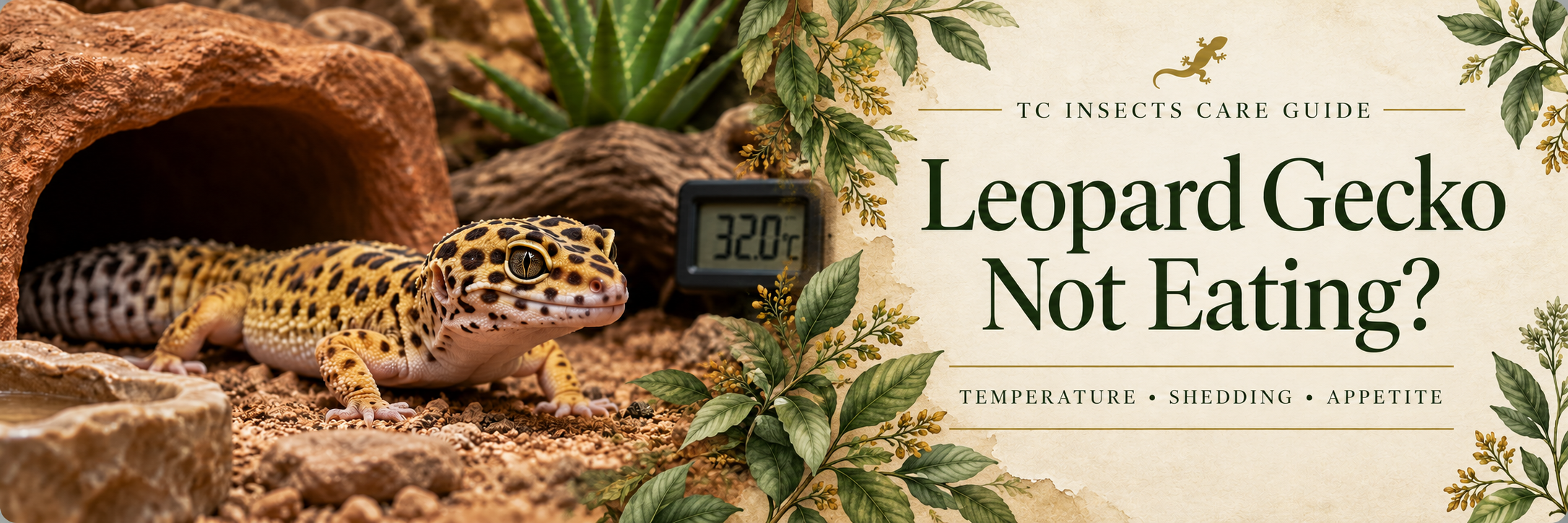
A leopard gecko (Eublepharis macularius) that stops eating is usually telling you something fixable, not something dire: check the warm-side floor temperature before anything else, since a surface below 88°F is the single most common reason a healthy gecko refuses food. From there, work down the list in order, an ongoing shed, a brand-new enclosure, breeding season in an adult male, and prey that is too big or the wrong texture, before illness ever enters the picture. This guide gives you the checking order and the point where waiting stops being reasonable. For the schedule itself, see our leopard gecko feeding schedule.


Is the warm side actually 88 to 92°F?
Start here before anything else. A leopard gecko digests using belly heat absorbed from a warm surface, not air temperature, so if the floor under the warm hide reads below 88°F the gut slows down and appetite drops with it. A stick-on dial thermometer reading the glass is not good enough, since it measures the wrong surface; use a digital probe or an infrared temperature gun laid directly on the floor where the gecko actually rests. Our leopard gecko care sheet sets the target at 88 to 92°F on the warm side and 75 to 80°F on the cool end.
This single check resolves more appetite cases than every other cause on this list combined, which is why it comes first. If the thermostat has slipped, a bulb has aged and dimmed, or the probe was never on the actual floor to begin with, fix that and give the gecko 24 to 48 hours at the correct temperature before moving down this list. A gecko that starts eating again once the floor is warm enough was never sick, just cold.
Could this just be a shed?
A leopard gecko often goes quiet on food for a day or two before a shed, while the skin dulls to a chalky gray and the eyes cloud over. Appetite normally returns within a day of the old skin coming off in one piece. This is normal behavior, not a problem, and pushing food during it usually just gets ignored.
Make sure the humid hide is genuinely damp, since a dry hide is what turns a normal shed into a stuck one. If you find a tight ring of old skin left on a toe after the shed finishes, that is a different and more urgent issue than appetite loss and calls for a warm soak, never pulling or tweezers, the same day you notice it.
Is the enclosure brand new?
A leopard gecko moved into a new enclosure, or a new home entirely, commonly refuses food for the first several days to two weeks while it settles in. The unfamiliar smells, layout, and handling are enough to suppress appetite in an otherwise healthy animal, and this is one of the more common causes keepers mistake for illness.
Keep handling to a minimum during this window, keep the hides and layout stable rather than rearranging to help it feel more secure, and keep offering food on a normal schedule without forcing it. A gecko that is exploring, has normal skin color, and is not losing visible weight is very likely just adjusting.
Is this an adult male in breeding season?
Adult male leopard geckos commonly go off food for stretches during breeding season, roughly February through August, since their attention shifts to territory and mating rather than hunting. This can run for a couple of weeks and, in some individuals, longer, and it resolves on its own once the season passes.
The way to tell this apart from a real problem is body condition, not the calendar. A breeding-season male that stays active, alert, and keeps a plump tail is behaving normally even while barely eating. A noticeably thinning tail base over several weeks is the signal to stop assuming hormones and start looking closer.
Is the prey too big or the wrong texture?
A feeder wider than the space between your gecko's eyes gets refused, spat back out, or half-swallowed and abandoned, and keepers often miss this because the same size worked fine a month ago before the gecko grew. Our best feeder insects for leopard geckos guide covers sizing and species side by side.
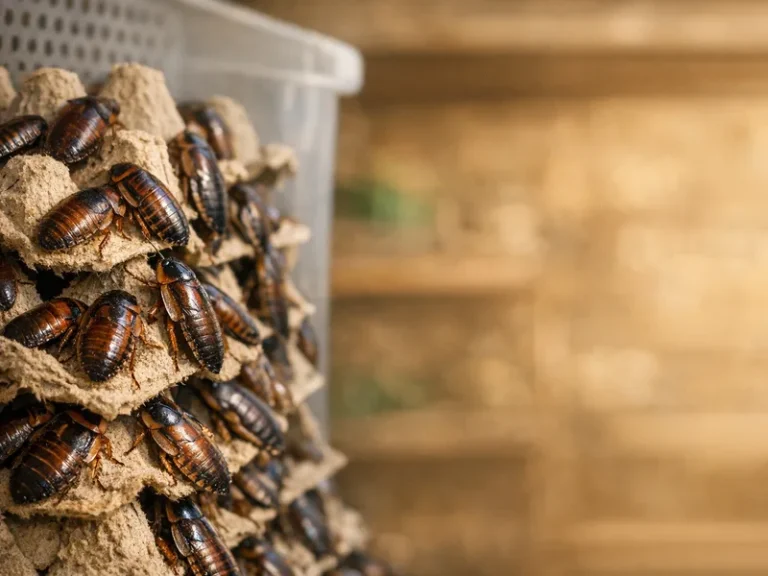
Texture matters too. A gecko used to soft mealworms can be slow to accept a firmer roach, and one that has only ever seen live prey may ignore anything that stops moving. If you suspect sizing or texture, size down and try a different feeder, such as our dubia roaches in a smaller size, before assuming anything is medically wrong.
When appetite loss means illness, not a phase
Work through the causes above roughly in order: 2 to 3 days off food in a hatchling or young juvenile is worth a same-day check, since they carry far less fat reserve than an adult. A growing juvenile has a bit more room, and a healthy adult with a plump tail can reasonably go 2 to 3 weeks while you troubleshoot the causes above. Once eating resumes, gut-loading feeders for 24 to 48 hours first gets it back on solid nutritional footing faster.
Past those windows, or at any point sooner if you see a shrinking tail base, sunken eyes, lethargy, or refusal of water as well as food, stop waiting and call an exotics vet. A warm soak and a gentle offer of food is worth trying at home, but do not attempt to force-feed a reptile yourself, since it is easy to do real harm without training.
Why Is My Leopard Gecko Not Eating?
The Appetite Restart Kit
Small, easy feeders and a gut-load boost to tempt a gecko back onto food once the real cause is fixed.
Frequently Asked Questions
Keep reading: stuck shed on the toes and how much to feed by body weight.
Written by the TC INSECTS breeding team · Porter, Texas · Live Arrival Guarantee on every order
Have a care question? Ask our community.
Join Reptile Keepers USA, our free Facebook group for reptile, amphibian and invert keepers. Share your setups, get care help and swap feeder tips.
Join the free group