Can You Have Too Many Springtails?

Springtails self-regulate to available mold and waste and never harm plants or animals
Overfeeding, not population size, is the number one crash trigger
Skip a feeding if the last one is still visible, boom or not
A thriving population needs a balanced habitat
In a bioactive enclosure you basically cannot have too many springtails, because they are harmless and self-regulate to whatever food is available, but in a sealed culture an overcrowded boom can crash if you keep overfeeding it. The fix in either case is the same toolkit: split the culture, harvest some off, and ease up on food.

Watch the food and moisture
A vivarium and a closed culture need different responses to a population boom.
Vivarium vs culture: two very different questions
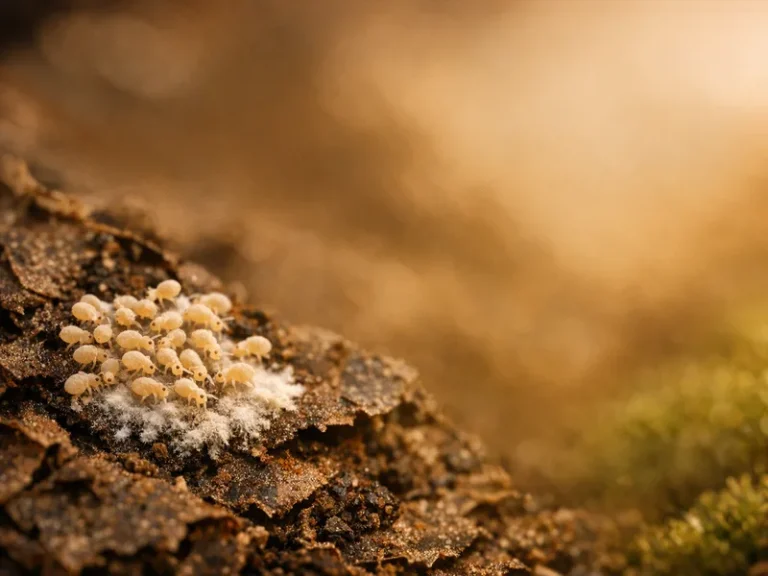
Whether too many springtails is a problem depends entirely on where they are. In an open bioactive enclosure with plants, substrate, and airflow, a huge springtail population is basically never a problem, since they simply eat what is available and stop multiplying as fast once food gets scarce.
In a sealed culture container, the math is different. There is no outside airflow to dry out excess moisture and no plants to soak up humidity, so an overcrowded, overfed culture can build up condensation, mold, and mites fast enough to crash the whole thing. Same animal, very different risk depending on the setup.
Why a huge population in a vivarium is actually good
If your vivarium looks like it is crawling with springtails, that is a good sign, not a bad one. It usually means there is plenty of mold, fungus, and waste for them to clean up, which is exactly the job they are there to do. Springtails, at 1 to 6 mm and completely harmless to plants and animals, cannot overpopulate their way into hurting anything living in the enclosure with them.
A big population also means faster cleanup of any mold bloom or waste buildup, which keeps a bioactive setup healthier overall. There is no practical ceiling here worth worrying about, so if numbers are climbing in your display enclosure, just enjoy the free labor.
When a boom in a closed culture is a warning sign
A production culture is where overcrowding actually causes trouble, and it is almost always tied to overfeeding rather than the springtail count itself. Watch for condensation building up on the lid, a persistently damp or sour-smelling container, or springtails climbing the walls and lid instead of staying on the charcoal or substrate.
That climbing behavior is worth taking seriously since it often means the culture is too wet, too crowded, or has uneaten food going bad somewhere inside. Our post on why springtails climb the glass goes deeper into that specific cue if you are seeing it in your own culture.
What to do about an overcrowded culture
The fix is the same short list every time. Split the culture so the population is spread across two containers instead of packed into one, harvest some off to use or feed out, and crack the lid or add ventilation holes so excess moisture has somewhere to go.
Then ease up on food. A very light sprinkle of yeast every 2 to 4 days is plenty, and if the last feeding is still visible, skip the next one entirely. Our springtail culture guide covers the full setup if you want to build a proper second container instead of just thinning the crowded one.
Are they safe around reptiles and amphibians even at high numbers
Yes. A large springtail population in a reptile or amphibian enclosure is not a safety concern, they do not bite, sting, or bother a living animal in any way, and they will not compete with the animal for food since they are grazing mold and microscopic waste the animal never touches.
If anything, more springtails means a cleaner, lower-odor enclosure for the animal living in it. See our post on whether springtails are safe for reptiles for the full rundown, or grab a fresh culture if your current population needs a boost rather than a trim.
Keep reading: How Many Springtail Cultures Do You Need? 8oz vs Half Gallon and Springtails for a Closed Terrarium: Do You Actually Need Them?
Keep reading: Springtails Disappeared After Adding Isopods? Here's Why and What to Do With Extra Isopods: Rehoming Comes First
The Springtail Boom Kit
A culture plus the media and litter to spread the surplus where it helps.
Frequently asked questions
Can too many springtails hurt my plants or pet?
No. Springtails are harmless to plants and animals no matter how large the population gets. They eat mold, fungus, and microscopic waste, not living tissue, so a big population in a vivarium is a sign of good cleanup, not a risk.
Is it bad if my springtail culture looks overcrowded?
Not on its own. What matters is whether you are still feeding it correctly. An overcrowded culture only becomes a problem when overfeeding, excess moisture, or poor ventilation are also happening, since those are what actually trigger a mold or mite crash.
Why are my springtails climbing the sides of the container?
Springtails climbing the glass or lid instead of staying on the substrate is usually a sign the culture is too wet, too crowded, or has uneaten food starting to go bad. It is worth checking feeding amounts and ventilation rather than ignoring it.
Will a booming springtail culture crash on its own?
Not from population alone. A culture crashes from overfeeding, excess moisture, or poor airflow, not simply from having a lot of springtails in it. Keep feeding light and the container ventilated and a booming culture can stay healthy indefinitely.
Should I remove springtails if there are too many in my vivarium?
No, there is no need. In an open bioactive enclosure, springtails self-regulate to the available food and never overpopulate to the point of causing harm. A large population just means efficient cleanup, so there is nothing to remove.
Are lots of springtails safe around reptiles and amphibians?
Yes. Springtails do not bite, sting, or bother reptiles or amphibians at any population size, and they are not competing with the animal for food since they graze mold and waste. A bigger population generally means a cleaner enclosure for the animal.
Keep learning
Have a care question? Ask our community.
Join Reptile Keepers USA, our free Facebook group for reptile, amphibian and invert keepers. Share your setups, get care help and swap feeder tips.
Join the free group