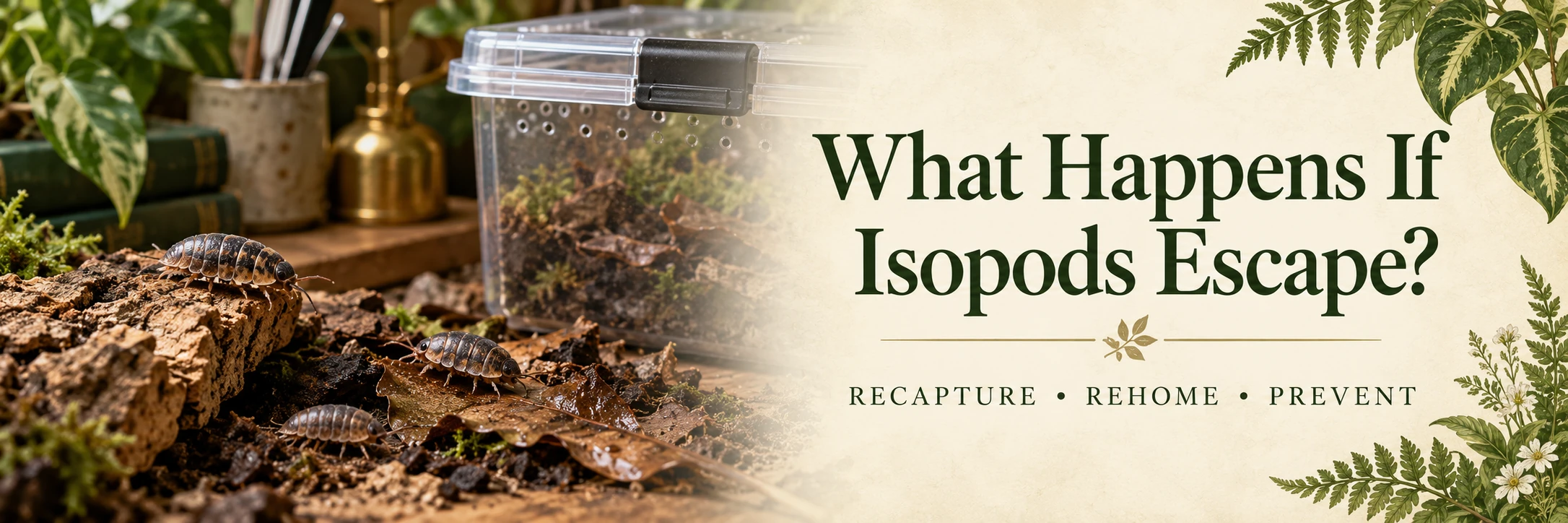
What Happens If Isopods Escape
Most strays dehydrate fast without a genuinely damp spot
Risk to wild isopods even where the same species already lives
Give extras a real second enclosure, not the yard
Recapture indoors. Never release outdoors.
Indoors, an escaped isopod almost always dries out and dies within a few days unless it finds somewhere genuinely damp, and it is not going to start an infestation the way a real household pest would. Outdoors is the answer that actually matters: never release a captive isopod, even a common species that already lives in your yard, because it can still carry disease or mix its lineage into wild populations that researchers and careful hobbyists track. Most tropical and specialty morphs would not even survive a US winter outside. Here is what genuinely happens in both directions, and what to do with extras instead.

Give escapees a secure home—not the yard.
Recapture strays, rehome or trade surplus, and check the lid for gaps before the next escape.
Indoors: a nuisance, not an infestation
Isopods breathe through gill-like structures that need consistently humid air to work, so a stray wandering across a normal dry floor or carpet dries out and dies within a few days in most homes. They do not bite, they do not sting, and they are not known to spread disease to people or pets, so a handful of escapees is nothing like an ant or roach infestation taking hold.
The exception is a genuinely damp, easy-to-miss spot: under a leaking sink, a humid bathroom, a damp basement corner. Finding live isopods in the same spot week after week points to a chronic moisture problem in that part of the house worth fixing, not a colony you need to panic over. Recapture is usually simple too, leave a damp paper towel or a slice of raw potato or carrot in the corner overnight, and strays looking for moisture and cover tend to cluster underneath by morning.
Outdoors: this is the one to take seriously
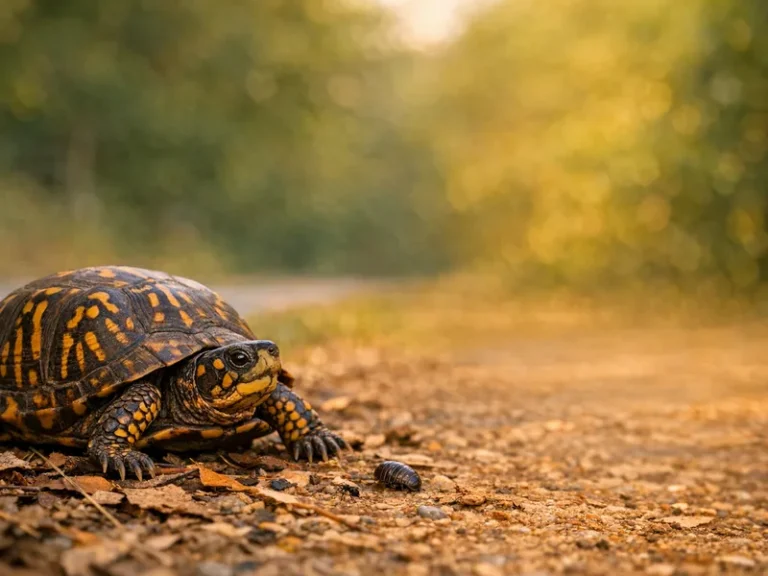
Never release a captive isopod outdoors, on purpose or as an afterthought when you find one loose outside. The concern is not that one escaped pillbug will devastate a landscape on its own. It is what a whole hobby doing the same small thing adds up to over years, across thousands of keepers.
Captive isopods can carry mites, mold spores, or other hitchhikers picked up in a culture bin that a wild population never had to deal with, and releasing line-bred or color-bred stock into an area where the same species already lives wild risks mixing captive genetics into lineages that researchers and dedicated hobbyists track through citizen-science records over time. Neither risk needs a dramatic outcome to be worth avoiding.
Why 'it is already outside' does not change the answer
A reasonable objection: if the pillbug already in your garden is the same species as the one you are about to release, does it even matter? It does, for two different reasons, depending on which isopod you are actually holding.
Common species that are already naturalized
The common pillbug (Armadillidium vulgare) and the common rough woodlouse (Porcellio scaber), ancestors of many named color morphs in the hobby, both originally came from Europe and are now established across much of North America. Penn State Extension names the pillbug specifically among the non-native isopods that compete with native detritivores and, at high densities, feed on the roots and shoots of young plants. Some North American populations have been recorded reaching into the thousands per square meter. Releasing captive stock of either species, the same animals our isopods versus pillbugs guide covers, does not introduce a new species, but it still risks adding disease or mixed genetics to wild populations that are already under some ecological scrutiny.
Tropical and specialty species
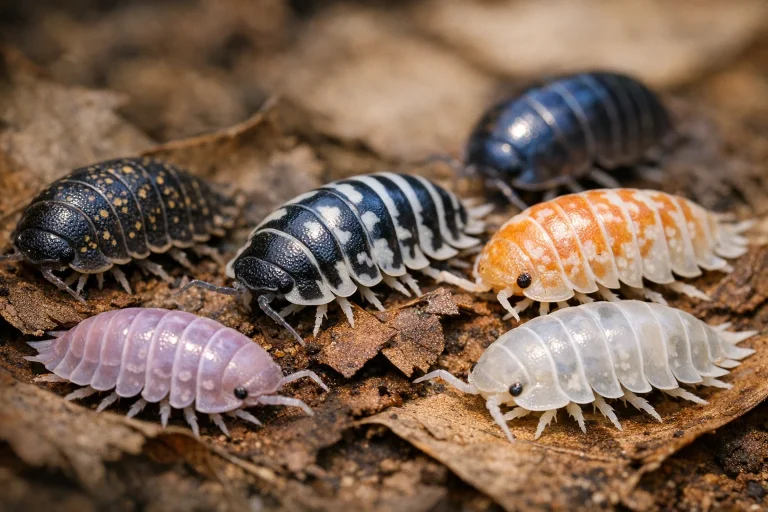
Most Cubaris, tropical Porcellio, and the colorful, selectively bred morphs that make up a large share of the hobby have little realistic chance of surviving a US winter outdoors across most of the country. Releasing one is not a mercy, it is simply a way to lose the animal, and in the rare pocket of the country warm enough for it to matter, the same disease and lineage concerns above still apply.
What to do with extras instead of releasing them
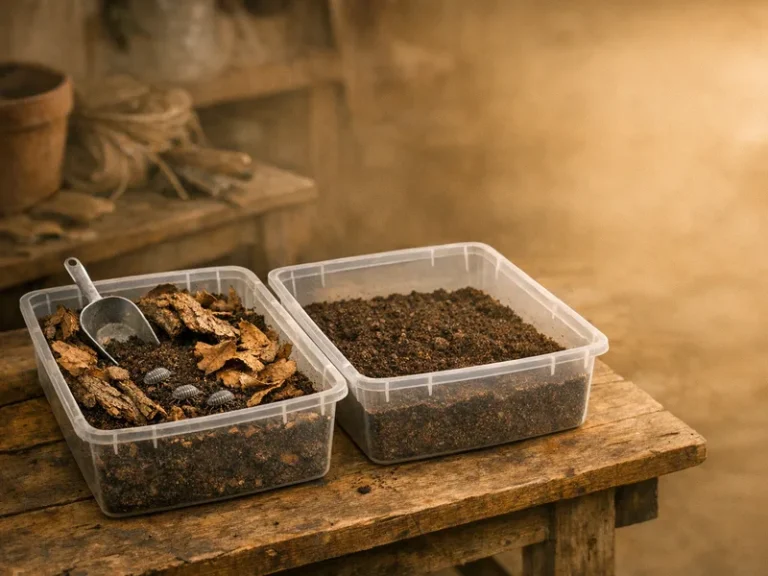
Rehoming beats release every time. Trade or give away surplus to another keeper, work extras into a second enclosure that could use a cleanup crew, or feed them off to an insectivore rather than opening a lid outside. Our guide on what to do with extra isopods covers the full playbook, from a simple bark trap to seeding a whole second bin.
If you are just getting started and want to avoid ending up with more than you know what to do with, buying a known, captive-bred colony from a seller who can actually tell you what species you are getting is worth the extra step. Our guide to choosing a reputable seller covers what to check, and we stock culturing supplies for anyone setting up that second enclosure properly instead of guessing.
Preventing the next escape
A properly fitted, ventilated lid stops the vast majority of escapes before they start, and it is worth a quick check today: set the lid on and look for gaps at the corners or a warped edge, since that is where most strays actually get out.
For the full rundown on barrier coatings, when they are worth using, and why most keepers do not need one at all, our escape barrier comparison covers it in depth, so it is not repeated here.
Keep reading: Escaped Feeder Insects and Your Cat or Dog: What Is Safe and What to Do
The Secure Rehoming Kit
A proper second enclosure for extra isopods, so surplus and strays never end up released outside.
Frequently asked questions
Will an escaped isopod take over my house?
No. Isopods need consistently humid air to survive, so a stray wandering a normal dry room dries out and dies within a few days in most homes. They do not bite, sting, or spread disease, and a few escapees is nothing like a real pest infestation taking hold.
Is it okay to release isopods into my own backyard?
No, even if the same species already lives there. Captive stock can carry mites or mold picked up in a culture bin, and releasing it risks mixing captive genetics into wild populations that researchers and hobbyists track. Rehoming extras to another keeper is always the better option.
Can isopods survive outside in the US?
It depends on the species. Common ones like Armadillidium vulgare and Porcellio scaber are already naturalized across much of North America, but most tropical Cubaris and specialty morphs bred for the hobby have little chance of surviving a US winter outdoors.
How do I catch an isopod that got loose in my house?
Leave a damp paper towel or a slice of raw potato or carrot in the corner where you last saw it overnight. Isopods looking for moisture and cover tend to cluster underneath by morning, and you can simply collect and rehome them from there.
What should I do with extra isopods instead of releasing them?
Trade or give them to another keeper, start a second enclosure that could use a cleanup crew, or feed them off to an insectivore. Any of those beats opening a lid outside, and our guide to extra isopods covers the full list of options.
Do escaped isopods bite or carry disease to people or pets?
No. Isopods do not bite or sting, and they are not known to spread disease to humans or common household pets. The real concern with an isopod loose outdoors is what it could do to wild isopod populations, not any risk to you.

Keep learning
Have a care question? Ask our community.
Join Reptile Keepers USA, our free Facebook group for reptile, amphibian and invert keepers. Share your setups, get care help and swap feeder tips.
Join the free group