Springtail Culture Media
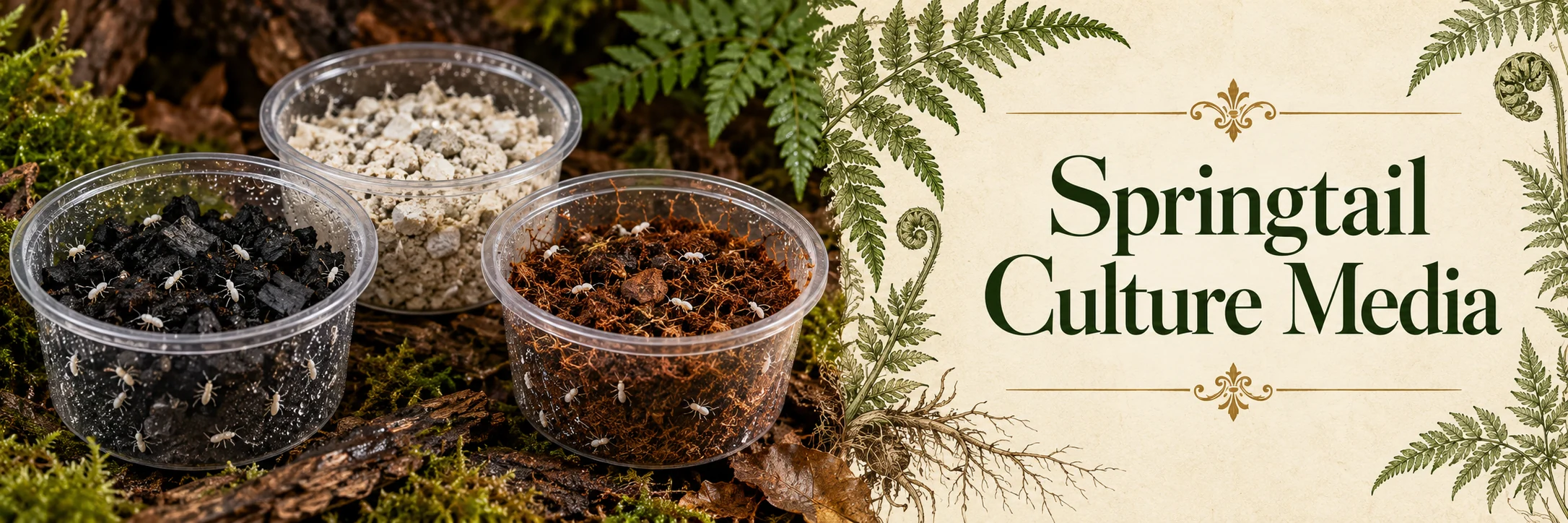
If you are picking between a charcoal, clay, or coco fiber springtail culture, here is the short version: charcoal is the easiest medium to pour off and harvest from, but it suits the common white springtail (Folsomia candida) best of all. Clay holds humidity and mineral stability well and is nearly as easy to harvest as charcoal, while coco fiber retains moisture the longest and supports the widest range of species, at the cost of being the messiest to cleanly separate springtails from. TC sells all three as real starter cultures, so this is a straight buying decision, not a DIY substrate tutorial. Below is the tradeoff on each, plus how to match a medium to whatever you are actually keeping, whether that is a beginner isopod colony or a full bioactive terrarium build.
Pour off floaters; suits Folsomia candida best
Stable moisture and minerals, still easy to pour
Retains moisture longest, hardest to harvest clean
The short answer: match the medium to your goal
Springtails need a medium that holds moisture, gives them something to graze mold and fungus off of, and lets you actually see and collect them when you want to. Charcoal, clay, and coco fiber all handle the first two jobs reasonably well, so the differences that matter to a buyer are how easy each one is to harvest from and which springtail species does best on it. TC sells all three as live starter cultures, so you are choosing a real product, not mixing your own substrate from scratch.
If you want an easy-care culture you can harvest from often, to dust food or feed a reptile enclosure, lean toward charcoal. If you want a permanent, self-sustaining population living inside a humid display tank, coco fiber is the better long-term fit. Not sure yet? Clay is the safe middle pick. If you are also deciding between springtail species or climates rather than just the medium, our temperate vs tropical springtails guide covers that half of the decision.
Charcoal: the easiest medium to harvest
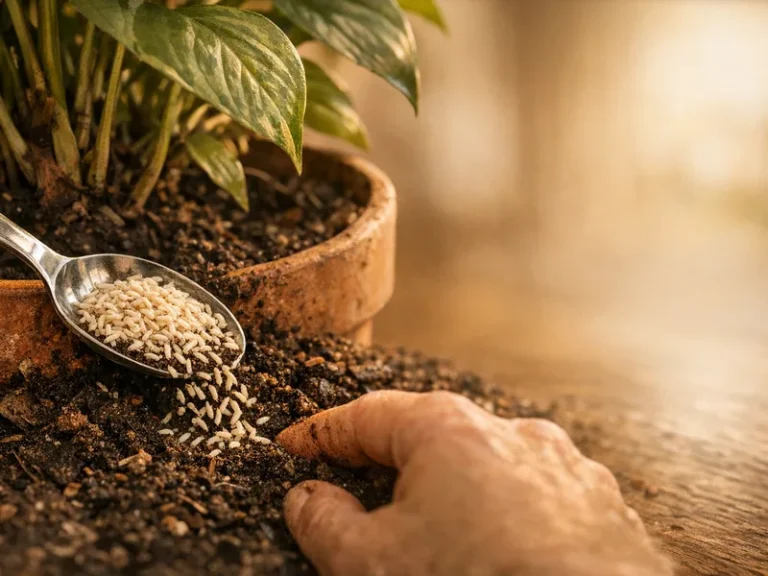
Charcoal culture works because the dark, granular medium gives strong visual contrast against small, pale springtails. Add a little water, gently disturb the surface, and the springtails rise into the film of water on top, where they are easy to see and pour off cleanly. It suits the common white springtail (Folsomia candida) especially well, which is exactly why TC's charcoal culture is built around that species.
The tradeoff is that charcoal dries out a bit faster than clay or coco fiber, so it wants more frequent light misting to stay productive, and it is not the top pick for the more particular tropical, humidity-loving species. For a fast, clean, frequent harvest, though, it is hard to beat.

Clay: the humidity and mineral all-rounder
Euro-Clay is a fine, calcium-bearing clay medium that holds a steady moisture level and a mineral content springtails actually benefit from, without swinging as wet or dry as quickly as other media can. It still gives decent visual contrast for harvesting, so pouring off a clean sample is nearly as easy as it is on charcoal, just a touch more effort.
This is the pick if you are not sure which medium fits your setup yet. It handles a broad range of species reasonably well and tends to forgive an inconsistent misting schedule better than charcoal does. TC also sells the raw Euro-Clay medium on its own, useful if you are topping up or refreshing an existing culture rather than starting a brand new one.
Coco fiber: the widest species range, but the messiest harvest
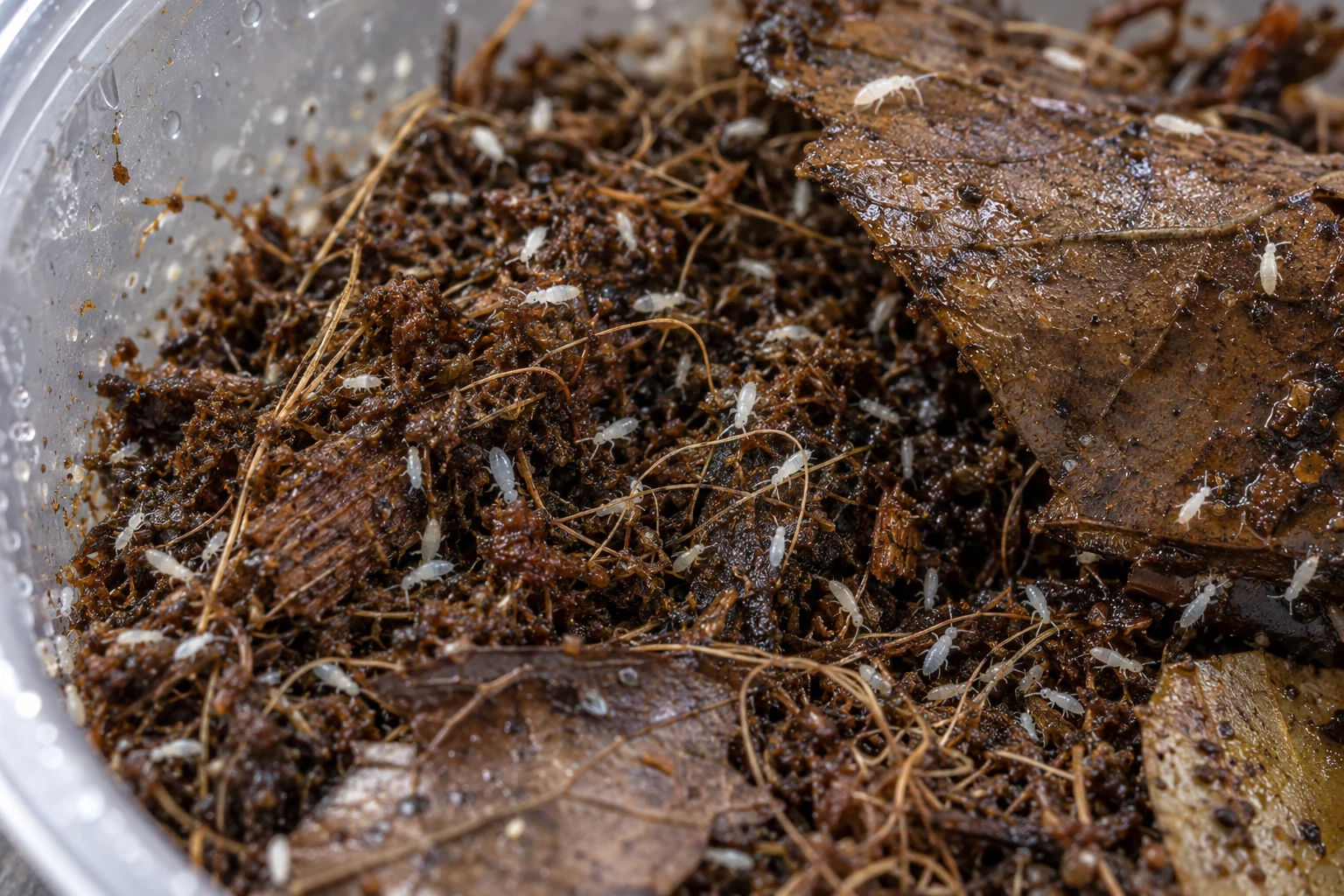
Coco fiber retains moisture the longest of the three media and comes closest to the deep, damp leaf litter many tropical springtail species live in naturally, which is why it supports the widest range of species, including some of the more particular tropical types that struggle on charcoal or clay.
The catch is harvesting cleanly. Springtails cling to the fibrous strands rather than sitting on an open surface film, so pulling a clean, springtail-only sample takes more patience: a light tap, a short wait for them to surface, then a careful skim rather than a fast pour. Coco fiber suits a permanent bioactive population you rarely need to harvest from more than it suits a culture you are dusting food from every week.
Matching the medium to what you're actually keeping
A fast-turnover feeder culture you harvest from often, for gut-loading or dusting food, favors charcoal's easy pour-off. A springtail population living permanently inside a humid display tank, alongside something like a Cubaris colony or a planted bioactive build, favors coco fiber's moisture retention instead. Clay sits comfortably in between and is the easiest default if you only want to buy one culture.
Running more than one culture on more than one medium is completely normal, not a sign you picked wrong the first time. A lot of keepers run a charcoal culture for easy harvesting alongside a coco fiber population living in the display tank itself. If you are also sourcing leaf litter for that same display tank, our leaf litter guide covers the decor half of the setup, and our guide on prepping wild leaf litter safely covers what to do if you collect your own.
How to harvest springtails, whatever the medium
The core technique is the same across all three media: add a small amount of water, gently tap or swirl the container, let the springtails rise into the surface film, and pour or skim them off into the enclosure or feeding cup. It just takes longer on coco fiber than on charcoal or clay, so budget a few extra minutes rather than assuming something is wrong.
Whichever medium you choose, resist harvesting too early or too often from a young culture. The same overharvesting mistake that stalls an isopod colony, covered in our guide on why isopods stop breeding, applies just as much to springtails: let a new culture build for several weeks before taking anything out, and only skim the surplus once it is clearly booming. A culture booster can help keep an established culture productive no matter which medium it is running on.
Pick Your Springtail Culture Medium
The three actual media from the comparison above, each shipped as a living starter culture ready to grow.
Frequently Asked Questions
Written by the TC INSECTS breeding team · Porter, Texas · Live Arrival Guarantee on every order
Have a care question? Ask our community.
Join Reptile Keepers USA, our free Facebook group for reptile, amphibian and invert keepers. Share your setups, get care help and swap feeder tips.
Join the free group