Why Does My Millipede Have Short or Missing Legs?
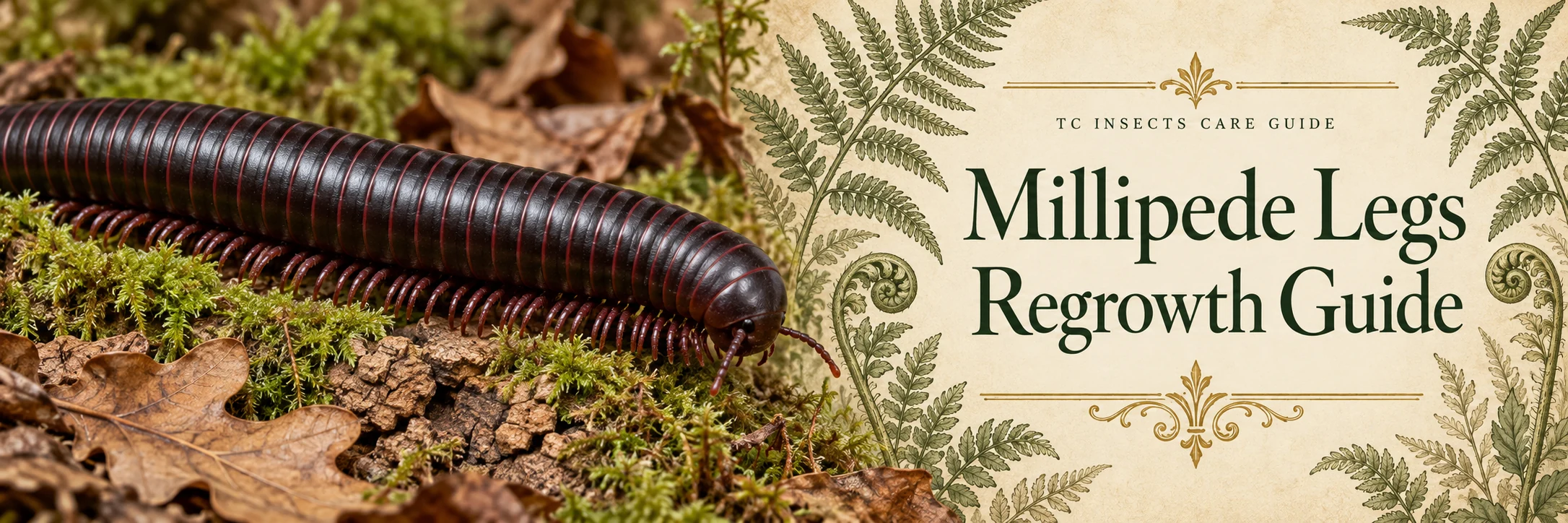
A millipede with a short or missing leg is almost never an emergency. Lost legs regrow gradually, a little more with each molt, and the American Giant Millipede (Narceus americanus), the millipede TC keepers buy most, keeps molting every few months to a year well into adulthood, so there is usually another molt already on the way to finish the job. The short list of real causes is a rough molt, substrate that ran too dry, handling, a curious tank mate, or ordinary stress from a recent move. Watch substrate moisture and calcium instead of digging the animal up to check on it.
Not all at once; the leg lengthens gradually across several molts
Adults molt for years, so most legs get repeated chances to finish
Dry substrate, handling, or a tank mate, not illness, explain most cases
How Leg Regrowth Actually Works
A millipede does not grow a new leg back in one dramatic step. Instead, a small bud forms at the injury site and lengthens a bit more with each successive molt, so a leg that looks noticeably short right after the injury is not stuck that way, it is simply mid progress. Even a brand new, uninjured body segment grows this way: researchers looking closely at molting millipedes found tiny leg bundles already forming beneath the old exoskeleton days before a molt, not appearing out of nowhere afterward. A regrowing leg most likely follows that same underlying pattern.
That means the visible timeline runs on the millipede's molt schedule, not a fixed number of days. A young, fast growing millipede molting every few weeks will show visible progress much sooner than an older adult on a molt cycle measured in months, even though the underlying mechanism is identical in both.

Why This Species Gets Extra Chances to Regrow
Plenty of arthropods stop growing and stop repairing themselves the moment they reach one final adult molt. Millipedes are not built that way. The American Giant Millipede keeps molting roughly every 4 to 12 months as an adult, for as long as it lives, which TC's own listing puts at several years with good care, purely to keep growing larger, not to change form the way an insect does at its last molt. Practically, that means a leg still short after one molt is not a permanent result, it is a leg partway through a process that has several more scheduled opportunities to finish, spread out over what can be a genuinely long pet lifespan.
The Real Causes of a Short or Missing Leg
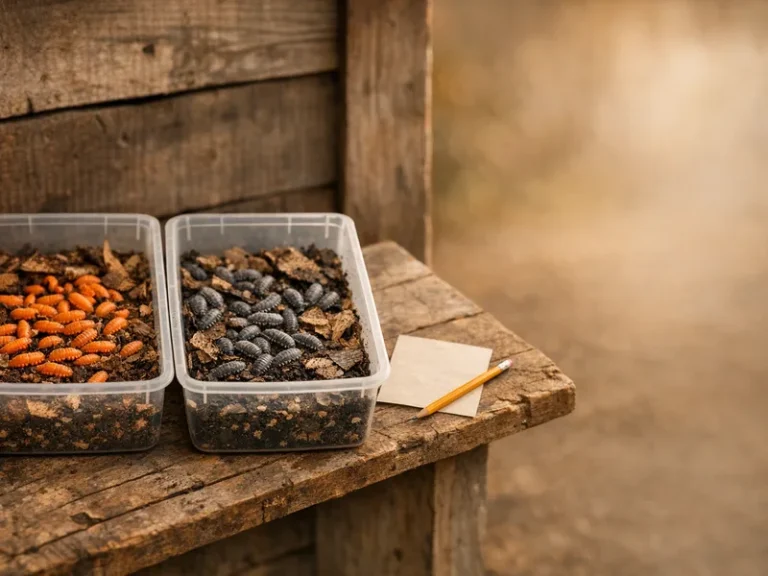
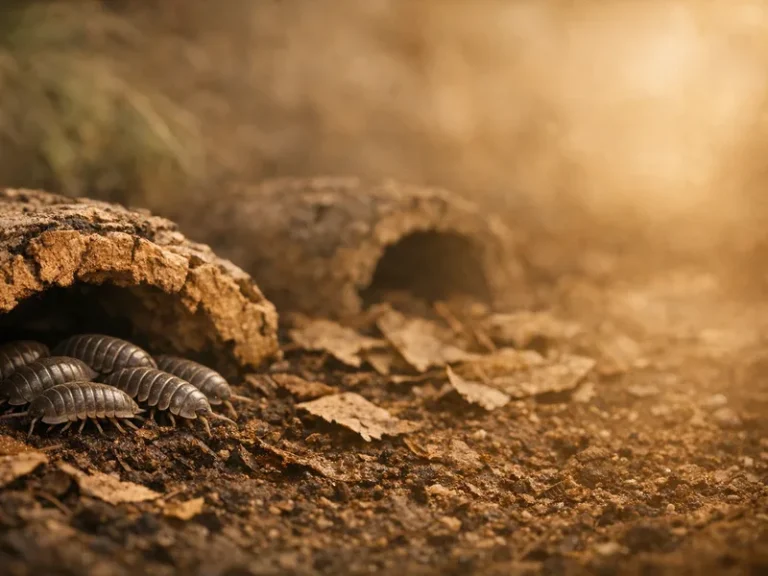
A rough or incomplete molt is one of the most common causes: if the old exoskeleton does not separate cleanly, usually because the substrate ran too dry during that molt, a leg can be left behind or come away damaged as the millipede works itself free. Handling causes plenty of cases too, since millipedes are less sturdy than their armor suggests and a leg can come off from a drop or a too firm grip. A packed enclosure or an incompatible tank mate can also be responsible, especially around a molt: a freshly molted millipede is defenseless for hours, and an isopod cleanup crew sharing the bin does not always leave it alone during that window, so treat cohabitation as something to manage rather than assume is automatically safe.
A new arrival that already has a short or healing leg is usually old news, not a shipping problem: the regrowth was already underway before the animal left our farm, or a little jostling in transit added a minor scrape. Either way, an animal that arrived alive and moving is not a live arrival issue, just one already on the mend.
What Actually Helps It Heal
Keep substrate moisture steady rather than letting it swing between soaked and dried out, since a stable molt is what actually finishes the regrowth on schedule; our enclosure setup guide covers the exact depth and dampness target for this species. Keep a calcium source such as cuttlebone available at all times, not just after an injury, since a millipede rebuilds shell material with it at every molt, injured or not, and our calcium guide covers cuttlebone versus the other options in more depth. Our calcium and nutrition products page carries what we stock for exactly this.
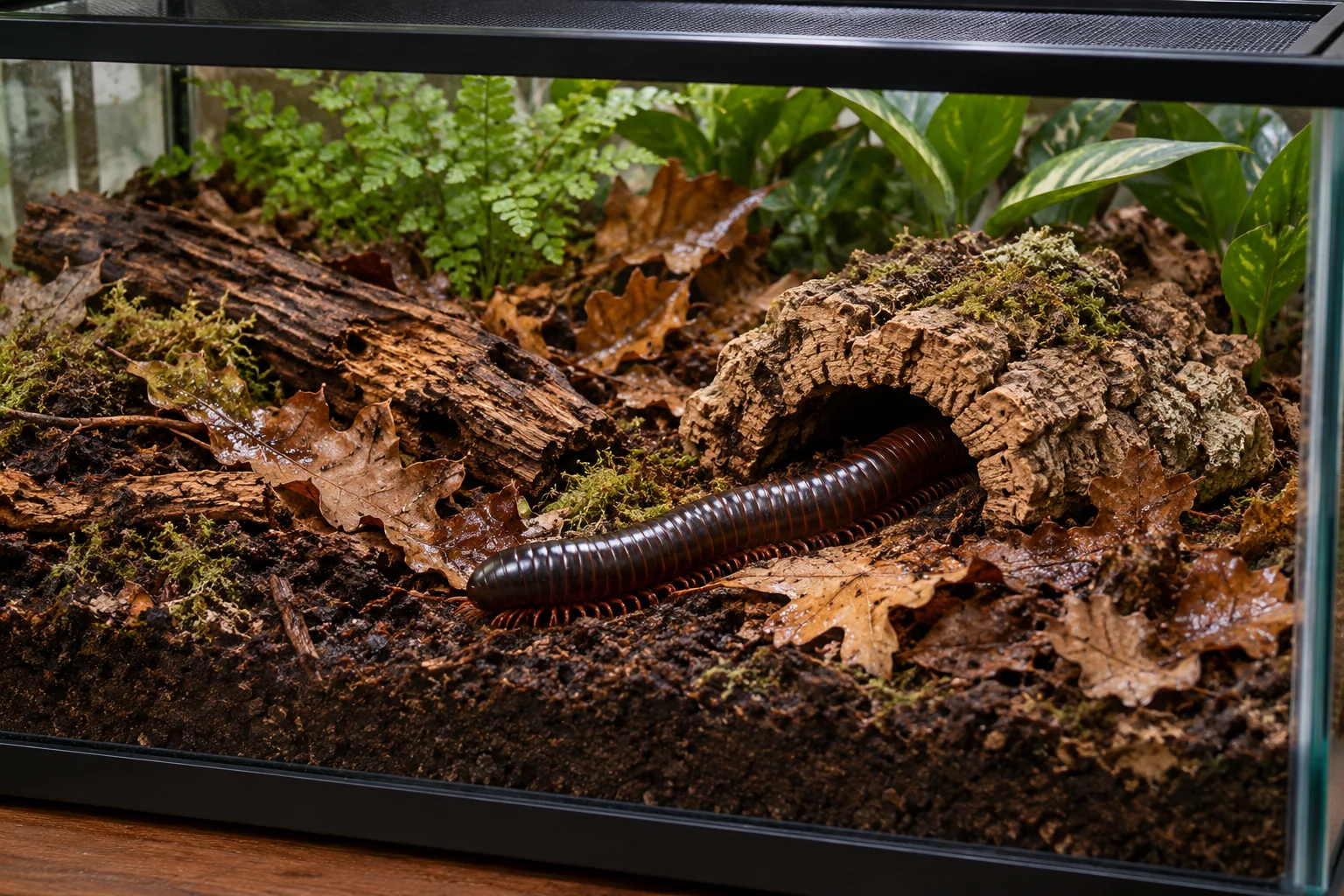
Fresh leaf litter kept in supply gives an injured millipede something to graze on without effort while it heals, and a hide or deeper substrate pocket gives it somewhere to retreat rather than sit exposed. None of this speeds up the molt cycle itself, but it removes the other stresses that can slow a clean recovery down.
When It Is More Than Just a Leg, and Why Patience Is the Hard Part
Most short or missing legs resolve on their own with nothing more than good basic care, which is exactly why the correct response feels unsatisfying: wait, do not intervene. Digging a millipede up to check on a molt in progress, exactly the situation covered in our guide to a millipede that vanishes underground, is one of the most reliable ways keepers turn a normal molt into a real injury. The honest trade-off is that doing less is usually the correct move, even when watching and waiting is the harder thing to actually do.
The exceptions are real, just uncommon: a millipede visibly missing a leg that also will not move or respond, a heavy cluster of mites concentrated at the leg joints, or stillness that drags on for many weeks past a normal molt window. That combination is worth a call to an experienced exotics vet, not continued guessing at home.
Is This Leg Loss Normal?
The Healthy Regrowth Kit
Calcium, substrate moisture, and leaf litter, the basics behind a clean molt and a leg regrowing on schedule.
Frequently Asked Questions
Written by the TC INSECTS breeding team · Porter, Texas · Live Arrival Guarantee on every order
Have a care question? Ask our community.
Join Reptile Keepers USA, our free Facebook group for reptile, amphibian and invert keepers. Share your setups, get care help and swap feeder tips.
Join the free group