What Is Actually Inside a Live Insect Shipping Box?
A live insect box is built in layers, and every layer has a job. Insulation lines the outside, a heat or cold pack rides inside it only when the forecast calls for one, and your animals travel in a small ventilated cup with damp substrate or a folded paper towel and a scrap of cover, not loose in the box. Nothing about that setup is a secret, and knowing it before your first order removes most of the guesswork that keeps first-time buyers hovering over the checkout button. Here is the box from the outside in, and the one clock that starts ticking the moment it is scanned as delivered.
Sized to the season, thicker during real heat or cold
Added near 40 to 45F or above 85F along the route
Starts at the delivery scan, photos before you open anything


The Outer Box: Insulation Sized to the Season
The outermost layer is a standard shipping box lined with insulation, thicker and more complete during a genuine cold snap or heat wave than on a mild week, since TC checks the forecast along your route before a live order ships, the same check covered in our shipping weather tool. This is the layer doing the least glamorous, most important job: slowing down how fast the inside of the box tracks the outside temperature during however many hours it spends on a truck or at a sorting facility.
Ship timing is part of this same layer of protection. Live orders go out by FedEx Monday through Wednesday, and isopods, springtails and other exotics specifically ship FedEx Overnight, the fastest option, so the insulation only has to hold steady for the shortest transit window TC can offer rather than a multi-day trip.
The Heat or Cold Pack, When the Forecast Actually Calls for One
Not every box gets a pack. TC adds a heat pack once the forecast along the route drops near 40 to 45 degrees Fahrenheit and an ice gel pack once it climbs above 85 degrees, sitting inside the insulation near the animals rather than touching the cups directly. That placement is exactly why the arrival checklist tells you to remove any heat or cold pack once the box is open, since leaving it in keeps acting on the cups after it has already done its job.
This pack rides free on FedEx 2-Day and Overnight orders, which covers isopods, springtails and other exotics automatically, and shows up as a small paid line only on USPS or discount shipping during genuine extreme weather. Our heat and ice pack guide covers the exact numbers if you want to check your own week before ordering.
The Cup or Bag Your Animals Actually Travel In
What rides inside the pack and insulation depends on what you ordered, but the animal-holding container follows the same basic pattern across TC's live lines: a small, ventilated container with a damp material and a bit of cover, sized to the count rather than to the box.
Isopods and Similar Cleanup Crew
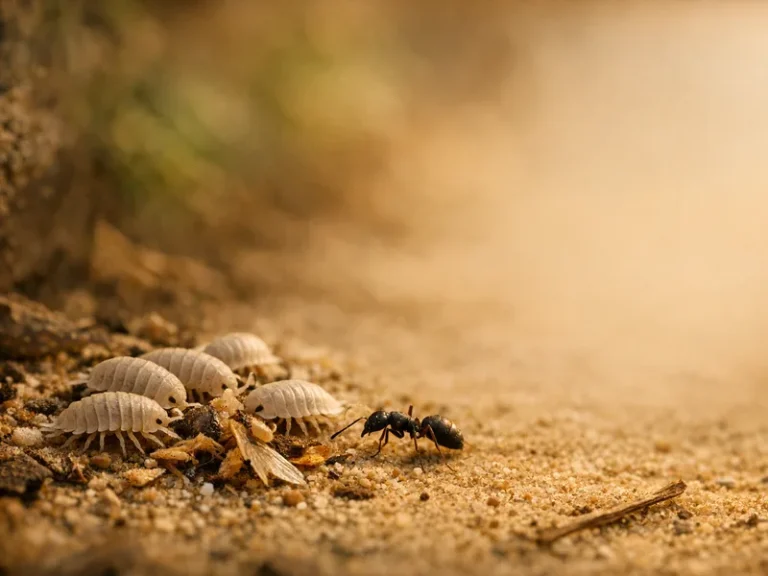
Isopods travel in a small cup with a damp paper towel and a little cover material, packed so the animals have something to hide in and hold moisture around them for the whole trip. That cover is not decorative, isopods naturally burrow into and under it rather than sitting exposed against the cup wall, which is a real part of why they tend to arrive in good shape.
Springtails
Springtails ship in a sealed cup with a damp medium, paper towel, charcoal, or coco fiber depending on the culture, rather than loose water or wet soil. The seal that keeps them contained during transit is also why a cup can arrive with the culture balled up and still, a buildup of carbon dioxide inside a sealed container, not a sign anything has gone wrong.
The Substrate and Cover Riding Along With Them
Beyond the travel cup itself, a healthy shipment includes enough substrate and cover material to get your animals through the trip and several days after, not just enough to survive the box. That is the same damp substrate and cover mentioned above doing double duty, buying your animals real time even if life gets in the way of setting up their real enclosure the moment the box lands.
It is not, however, a full habitat. A shipping cup is a travel home, not permanent housing, so plan to move isopods into real substrate and springtails into a proper culture container within the timeframe your acclimation guide recommends, rather than leaving them in the shipping cup indefinitely.
The Paperwork, and the Clock That Starts the Moment It Is Scanned
Every order ships with a tracking number, and the delivery scan tied to that tracking number is the single most important piece of paperwork in the whole box, since it is what starts your one-hour window under the Live Arrival Guarantee. If anything in your shipment arrives dead, TC asks for photos of the animals in their unopened cups, emailed to customer.service@tcinsects.com within that hour, or the same day for a Hold for Pickup order.
That timing detail matters more than it sounds like it should. Photograph first, open second if anything looks wrong, since documentation before you touch the animals is what actually protects a claim. Everything else in the box, the substrate, the cover, the pack, stays useful evidence too if you need to show how the shipment actually arrived.
Your First 15 Minutes After Opening
Bring the box inside the moment it arrives, whatever the weather, rather than leaving it on a porch or in a hot car for even a short errand. Open the outer box indoors, out of direct sun, and remove any heat or cold pack right away so it stops acting on the cups now that its job in transit is done.
Check each cup before you do anything else. Cool, still animals are common and usually normal, isopods and springtails both slow down in a cold or carbon-dioxide-heavy cup and perk up within the hour once they warm to room temperature. Our isopod acclimation guide and springtail arrival guide both walk through what normal looks like species by species, and what does not, once you are past this first look.
The Unbox-Ready Kit
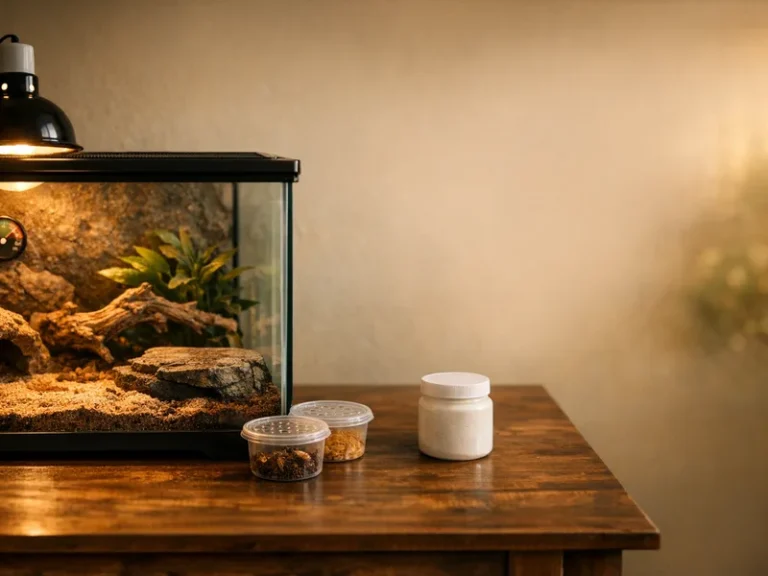
The same substrate, litter and weather packs TC ships with, ready before your box lands.
Frequently Asked Questions
Written by the TC INSECTS breeding team · Porter, Texas · Live Arrival Guarantee on every order
Have a care question? Ask our community.
Join Reptile Keepers USA, our free Facebook group for reptile, amphibian and invert keepers. Share your setups, get care help and swap feeder tips.
Join the free group