Leo needs an 88 to 92 F thermostat-controlled warm surface; crestie runs at room temp
Crestie eats mostly powdered diet; leo is a pure insectivore with no substitute
A crestie's tail is gone for good; a leo's grows back shorter and fatter
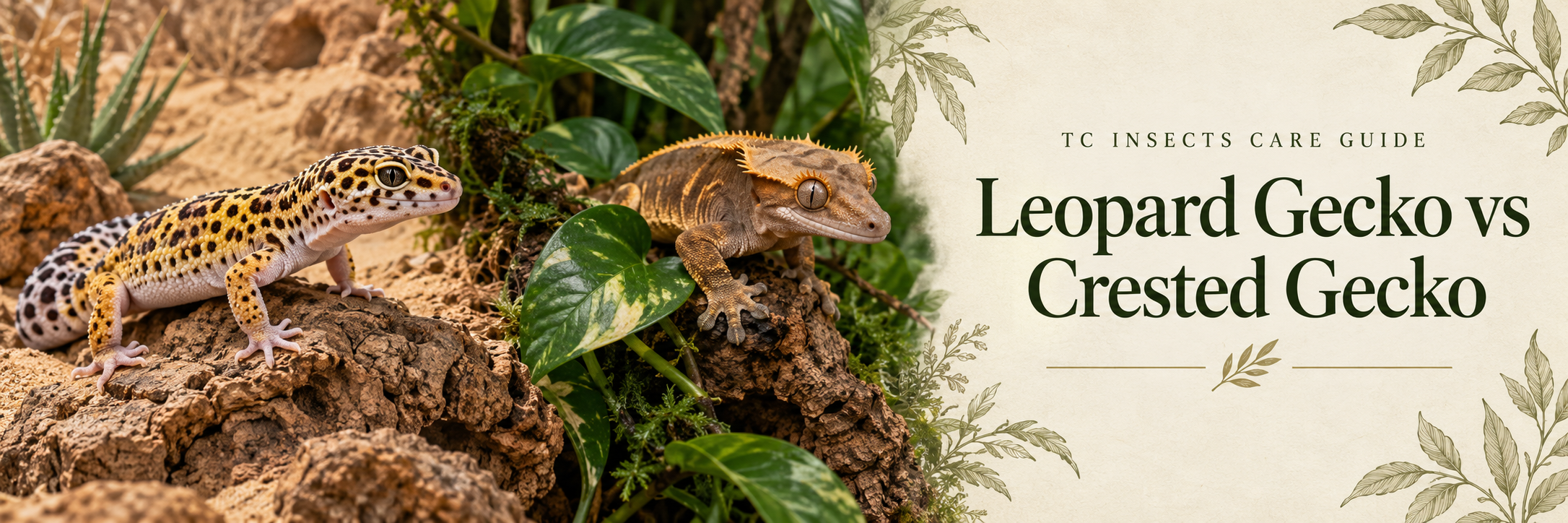
A leopard gecko needs a thermostat-controlled heat source and a steady live-insect diet, while a crested gecko needs no heat lamp in most homes and can live on a powdered diet with only occasional insects, and that single difference decides the choice for most first-time keepers. Leopard geckos want floor space and are among the most handleable lizards in the hobby; crested geckos want vertical space and tolerate short, gentle handling once settled. Below is the full comparison on heat, diet cost, the dropped-tail question and handling, plus a decision rule for who should get which, and who should get neither yet.

Heat and UVB: A Thermostat vs Room Temperature
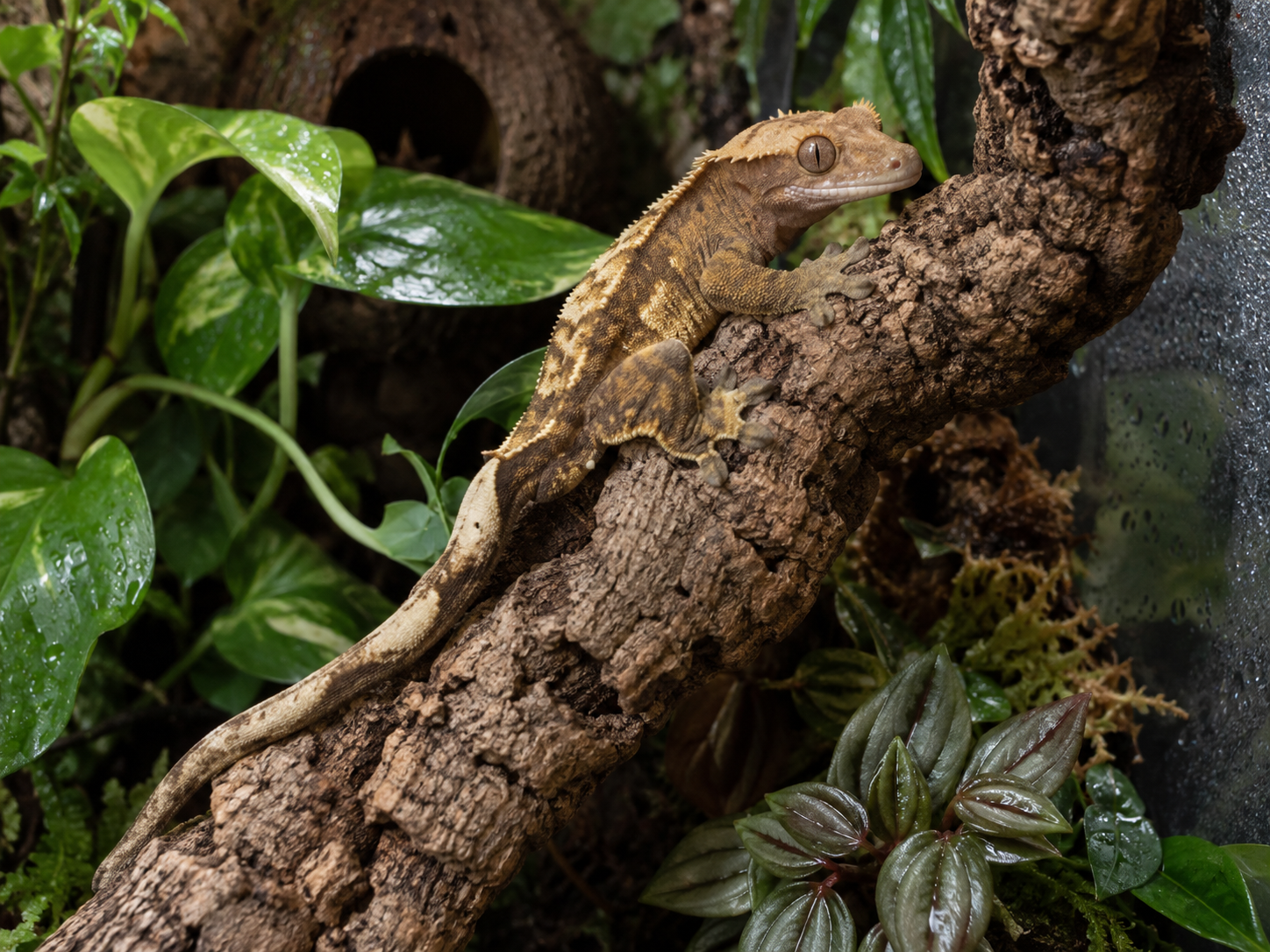
A leopard gecko digests using belly heat, so it needs a thermostat-controlled under-tank mat or overhead source holding a warm surface at 88 to 92 F, with a cool end at 75 to 80 F. UVB is optional at low output, but the heat is not negotiable, and running any heat source without a thermostat is the classic cause of thermal burns. A crested gecko is the opposite case: ordinary room temperature of 72 to 78 F is ideal, no heat lamp belongs on the shopping list, and sustained heat above 82 F is the real danger, since a hot room can kill a crestie in a single afternoon.
This flips the usual assumption that a smaller lizard is the lower-maintenance one. A home that runs warm in summer is a real risk for a crested gecko and a non-issue for a leopard gecko, while a home that runs cold in winter still asks a leo keeper to run heating equipment on a thermostat, and a crestie keeper to add only the lowest-watt option if the room drops too far. Know your own house's temperature swings before you pick based on species reputation alone.
Floor Space vs Vertical Space
Leopard geckos have no adhesive toe pads and working eyelids, so they walk the floor rather than the glass, and a 36 by 18 by 18 inch enclosure furnished at ground level with hides and flat rocks is the working minimum for an adult. Crested geckos are arboreal with sticky toe pads and a prehensile tail tip, so they want height: an 18 by 18 by 24 inch front-opening terrarium for an adult, furnished vertically with cork rounds and branches and clear routes from floor to top.
In a small home, the crestie's footprint is often easier to fit on a narrow shelf or stand even though the tank itself is taller, while a leo's wide, low tank asks for more open floor or counter space. Neither is objectively smaller; they just compete for different kinds of room.
Diet and the Monthly Feeder Cost Nobody Mentions
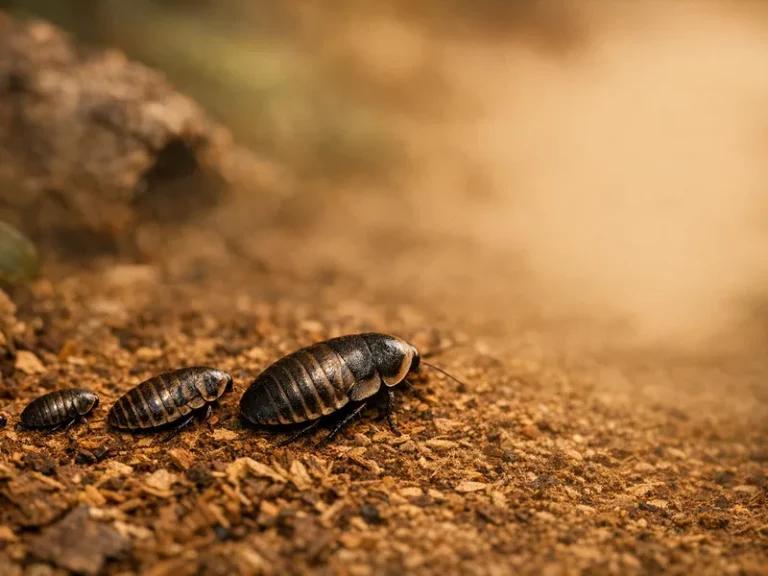
A leopard gecko is a pure insectivore with no plant matter at all: the whole diet is gut-loaded feeder insects, dubia roaches as the staple with mealworms and black soldier fly larvae in rotation. A crested gecko's base diet is a complete powdered gecko food, and live insects are optional enrichment, not a nutritional requirement, typically 20 to 30 percent of the diet at most.
Run the numbers and the gap is real. TC's own adult feeding tables put a leopard gecko at roughly 6 to 10 dubia-sized feeders every 3 to 4 days, call it 60 to 70 a month, which lands around $9 to $20 a month in live insects alone depending on pack size. A crested gecko adult eats only about 5 to 8 insects once or twice a week, roughly 20 to 32 a month, a fraction of the leo's count, though you still budget for the powdered diet on top of that.
Handling and the Dropped-Tail Question
Leopard geckos are among the most handleable lizards in the hobby once settled: scoop from below, support the body, and most tolerate regular short sessions well. They can drop their tail if badly startled or grabbed by it, and while it regrows, the new tail is shorter, fatter and smoother than the original, a real setback since the tail is the gecko's fat store.
Crested geckos tolerate short sessions too, usually by hand-walking, letting the gecko step from palm to palm rather than being gripped, once given a couple of weeks to settle in. The tail rule here is absolute: a dropped crested gecko tail never regrows at all. A tailless crestie is completely healthy, but many keepers treat this species as more of a look-and-handle-gently pet for exactly that reason.
Humidity and the Everyday Upkeep Nobody Mentions Either
A leopard gecko lives dry, 30 to 40 percent humidity, with one permanently damp hide for shedding and substrate that avoids loose sand to prevent impaction. A crested gecko needs humidity cycling between roughly 60 and 80 percent, which in practice means misting the enclosure at night and letting it dry back during the day, plus a screen top for airflow.
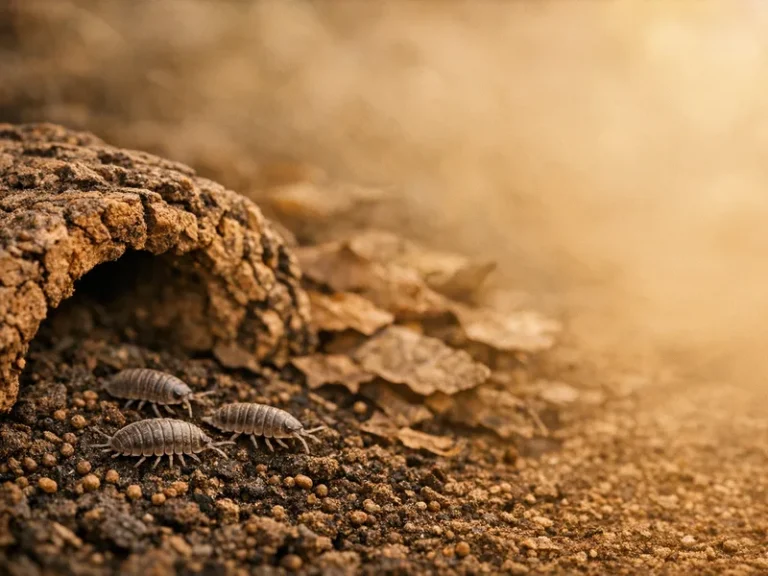
That misting routine is real daily upkeep even though a crestie skips the heat equipment entirely, so do not mistake no heat lamp for no maintenance. On the plus side, a planted crested gecko enclosure is one of the easiest bioactive conversions there is, since springtails and dwarf white isopods thrive in that same humidity cycle and quietly clean up waste and leftovers.
Decision Rule: Who Should Get Which
Get a leopard gecko if you are comfortable running a thermostat-controlled heat source and keeping a live feeder line like mealworms or dubia on hand, and you want a lizard you can confidently hold on a regular basis. Get a crested gecko if you would rather skip heat equipment entirely, like a tall planted look in a small footprint, and only want to handle live insects once or twice a week.
Get neither yet if you are not ready to ever keep even a small cup of live feeders in the house, since a crestie still needs some, or if the idea of any equipment upkeep at all, a thermostat, a misting routine, a supplement schedule, feels like too much right now. Neither beginner gecko is a truly zero-maintenance, zero-insect pet, and that honest trade-off is worth sitting with before you buy either one.
The Beginner Gecko Feeder Kit
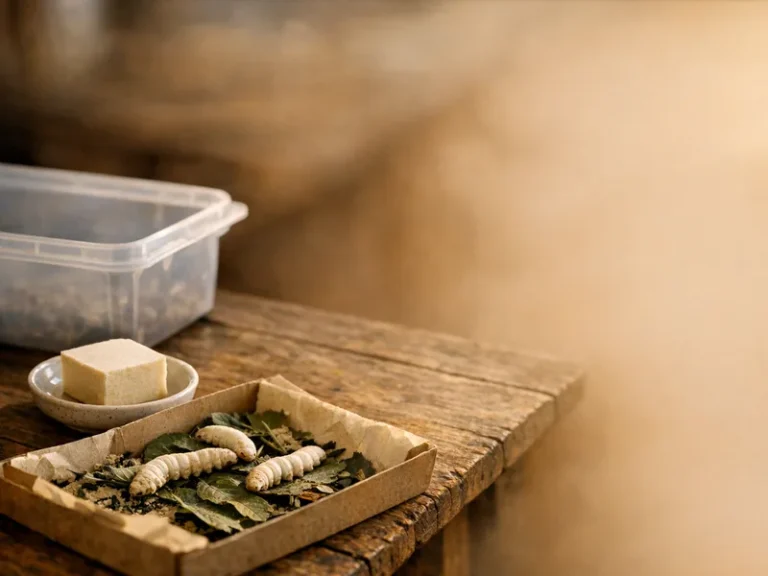
A feeder spread sized for whichever path you pick: a leo's daily insects or a crestie's occasional top-up.
Written by the TC INSECTS breeding team · Porter, Texas · Live Arrival Guarantee on every order
Have a care question? Ask our community.
Join Reptile Keepers USA, our free Facebook group for reptile, amphibian and invert keepers. Share your setups, get care help and swap feeder tips.
Join the free group