Retired Breeder vs Regular Adult Dubia: Which to Buy?
A retired breeder dubia is not premium breeding stock, it is a large female Blaptica dubia that has already finished her productive years in a colony and is sold at TC as an oversized feeder, not a starter for your own colony. That name trips up a lot of buyers, since "retired breeder" sounds like exactly the animal you would want to found a colony with, when TC's own listing says the opposite. Below is what a Jumbo Retired-Breeder actually is next to a regular Adult Dubia, the honest price-per-roach math, who each one suits, and how long they actually live once they arrive.
An adult past her productive colony years, sold as a feeder only
About 50 cents a roach at the smallest tier, TC's cheapest feeder per bug
Live Arrival Guarantee only; no extended-life guarantee since they are already aging

What Is a "Retired Breeder" Dubia, Really?
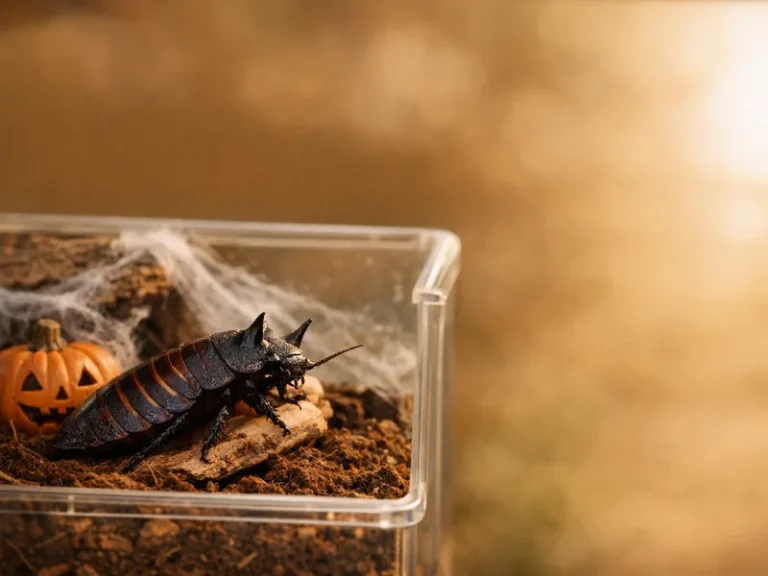
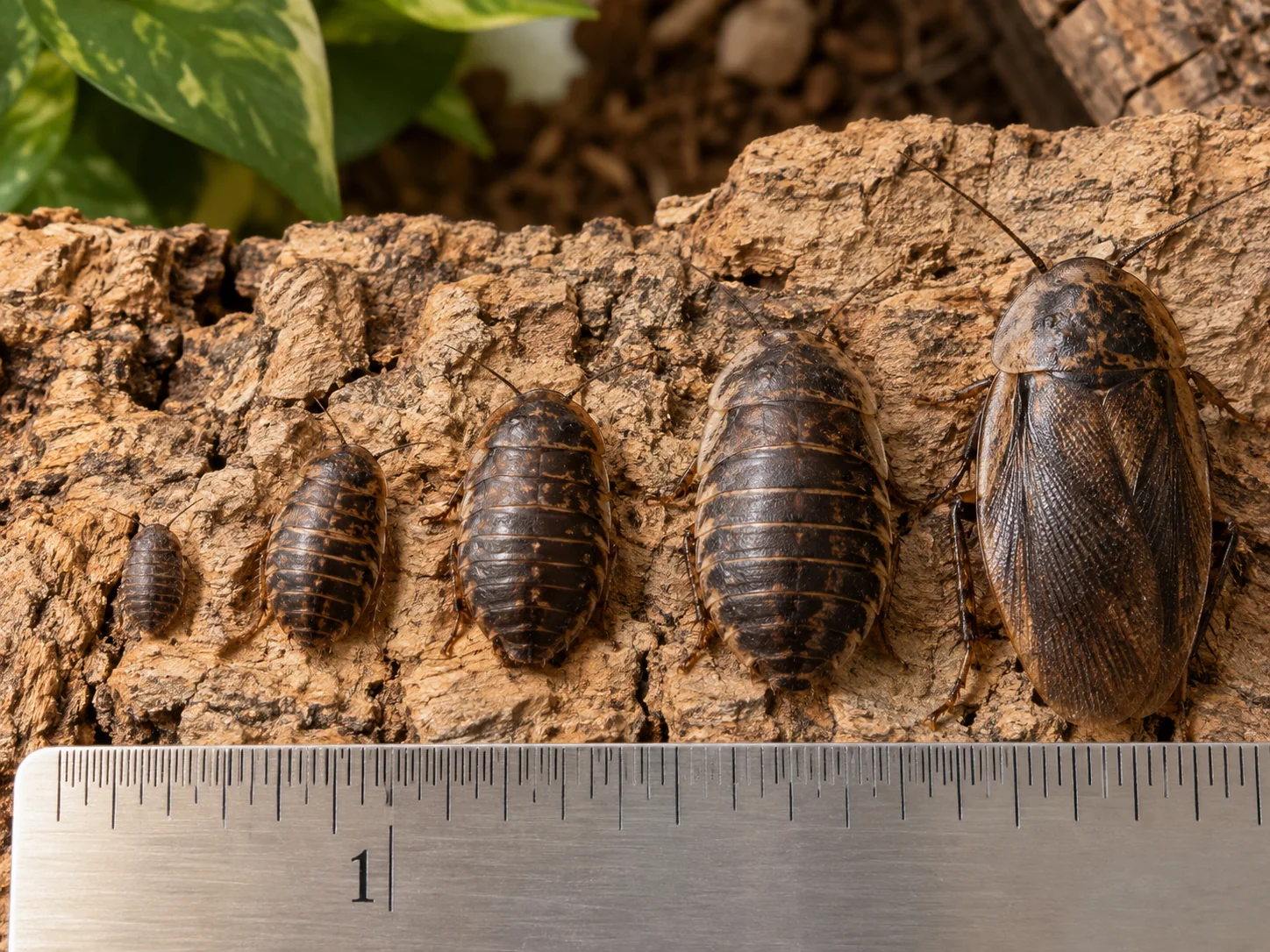
TC's Jumbo Retired-Breeder Dubia are large adult females pulled from a breeding colony once their productive period is ending, sold in bulk as an oversized feeder rather than as fresh breeding stock. TC's own product page is direct about this: they are intended as feeders only for genuinely large predators, priced below prime adults precisely because their breeding value is behind them, not ahead of them.
The name is the confusing part. A reader who has never bought one would reasonably assume a "retired breeder" is proven, valuable breeding stock at a discount, when it is closer to the opposite: TC is passing along a lower price because these roaches are no longer useful for breeding, and the value is entirely in their size as a feeder.
Retired Breeders vs Regular Adults, Side by Side
Both come from the same species and the same farm, and both are fully mature. The real differences are what each one is bred and sold for; TC's full dubia lineup lists every size next to these two if you want to compare them side by side before ordering.
Jumbo Retired Breeders
Starting at $25.00 for the smallest available count of 50 roaches and scaling to $140.00 at bulk, these are large, heavy-bodied females at or above TC's standard Large size grade. TC does not guarantee a specific sex mix, since the batch is whatever the colony cycled out, and availability is intermittent rather than a standing stock item.
Regular Adult Dubia
Starting at $2.50 for a single roach and scaling to $100.00 in bulk, this is the only TC dubia size sold by confirmed sex, with quantities beginning at one. These are prime, reproductively mature adults, the correct starting point for anyone building a breeding colony by hand rather than buying a pre-mixed starter.
The Price Question: Which Is Actually Cheaper Per Roach?
At a glance, the sticker prices make retired breeders look like the expensive option, $25 versus $2.50. Read the counts behind those prices and it flips completely: that $2.50 is TC's starting price for one regular adult, the male rate, with a single female starting at $2.99, while $25 is TC's price for its smallest retired-breeder count, 50 roaches, which works out to roughly 50 cents a bug. That is a fifth of the cost of a single regular adult, and it is why TC's own listing calls the jumbo tier the best value per bug it sells, not a premium product.
The gap widens further once weight enters the picture. Published weight studies put a healthy mature dubia at roughly 1 to 2 grams, and TC's retired breeders run noticeably bigger and heavier than a roach that just reached standard Adult size, so the true cost per gram of feeder mass favors the jumbos even more than the per-bug math alone suggests. TC does not publish an exact weight for this tier, so treat this as a directional point, not an exact figure.
Who Should Buy Jumbos, and Who Should Skip Them
Jumbo Retired-Breeder Dubia make sense for genuinely large predators that need real bulk per feeding: big monitors, tegus, large adult bearded dragons, sizeable chameleons, big frogs and toads, and large tarantulas. For an animal that size, a handful of jumbos replaces a much bigger handful of standard adults, at the lower per-bug price described above.
They are the wrong purchase for a standard adult bearded dragon or anything smaller, which should stay on Medium or Large dubia instead; our dubia size guide maps every size to the animal it actually fits. They are also the wrong purchase for anyone hoping to start a colony. TC's own listing is explicit that these are feeders only, since a female's productive period is already behind her; if breeding is the goal, regular Adult Dubia sold by sex, or our guide to breeding dubia at home, is the correct starting point instead. One more thing to check before you order either tier: TC does not ship Dubia roaches to Florida.
How Long Do They Actually Live After Arrival?
Not long, and TC says so plainly rather than overselling the guarantee. TC's standard Live Arrival Guarantee still applies, so a jumbo will reach you alive, but there is no extended-life guarantee beyond that arrival check, since these are aging adults near the end of their natural lifespan. Our own dubia growth chart puts retired breeders at typically a year or older by the time they are offered for sale, well past the roughly 5 to 6 months it takes a nymph to first reach standard Adult size.
Published lifespan research on the species broadly puts a mature dubia's total adult life somewhere around a year and a half to two years, so a roach already a year or more into that window has a genuinely shorter runway left than a fresh Adult. The practical takeaway is simple: plan to feed jumbos off within days to a couple of weeks of arrival, not hold them as a long-term feeder stock the way you might a cup of Medium or Large.
The Jumbo or Breeding Dubia Kit
Whichever tier fits your goal, the biggest feeder or real breeding stock, plus the feed and calcium to use it right.
Frequently Asked Questions
Written by the TC INSECTS breeding team · Porter, Texas · Live Arrival Guarantee on every order
Have a care question? Ask our community.
Join Reptile Keepers USA, our free Facebook group for reptile, amphibian and invert keepers. Share your setups, get care help and swap feeder tips.
Join the free group