Individual isopod lifespan varies by genus, but a healthy colony can continue for years through overlapping generations. Learn the rough ranges and the care conditions that matter more than any single number.
Individual isopod lifespans vary quite a bit by genus, and keepers typically hedge these numbers rather than treat them as fixed: Porcellionides (Powder Orange and Powder Blue) tends to run around 1.5 to 2 years, Porcellio species like the Dairy Cow land closer to 2 to 3 years, Armadillidium sits in that same 2 to 3 year range, and Cubaris often pushes past 3 years in a well-run culture. Real-world lifespan swings with how the bin is run far more than it swings with genetics alone. Here is the part that matters more than any single number: a healthy colony does not really age out, because overlapping generations keep breeding long after the founding isopods are gone, so a culture can run for years even though no individual in it lives nearly that long. What actually shortens a lifespan is almost always husbandry, not the genus itself: too much heat, a substrate that dries out, or a diet with no protein or calcium in it.
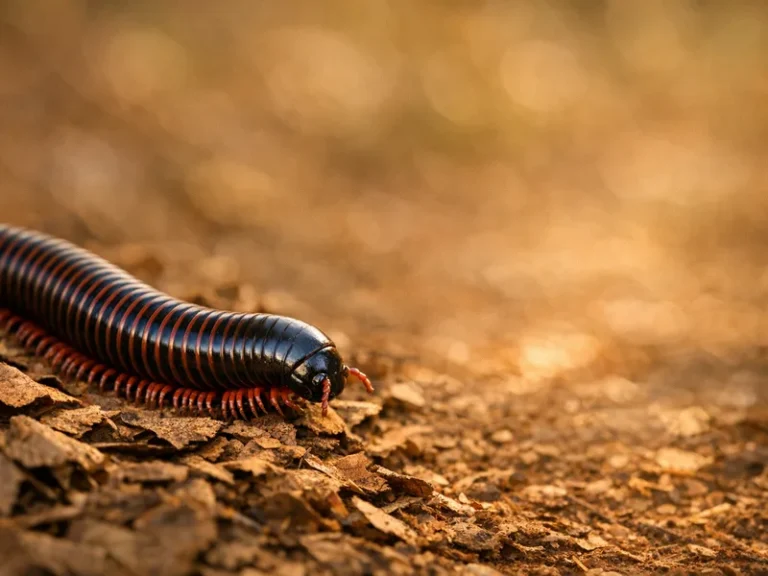
Fast life cycle, the quickest turnover
Slow growing, but individuals last
Steady breeding means no real expiration date
The short answer: lifespan by genus
Every number below is a hedge, not a lab result, because nobody has run a controlled lifespan study on hobby isopods and keeper reports vary with how well a given culture is run. With that caveat: Porcellionides species like Powder Orange and Powder Blue tend to run the shortest, commonly cited around 1.5 to 2 years, which is part of why they build numbers so fast in the first place. Porcellio species, including the big Dairy Cow (Porcellio laevis), typically run closer to 2 to 3 years, and Armadillidium lands in that same 2 to 3 year neighborhood.
Cubaris is the outlier on the slow end. Keepers who work with Cubaris regularly report individuals pushing past 3 years in a well-run culture, sometimes longer, which lines up with how slowly the genus grows and matures in the first place. If you want to browse the genus this pattern is based on, our Cubaris isopods page has the full lineup.
Why a colony outlives any single isopod
Individual lifespan is almost the wrong question for a keeper to worry about, because a healthy colony is not one animal aging out, it is dozens or hundreds of overlapping generations. Adults breed, produce a batch of tiny mancae, and by the time those adults reach the end of their run, their own offspring are already grown and breeding themselves. The colony as a whole has no real expiration date as long as that cycle keeps turning over.
This is exactly why a colony that stops producing new isopods is a much bigger red flag than any one individual dying of old age. If your numbers are not climbing and you are not seeing fresh mancae, work through our guide on why a colony won't breed before you assume you are just watching natural lifespan losses stack up.
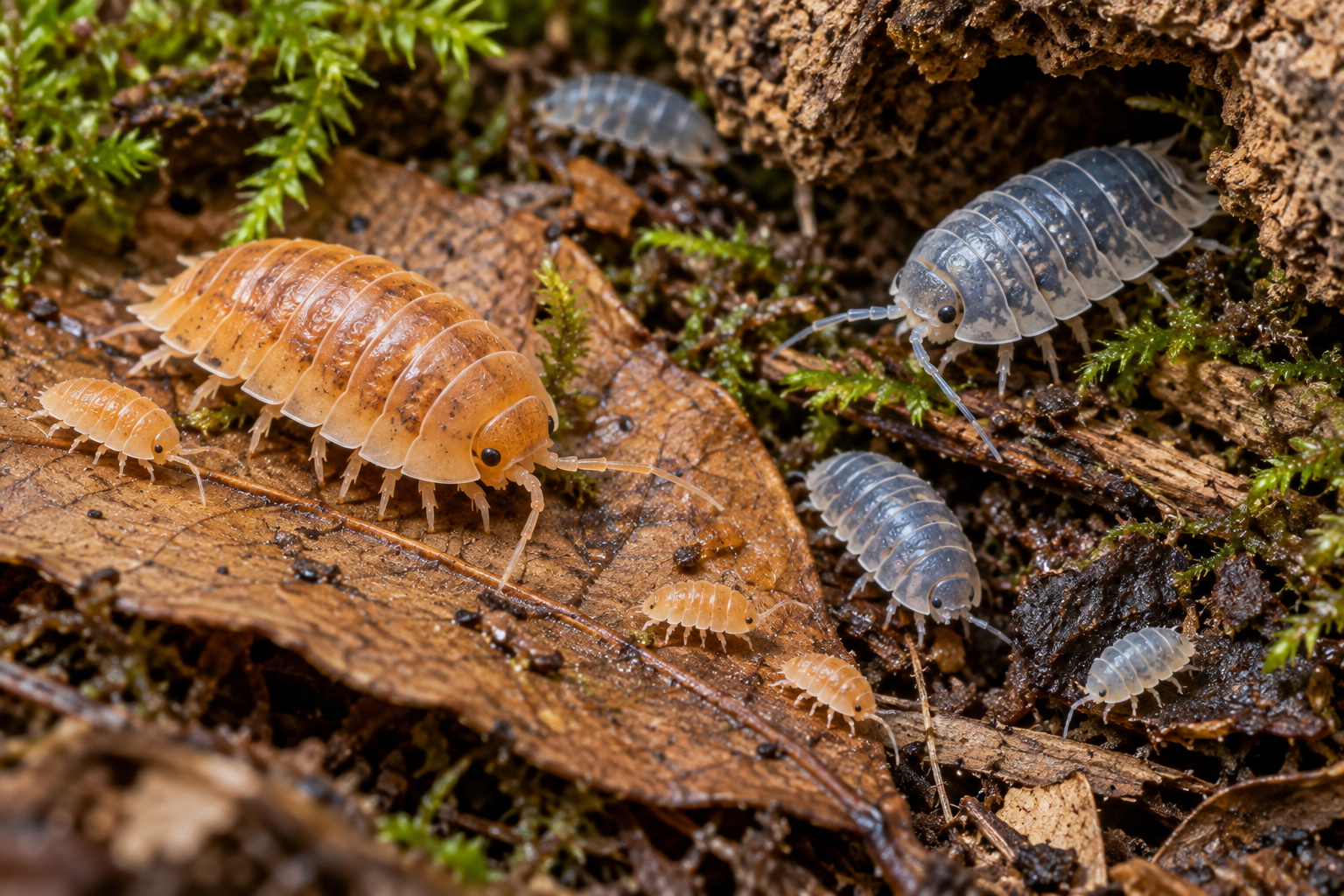
What actually shortens an isopod's life
Genetics set the ceiling, but husbandry decides how close a given isopod gets to it. Heat is the biggest lever: a bin that regularly runs hot pushes isopods through their life cycle faster and burns through that lifespan sooner, which is one more reason to keep most species at a normal room temperature rather than reaching for extra warmth. We cover the temperature side in detail in our isopod temperature guide.
Dryness and a thin diet do the same kind of damage. A substrate that swings from damp to bone dry stresses isopods and shortens both lifespan and breeding output, and a diet with no protein or calcium leaves them short on what they need to molt cleanly, which is when isopods are at their most vulnerable. Keep the moisture steady and offer real food, not just leaf litter, and most species will live out their full stretch.
Porcellionides and Porcellio: built to breed fast, not live long
The short-lived genera are not a downside, they are a trade-off that works in your favor as a keeper. Porcellionides pruinosus, sold as Powder Orange and Powder Blue, and many Porcellio species turn over quickly and reach breeding age fast, which is exactly why they are the backbone of most cleanup crews and starter cultures. A shorter individual lifespan paired with a fast path to sexual maturity means the colony's population curve climbs quickly.
If your priority is a cleanup crew that establishes itself in a hurry rather than a long-lived display animal, these are the genera to lean on. They are also the most forgiving picks for a first culture, since a mistake costs you less time than it would with a slower-growing species.
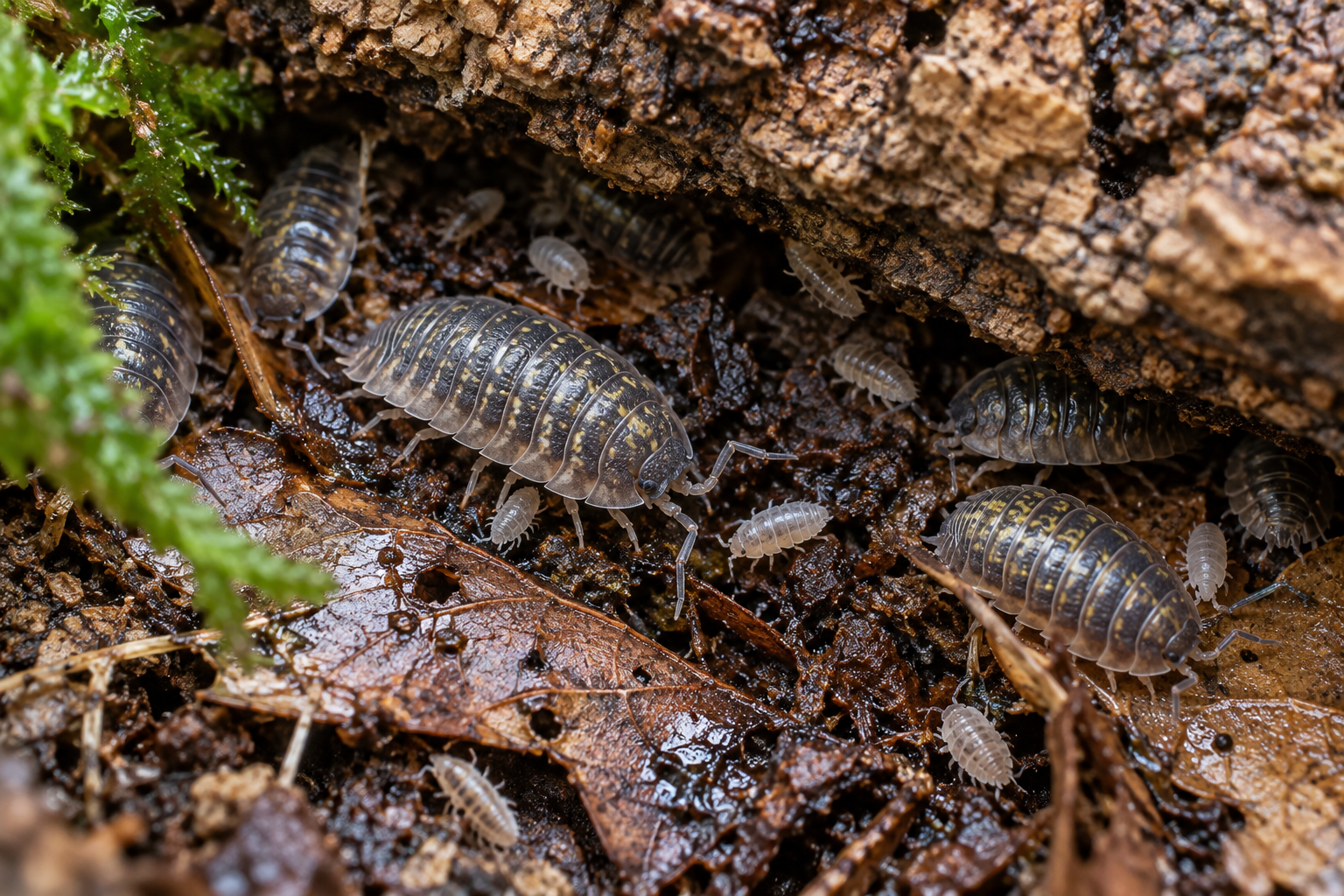
Cubaris live longer, and that shapes how they are kept and priced
The flip side of a 3 plus year individual lifespan is a slower path to get there. Cubaris grow and mature more slowly than Porcellionides or Porcellio, which is part of why Cubaris morphs carry a higher price than a starter cleanup crew species, you are paying for a slower-growing, longer-lived animal that took longer to reach sellable size in the first place. That trade-off is also why Cubaris are usually kept as a display culture rather than a bulk cleanup crew.
If a longer-lived, slower, more collectible isopod is the appeal, our best display isopods guide walks through the showiest picks and how to set up a culture where you can actually watch them.
Planning a culture around lifespan, not just price
Knowing the rough lifespan of a genus changes how you should think about a purchase. A fast-turnover Porcellionides culture needs less patience to see numbers climb but also cycles through generations faster, while a Cubaris culture asks for more patience up front in exchange for individuals that stick around longer. Neither is better, they are suited to different goals, a working cleanup crew versus a display colony you watch for years.
Whichever genus you pick, the same rule applies: a colony with steady breeding will outlast any individual lifespan number by a wide margin. If you want to speed that breeding along within a genus's natural pace, our guide to making isopods breed faster covers the levers that actually move the needle.
Every Genus, Ready to Start a Culture
From fast-turnover Powder isopods to long-lived Cubaris, picked to match the lifespan and pace you want. Tap to add, then send it to your cart in one go.
Frequently Asked Questions
Written by the TC INSECTS breeding team · Porter, Texas · Live Arrival Guarantee on every order
Have a care question? Ask our community.
Join Reptile Keepers USA, our free Facebook group for reptile, amphibian and invert keepers. Share your setups, get care help and swap feeder tips.
Join the free group