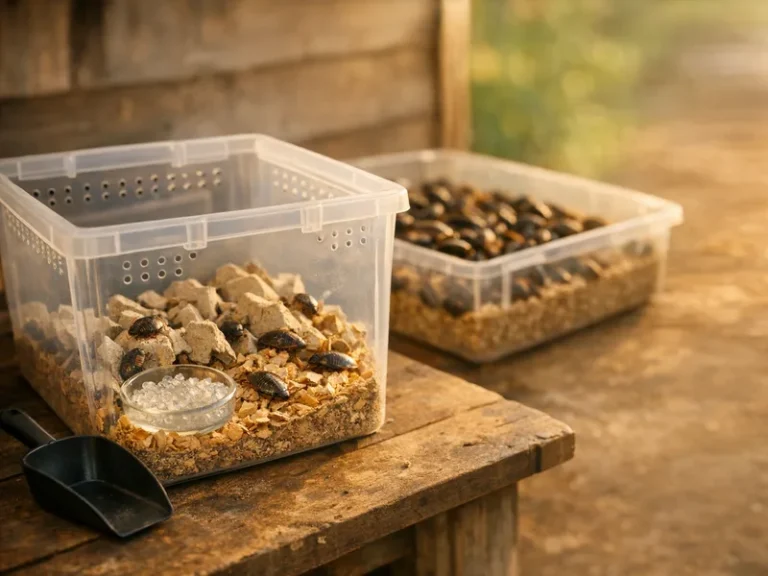
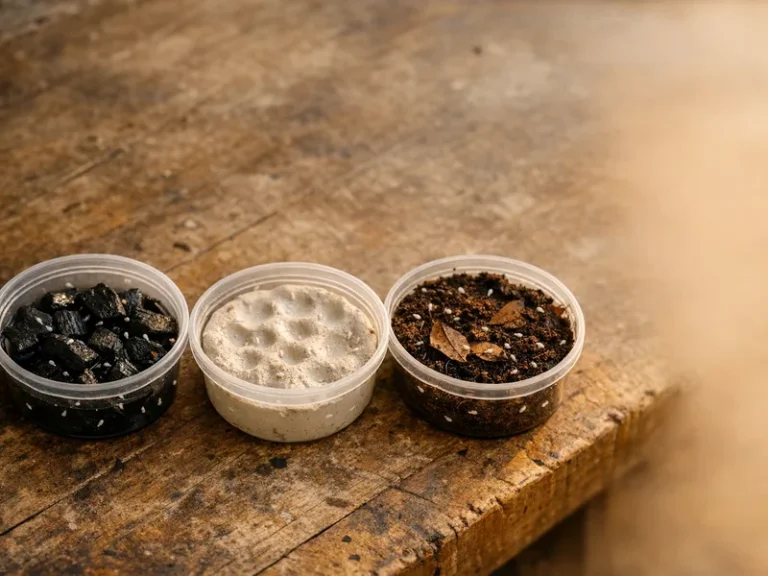
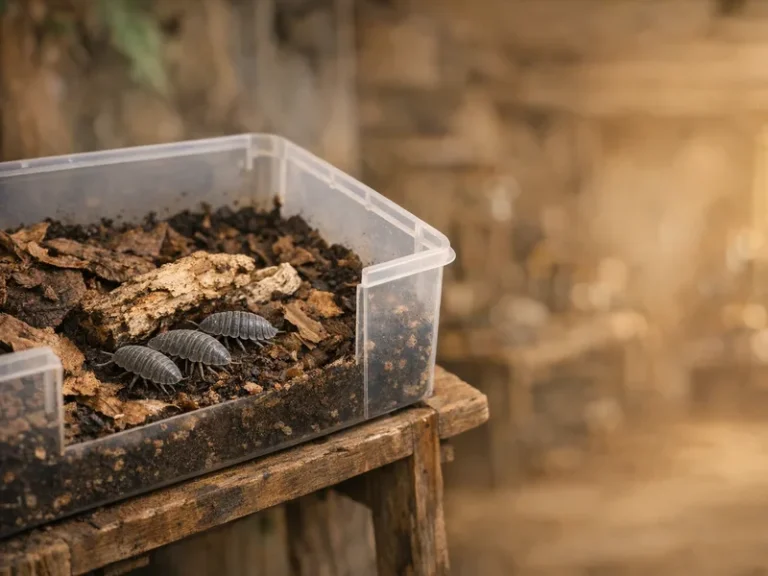
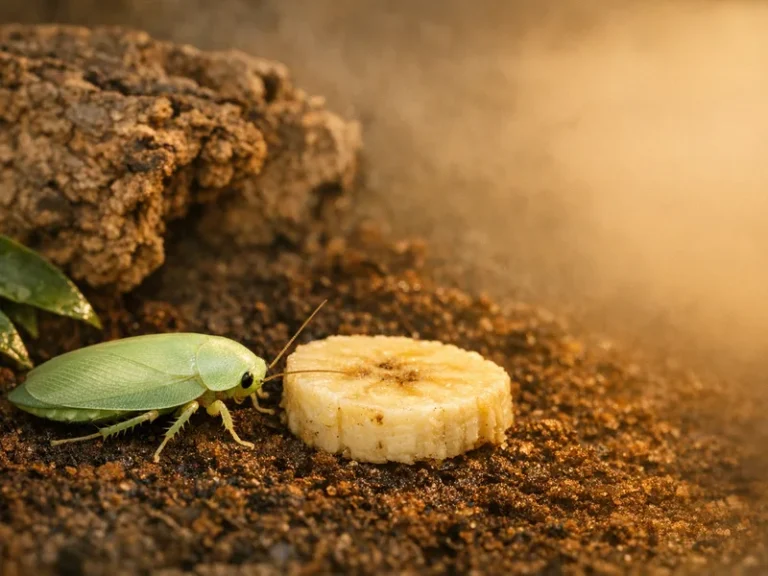
For a live-planted vivarium, Dwarf White isopods and springtails are the lowest-risk cleanup crew. See which larger species deserve more care, and how leaf litter and supplemental food protect tender growth.
The safest isopods for a live-planted vivarium are Dwarf Whites (Trichorhina tomentosa) paired with springtails, since neither one has any real reputation for touching plant tissue. The isopods keepers most often blame for plant damage are Armadillidium species and, especially, the larger Porcellio like Dairy Cow, and even then it is almost always a stressed, tender, or newly transplanted leaf getting nibbled, not a healthy established plant under attack. Size and diet are the pattern here: bigger, more protein-hungry isopods are more likely to test something green when their usual food runs short, while tiny detritivores like Dwarf White stay focused on decaying leaf litter and waste. If you want the extra insurance, generous supplemental feeding keeps even the nibblers focused on their bowl instead of your Armadillidium or your fern.
No real reputation for touching live plant tissue
Can nibble stressed or tender leaves when underfed
Leaf litter and protein redirect appetite off your plants
The short answer: size and diet predict the risk
No isopod is a dedicated plant-eater; every species sold in the hobby is a decomposer first, built to process dead and decaying material rather than living tissue. But size and how protein-hungry a species runs does predict how likely it is to test a live leaf when its regular food gets thin. Small detritivores stay focused on leaf litter; bigger, hungrier species are the ones that occasionally wander.
Our isopod care guide covers the full lineup of beginner species if you want the wider picture before narrowing in on a plant-safe pick.
The safest picks for a planted vivarium
Dwarf White (Trichorhina tomentosa) is about as close to zero risk as it gets. It is tiny, tunnels into the substrate, and processes fine decaying waste, with no real reputation for touching plant tissue at all. Springtails carry the same low risk from the other direction: they graze mold and fungus at the soil surface, not living leaves, which is why they are the standard first addition to any new planted bioactive setup.
You'll find Dwarf Whites on our beginner isopods page, and pairing them with springtails covers both halves of cleanup with the lowest plant risk of any combination we sell.

Armadillidium: usually fine, occasionally curious
Armadillidium, the classic pill bugs and roly polies, are popular in planted vivariums, and most keepers never have an issue. But there are enough reports among breeders of a stressed, tender, or freshly transplanted cutting getting nibbled that it is worth knowing about, especially in a newly set up tank where the plants have not hardened off yet.
The nibbling is opportunistic, not a targeted attack on a healthy, established plant. Give new plants time to root in, favor tougher species while a tank is fresh, and feed the colony well, and it is rarely an issue once everything settles in after the first few weeks.
Large Porcellio: the same protein-driven pattern, bigger
The big Porcellio species, especially Porcellio laevis (Dairy Cow), are hungry, protein-driven decomposers. That same drive is what can make a hungry Dairy Cow nibble a sick, sleeping, or freshly molted tankmate in a low-protein enclosure, and it is the same underlying pattern that can make it the most likely species on this list to test a stressed plant leaf. It is hunger-driven and opportunistic, not a fixed trait of the species.
If you specifically want a big Porcellio in a heavily planted display, feed it well and stick to hardy, well-established plants rather than delicate seedlings. If you would rather skip the guesswork entirely, the smaller Powder isopods carry the same low risk profile as Dwarf White.
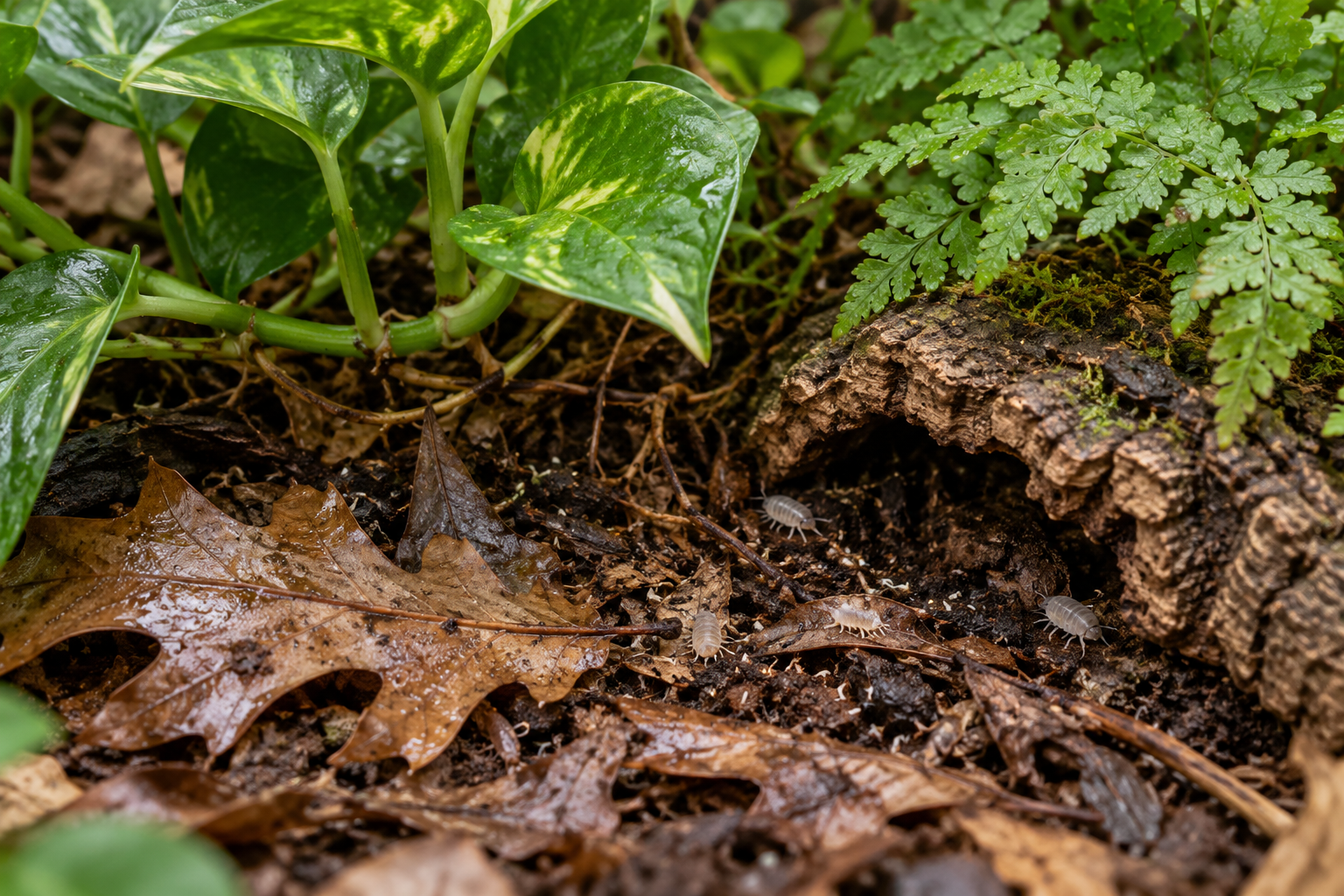
The fix: feed generously enough that plants aren't the easy option
Nearly every 'isopods ate my plant' situation traces back to a colony running short on its preferred food, not to the species itself. A steady layer of leaf litter as the staple, plus a light weekly pinch of protein and a calcium source, gives every species on this list a better option sitting right in front of it than a live leaf.
Our leaf litter and isopod feed make that easy to keep stocked. Underfeeding, not species choice alone, is usually the real variable, which is good news, since it is the easiest part of this whole equation to fix.
Building a plant-safe cleanup crew
For a heavily planted display where the plants are the whole point, start with Dwarf White and springtails and skip the higher-risk species entirely. For a mixed setup where you want more visible activity and a bit of color without meaningfully raising the risk, Powder Orange or Powder Blue are a strong middle ground.
Reserve Armadillidium and the big Porcellio for enclosures where the plants are hardy, well established, or simply not the centerpiece, and feed generously either way. Our isopod and springtail combos bundle the safest pairing in one order.
Build a Plant-Safe Cleanup Crew
The safest species and the feeding fix behind the answers above, ready to add in one tap.
Frequently Asked Questions
Written by the TC INSECTS breeding team · Porter, Texas · Live Arrival Guarantee on every order
Have a care question? Ask our community.
Join Reptile Keepers USA, our free Facebook group for reptile, amphibian and invert keepers. Share your setups, get care help and swap feeder tips.
Join the free group