Millipedes and Isopods
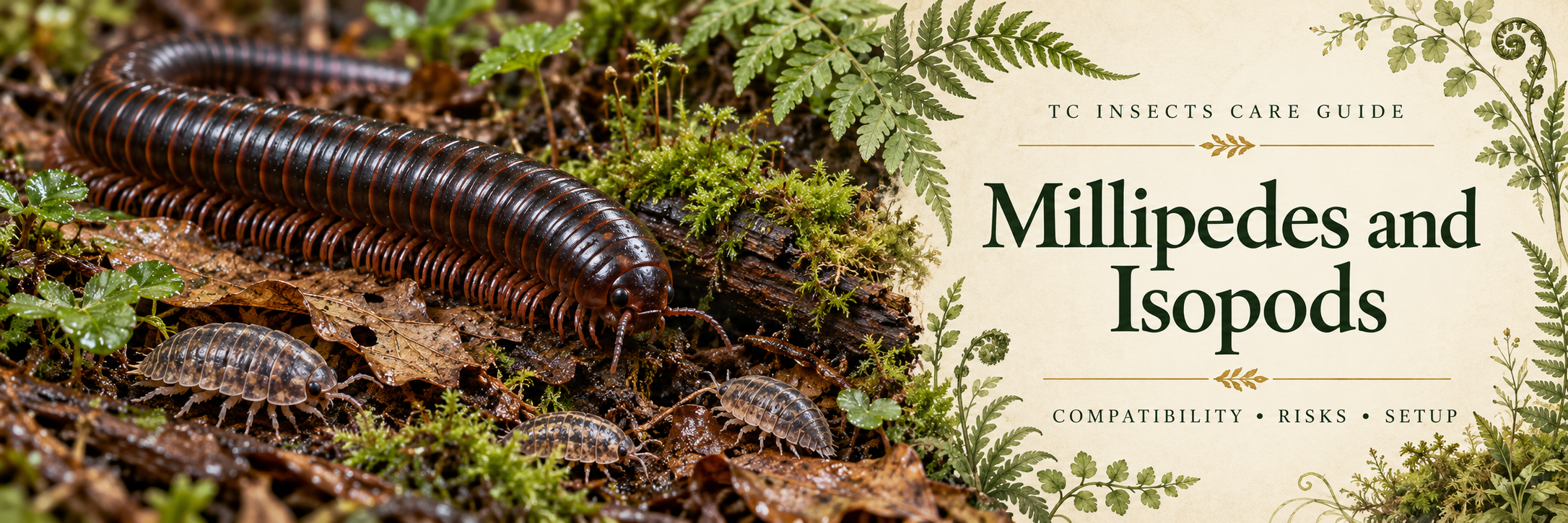
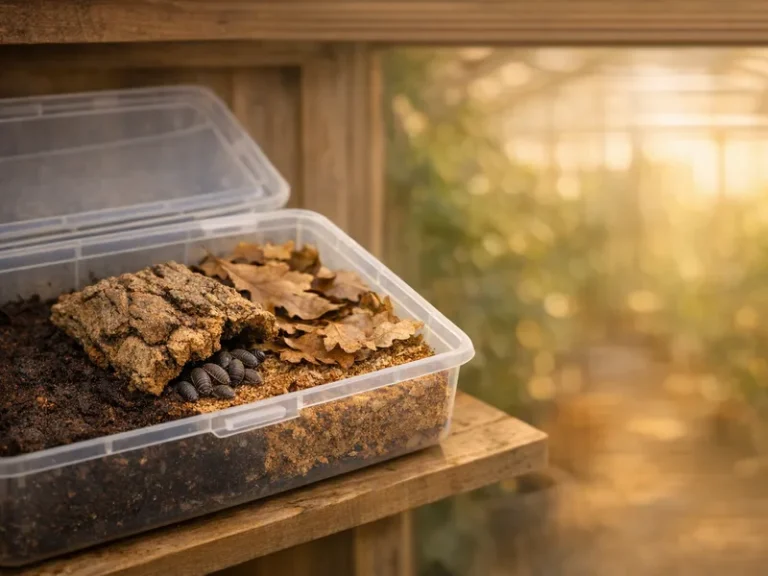
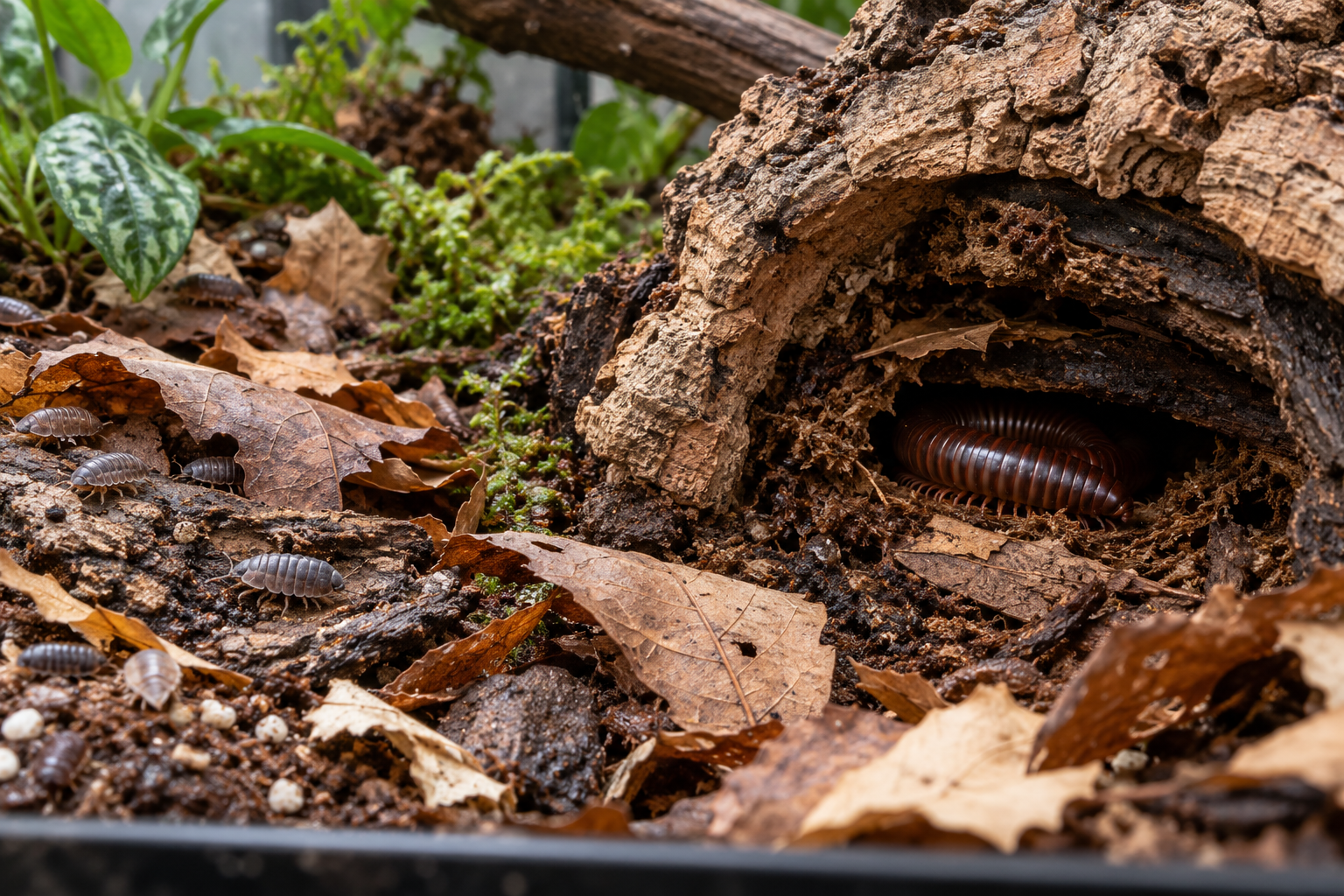
The honest answer is it depends, not a simple yes. Isopods and millipedes can share a bioactive bin, and plenty of keepers run mixed enclosures successfully, but isopods are opportunistic scavengers, and a molting millipede is genuinely defenseless for hours while its new exoskeleton hardens. The safer pattern pairs a calm, larger millipede like the American Giant Millipede (Narceus americanus) with slower, less excitable isopods rather than a fast, swarming species, and it means keeping eggs and fresh molts out of harm's way instead of trusting a shared bin to sort itself out on its own. If you want the display value of one mixed enclosure, the rest of this guide shows how to stack the odds in your favor, and if you would rather not gamble at all, running two separate bins is a completely reasonable choice.
A soft, newly molted millipede or a clutch of eggs is what isopods actually target
Slow and non-swarming beats a fast, explosively breeding species
Separate housing removes the guesswork completely
The honest answer: it depends
This is a real, ongoing debate among isopod and millipede keepers, and there is no single settled answer, because the outcome depends on which species you pair, how big and how established the millipede is, and what stage of its life cycle it is in at any given moment. Plenty of keepers run mixed bioactive bins with a millipede and an isopod cleanup crew for years without incident. Just as many report an isopod colony nibbling at a molting millipede or wiping out a clutch of eggs.
So treat any blanket "yes, totally safe" or "no, never" claim you read online with some skepticism, including this one. What actually matters is timing and species choice, which is what the rest of this guide walks through, so you can make an informed call for your own setup rather than following a rule that does not account for your actual animals.
Why isopods target a molting millipede
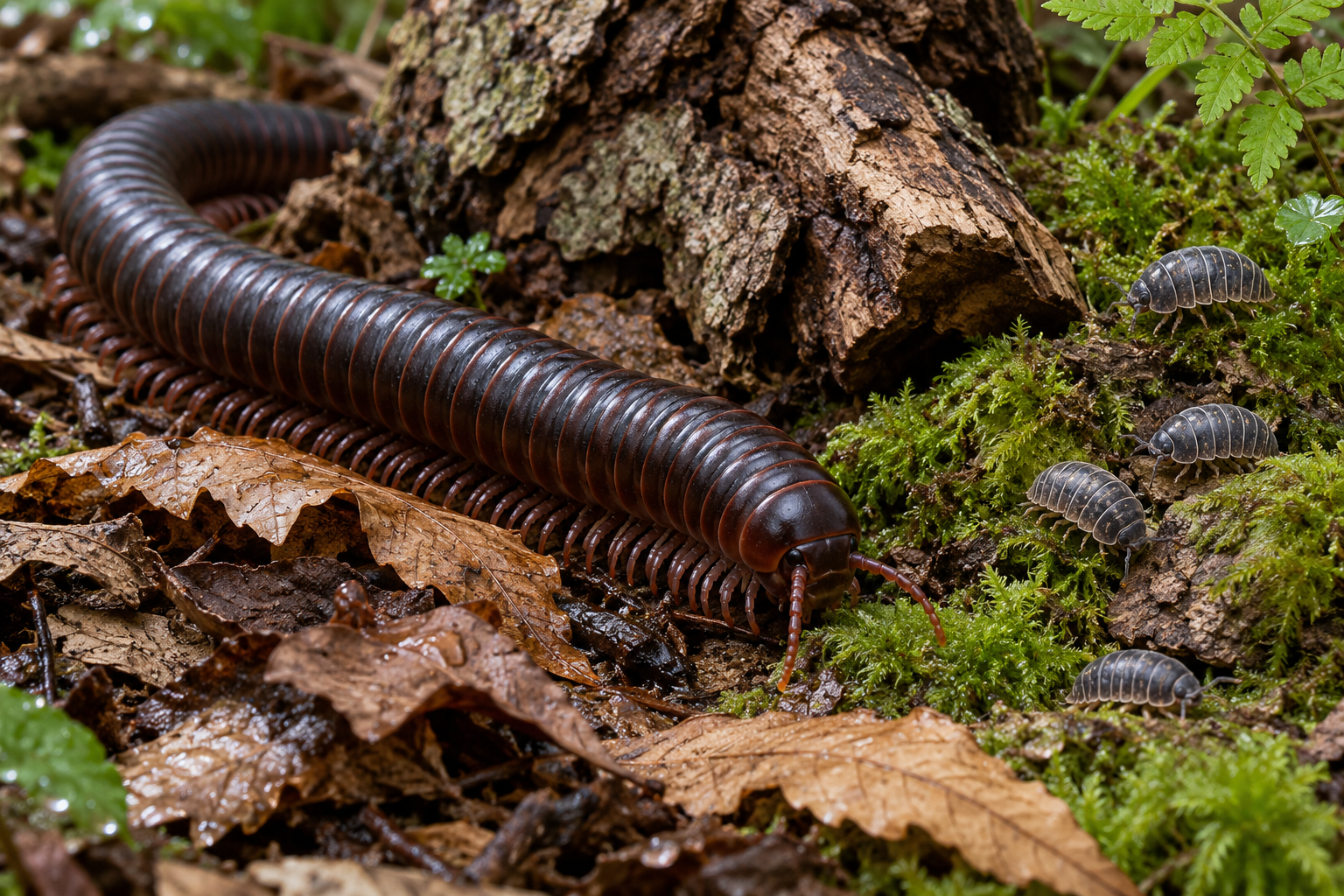
Isopods are detritivores, built to process dead and decaying material, and their instinct is to investigate anything soft, injured, or unmoving as a potential meal. A millipede getting ready to molt typically stops eating, burrows down, and goes still for anywhere from several days to a couple of weeks, and once it splits its old exoskeleton the new one underneath is pale, soft, and essentially defenseless until it hardens, a process that can take hours to more than a day depending on the millipede's size.
That stillness is exactly what triggers scavenging behavior in a hungry isopod. It is not malice or a coordinated attack, it is the same opportunistic instinct that makes isopods excellent decomposers in the first place, just aimed at the wrong target when a vulnerable molt happens to be sitting out in the open. A large, well established millipede molting under a thick layer of substrate it can disappear into is at much lower risk than a smaller one molting near the surface in a sparse setup.
Eggs and babies: the other real risk window
Molting gets most of the attention, but a millipede's eggs and newly hatched young are at least as vulnerable. A female typically lays eggs in a small chamber she builds in the substrate, sometimes coated in waste material for protection, and if isopods happen to tunnel into that chamber they will eat both the eggs and the tiny, soft first hatchlings without hesitation.
The practical takeaway is the same one that applies to any keeper trying to raise vulnerable young alongside a boisterous tankmate, covered in more depth in our piece on whether isopods and springtails can live together: anything small, soft, and immobile is at risk from a hungry decomposer. If you want to breed millipedes on purpose, moving a gravid female or a fresh egg chamber to its own rearing container removes the guesswork entirely.
The safer pairing: calm species, not fast ones
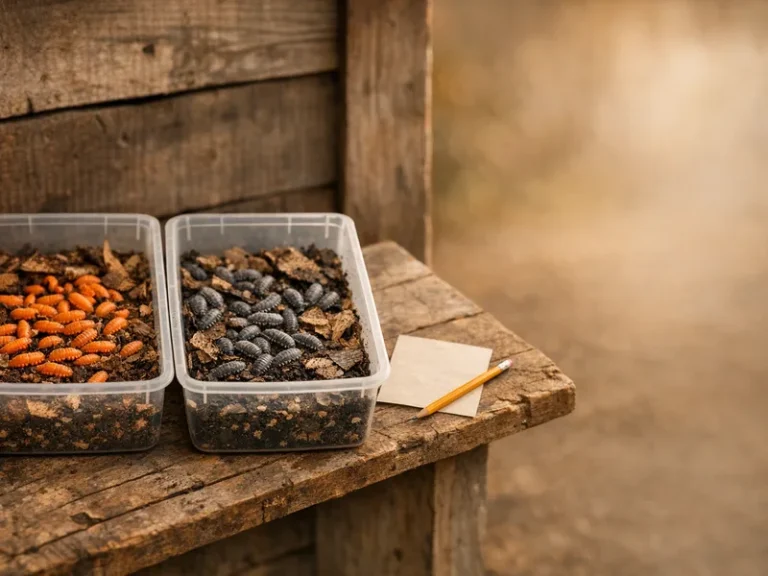
If you do want one shared display, species choice matters more than almost anything else. A big, calm, thick bodied millipede like the American Giant Millipede (Narceus americanus) pairs more safely with a slow moving, non-swarming isopod such as Armadillidium vulgare than it does with a fast, explosively breeding species. Armadillidium forages calmly and in smaller numbers at any given time, which meaningfully lowers the odds that a crowd of isopods finds a molting millipede before it recovers.
Leave the big, protein-hungry Porcellio species out of this pairing altogether. The Dairy Cow isopod (Porcellio laevis) is a superb decomposer, but it is large and so protein-driven that it has a documented habit of nibbling a vulnerable animal that cannot get away, which is precisely the situation a molting millipede is in. Keep Dairy Cow as its own separate colony rather than loose in any enclosure that also holds a millipede, the same rule we give for reptiles in our guide on which isopods are safe with your reptile.
Practical steps to lower the risk
Give the millipede plenty of depth to work with. Millipedes are deep burrowers, and several inches or more of a moisture-retentive substrate, the kind covered in our giant millipede enclosure setup guide, lets it dig down into its own private pocket to molt undisturbed rather than sitting exposed near the surface. Learn the pre-molt signs, reduced appetite and restlessness followed by a period of burrowing and stillness, so you know roughly when extra caution is worth it.
Feed the isopod side of the crew well and consistently, with leaf litter, a little protein, and a calcium source, so a well fed colony has no particular reason to go looking for alternative food. Keep isopod density moderate rather than letting a bin turn into an overcrowded, food-competitive colony. A calm, well fed crew is a safer crew, for the millipede and for anything else sharing its space.
A handling note, and the bottom line
Since keeping isopods and millipedes together means regularly handling and observing both, it is worth repeating the millipede safety basics from our guide on whether pet millipedes are poisonous: many species secrete a defensive fluid when they feel threatened, and while it is not aggressive or fast acting, it can irritate skin and is genuinely bad news in an eye. If it ever reaches your eyes, flush with clean water for several minutes and see a doctor if irritation persists. Wash your hands after handling either animal, as ordinary hygiene.
The bottom line: mixed isopod and millipede bins are not a flat no, but they are not a flat yes either. Pair a calm, established millipede with a calm, unhurried isopod species, give both plenty of substrate depth, protect eggs and fresh molts when you can, and leave big, protein-hungry Porcellio out of the mix. If that feels like more risk than you want to manage, running the millipede and the isopod colony in two separate bins is a perfectly good answer, and neither animal will know the difference.
Build a Safer Mixed Enclosure
The calmer isopod pairing and cover layer that make a shared millipede bin lower risk.
Frequently Asked Questions
Written by the TC INSECTS breeding team · Porter, Texas · Live Arrival Guarantee on every order
Have a care question? Ask our community.
Join Reptile Keepers USA, our free Facebook group for reptile, amphibian and invert keepers. Share your setups, get care help and swap feeder tips.
Join the free group