Live Bugs for a Halloween Party or Classroom
One adult per station, one rule card per tub
Enough to look busy, few enough to keep track of
Exotics ship FedEx Overnight Monday to Wednesday
Four stations. One memorable encounter.
The best live bugs for a Halloween party or classroom encounter are the ones that look alarming and are not: Madagascar hissing cockroaches (Gromphadorhina portentosa), giant millipedes, zebra isopods, and the jumping land shrimp. None of them bite or sting, all four can be held by a child with an adult beside them, and all four live for years afterward in a simple tub. Plan one station per species, 6 to 12 animals each, order about 2 weeks ahead, and use the three-rule handling routine below. Here is what each species does at a party, what it needs for the night, and how to run the room.
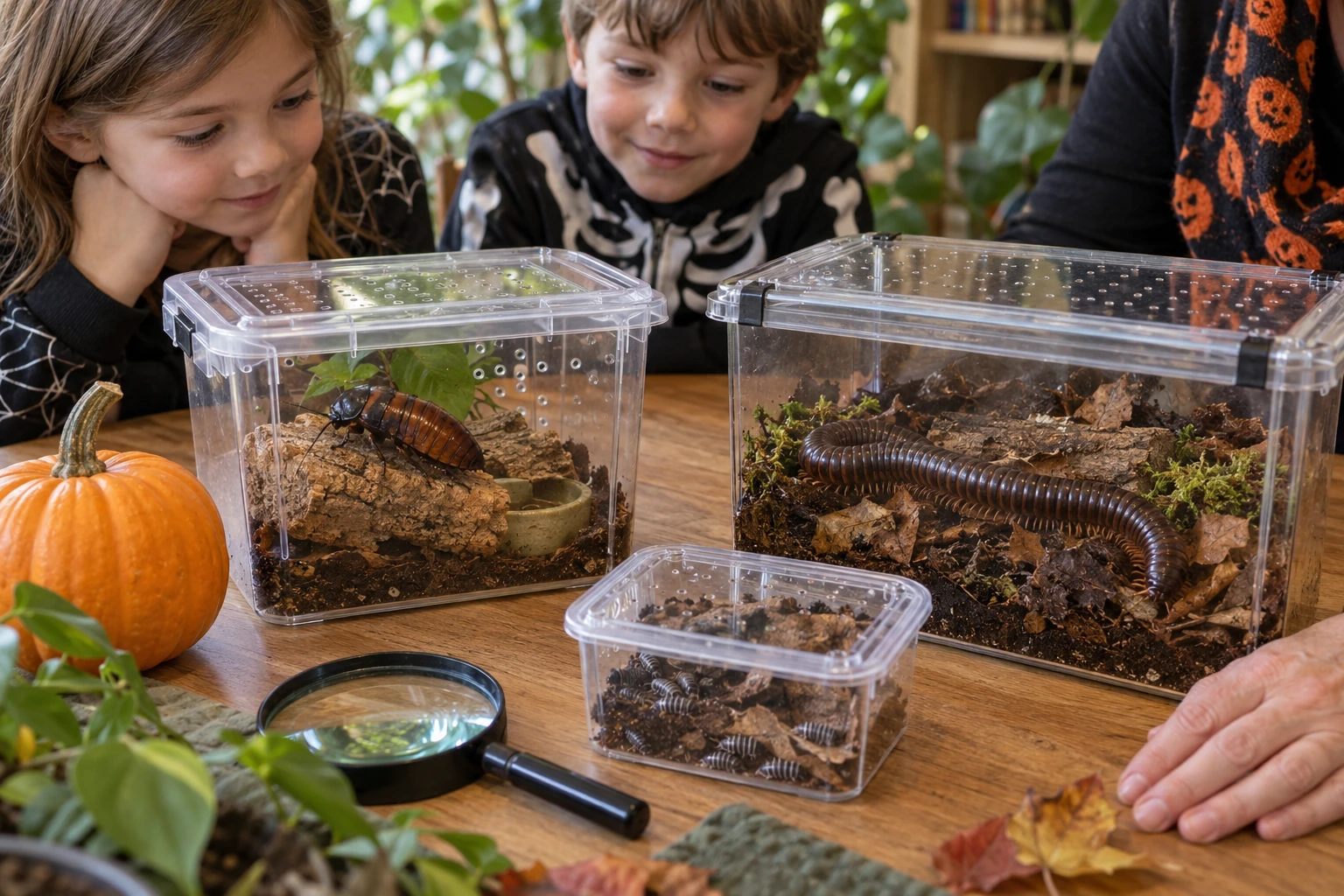
A calm, supervised introduction to live bugs.
Give each species its own display, keep an adult at every station, and prepare their permanent homes before the party.
Station 1: hissing cockroaches, the headliner
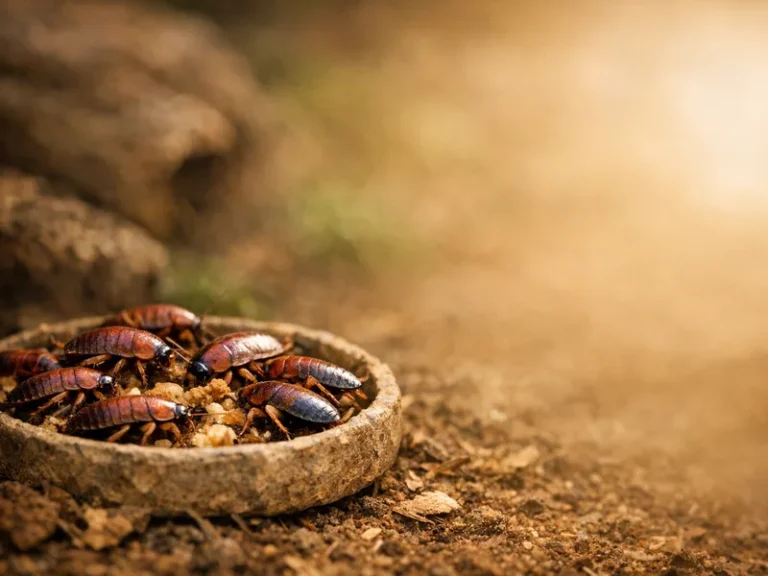
Hissers are the animal everyone came to see: 2 to 3 inches, glossy, horned, and loud. They cannot fly, do not bite, and hold still on a warm palm. A shallow clear tub with coco fiber, a bark hide, a lamp for warmth, and a 2 inch band of petroleum jelly around the inside rim holds a dozen of them all night with no lid. Put this station at the entrance, because the hiss carries and it pulls people in. Full setup and handling detail lives in hissing cockroaches for Halloween.
One species tip: the Halloween hisser (Elliptorhina javanica) is smaller than the Madagascar giant, with an orange and black pattern that looks painted for the occasion. Mixing a few into the tub gives children something to compare, and both handle the same way. Both are stocked year-round with our exotic roaches.
Station 2: giant millipedes, the slow one
A giant millipede is the calmest animal in the room. The American giant millipede (Narceus americanus) reaches about 4 inches, moves at a walking pace across a hand, and curls into a spiral when it wants to be left alone. Hundreds of tiny legs moving in waves is a sight children do not forget. House them for the night in a tub with 2 inches of moist coco fiber and leaf litter, a piece of bark, and a lid, because they wander; they cannot climb smooth plastic but will push under a loose lid.
Millipedes have one defense you must respect: when stressed they release a bitter fluid from pores along the body that can stain skin yellow-brown for a day or two and irritate eyes. So handling rule number one at this station is hands flat, no squeezing, and no touching the face until hands are washed. If the fluid reaches someone's eyes, flush them with clean water for several minutes and see a doctor if irritation persists. Handled gently, most millipedes never release it at all. Our guide to handling a giant millipede safely goes deeper, and millipedes are the easiest of the four to keep afterward.
Station 3: zebra isopods, the pill bug that isn't
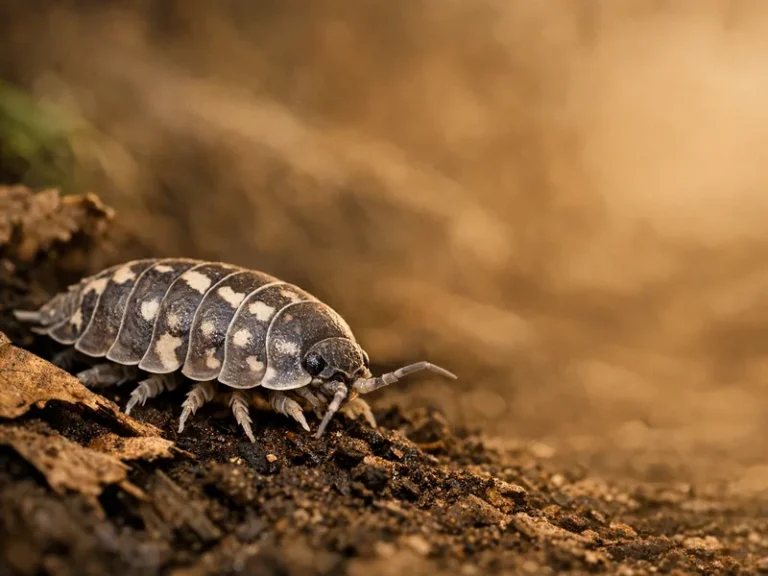
Isopods are the surprise hit with younger children, because they already know the roly-poly from the backyard and here is a striped, half-inch version that curls into a perfect ball. Zebra isopods (Armadillidium maculatum) are bold black and white, easy to see in a shallow dish of dark substrate, and completely harmless; they cannot bite, sting, or squirt anything. A group of 20 to 30 in a clear deli cup with a lid off, a damp corner, and a curl of leaf litter makes a station that runs itself.
The lesson at this tub is that an isopod is a land crustacean, a relative of shrimp and crabs that breathes with gills and needs a damp corner to live. Children can gently roll one into a ball on a palm and watch it unroll. Keep the cup out of the lamp's heat so the substrate stays damp, and it becomes a classroom colony the next morning; a starter of isopods breeds into hundreds within a year in a shoebox.
Station 4: land shrimp, the jumping one
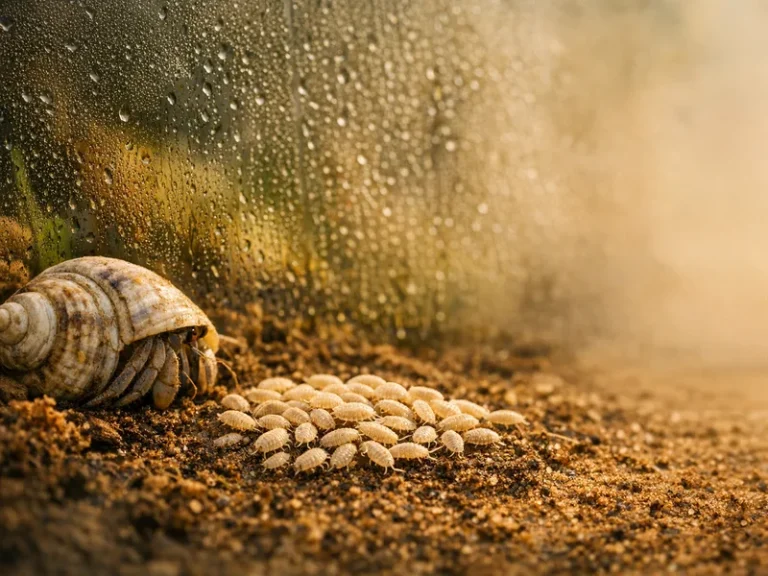
Land shrimp, sold as the jumping isopod, are terrestrial amphipods: sideways-flattened, shrimp-shaped, and able to flick themselves an inch or two into the air when startled. They are tiny, harmless, and the one animal at the party that moves faster than a child expects, which makes them a good closing station. Keep them in a deep clear container with a lid, damp coco fiber and leaf litter, and a flashlight for viewing; they are not a handling animal, they are a watching animal.
Put a magnifier at this station and a card explaining that these are shrimp that live in wet leaf litter, not insects. That is also the honest answer to the question you will get all night, since two of the four stations are not insects at all: millipedes and isopods are arthropods but not insects, and land shrimp are crustaceans. A party that sends children home knowing the difference has done more science than most school units, and the land shrimp culture keeps going in a tub for years.
Ordering, timing, and the night-of setup
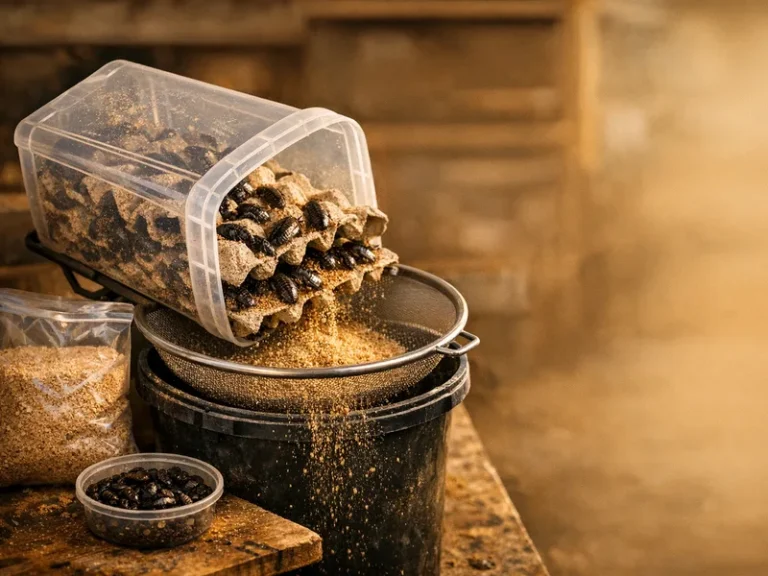
Order about 2 weeks ahead. Live exotics ship FedEx Overnight Monday through Wednesday with Hold for Pickup, so a Friday or Saturday party needs an order placed the week before, and a week of slack covers a weather hold. Have the home tubs ready before the box arrives: a 10 gallon tank or a lidded tote per species with substrate and hides, kept warm for the hissers and damp for the millipedes and isopods. The animals settle for a week before the party and are calmer for it.
On the night, set the four tubs on tables at hip height, one adult at each, a rule card on each tub, and a hand-washing station at the exit. Lamps warm the hissers but dry out the isopods and millipedes, so light those two tubs from the side or use a flashlight. Keep a spare hide in every tub so a stressed animal can retreat, rotate individual animals so no single one is handled all night, and pack everything back into the home tubs before the party ends. For a classroom, the same four tubs become the science corner on Monday.
Handling rules and what to skip
Three rules, said out loud at every station: hands flat and palm up so the animal walks on, hold it over the tub so a drop is short, and wash hands before touching your face or leaving. An adult does the lifting for younger children. Anyone who does not want to hold an animal watches instead; the tub is the show. Keep sessions under a minute per animal and put a roach or millipede back the moment it hisses repeatedly, curls tight, or tries to push off a hand.
Skip anything with a real defense: tarantulas, scorpions, whip spiders, and jumping spiders belong in a sealed display, not a hand, and a party is not the place for them. Skip crickets and feeder roaches too, which escape and are nobody's idea of a show. And skip the release-them-in-the-yard ending; none of these four survive a northern winter, and every one of them is a better pet than a prop. Plan the tanks before the party, and Halloween becomes the day four good animals moved in.
Keep reading: Bug-Themed Birthday Party Kit: Four Live Stations Kids Can Touch
The Four-Station Bug Encounter Kit
One headliner, one slow one, one that curls, and one that jumps: everything for four Halloween tubs that become pets in November.
Frequently asked questions
What live bugs are safe for kids to hold at a Halloween party?
Madagascar hissing cockroaches, giant millipedes, zebra isopods, and land shrimp. None bite or sting. Hissers and millipedes are the handling animals with an adult beside them; isopods can be rolled on a palm; land shrimp are for watching. Skip tarantulas, scorpions, and jumping spiders, which belong in a sealed display.
How many bugs do I need for a party?
Six to twelve animals per station is plenty. That is enough for the tub to look busy and for several children to hold one at once, and few enough for the station adult to keep track of. For isopods, a cup of 20 to 30 works because they are small.
Can a millipede hurt a child?
It cannot bite or sting, but a stressed millipede can release a bitter fluid that stains skin for a day or two and irritates eyes. Handle with flat hands, no squeezing, wash hands before touching the face, and if the fluid reaches someone's eyes, flush with clean water for several minutes and see a doctor if irritation persists.
When should I order live bugs for Halloween?
About 2 weeks before the party. Live exotics ship FedEx Overnight Monday through Wednesday with Hold for Pickup, so order the week before a weekend event and leave a week of buffer for a weather hold. Have the home tubs set up before the box arrives so the animals settle in.
Do I need heat or humidity for a one-night display?
Hissers like a warm tub, so a lamp aimed at their tub helps. Millipedes and isopods need damp substrate, not heat, so light their tubs from the side and keep a damp corner. Give every tub a hide so a stressed animal can retreat, and move everyone back to their home tanks before the night ends.
What do I do with the bugs after Halloween?
Keep them, they are all easy long-term pets: hissers and millipedes live for years in a tank, isopods breed into a colony in a shoebox, and land shrimp keep going in a damp tub. If you cannot keep them, give them to a school or a keeper. Never release them outdoors.

Keep learning
Have a care question? Ask our community.
Join Reptile Keepers USA, our free Facebook group for reptile, amphibian and invert keepers. Share your setups, get care help and swap feeder tips.
Join the free group