Are Giant Mealworms Safe to Feed? The Hormone, Explained
Yes: giant mealworms sold in the reptile trade are treated with a juvenile hormone analog, most often methoprene, that blocks pupation so the larva keeps growing instead of turning into a beetle. That fact already answers the breeding question covered in our mealworm colony guide, but it skips the one most keepers actually ask: is it safe to feed a hormone-treated worm to a reptile or amphibian? Below is the honest, husbandry-level answer, plus TC's own current stock position on giant mealworms.
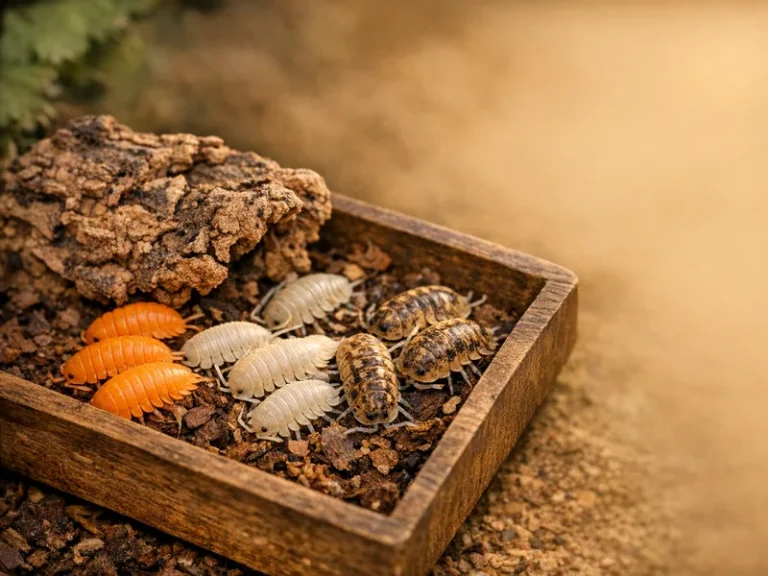
A juvenile hormone analog that blocks pupation so the larva keeps growing
EPA testing found low oral toxicity in rats and dogs; same compound treats fleas on pets
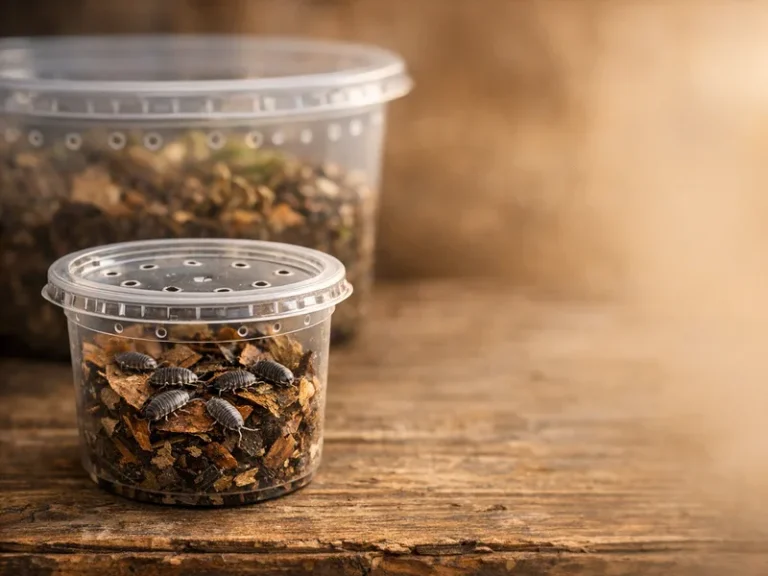
Tough chitin at 1.25 inch raises impaction risk more than the hormone itself

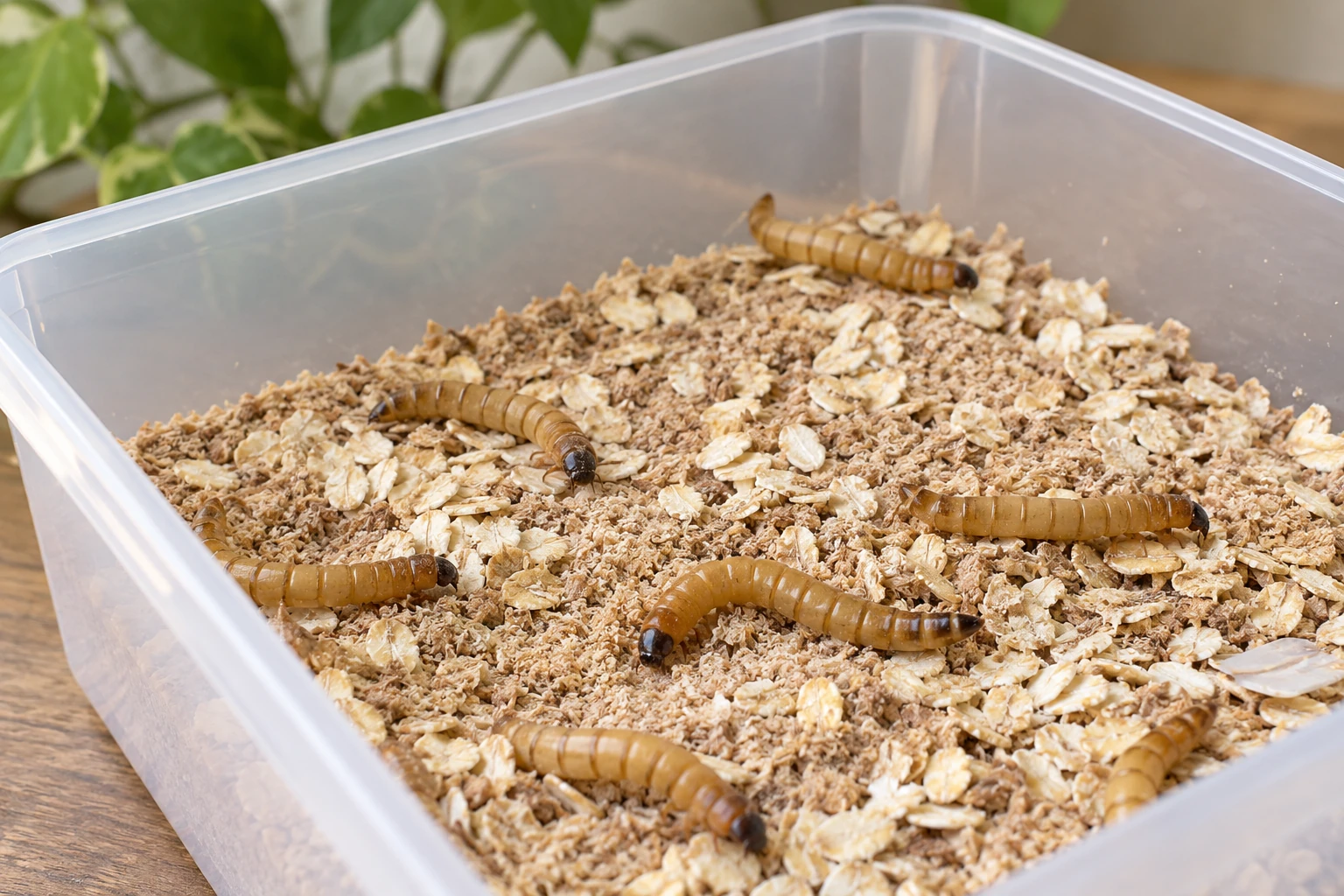
What Actually Makes a Mealworm "Giant"?
A giant mealworm is the same animal as a regular mealworm, the larva of the darkling beetle Tenebrio molitor, held in that larval stage past its normal size. Left alone, a mealworm larva stops growing at around an inch and pupates into a beetle. To get a worm closer to an inch and a quarter, producers treat the colony with a juvenile hormone analog, commonly methoprene, an insect growth regulator that mimics the hormone larvae naturally produce to stay immature. As long as that hormone signal is present, the larva keeps eating and growing instead of molting into a pupa.
This is a farming choice, not a different species or a genetic variant, and there is no way to raise a true giant mealworm without that hormone step. If you want mealworms that pupate and breed normally, any of TC's standard sizes will do that on their own; our mealworm colony guide covers that setup in full, so this post stays focused on the feeding-safety question instead of repeating it.
Is the Hormone Itself Something to Worry About?
Methoprene has a long, well-documented safety record in vertebrates generally. EPA's own toxicology review found the oral LD50 in both rats and dogs measured in the thousands of milligrams per kilogram, with no deaths even at the highest doses tested, and the same juvenile hormone analog is formulated directly into flea products applied to dogs and cats. That track record is reassuring context, not a reptile-specific answer, since juvenile hormone signaling is an insect pathway vertebrates do not share, which is part of why these compounds test so low in mammal studies.
What does not exist is a published study that specifically feeds hormone-treated giant mealworms to reptiles or amphibians and tracks the outcome. Even breeders who sell giant mealworms are candid that this exact question has not been answered either way, and some decline to stock them on principle rather than on any documented harm. Treat the hormone question as genuinely open: the underlying chemistry looks safe by every mammalian toxicity measure available, but no one has run the specific feeding trial that would close the question for good.
The Better-Documented Risk Is Size, Not the Hormone
Set the hormone aside and a giant mealworm still carries the ordinary risk of any mealworm: a tough, fibrous exoskeleton that digests slowly. That risk scales with size, so the largest mealworm size offered anywhere in the trade is also the one most likely to cause trouble if it is fed to an animal too small to handle it. The same rule that governs every feeder on this site applies here without exception, and our feeder insect size chart lays it out by animal: prey no wider than the space between the animal's eyes.
When a Giant Mealworm Fits
A large, established, insect-eating reptile, such as an adult bearded dragon, a big monitor, or an adult toad, can usually handle an occasional giant mealworm as part of a varied diet. Dust it with calcium first, offer it alongside other feeders rather than as the only item on the menu, and treat it as a big, occasional bite rather than a daily staple.
When to Skip It
Hatchlings, juveniles, and any small-bodied reptile or amphibian should skip giant mealworms entirely; the size alone exceeds a safe prey width long before the hormone ever becomes a factor. The same caution applies to any animal already prone to slow gut transit or a history of impaction, where the ordinary mealworm exoskeleton is already a known aggravator.
Does TC Insects Actually Sell Giant Mealworms?
TC does carry a Giant Mealworm listing at roughly 1.25 inches, and our own product page is upfront that they are grown to that larger size for feeding rather than breeding, the same point our colony guide makes. As of this writing, that listing is showing out of stock, so it is not something we can honestly point you toward buying today.
That is worth saying plainly rather than leaving the page live and implying availability it does not have. If a genuinely giant, hormone-held mealworm is what you are after, check back on that listing, since availability shifts with the colony; in the meantime, TC's full mealworm lineup covers every other size.
The Practical Alternative for a Bigger Bite
If the goal is simply a bigger feeder without touching the hormone question at all, TC's standard Large mealworms, about seven-eighths to a full inch, pupate and breed normally, so you can even start your own colony from them later if you want to. Stepping up to superworms is another honest option for genuinely large insectivores: our Large Superworms run 1.5 to 2 inches, a bigger and meatier bite than any mealworm size, giant or otherwise, from a different species entirely with no pupation-blocking treatment involved.
Either way, keep a bag of mealworm bran on hand to hold and lightly gut-load worms until feeding day, and dust with calcium right before offering, the same two habits our live vs dried mealworms guide recommends for getting the most out of any live feeder.
The Big-Bite Feeder Kit
A bigger feeder without the giant mealworm hormone question, plus the bran and calcium to hold and dust it right.
Frequently Asked Questions
Written by the TC INSECTS breeding team · Porter, Texas · Live Arrival Guarantee on every order
Have a care question? Ask our community.
Join Reptile Keepers USA, our free Facebook group for reptile, amphibian and invert keepers. Share your setups, get care help and swap feeder tips.
Join the free group