Wood Runner Springtail Care: The Entomobrya sp. Culture Guide
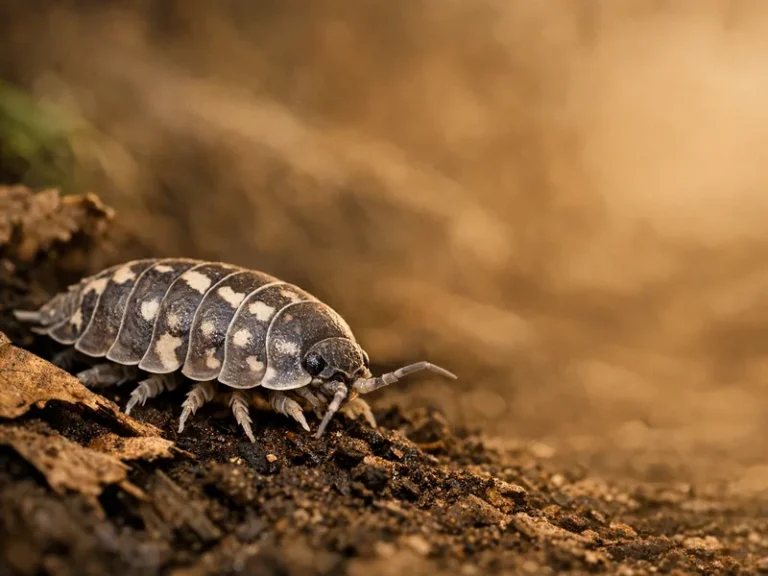
Wood Runner springtails (Entomobrya sp.) want a mostly dry, well-ventilated surface with one damp corner tucked under bark or cork, not a uniformly moist cup like a white springtail culture. TC's listing runs 70 to 85 F, narrowing to a 72 to 78 F sweet spot that lines up with the site's own species reference. At 4 to 5 mm they are among the larger springtails TC sells, but do not expect to watch them work an open surface: this species bolts for cover the instant the lid comes off, which is the real difference between a Wood Runner culture and a Silver springtail culture.
TC's species reference narrows the working sweet spot to 72 to 78 F
Bigger bodied than Silver springtails, which run 1 to 4 mm
Runs for bark and cork the instant it is disturbed, unlike an open surface runner
Why Wood Runners Disappear the Moment You Open the Lid
Wood Runner springtails earn their name honestly: TC's own product listing describes them as "often found in groups under pieces of wood," and they run for cover the instant a lid comes off or a bark piece gets lifted. That is a genuinely different habit from a springtail that patrols the open surface, and it surprises keepers who assume the biggest springtail in a lineup will also be the easiest to see. The opposite is closer to true here. Between the three dry-leaning springtails TC sells, Wood Runner is the one most likely to vanish from view within seconds of being added to a new enclosure.
Temperature and Humidity: A Drier Surface With One Damp Corner
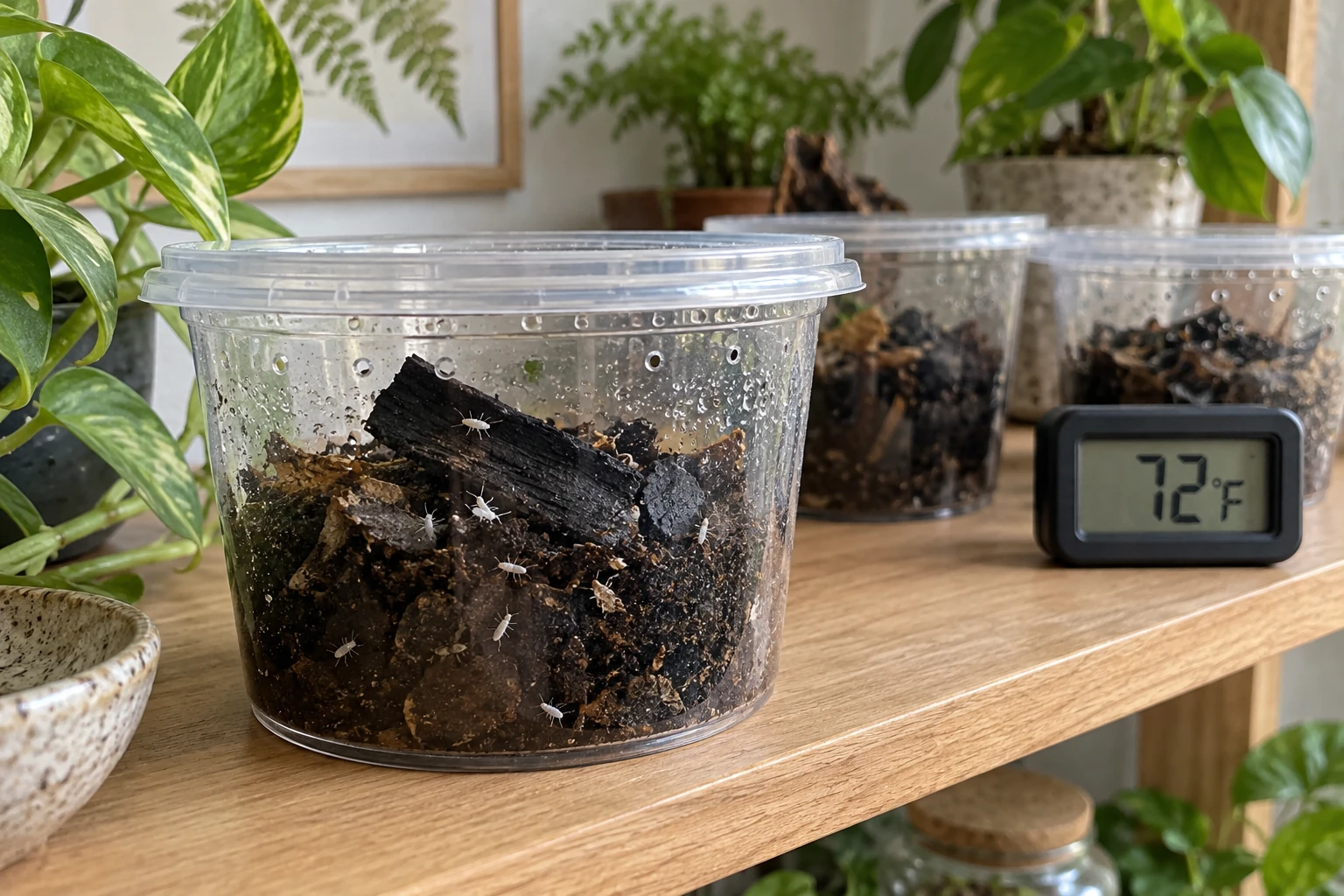
TC's listing gives Wood Runner a preferred range of 70 to 85 F, and the site's own species reference narrows that to a working 68 to 82 F band with a 72 to 78 F sweet spot, close enough that a stable room in the mid 70s satisfies both. Humidity is where this species actually earns the arid-tolerant label: roughly 50 to 70 percent ambient at the surface, well below what a tropical white culture needs. That dry surface is not optional to balance, though. One corner, a damp clay cup, a piece of always-moist cork, or a pocket of wet substrate, still has to stay reliably wet for drinking, molting and egg laying.
Wood Runner vs Silver: Same Family, Different Job
Wood Runner and Silver springtails are both surface-active, both handle a drier setup than a typical white culture, and both ship on the same Euro-Clay medium, which is exactly why keepers mix them up. The real differences are size, visibility and what each one does when disturbed, and they matter more than the shared "arid-tolerant" label suggests.
Wood Runner (Entomobrya sp.)
At 4 to 5 mm and built to run for cover, Wood Runner is the bigger animal on paper but the harder one to actually watch. It patrols dry, well-ventilated ground and bolts under bark or cork the moment it is disturbed, so a working culture often looks empty from above even when it is thriving underneath.
Silver (Seira dowlingi)
Silver runs smaller at 1 to 4 mm but stays out in the open, patrolling visible ground instead of retreating from it, which is the entire reason keepers reach for it in a display bin. It tolerates a wider humidity swing too, from a fairly dry surface up to consistently damp, without the same hard requirement to hide the moment conditions change.
Setting Up a Culture Built Around Bark and Cork
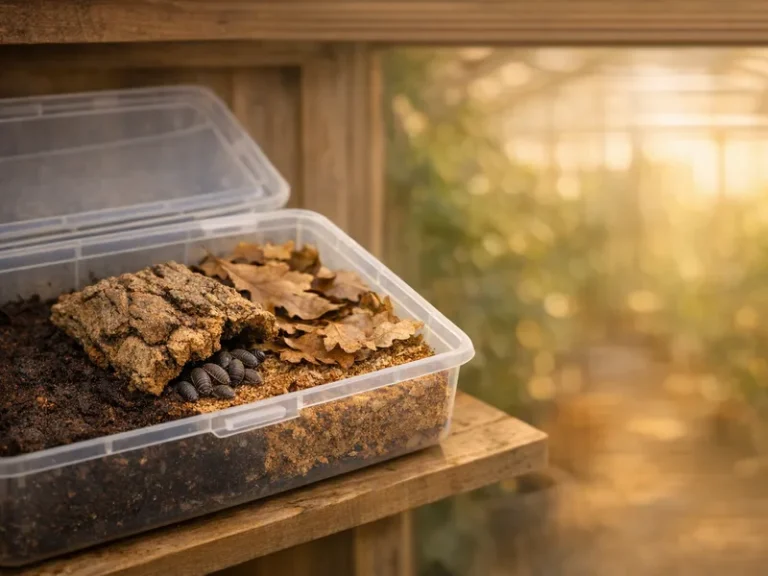
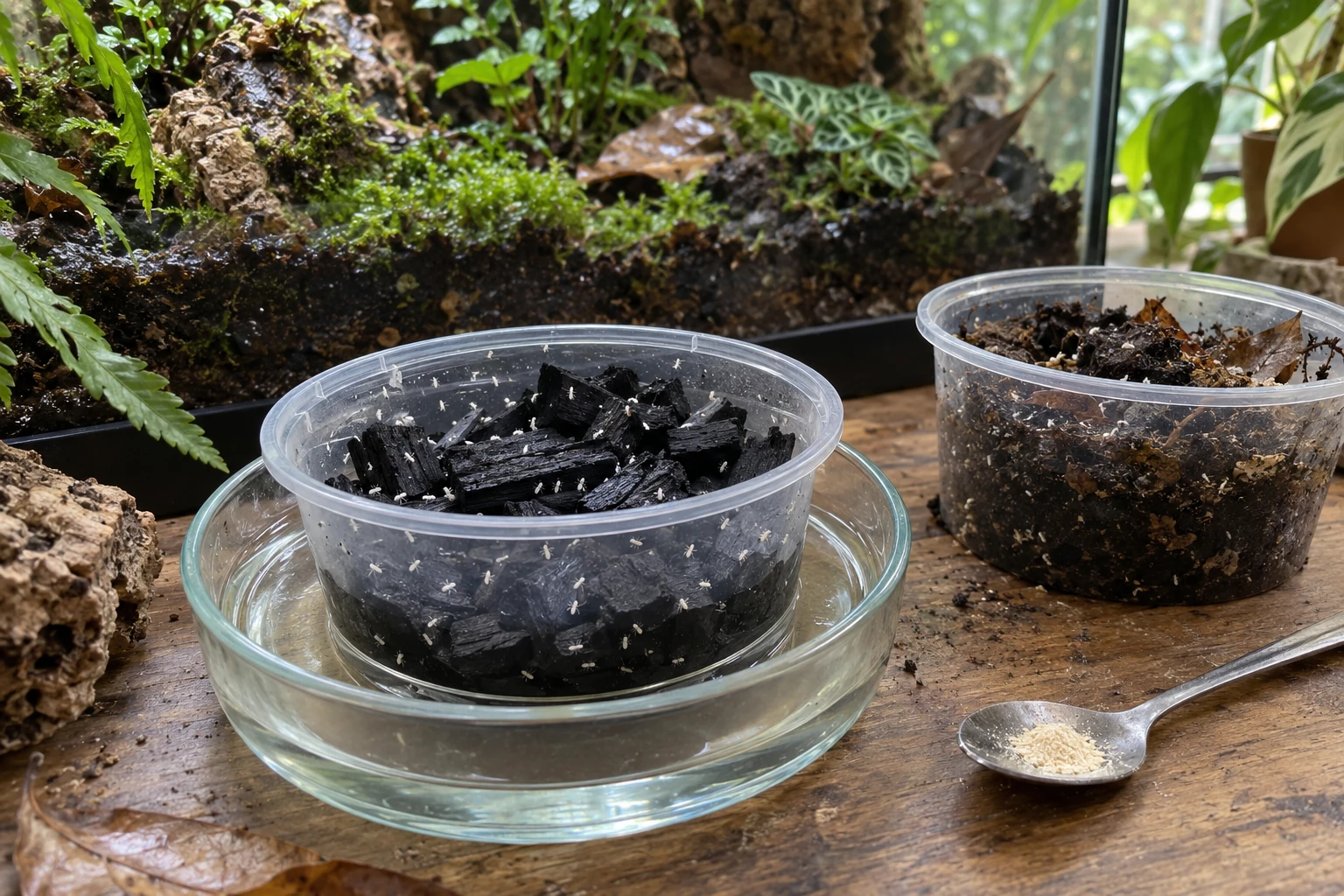
Wood Runner ships on Euro-Clay, but a working display or terrarium setup wants more structure than a bare cup of clay. TC's own care notes call for 1 to 3 inches of mostly dry soil with cross-ventilation, dry hardwood bark, cork, and leaf litter on top, and a single hidden pocket, a buried clay cup or a patch of damp sphagnum under a bark slab, that never fully dries. See our breakdown of clay, charcoal, and soil culture media if you are deciding what to rear a backup culture on. Skip a sealed, stagnant container, standing water, pesticide-treated decor, and direct sun or a basking lamp anywhere near the cup; any of those will crash the culture faster than a dry surface alone ever would.
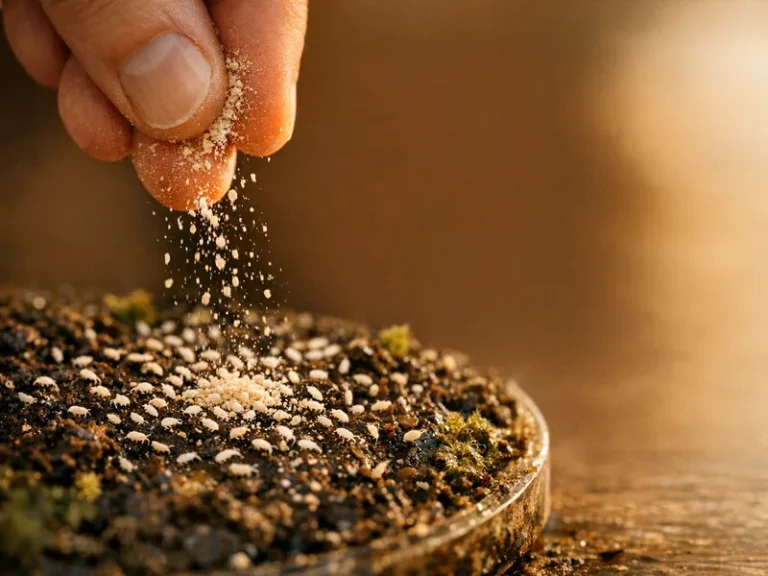
Harvesting follows the medium you choose. On the shipped Euro-Clay, flood the cup with a little dechlorinated water and pour the springtails off the surface into your enclosure or a fresh cup. On a soil-and-bark setup, harvest by lifting the driest bark piece and tapping it directly over the target enclosure instead, since flooding a soil-based Wood Runner culture works against the dry surface this species actually wants.
Feeding and Judging a Culture You Can't See Working
The standard house rule applies without modification: a very light sprinkle of yeast or prepared springtail food every 2 to 4 days, skipping the next feeding entirely if the last one is still visible. Wood Runner also grazes biofilm, fungi, and soft, decaying wood fibers on its own, so light feeding is a supplement, not the whole diet. Because this species spends most of its time out of sight, do not judge a culture by the open surface. Lift a piece of bark or cork instead; a healthy culture shows springtails clustered underneath, not scattered across the top, and that is a genuinely better health check than staring at an empty-looking cup.
Who Should Buy Wood Runner Over Silver or a White Culture
Reach for Wood Runner if your setup already leans dry and already has bark, cork, or hardwood decor for it to work under, an arid or semi-arid reptile enclosure, a cork-heavy bioactive build, or a backup culture for a keeper who already runs white springtails and wants a second dry-tolerant option. Skip it if visibility is the actual goal: a display bin where you want to watch the crew work is a job for Silver instead, and a genuinely wet, tropical setup suits a standard white or pink culture better than any of TC's three dry-leaning springtails. The honest trade-off: Wood Runner is the biggest-bodied of the three, but because it hides so consistently, it ends up the least visible one day to day.
The Wood Runner Culture Kit
Starts a dry-tolerant Wood Runner culture with the bark-and-clay setup this species actually hides in.
Frequently Asked Questions
Written by the TC INSECTS breeding team · Porter, Texas · Live Arrival Guarantee on every order
Have a care question? Ask our community.
Join Reptile Keepers USA, our free Facebook group for reptile, amphibian and invert keepers. Share your setups, get care help and swap feeder tips.
Join the free group