
Giant Cave Roaches for Sale
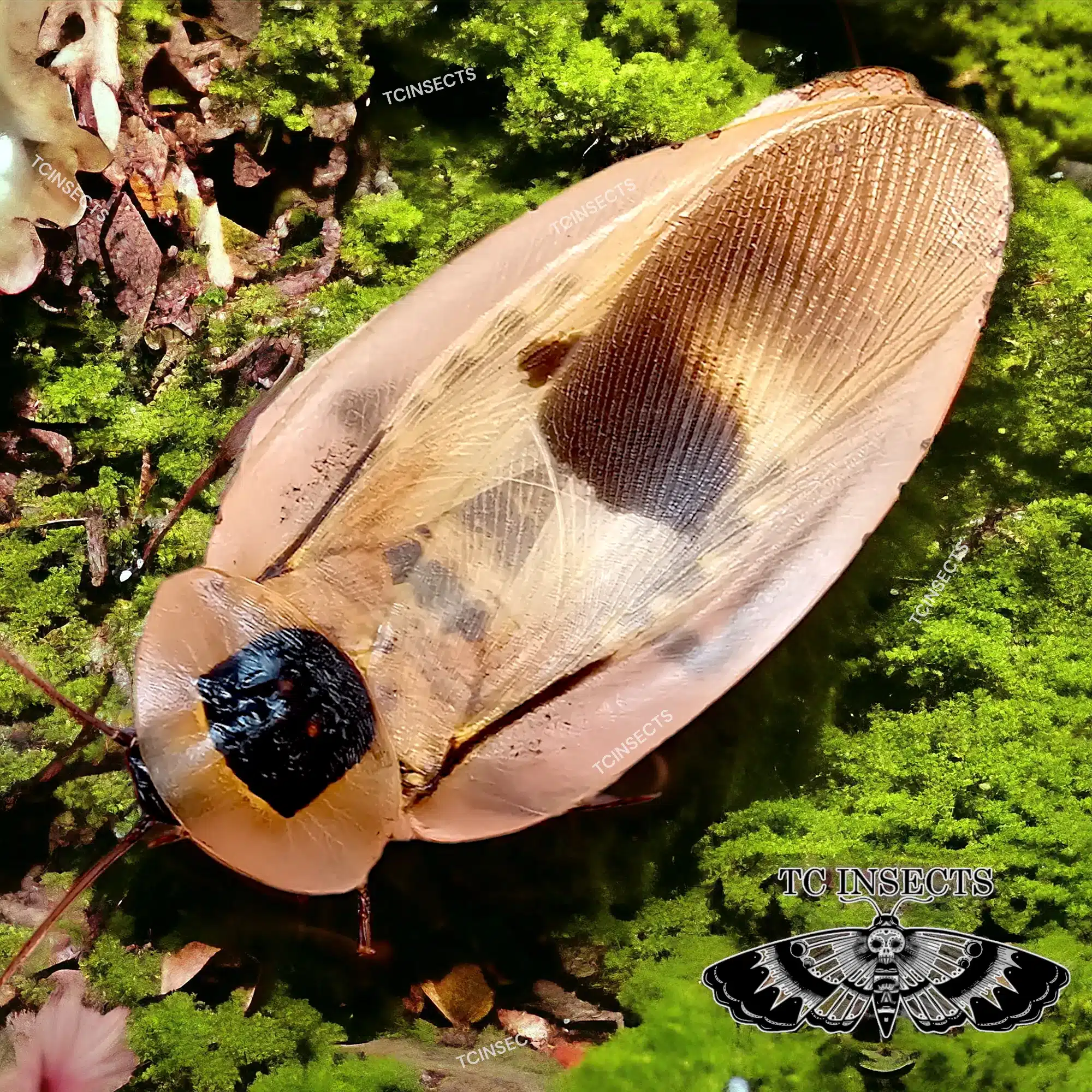
The Giant Cave Roach is the hobby trade name for Blaberus giganteus, also known in the wider literature as the Central American Giant Cave Cockroach or the Brazilian Cockroach. This is the headline species of the
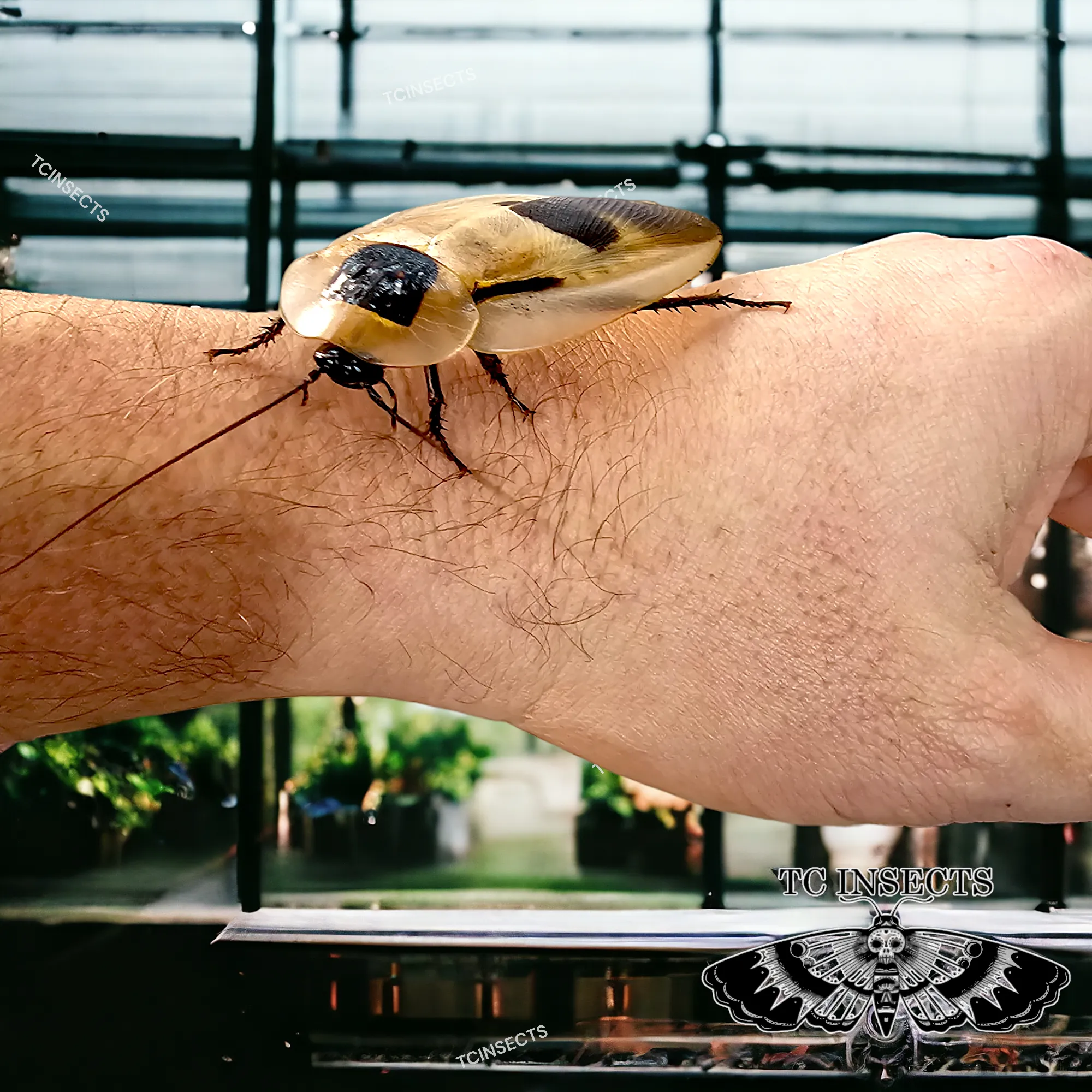
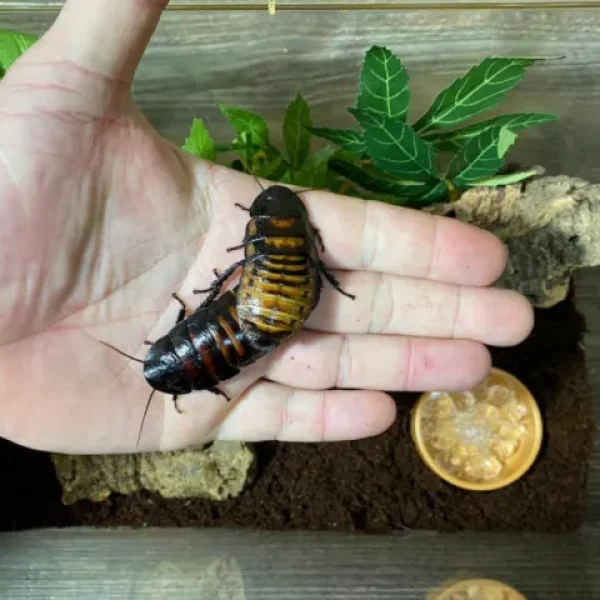
genus, recognized as one of the world’s longest cockroaches: females in the wild reach up to about 10 cm (3.9 inches) with a wingspan around 15 cm (6 inches), and males stay smaller at around 7.5 cm. Our captive stock
measures roughly 75 to 84 mm at adulthood. They cannot climb smooth surfaces, and although adults have functional wings, they almost never use them. Sold to collectors in small counts of 1 or 5 mixed nymphs.
Overview
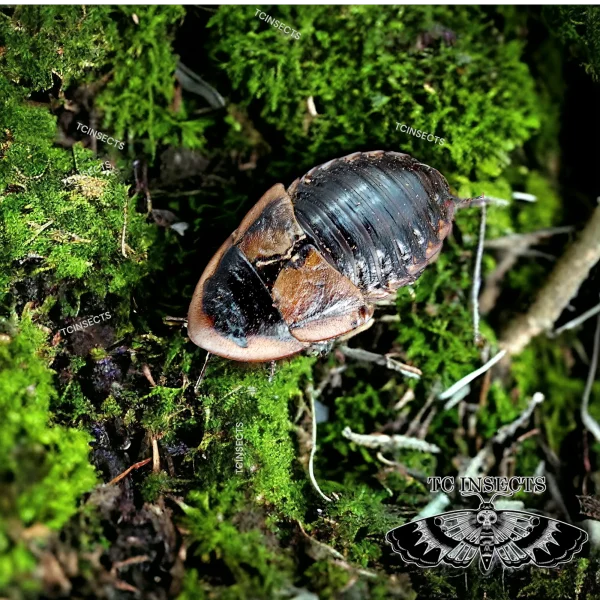
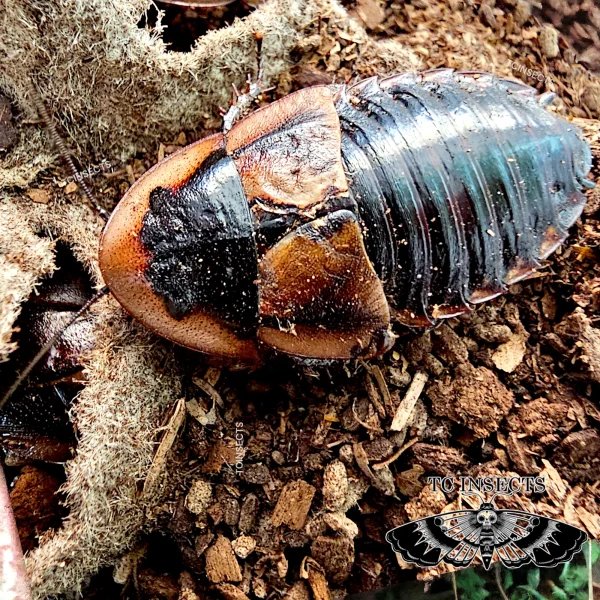
This species is the centerpiece of any Blaberus collection because of its sheer size. Adults have flat, lightly built bodies in brown with black markings, and the wingspan of mature individuals is genuinely impressive in
person. Females are larger and heavier than males, which is the opposite of the pattern in some other roach species. Like other blaberids, they give birth to live nymphs rather than laying egg cases. The species is native to
the warm parts of the Neotropical realm: Mexico, Guatemala, Panama, Colombia, Venezuela, Trinidad and Tobago, Guyana, Suriname, and French Guiana.
Honest Note on Size and Wingspan
The 10 cm female and 15 cm wingspan figures are real but represent exceptional individuals. Most captive adults sit in the 75 to 84 mm range that we list as the species spec, with larger and smaller individuals across any
given group. The wingspan only becomes apparent when wings are spread, which is uncommon in a calm captive setting. If you are buying this species because you want to see the wingspan in action, you should know that
the wings stay folded most of the time. The size you can actually expect in your enclosure is impressive on its own, but the absolute maximums reported in the literature are not the average.
Honest Note on Hybridization
This species has a particular history with hybridization in the hobby. The infamous “fusca x giganteus” cross-bred lines that have circulated in captive collections for decades are produced when B. giganteus is housed with
Blaberus atropos (older synonym B. fusca). House each Blaberus species in its own enclosure to preserve line purity. Mixing B. giganteus with our B. atropos “Florida” or B. parabolicus “Colombia” will produce hybrid
offspring that are not pure of any species. Housing alongside our Eublaberus species in separate enclosures is fine, since those are a different genus and do not hybridize with Blaberus.
Why Keep Giant Cave Roaches?
- Maximum size in the catalog. No other roach we sell approaches this length, making it the centerpiece of a collection.
- Impressive wingspan. Even folded, the wing length is striking, and adults are genuinely large in a display setting.
- Recognized entomologically. One of the world’s longest cockroaches, with established scientific and natural-history pedigree.
- Calm and easy to contain. No climbing on smooth surfaces, no practical flight risk in a closed enclosure, and a slow temperament.
- Long adult life. Adults can live for a year or more under good conditions, giving collectors extended time with each individual.
Wild Habitat
In the wild, B. giganteus is associated with bat caves, hollow trees, and rock crevices across its Neotropical range. Cave populations live in dark, humid environments with stable temperatures, which informs the captive
husbandry: moisture with good airflow, plenty of hides, and avoidance of bright light. Replicating cave-like conditions in a small enclosure does not need to be elaborate, but the broad pattern of dark, humid, well-
ventilated, and well-supplied with cover is what this species evolved to use.
Care and Setup
Husbandry is forgiving overall, with three things that matter: warmth, real moisture with airflow, and a secure lid.
Temperature
70 to 85°F is the active range. Warmer (around 80 to 85°F) drives faster growth and reproduction; cooler slows the colony without harming it. Adults reach reproductive size faster in the warmer half of the range, which matters because nymphs can take 15 to 20 months to mature.
Humidity
Aim for 60 to 75% humidity with good airflow. Stagnant high humidity causes mold and fungal issues, while dry conditions stress the species and cause molting problems. The combination keepers describe as “moist with good airflow” is exactly right.
Substrate
A mix of coco fiber, peat, sphagnum moss, and leaf litter works well, kept slightly damp but not waterlogged. Substrate depth of a few inches lets nymphs hide and supports natural behavior.
Habitat Structure
Add cork bark, hollow wood pieces, or stacked egg flats for cover. These mimic the cave walls and tree hollows the species uses in the wild. Smooth-walled enclosures are fine since this species cannot climb, but use a secure lid because of the wing-flight potential noted above.
Food
They are omnivorous and not picky. Quality dry feed such as Supreme Feed Premium Roach Formula or Supreme Feed Dubia, plus fresh fruits and vegetables for variety. A little higher-protein food supports growth in slower-developing nymphs.
Hydration
Use water crystals such as Hydro-Thirst Insect Water Crystals rather than an open dish, which drowns nymphs. Misting alone is not enough for a long-term setup.
Lighting
None needed. This is a nocturnal cave-associated species. Natural room light cycles work; avoid bright direct light on the enclosure. A red or amber LED is useful if you want to observe activity at night.
Breeding Notes
Females give birth to live nymphs rather than laying egg cases. Gestation runs around 60 days under warm conditions, and broods of up to about 40 nymphs are typical. Newborn nymphs are pale white and harden and
darken within a few hours. Nymphs molt several times and may take 15 to 20 months to reach adulthood, which is slow compared with most feeder species. Plan accordingly if breeding from this listing is the goal: a starter
group of 5 mixed nymphs becomes a small breeding cluster on a multi-year timeline, not a multi-month one.
Best For
- Collectors who want the headline Blaberus in their lineup
- Display keepers who specifically want maximum body length and wingspan
- Hobbyists who appreciate the species’ entomological notability
- Patient collectors comfortable with a 15 to 20 month nymph development window
- Keepers building a bioactive enclosure with a centerpiece composter species
Not Best For
- Keepers planning to house multiple Blaberus species in one enclosure
- Anyone wanting fast colony growth, since this species is slow to mature
- Volume reptile feeding, where Dubia and Orange Heads are far more efficient
- Setups without a secure lid, given the wing-flight potential
- Customers in jurisdictions that restrict non-native cockroach species; check local rules
- Anyone planning to release roaches outdoors under any circumstances
Origin and Locality Notes
Blaberus giganteus was first described by Linnaeus in 1758 and ranges across the warm parts of the Neotropical realm, including Mexico, Guatemala, Panama, Colombia, Venezuela, Trinidad and Tobago, Guyana,
Suriname, and French Guiana. Wild populations are most often associated with bat caves, hollow trees, and rock crevices. Our captive stock is captive-bred and not collected from wild populations.
Receiving and Acclimation
Your order ships with ventilation and bedding suited to transit. On arrival, open the package in a clean, contained area and transfer the nymphs into a prepared enclosure with damp substrate, leaf litter, hides, and a safe
hydration source. Give them a day to settle before disturbing them. As with every live insect we sell, do not release them into the wild.
Recommended Add-Ons
- Hydro-Thirst Insect Water Crystals for safe hydration without an open water dish that would drown nymphs.
- Supreme Feed Premium Roach Formula for a quality dry diet that supports growth in slower-developing nymphs.
- Blaberus atropos “Florida” for collectors building a multi-species Blaberus lineup in separate enclosures.
- Blaberus parabolicus “Colombia” for the Peruvian Black-Head line, a complementary Blaberus in a separate bin.
- Eublaberus distanti “Ivory” for collectors adding a non-hybridizing species from a different genus.
Frequently Asked Questions
Is this really one of the world’s largest cockroaches?
Yes, by length and wingspan. Wild females can reach about 10 cm with a 15 cm wingspan, putting B. giganteus among the longest cockroach species. The current length record holder in the order is Megaloblatta longipennis, but B. giganteus is unquestionably in the top tier of large roaches.
Do they actually fly in captivity?
Almost never. Adults have functional wings and the structural ability to fly, but TC INSECTS has not observed flight in our colonies over years of keeping the species. Hobby consensus matches that observation. Males are more capable than the heavier females. Treat the enclosure lid as essential anyway, since the possibility is not zero.
Can they climb glass or acrylic?
No. Like other Blaberus, this species cannot climb smooth vertical surfaces at any life stage. A smooth-walled tub or tank holds them reliably as long as the lid is secure.
How long does it take a nymph to reach adult size?
Around 15 to 20 months under good conditions. This is significantly slower than feeder species like Dubia or Orange Heads, so the small starter counts in this listing are designed for collectors who want long-term display animals rather than fast colony growth.
Can I house Giant Cave Roaches with other Blaberus species?
No, not in the same enclosure. B. giganteus is the species at the center of the historic “fusca x giganteus” hybrid lines that have muddied Blaberus hobby stocks for decades. Keep each Blaberus species in its own bin. Housing alongside Eublaberus species in separate enclosures is fine.
Why are the count options only 1 or 5 nymphs?
This is a long-term collector species, not a bulk feeder, and the slow development window means most buyers want a small starter group rather than volume. 1 suits a single display addition or a proof-of-life pickup; 5 is a sensible starter group for a small breeding setup with enough founders for line stability.
Learn More About Blaberus giganteus
These references give keepers background on the species and on the broader entomology that makes it one of the most documented cockroaches in the world.
- Wikipedia: Blaberus giganteus. A well-sourced species profile including size figures, wingspan, range, and the immune-system research that has been done on this species. The clearest single-page reference for collectors.
- Cockroach Species File: Blaberus giganteus (Linnaeus, 1758). The authoritative taxonomic record, including the original 1758 Linnaean description and the species’ synonymy list.


Reviews
There are no reviews yet.