Showing 257–272 of 499 resultsSorted by latest
-

$5.50 - $150.00
These are adult mealworm beetles, the darkling beetle Tenebrio molitor, sold as breeding stock. Buy them to start or jumpstart a mealworm colony and get eggs and larvae fast, skipping the months it takes larvae to mature. They are not a feeder, since the beetles are bitter. The mealworm larvae they produce are what you feed.
- Species: Tenebrio molitor adult darkling beetles
- Purpose: Breeding stock to start a mealworm colony
- Benefit: Eggs and larvae fast, skipping months of waiting
- Counts: 5 up to 1,000 beetles
- Important: Not a feeder, since the beetles are bitter
Mealworm Beetles for Sale: adult darkling beetles to start or jumpstart your own mealworm colony.
Best For: keepers and breeders who want to culture their own mealworms and get larvae quickly.
-
Sold Out
$3.00 - $30.00
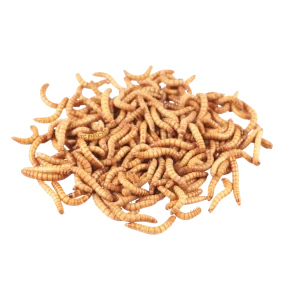
Giant mealworms are the largest mealworm size, around 1.25″, and are the larvae of the beetle Tenebrio molitor. They are protein-rich and very easy to store, which makes them a convenient feeder for larger animals. They are grown to a larger size for feeding, not breeding. Offer them as part of a varied diet, and dust them with calcium first.
- Species: Tenebrio molitor larvae
- Size: Giant, around 1.25″
- Nutrition: Protein-rich, but low in calcium and moderately fatty
- Storage: Keep cool in the fridge to hold for weeks
- Important: Dust with calcium, and feed in moderation
Giant Mealworms for Sale: the largest mealworm size, a protein-rich, easy-to-store feeder for bigger animals.
Best For: keepers of larger reptiles, amphibians, turtles, and birds who want a convenient, storable feeder.
-
$2.00 - $12.00
Mini mealworms are the smallest size, about 1/4″, and the larvae of the beetle Tenebrio molitor. They suit the smallest insectivores and hatchlings that need a tiny feeder. They are protein-rich, easy to store, and can be cultured like other standard mealworms. Offer them in a varied diet, and dust them with calcium first.
- Species: Tenebrio molitor larvae
- Size: Mini, about 1/4″ (the smallest)
- Nutrition: Protein-rich, but low in calcium and moderately fatty
- Storage: Keep cool in the fridge to hold for weeks
- Important: Dust with calcium, and feed in moderation
Mini Mealworms for Sale: the smallest mealworm, a protein-rich, easy-to-store feeder for tiny insectivores.
Best For: keepers of small geckos, hatchlings, and other tiny insectivores that need the smallest mealworm.
-
$2.00 - $12.00
Small mealworms are about 1/2″, a step up from the mini size, and the larvae of the beetle Tenebrio molitor. They suit smaller and younger animals that need a small feeder. They are protein-rich, easy to store, and can be cultured like other standard mealworms. Offer them in a varied diet, and dust them with calcium first.
- Species: Tenebrio molitor larvae
- Size: Small, about 1/2″
- Nutrition: Protein-rich, but low in calcium and moderately fatty
- Storage: Keep cool in the fridge to hold for weeks
- Important: Dust with calcium, and feed in moderation
Small Mealworms for Sale: a small, protein-rich, easy-to-store feeder for smaller and younger animals.
Best For: keepers of smaller or younger reptiles, amphibians, and birds that need a small feeder.
-
$2.00 - $12.00
Medium mealworms are about 3/4″, the size between small and large, and the larvae of the beetle Tenebrio molitor. They suit mid-sized animals that have outgrown smaller worms. They are protein-rich, easy to store, and can be cultured like other standard mealworms. Offer them in a varied diet, and dust them with calcium first.
- Species: Tenebrio molitor larvae
- Size: Medium, about 3/4″
- Nutrition: Protein-rich, but low in calcium and moderately fatty
- Storage: Keep cool in the fridge to hold for weeks
- Important: Dust with calcium, and feed in moderation
Medium Mealworms for Sale: the mid-size mealworm, a protein-rich, easy-to-store feeder for mid-sized animals.
Best For: keepers of mid-sized reptiles, amphibians, and birds that have outgrown small mealworms.
-
$2.00 - $13.00
Large mealworms are the standard mealworm size, about 7/8″ to 1″, and the larvae of the beetle Tenebrio molitor. They are the everyday staple feeder for mid-sized to larger animals, and they are easy to keep. Unlike giant mealworms, they pupate normally, so you can also culture your own. Offer them in a varied diet, and dust them with calcium first.
- Species: Tenebrio molitor larvae
- Size: Large, about 7/8″ to 1″
- Nutrition: Protein-rich, but low in calcium and moderately fatty
- Culturing: Pupate normally, so they can be bred
- Important: Dust with calcium, and feed in moderation
Large Mealworms for Sale: the standard staple mealworm, an easy-to-store feeder you can also culture.
Best For: keepers of mid-sized to larger animals who want a reliable staple feeder or want to start a colony.
-
Sold Out

$3.00 - $14.99
- Size: Pinhead, about 1/8″ (the smallest cricket)
- Nutrition: High in protein, low in fat, gut-loaded
- Feeds: Dart frogs, baby reptiles, young jumping spiders, small amphibians
- Important: Dust with calcium before feeding
- Sold By Count: 50 up to 1,000
Pinhead Crickets for Sale: the smallest feeder cricket, lean and gut-loaded, for very small reptiles, amphibians, and inverts.
Best For: keepers of dart frogs, baby reptiles, and young jumping spiders that need a very small feeder.
Pinhead crickets are the smallest feeder cricket, about 1/8″ and newly hatched. That tiny size makes them a good fit for very small animals like dart frogs, baby reptiles, and young jumping spiders. They are lean, high in protein, and arrive gut-loaded. Because their fast movement draws a feeding response, they suit picky small eaters.
-
Sold Out
$3.99 - $21.99
- Size: Small, about 1/4″
- Nutrition: High in protein, low in fat, gut-loaded
- Feeds: Young lizards, geckos, skinks, and frogs
- Important: Dust with calcium before feeding
- Sold By Count: 50 up to 1,000
Small Crickets for Sale: a lean, gut-loaded 1/4″ staple feeder for young reptiles and amphibians.
Best For: keepers of young lizards, geckos, skinks, and frogs that have outgrown pinhead crickets.
Small crickets are the 1/4″ size, a step up from pinheads. That size suits young lizards, geckos, skinks, and frogs that have grown past the smallest feeders. They are lean, high in protein, and arrive gut-loaded. Because they are sturdier than pinheads, they are also easier to keep for a few days.
-
Sold Out
$5.99 - $21.99
- Size: Medium, about 1/2″
- Nutrition: High in protein, low in fat, gut-loaded
- Feeds: Adult geckos, chameleons, large frogs, and box turtles
- Important: Dust with calcium before feeding
- Sold By Count: 50 up to 1,000
Medium Crickets for Sale: a lean, gut-loaded 1/2″ staple feeder for mid-sized adult reptiles and amphibians.
Best For: keepers of adult geckos, chameleons, large frogs, and box turtles who want a reliable main feeder.
Medium crickets are the 1/2″ size, the everyday staple between small and large. That size suits mid-sized adults like geckos, chameleons, large frogs, and box turtles. They are lean, high in protein, and arrive gut-loaded. So they work well as the main feeder for many established insectivores.
-
Sold Out
$5.99 - $21.99
- Size: Large, about 1″ (the biggest cricket)
- Nutrition: High in protein, low in fat, gut-loaded
- Feeds: Adult bearded dragons, large lizards, and chameleons
- Important: Dust with calcium, and match prey to animal size
- Sold By Count: 50 up to 1,000
Large Crickets for Sale: a lean, gut-loaded 1″ staple feeder for adult bearded dragons and other large insectivores.
Best For: keepers of adult bearded dragons, large lizards, and chameleons that need a full-size feeder.
Large crickets are the 1″ size, the biggest feeder cricket. That size suits larger animals like adult bearded dragons, large lizards, and chameleons. They are lean, high in protein, and arrive gut-loaded. So they work as the main feeder for big, established insectivores. Match this size only to animals large enough to take it.
-
-
$9.99
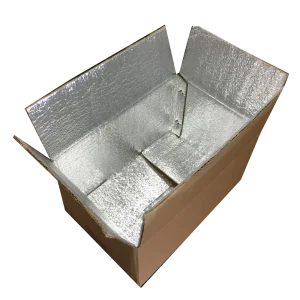
- Weather Sheild Lightweight Insulation adds an extra layer of protection from the elements for shipments.
- Works Best for Expedited Shipments
- Pairs best with Hold For Pick Up
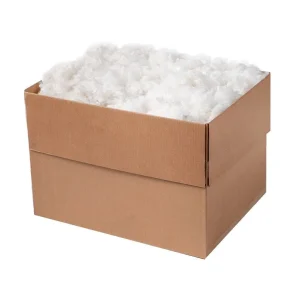
- Can be combined with Insulated Stuffing
-
$4.99 - $28.50
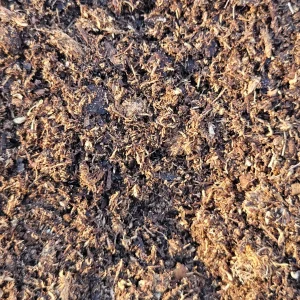
A premium blend made with Woodchips, Charcoal, New Zeland Sphagnum, Peat, and Sand.
-
Sold Out

$10.00 - $30.00
The Little Kenyan Roach (Paraplecta cf. minutissima “Kenya”) is the smallest roach we sell at just 8 to 10 mm adult size, with newborn nymphs the size of fruit flies. Native to the Mara-Narok region of Kenya in East
Africa. The “cf.” in the scientific name means this captive line tentatively matches the formally described Paraplecta minutissima, but the identification has not been confirmed. Adult males have small vestigial wings and
can climb smooth surfaces weakly; females and nymphs cannot climb at all. Non-flying. This species fills a unique feeder role for very small insectivores like dart frogs, mantid nymphs, tarantula slings, juvenile geckos,
and other tiny reptiles and amphibians that struggle with larger feeder roaches. Sold in counts of 30, 100, or 300 mixed nymphs.
- Pronounced: par-uh-PLEK-tuh sif min-yoo-TISS-ih-muh
- Care Level: Beginner-friendly, very easy and prolific
- Adult Size: Males about 8 mm; females about 10 mm
- Climbing/Flying: Adult males climb weakly; females and nymphs cannot climb; no flight at any stage
- Temperature: 70 to 85°F (tolerates 64 to 86°F)
- Humidity: Wide range tolerated; substrate should stay consistently damp
- Scientific Name: Paraplecta cf. minutissima “Kenya”
- Locality: Mara-Narok region, Kenya
- Identity Status: Tentative match to P. minutissima, not confirmed
Little Kenyan Roaches for Sale: This Paraplecta cf. minutissima “Kenya” line is the smallest roach in our catalog and the best feeder we sell for very small insectivores like dart frogs, mantid nymphs, and tarantula slings.
Best For: Dart frog keepers, mantid breeders, tarantula sling owners, very small reptile and amphibian keepers, and bioactive setups needing a tiny feeder species.
-
Sold Out

$9.99 - $45.00
The Malaysian Micro Roach (Nocticola sp. “Malaysia”) is the smallest roach species cultivated anywhere in the world — adults max out at just 4 mm, smaller than even our Little Kenyan Roaches. Native to Malaysia,
where they live in tree hollows, logs, and inside termite and ant nests. Dark brown body with white spots on the pronotum and abdomen. Cannot climb smooth surfaces and cannot fly. Documented hobby observations
suggest this species may be parthenogenetic — all adults observed in captivity have been female, meaning the colony reproduces without males. This is also the first egg-laying roach in our catalog (most of our roaches
give birth to live babies). Sold to bioactive hobbyists and very-small-insectivore feeders in counts of 10, 25, or 50 mixed nymphs.
- Pronounced: nok-TIK-uh-luh es-pee
- Care Level: Beginner-friendly, easy and forgiving with consistent moisture
- Adult Size: About 4 mm (the smallest cultivated roach in the world)
- Climbing/Flying: Cannot climb smooth surfaces; cannot fly
- Temperature: 65 to 85°F
- Humidity: High, around 80%; substrate must stay moist
- Reproduction: Likely parthenogenetic (all-female colony); lays tiny oothecae with ~3 eggs each
- Scientific Name: Nocticola sp. “Malaysia”
- Family: Nocticolidae (different from most catalog roaches)
Malaysian Micro Roaches for Sale: This Nocticola sp. “Malaysia” line is the smallest cultivated roach in the world, sold as a parthenogenetic microfeeder for bioactive setups and very small invertebrates.
Best For: Dart froglet keepers, mantid L1 nymph breeders, jumping spider sling owners, tarantula spiderling feeders, bioactive setup hobbyists, and collectors interested in unusual roach biology (parthenogenesis, egg-laying Nocticolidae family).
-
$4.00 - $40.00
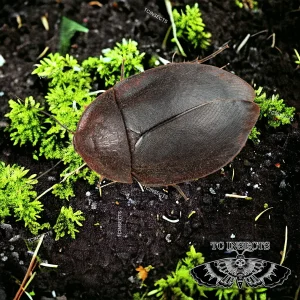
The Big Black Beetle Mimic Roach (sold in the hobby as Ergaula pilosa, though documented research suggests the actual species may be Ergaula cf. silphoides) is a Southeast Asian roach that evolved to look like a large
black beetle. The velvety black body, distinctive shape, and “strange, twitchy movements” combine to fool vertebrate predators that have learned to avoid hard-shelled defensive beetles. Adults reach 35 to 37 mm. The
species is in family Corydiidae (the sand roach family), the same family as our much smaller Micro Hooded Roach but at a dramatically different size scale. Native to Southeast Asia (Cambodia, Thailand, Vietnam region)
— NOT Africa as some sources state. Sold to display keepers and protein-dense feeder users in counts of 1 or 12 mixed nymphs.
- Pronounced: er-GAW-luh pih-LO-suh
- Care Level: Intermediate, due to the vertical humidity gradient requirement
- Adult Size: 35 to 37 mm
- Climbing/Flying: Adult males climb and can fly (though they normally don’t); adult females are stockier and flightless
- Temperature: 70 to 85°F (75°F+ best for breeding)
- Humidity: Wide range tolerated; vertical gradient with damp lower substrate and drier upper layer
- Adult Lifespan: Females about 9 months; males 2 to 4 months
- Reproduction: Oviparous (egg-laying); oothecae buried in substrate
- Scientific Name: Ergaula pilosa (hobby designation; possibly E. cf. silphoides)
- Family: Corydiidae (sand roach family)
- Native Range: Southeast Asia (Cambodia, Thailand, Vietnam)
Big Black Beetle Mimic Roaches for Sale: This Ergaula pilosa hobby line is a Southeast Asian beetle-mimicking display roach with dense protein content for larger reptiles.
Best For: Display keepers drawn to unusual biology and mimicry, larger reptile keepers wanting a protein-dense feeder, Corydiidae family collectors, and hobbyists interested in twitchy beetle-like behavior.

