One of the few feeders that doesn't need heavy dusting
Hatchlings and juveniles eat more often
No single feeder should be the whole diet
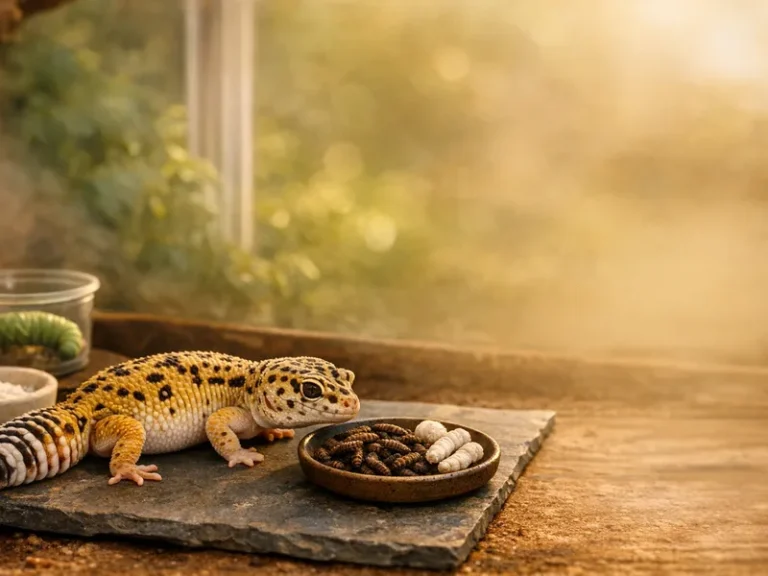
Yes, and black soldier fly larvae, better known as BSFL or calcium worms, deserve a spot as one of the best staple feeders you can offer a leopard gecko. They carry a naturally favorable calcium load that most feeder insects simply do not have, which helps guard against metabolic bone disease without leaning on heavy dusting alone, and their soft bodies are an easy, low-impaction-risk bite for a gecko of almost any size. Feed them by age, roughly daily for hatchlings and every two to three days for adults, and pair them with a feeder like dubia roaches for variety rather than making any single feeder the whole diet. Here is how to size the portions and build a simple rotation around them.
Yes, BSFL are an excellent leopard gecko staple
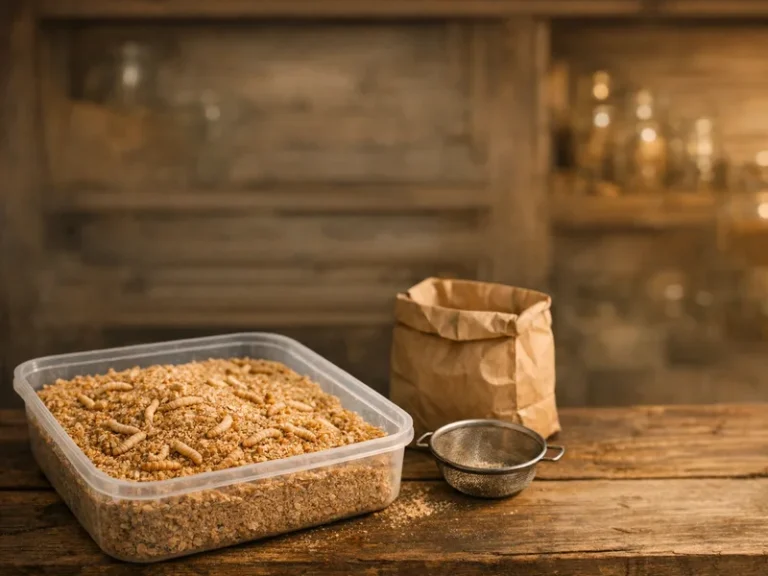
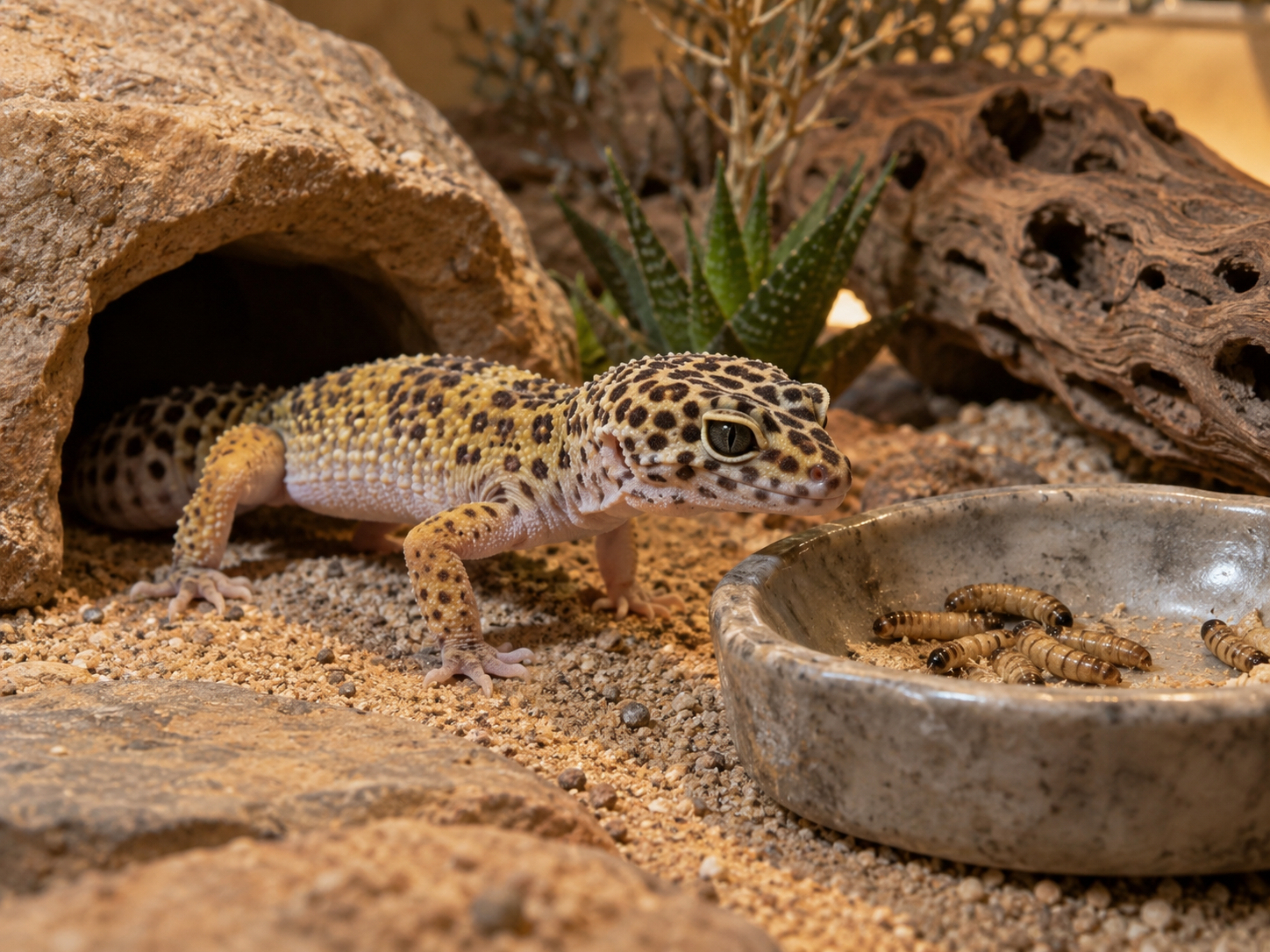
Black soldier fly larvae, sold as BSFL, calcium worms, or occasionally phoenix worms, are all the same insect, and they earn their reputation honestly. Most feeder insects are calcium-poor and phosphorus-heavy, which is exactly why keepers dust everything before feeding, but BSFL carry a naturally favorable calcium load in their own bodies. For a species as prone to metabolic bone disease as the leopard gecko, that is a real advantage, not marketing.
That does not make BSFL a feeder you can offer on autopilot. They are a genuinely strong staple, one of the best you can build a diet around, but a leopard gecko still does best on a rotation rather than one feeder for life. Our guide on the best feeder insects for leopard geckos covers the fuller staple lineup BSFL fits into.
Why the calcium content matters so much
Leopard geckos are one of the more MBD-prone reptiles in the hobby, largely because their traditional staple feeders, crickets and mealworms, run heavily inverted on calcium to phosphorus. That inversion is why calcium dusting became standard practice in the first place. BSFL flip that math in your favor before the dusting even happens, which is a meaningful head start, especially for a fast-growing juvenile that is building bone density on a tight schedule.
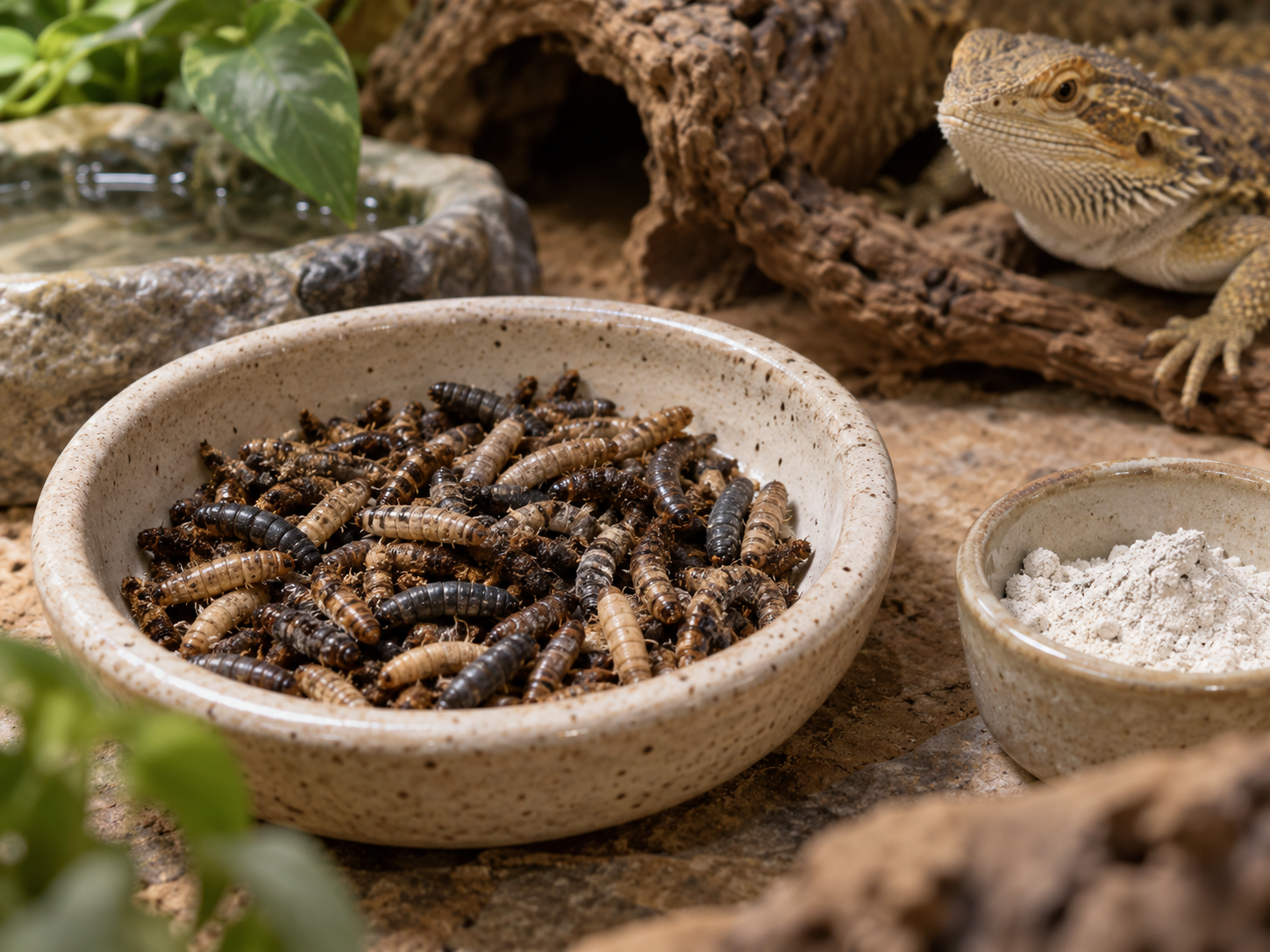
This is not a reason to stop dusting altogether. Most keepers still dust BSFL lightly now and then for extra insurance, especially for gravid females or juveniles in a heavy growth spurt, even though the worms themselves are not calcium-poor the way most feeders are. Our calcium and supplement guide covers when a lighter touch is enough versus when to dust every feeding.
Soft-bodied and low impaction risk
Impaction is a real worry with hard-shelled or oversized prey, and it is one of the reasons some feeders make keepers nervous around a small, delicate gecko. BSFL are soft-bodied, without the tougher exoskeleton of an adult roach or the firm bite of a superworm, which makes them an easier, gentler feeder to offer, especially to a young or recovering gecko.
Size still matters even with a forgiving feeder. Match the worm to the gecko the same way you would any other feeder, nothing wider than the space between its eyes, and size up gradually as it grows. A gecko that is too small for a medium BSFL will do fine on a small one instead.
How much and how often, by age
Feeding frequency for BSFL follows the same age curve as any other leopard gecko staple. Hatchlings and young juveniles do well eating daily or close to it, older juveniles can settle into every one to two days, and adults typically do fine on every two to three days. Offer roughly what your gecko clears in ten to fifteen minutes rather than counting out an exact number, and let the tail be your guide: a plump tail means you can ease off, a thin one means feed a bit more.
Because BSFL are soft and easy to eat, they are also a good pick for a gecko that is recovering from illness, coming out of a fast, or otherwise a slightly reluctant eater. The wriggling motion still triggers a strong feeding response in most geckos even though the worm itself is gentler than a roach or a beetle-stage mealworm.
Build a rotation, don't stop at one feeder
The honest limit of any single staple, BSFL included, is that no one feeder covers everything a growing reptile needs. Pair BSFL with dubia roaches for a higher-protein option with a different texture and feeding response, and keep something like a small feeder insect mix on hand if you like offering real variety in one order.
A simple, sustainable pattern for most keepers is to lean on BSFL and dubia as the everyday pair and treat anything richer as an occasional extra. If you are just getting your rotation started, our guide on which feeders you can and can't refrigerate is worth a read before you stock up, since BSFL is one of the ones that should never go in the fridge.
Build Your Gecko's Calcium-Rich Staple
The exact sizes and pairing from the answers above, ready to add in one tap.
Frequently Asked Questions
Written by the TC INSECTS breeding team · Porter, Texas · Live Arrival Guarantee on every order
Have a care question? Ask our community.
Join Reptile Keepers USA, our free Facebook group for reptile, amphibian and invert keepers. Share your setups, get care help and swap feeder tips.
Join the free group