How to Quarantine a Wild-Caught Reptile or Amphibian
Quarantine a wild-caught reptile or amphibian for 30 to 90 days in a bare, separate setup before it goes anywhere near another pet or a planted display, with at least one fecal check from an exotics vet before you call it clear. Wild-caught animals carry a heavier and less predictable parasite load than captive-bred stock, and you cannot tell a clean animal from an infected one just by looking at it. This guide covers the practical setup: a separate space and tools, a tub that shows waste clearly, what to watch for week by week, and what that fecal check is actually looking for, plus the one question to settle before any of it starts.
Longer than a captive-bred animal; wild stock carries more unknowns
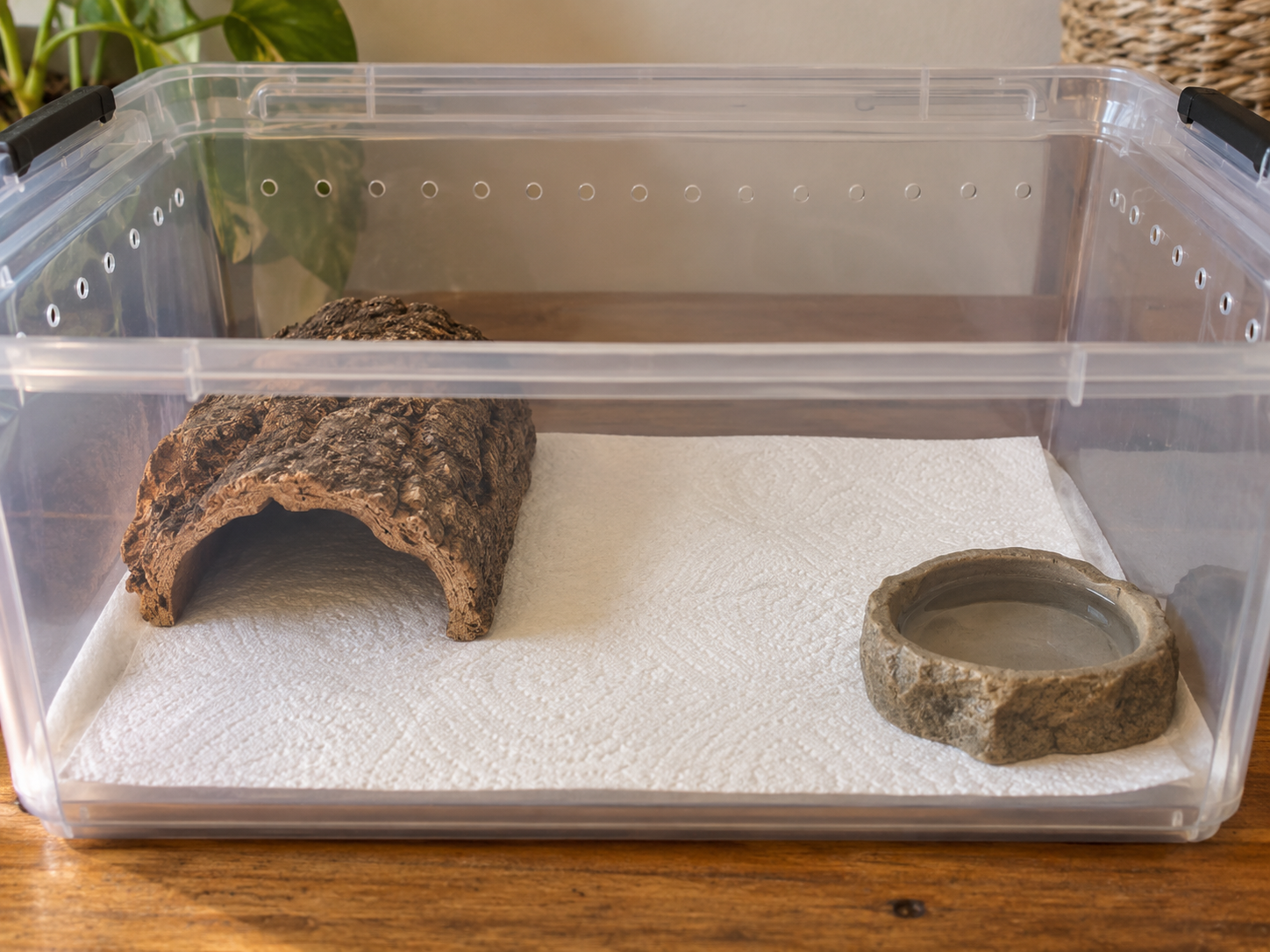
Paper towel or bare substrate so you can actually see the waste
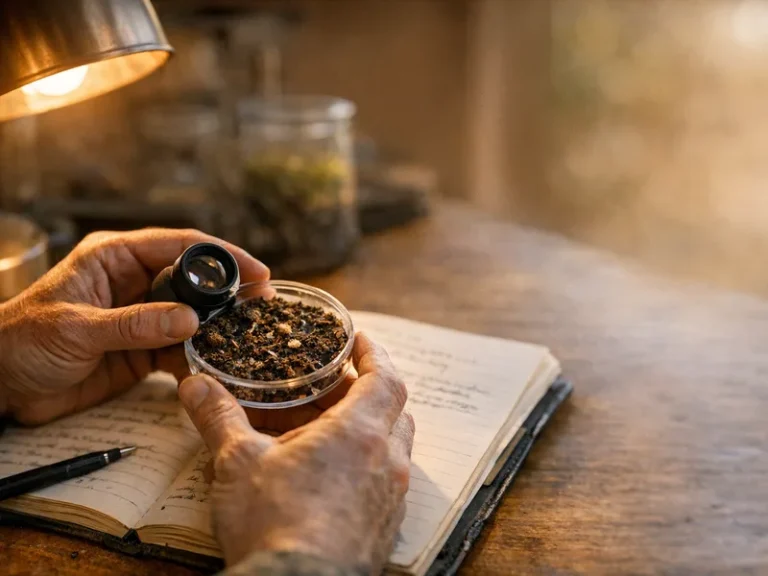
The only reliable way to catch parasites you cannot see by eye
Can You Even Keep This Animal?
Before anything else: whether you are allowed to keep a reptile or amphibian you caught yourself, or one someone handed you after they found it, depends entirely on your state and the species, and the rules run from no extra step at all to a required registration with limits on how many you can hold. North Carolina, for example, lets a resident hold up to four native reptiles or two dozen amphibians for personal use before any additional registration kicks in, while other states cap wild-caught possession at one or two animals per species or restrict it to residents with a hunting or fishing license. None of that is a stand-in for checking your own state wildlife agency's current list before you keep anything, since the rules shift and this article cannot tell you what applies to your address. What follows assumes you have already cleared that step and are ready to actually quarantine the animal.
Set Up a Separate Space Before the Animal Arrives
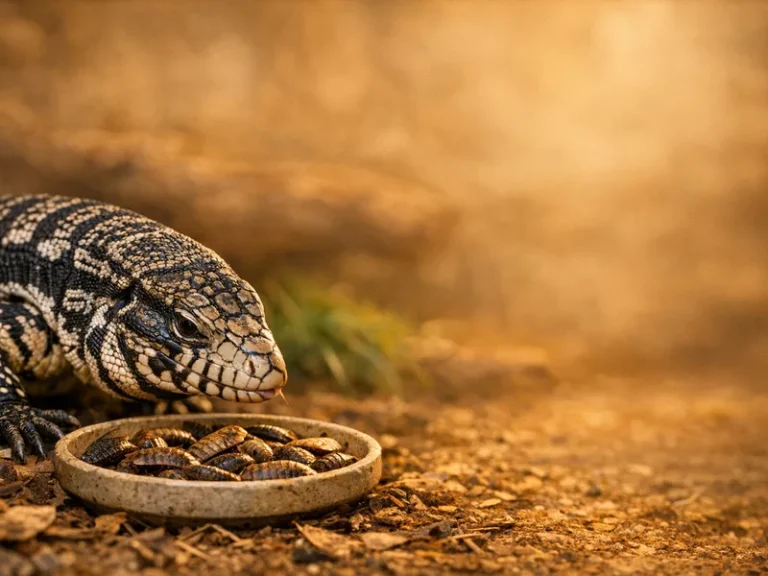
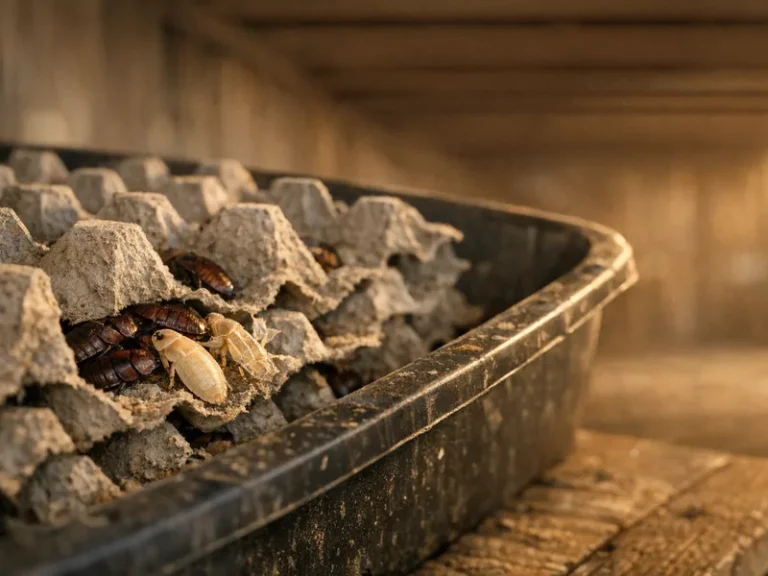
A spare room is ideal, but a separate shelf or stand away from your other animals works if that is not realistic. Service the wild-caught animal last in your daily routine, after every other animal in the house, and keep a set of tools, a water dish, decor, and even a hand towel that never cross over to anything else. Wash your hands between the quarantine tub and any other enclosure, every time. Keep the tub itself bare: paper towel or newspaper instead of loose substrate, one simple hide, and a water dish, nothing decorative. This same 'known, controlled diet' thinking is why we treat wild-caught feeder insects as a gamble too: feed only captive-bred dubia roaches or similar during quarantine so the food itself is not another variable.
How Long to Quarantine, and Why Wild-Caught Needs the Long End
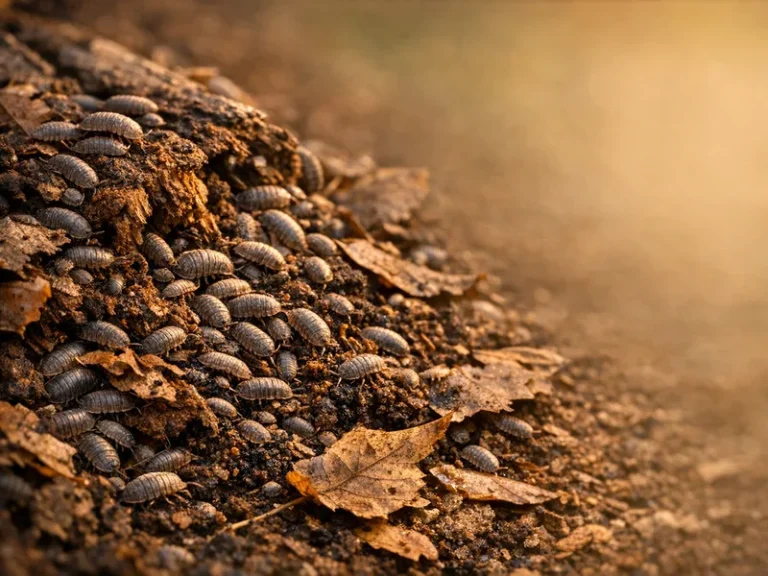
Thirty days is the minimum most exotics-focused sources use for any newly acquired reptile, and that is really a floor, not a target. Wild-caught animals skew toward the long end of that range, 60 to 90 days, sometimes longer for a species prone to slow-developing parasites, because they carry a heavier and less predictable parasite load than a captive-bred animal from a clean facility. Sources disagree on the exact upper bound, so treat 90 days as a solid, defensible target rather than a hard ceiling, and let fecal results, not the calendar alone, decide when you are actually done. The same quarantine logic behind our own isopod quarantine guide applies here, just stretched to a much longer window given a vertebrate's slower biology.

What to Watch For, Week by Week
Break the window into three rough stages rather than staring at one long calendar block.
Week One
Expect stress first: reduced appetite, hiding, and a baseline you have not seen from this animal yet are all normal in the first several days. This is the settling-in period, not yet the disease-watching period, so keep conditions stable and avoid handling beyond what is needed to check on the animal and refresh water.
Weeks Two to Four
This is when a fecal sample earns its keep. Most keepers collect a fresh sample once the animal is passing normal waste and get it checked by an exotics vet during this window. Watch stool consistency daily, note anything that looks off, and keep the tub bare enough that you would actually notice.
Week Four and Beyond
A wild-caught animal eating normally, holding weight, and shedding cleanly by this point is trending well, though it still has time left on the clock. Some keepers recheck a fecal sample again near the end of the window, especially if the first check found anything or the species is known for a slower-developing parasite.
What a Fecal Check Actually Looks For
A fecal exam checks a fresh sample under a microscope, both directly and after a flotation step that concentrates anything present, looking for parasite eggs, cysts, and protozoa. Different techniques catch different parasites, which is part of why a single quick look is not the same as a proper exam, and why this is a job for an exotics vet's lab rather than a guess at home. Be honest with yourself here: you cannot rule out parasites by eye, no matter how good the stool looks or how active the animal seems. If anything is found and treated, a recheck exam roughly seven to ten days after treatment ends is the standard way to confirm it worked.
When to Call an Exotics Vet Right Away
Most quarantines end uneventfully, but a few signs mean you should not wait out the calendar: visible worms or segments in the stool, ongoing weight loss, labored breathing, swelling, or a complete refusal to eat that stretches past three or four weeks. None of that is something to diagnose or treat yourself; it is worth a call to an exotics vet as soon as you see it, not at the end of the quarantine window. The honest trade-off with all of this is time and a spare setup you may not otherwise need, but weighed against what a single untreated parasite problem can do to an established collection, it is a cheap trade. Once quarantine ends cleanly, move the animal into a permanent setup built from its matching care sheet rather than the bare tub it started in.
Quarantine Watch: What You're Seeing and What It Means
The Quarantine Feeding Kit
Clean, captive-bred feeders so the food is never the unknown while you watch for real problems.
Frequently Asked Questions
Keep reading: why the animal source matters and a lizard you found outside.
Written by the TC INSECTS breeding team · Porter, Texas · Live Arrival Guarantee on every order
Have a care question? Ask our community.
Join Reptile Keepers USA, our free Facebook group for reptile, amphibian and invert keepers. Share your setups, get care help and swap feeder tips.
Join the free group