Bearded Dragon Feeders Ranked by Monthly Cost
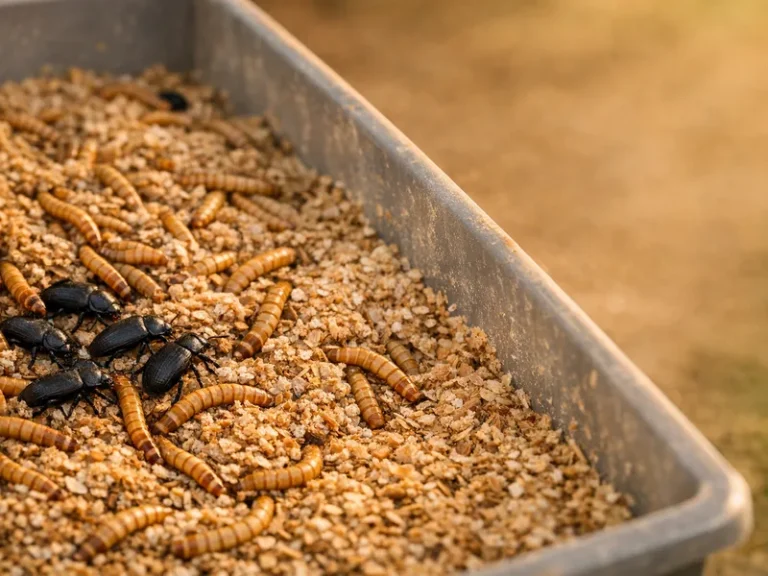
8 insects, 3 times a week, plus greens
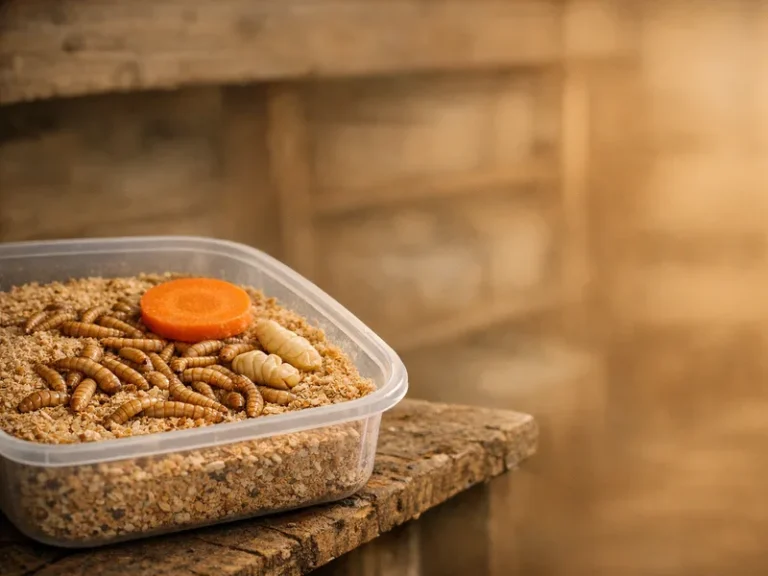
15 small insects a day
Calcium included; mealworms are cheaper but not a staple
Price the rotation, not one feeder in isolation
An adult bearded dragon (Pogona vitticeps) on insects three times a week eats roughly 100 insects a month, and at current shop prices that month costs about $3 on mealworms, about $6 on black soldier fly larvae, about $8 on superworms, about $23 on large dubia, about $30 on silkworms, and about $70 on hornworms. A juvenile eating 15 insects a day eats about 450 a month, and the same ranking holds with bigger numbers: about $22 on small BSFL, about $25 on extra small dubia, about $7 on small mealworms. The ranking tells you the bill; it does not tell you the diet, because the cheapest feeders on it are the ones a dragon should eat least. This guide gives the cost by feeder for both ages, then builds the rotation that keeps both the dragon and the budget healthy.
A balanced rotation controls both nutrition and cost
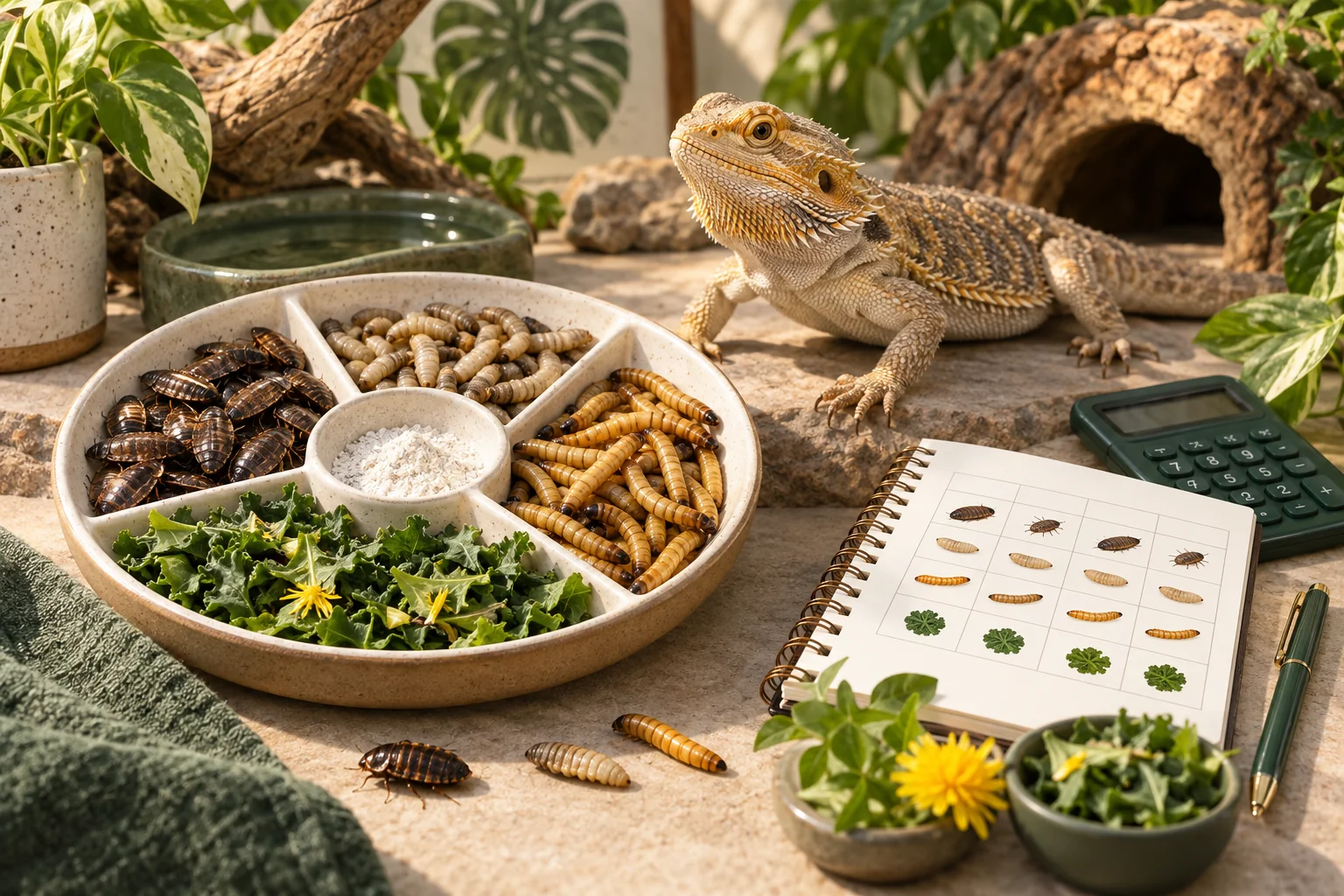
Adults and juveniles eat very different monthly quantities, and the cheapest feeder alone is not a complete diet.
The adult ranking
An adult eating 8 insects three times a week needs about 100 insects a month, with greens making up the rest of the diet. At current shop prices, cheapest to dearest: large mealworms, about $3 for 100. Large BSFL, about $6 for 100. Medium superworms, about $7.50 for 100. Medium dubia, about $18 for 100. Large dubia, about $23 for 100. Small silkworms, about $30 for 100. Hornworms, about $70 for 100 in 25-count cups. The monthly feeder cost calculator recalculates these from the live prices for your own counts.
Two things jump out. Dubia, the recommended staple, is in the middle of the list, not the bottom. And the two cheapest feeders, mealworms and superworms, are the fatty, calcium-poor ones that our obesity post warns adult dragons against as a staple. A dragon fed the cheapest line on this ranking every day is a fat dragon with a calcium problem.
The juvenile ranking
A juvenile eating 15 small insects a day eats about 450 a month, all of them small. Cheapest to dearest: small mealworms, about $7 for 500. Small BSFL, about $22 for 500. Extra small dubia, about $25 for 500. Small dubia, about $40 for 500. Silkworms, about $130 for 500. Hornworms are not a juvenile staple at any price. Because a juvenile eats so many, the count matters more than the price per insect, and the 500 and 1,000-count cups are where a juvenile's food is bought; the price index shows the per-insect drop.
Here the ranking and the diet nearly agree. Extra small dubia and small BSFL are both the right staples for a growing dragon and both near the bottom of the list, which is why a juvenile dragon on a proper diet costs about $25 to $50 a month in insects and not more. The guide to what to feed a bearded dragon by age gives the counts this ranking prices.
Why the cheapest feeder is not the diet
Mealworms and superworms are cheap because they are easy to raise, and they are fatty and low in calcium because of what they are. An adult dragon can have superworms two or three feedings a week as a rotation item and mealworms rarely; a juvenile should get almost none of either. Dubia cost more because a roach takes months to grow and a farm keeps colonies at every size, and they are the staple because the protein-to-fat balance suits a dragon and the sizes follow it from hatchling to adult.
BSFL are the price surprise: near the bottom of both rankings and carrying more calcium than anything else on the list, which cuts the dusting an adult needs. A dragon on dubia and BSFL as staples, with superworms as a rotation item and silkworms and hornworms as treats when they earn it, spends about $30 a month as an adult and about $50 as a juvenile, and both numbers are the right ones.
The adult rotation, priced
A month for an adult on the rotation schedule: 50 large dubia, about $14. 25 large BSFL, about $4. 25 medium superworms, about $3.50. A small hornworm cup or a silkworm cup some months, about $5 to $11. Total about $22 to $33 a month, with dubia as the biggest line and the treat cup as the variable. Cut the treat cup and the month is about $22; add a second one and it is about $40.
The dubia line is where a subscription and a bigger cup save the most, since large dubia keep for months in a tub and the price per roach drops by half from the 25-count to the 200-count. The other lines are already cheap. All of it is in the dubia shop and the BSFL and superworm shops.
The juvenile rotation, priced
A month for a juvenile eating 15 a day: 300 extra small or small dubia, about $19 to $28 depending on size, and 150 small BSFL, about $12. Total about $30 to $40 a month, with no superworms and no mealworms, and calcium dusted on the dubia. The count climbs as the dragon grows and the size climbs with it, which is why a juvenile's order is placed by hand every month rather than on a schedule.
Buy the dubia a size small and let the cup grow with the dragon; a 500-count of extra small bought in month one is a cup of small by month two and matches the animal both times. That trick takes the juvenile bill down a notch without changing what the dragon eats.
The three ways to lower the bill
First, buy dubia in the 200 to 500-count and store them in a tub; the per-roach price drops by half and nothing is lost. Second, put the steady adult order on a recurring schedule at the Subscribe and Save price for 10 percent off. Third, make BSFL the second staple rather than a treat, which lowers both the insect bill and the calcium powder bill. None of the three changes the diet.
The way not to lower it is to slide toward the cheap end of the ranking. Mealworms and superworms are a few dollars a month for a reason, and a dragon that lives on them costs more at the vet than the dubia would have cost at the shop. Price the rotation, not the feeder.
The Priced Rotation
The adult and juvenile staples in the counts the rankings price: large and extra small dubia, BSFL, superworms, and calcium.
Frequently Asked Questions
How much does it cost to feed a bearded dragon per month?+
About $22 to $33 a month for an adult on a dubia, BSFL, and superworm rotation with an occasional treat cup, and about $30 to $40 for a juvenile on extra small dubia and small BSFL, at current shop prices. The bill is mostly dubia, and greens make up the rest of the diet.
What is the cheapest feeder for a bearded dragon?+
Mealworms, at about $3 for 100 large, then BSFL at about $6 and superworms at about $7.50. But mealworms and superworms are fatty and calcium-poor, so they are rotation items and treats rather than the diet. BSFL are the cheapest feeder that is also a proper staple.
Why are dubia roaches more expensive than other feeders?+
A roach takes months to grow and a farm keeps colonies at every size, so large dubia run about $23 for 100 against $3 for mealworms. They are the staple anyway because the protein-to-fat balance suits a dragon and the sizes follow it from hatchling to adult. Buying 200 to 500 at a time halves the price per roach.
How many insects does a juvenile bearded dragon eat a month?+
About 450, at 15 small insects a day, all extra small or small. That is 300 dubia and 150 small BSFL for about $30 to $40 a month. Buy the dubia a size small and let the cup grow with the dragon over the month.
Are hornworms and silkworms worth the price for a dragon?+
As treats, yes; as a staple, no. Hornworms run about $70 per 100 and silkworms about $30 per 100 against $23 for large dubia. A cup of either once a month for hydration or a picky week is a few dollars well spent; feeding them daily is the most expensive way to feed a dragon.
How can I lower my bearded dragon's feeder bill without changing the diet?+
Buy dubia in the 200 to 500-count and store them in a tub, put the steady adult order on a recurring schedule at 10 percent off, and make BSFL the second staple so both the insect bill and the calcium powder bill fall. Do not slide toward mealworms and superworms to save a few dollars.
More helpful guides
Have a care question? Ask our community.
Join Reptile Keepers USA, our free Facebook group for reptile, amphibian and invert keepers. Share your setups, get care help and swap feeder tips.
Join the free group