
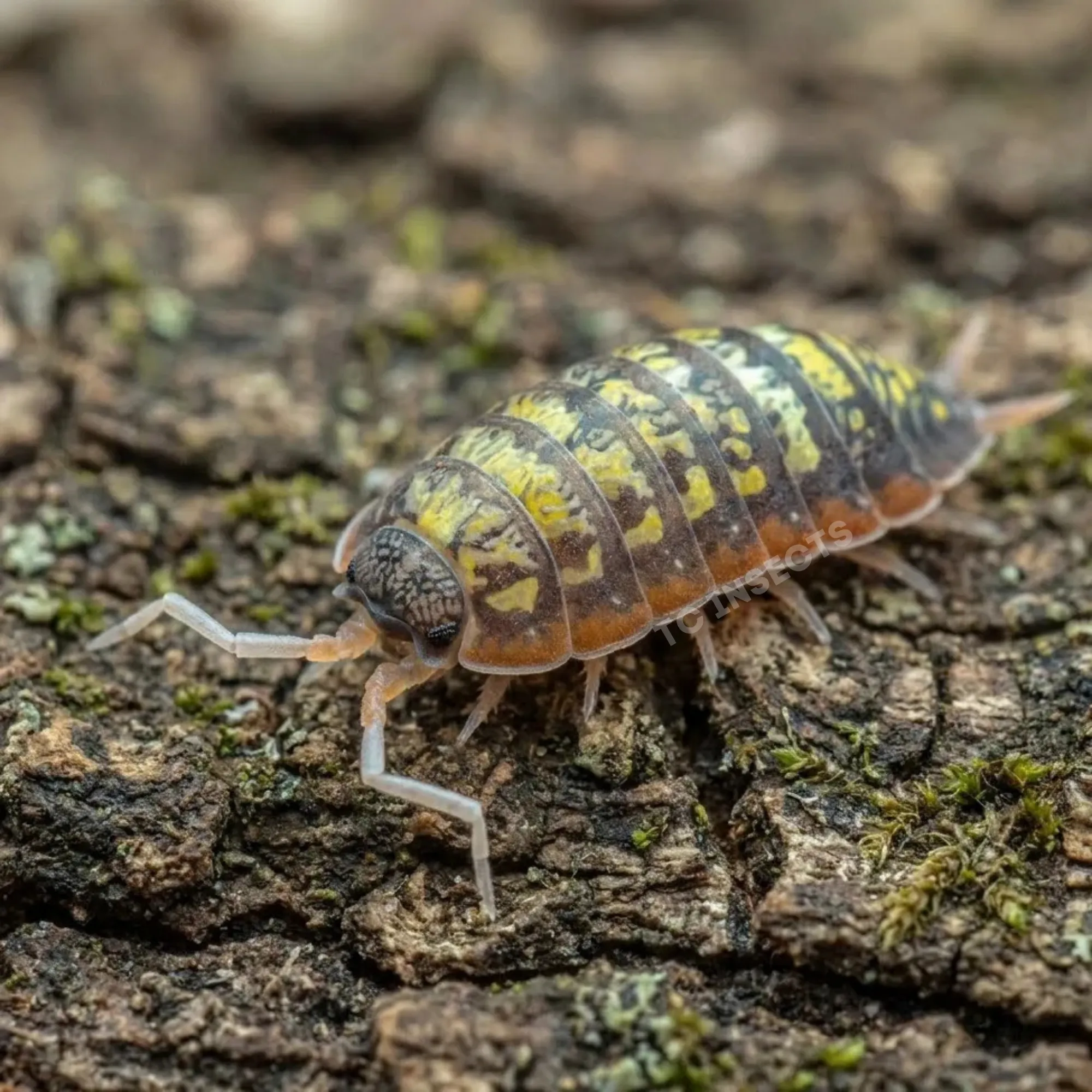
Big Pine Key Isopods for Sale
Overview
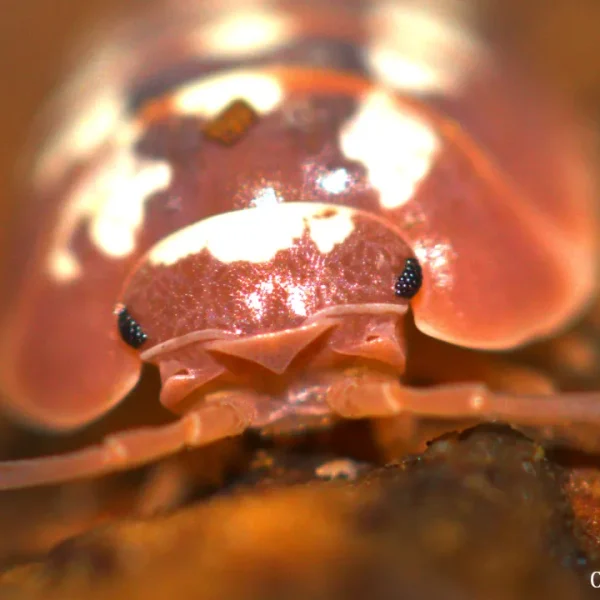
Big Pine Key Isopods are a hobby-trade Porcellionides line named after Big Pine Key in the Florida Keys. They behave like other Porcellionides: fast, surface-active, climbers, and visible during the day rather than buried deep in the substrate. Coloration is more muted than the well-known Powder morphs, so this page is written around the locality and behavior rather than a flashy display color.
Additionally, the species-level identification within the genus is not formally confirmed in the hobby trade, which is why the name appears as Porcellionides sp. “Big Pine Key” rather than a settled binomial. Buyers should treat this as a locality-tagged collector line first and a working cleanup crew second.
Why Keep Big Pine Key Isopods?
- Locality collector value: The “Big Pine Key” designation gives this line shelf appeal for keepers who already run Powder Blue, Powder Orange, and other Porcellionides lines.
- Surface activity: Unlike substrate-bound species, they stay visible on cork bark, leaf litter, and enclosure walls.
- Moderate breeding pace: Once established, colonies tick along at a steady pace, which makes long-term keeping predictable.
- Bioactive support: They process leaf litter, frass, and small organic debris in humid setups when stable conditions are maintained.
- Adaptable temperament: Generally bold and active rather than reclusive, which suits keepers who want to actually see their isopods.
Honest Note on the “Big Pine Key” Name
The “Big Pine Key” designation is a hobby-trade locality name, not a confirmed taxonomic identification. The exact species within the Porcellionides genus is not formally settled in published literature, and the wild origin tied to Big Pine Key is based on hobby provenance rather than a verified scientific collection record. As a result, this page focuses on practical captive care and what to expect in a home culture rather than claiming a precise scientific ID.
If you want a more well-documented Porcellionides for general bioactive use, the Powder Blue or Powder Orange lines are easier to source and faster to scale.
Care and Setup
Care follows the standard Porcellionides framework. The genus tolerates a range of conditions but does best with stable moisture, good airflow, and a reliable food rotation.
Temperature
Aim for 70 to 80°F. Room-temperature households in this range generally work without supplemental heat. Avoid sustained temperatures above the mid-80s, since Porcellionides tend to slow down and lose juveniles in heat-stressed enclosures.
Humidity
Provide a moderate humidity gradient. One side of the culture should stay reliably moist, while the other can dry slightly between mistings. Porcellionides tolerate drier conditions better than many Cubaris, but a humid retreat is still important for molting and juvenile survival.
Substrate
Use a mix of coco fiber, sphagnum moss, decomposed hardwood, and crushed leaf litter. TC INSECTS Assorted Hardwood Leaf Litter works well as both cover and a slow food source. Add cork bark pieces on the surface, since this species tends to use vertical hides.
Food
Rotate a protein and calcium blend like TC INSECTS Isopod Food with occasional fresh vegetables. Supplement with TC Calcium Ultra Fine to support molting and reproduction. Remove uneaten fresh food before it molds.
Ventilation
Ventilation matters more than people expect for Porcellionides. Stale, fully sealed enclosures often lead to mite blooms and culture crashes. Use a vented lid or punched holes covered with fine mesh, and let one side dry slightly between mistings.
Bioactive Use
Big Pine Key Isopods can support humid bioactive setups when paired with Springtails. They help consume leaf litter, frass, and small organic debris, but they do not replace proper enclosure maintenance and waste removal.
Breeding Notes
Breeding pace is moderate compared to faster Porcellionides lines. Once a colony establishes, expect a steady stream of small juveniles rather than explosive population jumps. To support reproduction, keep moisture stable, offer protein and calcium consistently, and avoid disturbing the culture during the first several weeks. Juveniles often shelter under leaf litter and cork bark before moving onto open surfaces.
Best For
- Collectors building out a Porcellionides shelf with locality-tagged lines.
- Display-focused keepers who want surface-active, visible isopods.
- Humid bioactive enclosures with stable moisture and good ventilation.
- Keepers who already run Powder Blue or Powder Orange and want a less common addition.
- Intermediate keepers comfortable rotating food and managing a humidity gradient.
Not Best For
- Buyers expecting vivid color, since this line is more muted than the Powder morphs.
- Fully arid desert enclosures with no humid retreat.
- Keepers who want a fast-breeding cleanup crew. Dwarf White Isopods are a stronger fit for that role.
- Heavy feeder-insect use. Other species are more practical for routine feeder rotations.
- First-time isopod buyers who want a fully documented, taxonomically settled species.
Origin and Locality Notes
The “Big Pine Key” name references Big Pine Key in the Lower Florida Keys, which is the hobby provenance tied to this line. However, the exact wild collection record is not formally documented, and the species-level identification within Porcellionides is not confirmed in published taxonomy. For that reason, this product is sold as Porcellionides sp. “Big Pine Key” rather than a settled binomial. Practical captive care follows standard Porcellionides guidance.
Receiving and Acclimation
Cultures ship in a deli cup with moist substrate, leaf litter, and a piece of cork or bark for cover. On arrival, open the cup in a calm area, check moisture, and transfer the contents directly into a prepared enclosure. Avoid rinsing or separating the animals from their shipping substrate, since that substrate carries microfauna and helps the colony settle in. Mist lightly if the substrate looks dry, then leave the culture undisturbed for several days.
Recommended Add-Ons
- TC INSECTS Isopod Food for a consistent protein and calcium rotation.
- TC INSECTS Assorted Hardwood Leaf Litter for cover, microfauna support, and a slow food source.
- TC Calcium Ultra Fine to support molting and juvenile development.
- TC INSECTS Ultra Isopod Habitat Kit for a complete starter setup with substrate, leaf litter, and cover.
- Springtails to pair as a microfauna partner in humid bioactive enclosures.
Frequently Asked Questions
Are Big Pine Key Isopods beginner-friendly?
Generally, yes, with a small caveat. The care framework is the standard Porcellionides setup, which most beginners can handle. However, since this is a less common locality line with a moderate breeding pace, first-time isopod buyers who want fast results often do better starting with Powder Orange Isopods or Dwarf White Isopods.
How fast will the culture grow?
Expect a moderate ramp once the colony establishes, typically over several weeks. Big Pine Key Isopods do not match the explosive pace of some Powder lines, so plan around steady growth rather than rapid scaling.
Can these be used in a bioactive terrarium?
Yes, in humid bioactive setups with stable moisture and good ventilation. They help consume leaf litter, frass, and small organic debris, but they should be paired with Springtails for stronger microfauna coverage and not relied on alone for cleanup.
Are they a display species or a cleanup crew?
Primarily display and collector-tier. They stay visible on surfaces and cork bark, which makes them satisfying to watch. As a cleanup crew, they are functional but not the fastest option. For heavier cleanup, Dwarf Whites or established Powder lines tend to be more productive.
How does this compare to Powder Blue or Powder Orange?
Behavior is broadly similar across the Porcellionides genus, including surface activity and climbing. The main differences are coloration and pace. Powder Blue and Powder Orange are more vivid and faster to scale, while Big Pine Key offers locality-collector value with a more muted look.
Can reptiles eat these occasionally?
Adults are too active and fast to function as a primary feeder, but occasional offerings to small insectivores are reasonable when calcium dusted. For routine feeder use, dedicated feeder species are a better fit.
Learn More About Porcellionides and Florida Keys Isopods
For background on the genus and the broader isopod fauna of Florida, the following non-commercial sources are useful starting points.
-
World Register of Marine Species: Porcellionides Miers, 1877. A taxonomy reference for the Porcellionides genus, useful for understanding why hobby lines often sit at Porcellionides sp. rather than a confirmed species.
-
British Myriapod and Isopod Group: Woodlice Identification. A practical primer on woodlouse morphology and how features like the powdery cuticle, body shape, and uropods help separate genera, including Porcellionides.
-
University of Florida IFAS Featured Creatures. An entomology resource covering many Florida invertebrates, helpful background for understanding the kind of habitat conditions found across the Florida Keys.



Reviews
There are no reviews yet.