
Sinodillo Vietnam Isopods for Sale
Overview
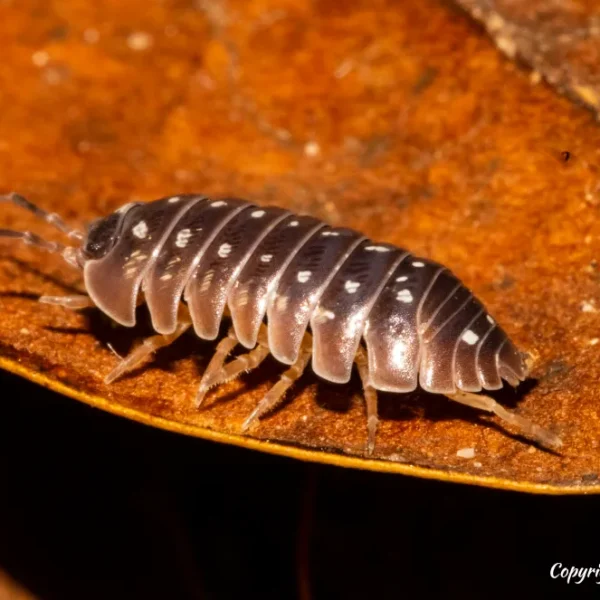
Sinodillo Vietnam isopods are a small Southeast Asian rolling isopod sold under the hobby trade name Sinodillo sp. “Vietnam.” The genus Sinodillo was described in 1993 by Kwon and Taiti, based on a type specimen from Yunnan Province in China. As a result, this is a real, scientifically described Asian genus, not a hobby invention.
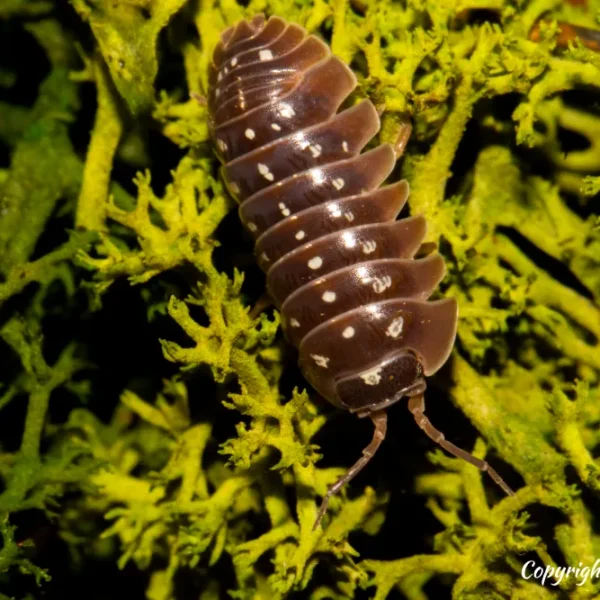
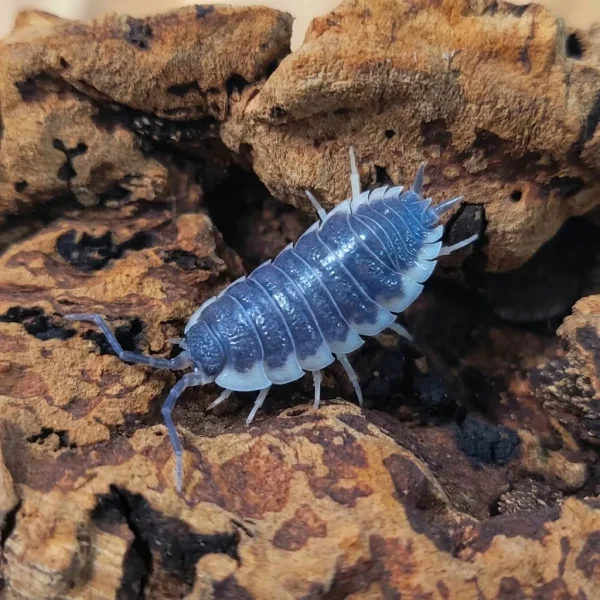
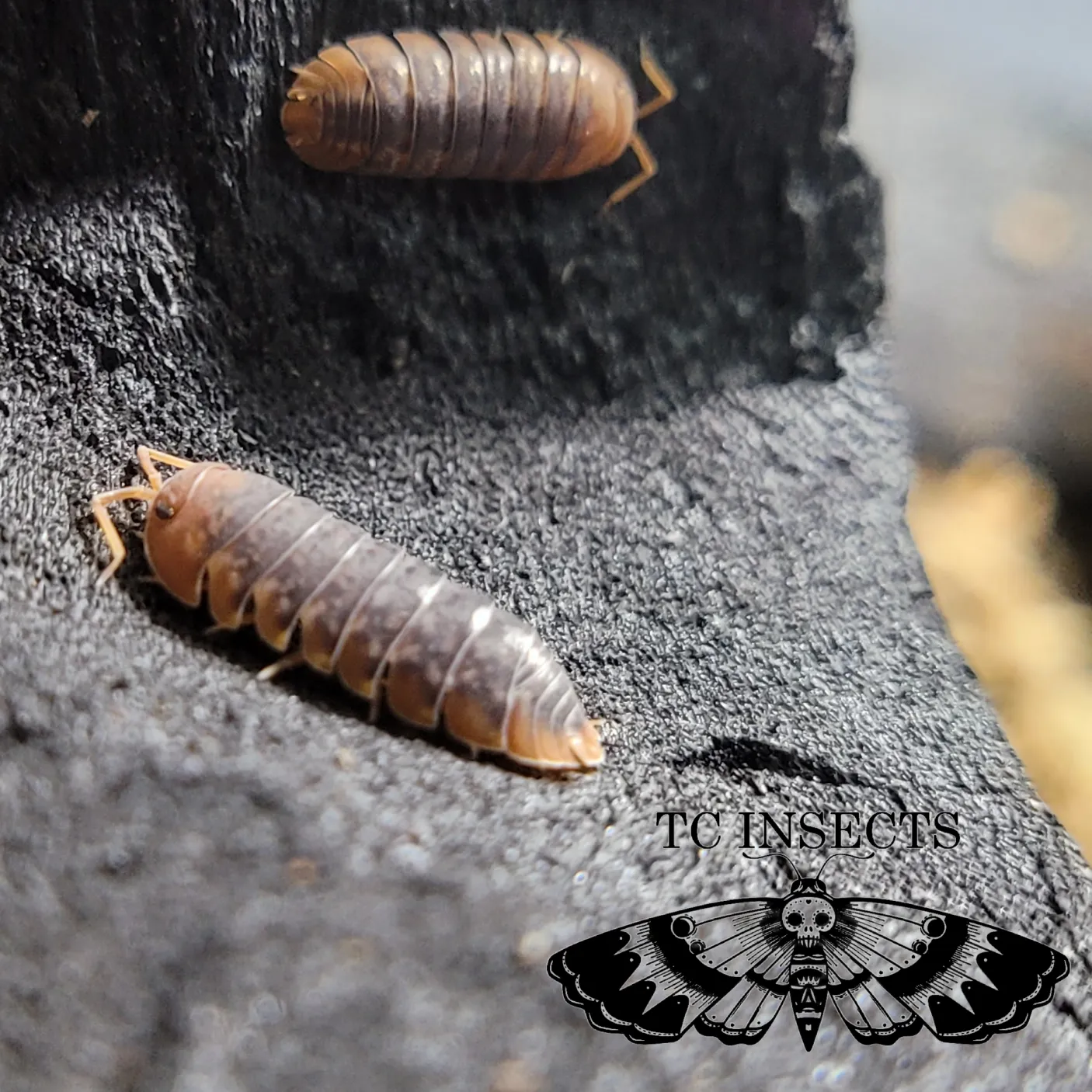
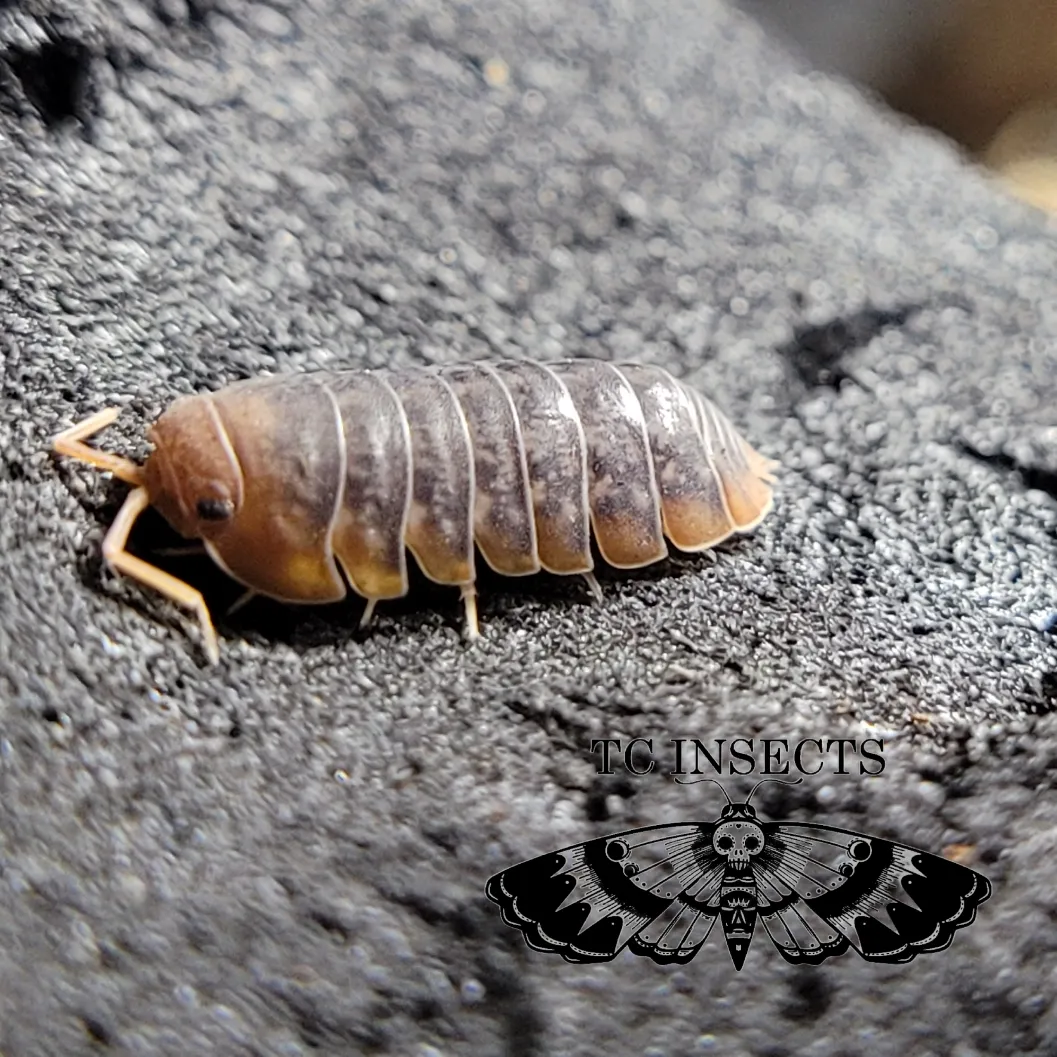
However, the “Vietnam” line has not been formally matched to one of the six described Sinodillo species in peer-reviewed literature. Therefore, we list this culture at the genus level. Visually, the line stands out for its compact body, grey-brown to bluish tones, and contrasting red head and skirt markings, which is the main reason collectors buy it.
Why Keep Sinodillo Vietnam Isopods?
- Bold red-head patterning: First, the contrast between the grey-brown body and the red head and skirt makes this one of the more visually striking small rolling isopods in the hobby.
- Compact display size: Additionally, at roughly 1 cm adult size, they fit naturally into small to mid-size display setups without crowding the layout.
- Real conglobating genus: Sinodillo species can fully roll into a ball, which gives this culture genuine pillbug-style behavior.
- Moderate breeding pace: Furthermore, settled colonies reproduce reliably enough to maintain themselves without overwhelming an enclosure.
- Southeast Asian collector appeal: Finally, this fills a niche on a collector shelf alongside Cubaris and other Asian rolling isopods.
Honest Note on the Merulanella to Sinodillo Rename
This line has been sold in the hobby under two genus names. Originally, it was distributed as Merulanella sp. “Vietnam.” More recently, hobby breeders and several retailers have moved it to Sinodillo sp. “Vietnam” based on better morphological matches to the Sinodillo genus description. However, the rename has not been confirmed in peer-reviewed literature with a formal species assignment.
If you previously bought this isopod as Merulanella sp. “Vietnam,” it is the same hobby line. We use the Sinodillo designation because that is the current hobby consensus, but we treat the genus assignment as a hobby trade-level classification rather than a confirmed scientific identification.
Honest Note on Movement and Temperament
Hobby reports consistently describe this species as fast-moving but timid. As a result, you may see less of the colony during the day than you would with bolder cleanup species like Porcellio laevis “Dairy Cow”. The colony tends to stay under bark, in moss pockets, or buried in leaf litter, and individuals often dart for cover when disturbed.
This is normal for the species and does not indicate a problem with the culture. For best display visibility, place hides at the front of the enclosure and avoid frequent substrate disruption. Keepers who want a bold, always-visible isopod may prefer a larger species instead.
Care and Setup
Sinodillo Vietnam isopods do well in a moderate, well-ventilated setup with a clear moisture gradient and abundant cover. The following sections cover the practical husbandry framework we recommend.
Temperature
Target 68 to 79°F across most of the year. This is slightly cooler than full tropical husbandry, which is one of the practical differences between this species and Cubaris or larger Southeast Asian display lines. However, brief warm spikes are usually tolerated as long as the substrate stays damp.
Humidity
Aim for medium humidity overall, roughly 50 to 70 percent. Keep one side moist with sphagnum moss and hydrated substrate. Then keep the other side slightly drier so the isopods can self-select. Specifically, this is not a swamp species, and waterlogged conditions stress the colony quickly.
Substrate
Use a moisture-holding mix of soil, rotted hardwood, and organic matter at a depth of 2 to 3 inches. Add a generous layer of TC INSECTS Assorted Hardwood Leaf Litter on top. Leaf litter doubles as cover for this timid species, so keep it deep.
Food
Lead with leaf litter and decaying hardwood as the base diet. Then supplement with TC INSECTS Isopod Food for added protein and minerals, plus a calcium source like TC Calcium Ultra Fine. Feed lightly, since small colonies process soft foods slowly and uneaten material molds before the isopods can consume it.
Ventilation
Use cross-ventilation or controlled lid ventilation. Specifically, you want enough airflow to prevent stagnant pockets, but not so much that the moist side dries out within a day. Hobby reports note that stagnant conditions cause colony declines faster in this species than in many common cleanup crews.
Bioactive Use
Sinodillo Vietnam isopods can work in moderate-humidity bioactive enclosures once the culture is established. However, we recommend running a backup culture in a dedicated bin first. The small adult size and timid behavior make these isopods hard to track in a planted display, so a separate culture confirms the colony is still active.
Breeding Notes
Sinodillo Vietnam isopods breed at a moderate pace once settled. Hobby reports vary between “moderate” and “fast-producing,” which usually depends on temperature, humidity stability, and substrate quality. Generally, plan for steady colony growth rather than explosive booms like Powder Orange.
For best results, leave the colony undisturbed during the first six to eight weeks. Avoid frequent digging or substrate swaps. Then add fresh leaf litter before the existing layer is fully consumed, and refresh moss as needed to keep the moist side stable.
Best For
- Display cultures focused on red-head patterning and Southeast Asian rolling isopods
- Planted vivariums with moderate humidity (roughly 50 to 70 percent)
- Collector shelves that include Asian Armadillidae lines alongside Cubaris and other rolling species
- Intermediate keepers who already manage moisture gradients and ventilation balance
- Cooler tropical setups in the 68 to 79°F range
Not Best For
- Hot rooms running consistently above 80°F
- Dry desert setups without a permanent humid retreat zone
- High-waste reptile enclosures that need fast cleanup turnover
- Feeder use, since per-animal value and timid behavior make them a poor feeder pick
- Keepers expecting bold, always-visible isopods active during the day
- Beginners still learning isopod moisture and ventilation balance
Origin and Locality Notes
The genus Sinodillo was described in 1993 by Kwon and Taiti, with the type species Sinodillo troglophilus from Yunnan Province in China. Additional described species are known from southern China and nearby regions in East and Southeast Asia. As a result, the genus is well established in scientific literature, even though many of its species remain lightly studied.
The “Vietnam” hobby line is named after its country-of-collection designation, but the precise wild locality has not been documented in peer-reviewed sources. Additionally, the line has not been matched to one of the six described Sinodillo species. Accordingly, we treat the “Vietnam” name as a hobby designation rather than a confirmed locality record.
Receiving and Acclimation
Open your package promptly when it arrives and inspect the cup calmly before moving anything. Sinodillo Vietnam isopods are fast-moving once disturbed, so close the cup quickly if you need to set it aside.
Prepare the enclosure before opening the cup. The habitat should already have moist substrate, leaf litter, bark, moss, and a calcium source. Then place the shipping material into the enclosure and let the isopods move out on their own. Finally, keep the setup quiet for the first week while the colony settles.
It is normal for new arrivals to stay hidden during the first several days. Stable moderate humidity, good airflow, and low disturbance speed up the adjustment.
Recommended Add-Ons
- TC INSECTS Isopod Habitat Kit — a complete starter setup that gives this culture proper substrate, leaf litter, moss, and feed from day one.
- TC INSECTS Assorted Hardwood Leaf Litter — the core food and cover layer for this timid display species, since deep leaf cover reduces stress and supports breeding.
- TC INSECTS Isopod Food — supplemental protein and minerals beyond leaf litter, fed in small portions to support steady breeding.
- TC Calcium Ultra Fine — supports healthy molts and exoskeleton development for this rolling species.
- Springtails — pair well with Sinodillo Vietnam in moderate-humidity bioactive setups to help manage mold on damp substrate.
Frequently Asked Questions
Is this the same isopod as Merulanella sp. “Vietnam”?
Yes. This line was originally sold in the hobby as Merulanella sp. “Vietnam” before being reclassified to Sinodillo sp. “Vietnam.” The animals are the same; the genus name changed based on closer morphological matches to Sinodillo. However, the rename has not been confirmed in peer-reviewed literature with a formal species assignment.
Are Sinodillo Vietnam isopods beginner-friendly?
Generally no. We rate them at intermediate level because they need a stable moderate climate and good ventilation. First-time keepers usually do better starting with hardier species like Porcellio laevis “Orange” or Dwarf White isopods before moving up.
How fast do they breed?
Moderate once established. Hobby reports range from “moderate” to “fast-producing,” depending on conditions. Generally, plan for steady growth rather than the population booms seen in Dairy Cow isopods or Powder Orange.
Why is the colony hiding all the time?
This species is naturally timid and fast-moving. As a result, individuals tend to stay under bark, in moss, or buried in leaf litter, and they dart for cover when the enclosure is disturbed. This is normal behavior, not a sign of stress, as long as conditions are stable.
Can they live with Cubaris or other Asian isopods?
Generally, mixed-species enclosures are not recommended for collector lines, since hybridization risk and competition can both cause problems. Keep this line separate to maintain identification clarity and steady reproduction. Cubaris murina or other Cubaris species belong in their own dedicated cultures.
What is the red part of the body?
The red marking covers the head (cephalon) and the lateral skirt (epimera along the body sides) on adults. Coloration intensity varies between individuals, and juveniles often look duller than adults until they mature.
Learn More About Sinodillo and Southeast Asian Rolling Isopods
Because the “Vietnam” line sits inside a real but unevenly studied Asian genus, the following non-competitor references help keepers understand the scientific background.
-
Wikipedia: Armadillidae (terrestrial isopod family). A general overview of the family that contains Sinodillo, including conglobation behavior and habitat associations. Useful for understanding why this species rolls into a ball when disturbed.
-
PubMed Central: Terrestrial isopods, soil, and litter interactions. An open-access review of how land isopods interact with leaf litter, moisture, and substrate. Useful for keepers who want the science behind why deep hardwood leaf cover and stable medium humidity matter for a small timid display species like this one.