

Yellow Panchlora Roaches for Sale
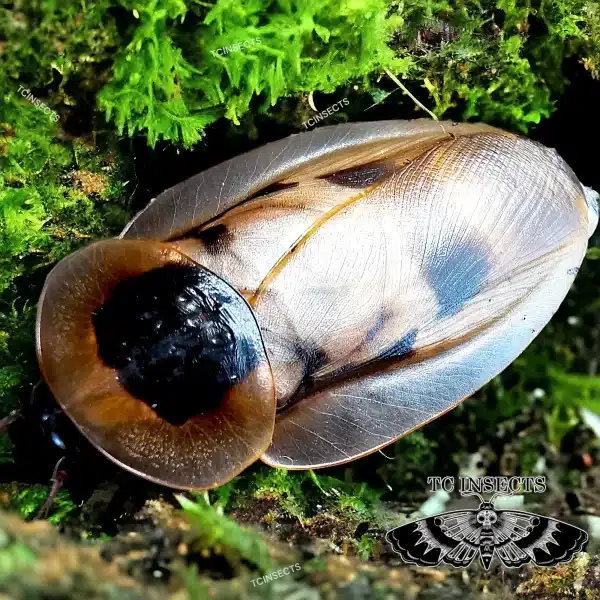
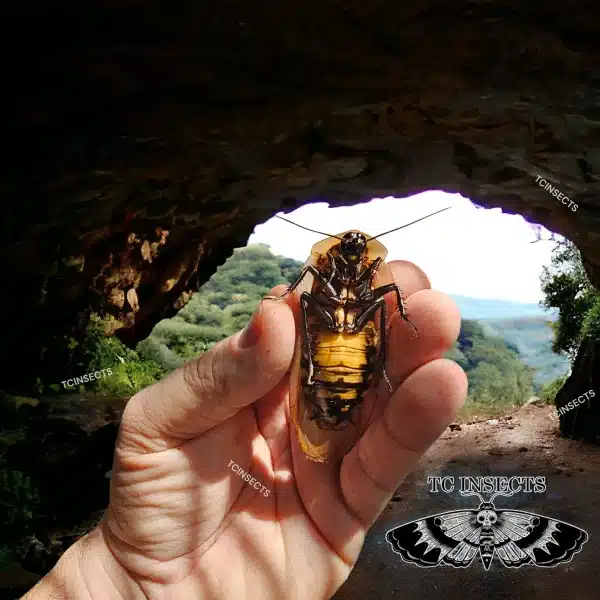
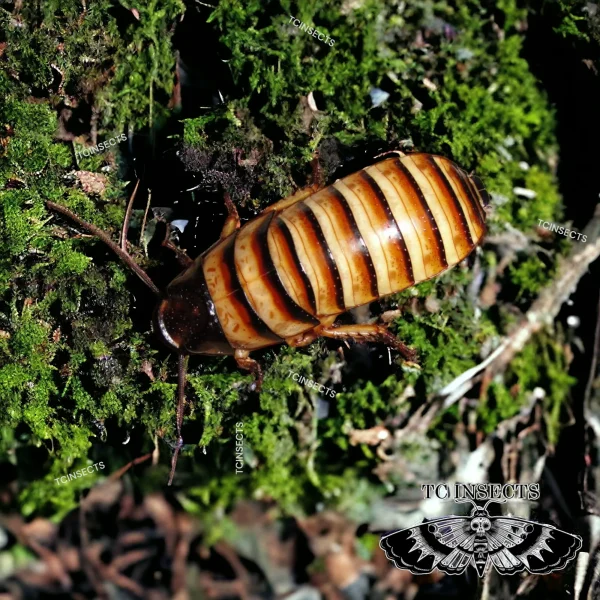
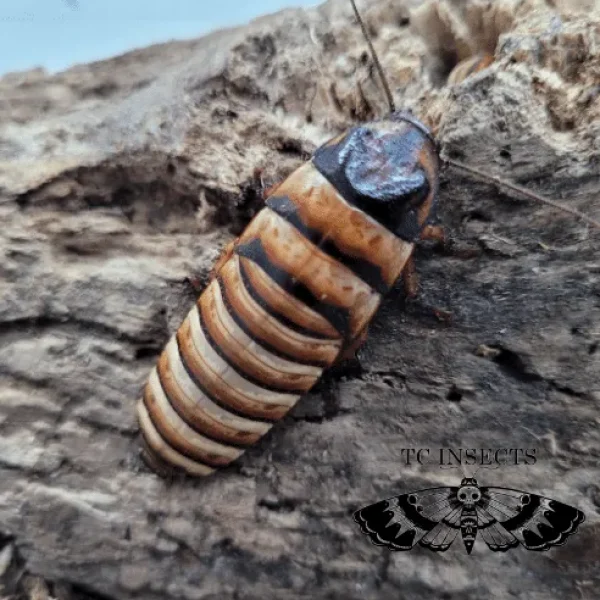
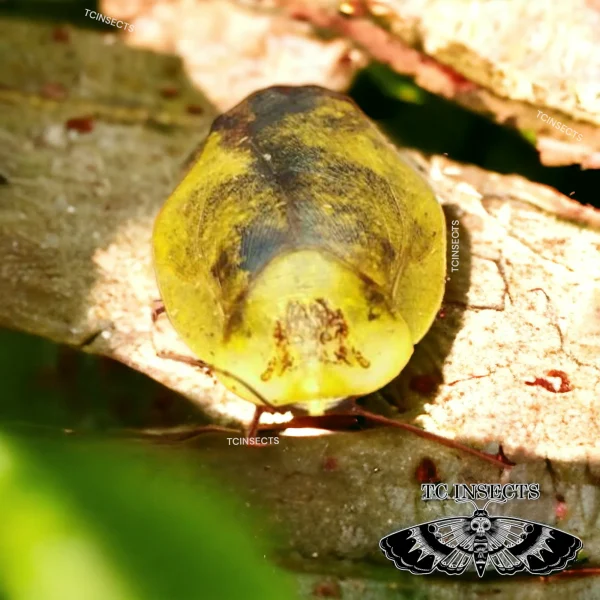
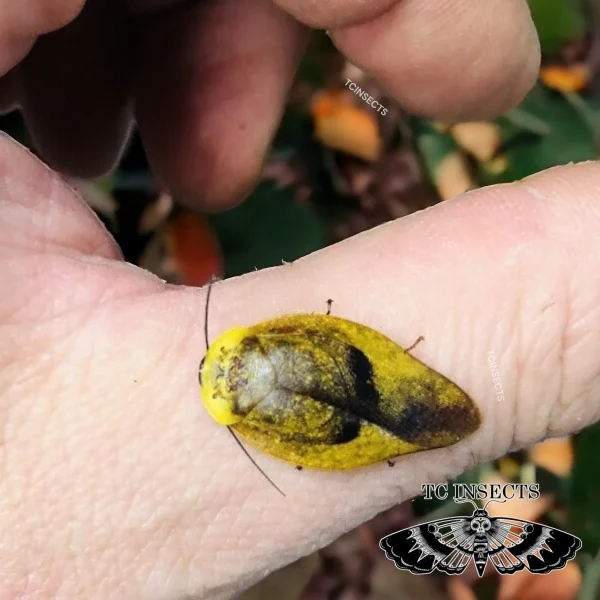
The Yellow Panchlora “Costa Rica” is a documented selected cultivar of an unidentified Panchlora species from Costa Rica, line-bred over many generations to produce bright banana-yellow adults rather than the wild-
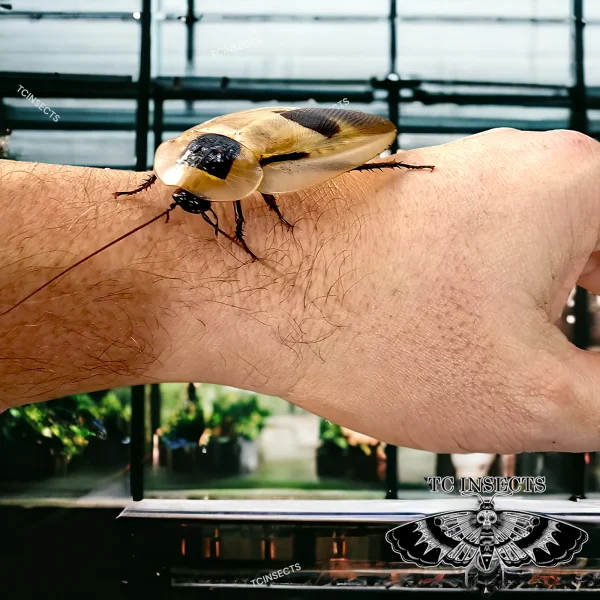
type bright-green color. The cultivar was isolated and refined by Roach Crossing, a respected hobby breeder, and is now the most premium and most colorful *Panchlora* in our catalog. Adults reach about 25 to 28 mm,
slightly smaller than our Giant Green Banana Roach but in roughly the same size class. Sold to serious collectors and display keepers in counts of 10, 25, 50, or 100 mixed nymphs at premium pricing.
Overview
This species shares the same broad biology as our other *Panchlora* roaches: Neotropical, blaberid family, soft-bodied, nocturnal, climbing-and-flying as adults. Nymphs are brown and burrow in substrate; adults
transition to the yellow color over multiple molts. Females give birth to live babies. Adult lifespan is short at 6 to 12 months (typical of the genus). The key difference from our other two *Panchlora* products is the color —
bright banana-yellow instead of green — and the documented cultivar provenance behind the line.
Honest Note: This Is a Selected Cultivar With Documented Origins
“Yellow” isn’t a separate species and it isn’t a random color variation — it’s a documented selected line. Here’s how it works in plain English:
- The base species: A wild *Panchlora* from Costa Rica that hasn’t been formally identified yet (hence the sp. designation). The wild type is bright green like other Costa Rican *Panchlora*.
- The Yellow line: Hobby breeder Roach Crossing selected the rare yellow-expressing individuals from a wild-type population and bred them together over multiple generations to lock in the yellow color.
- The result: A stable strain where most or all offspring express the banana-yellow color. The genes for green are still present in the gene pool but the line consistently produces yellow adults.
This is the same kind of cultivar provenance behind our Gyna lurida “Yellow”, which was isolated by Orin McMonigle. Documented breeder origins are a quality marker for collectors who care about genetic line traceability.
Honest Note: Yellow Is Actually EASIER Than Wild-Type Green (Unusual)
This finding is counter-intuitive but documented across hobby breeders. Most line-bred color forms are MORE fragile than their wild-type ancestors because you’re working with a narrower gene pool. The Yellow Panchlora is the opposite:
- Wild-type green Costa Rica: Documented as harder to maintain than expected, with breeders reporting culture issues.
- This Yellow cultivar: Documented breeders (Invertebrate Dude specifically) report the line is easier to keep than the wild green type. Possibly the multi-generation selection accidentally selected for stronger captive performers along with the yellow color.
Practical takeaway: if you want a colorful *Panchlora* and you’re choosing between this Yellow line and a wild-type green Costa Rica line, the Yellow is the more reliable choice both for color stability AND for keeping success.
Honest Note: Adult Males Are SUPER Flighty
This is the practical containment warning for the species. Where our other two *Panchlora* products have adult males that fly when startled, this Yellow Panchlora is described by documented breeders as “SUPER hyper and flighty” — meaningfully more active and more likely to attempt flight than the standard or Giant species.
- Use a gasket-sealed lid. A tight-fitting lid is the minimum; a gasket that locks shut is better. Don’t rely on a loose mesh top.
- Open the enclosure carefully. Always in a closed room with windows shut and curtains drawn at night. Lights off if possible — they fly toward lights.
- The yellow color makes escapes easier to spot. One silver lining: if a male does get out, the bright banana-yellow against most household surfaces stands out better than the green wild type.
This is not a difficult species to contain, but it does need real attention to the lid and the room setup. The level of attention is roughly similar to our Chrome Roach (also a flighty climbing species), and noticeably more than the standard Green Banana Roach.
How It Compares to Our Other Panchlora
For buyers deciding between the three *Panchlora* products in our catalog:
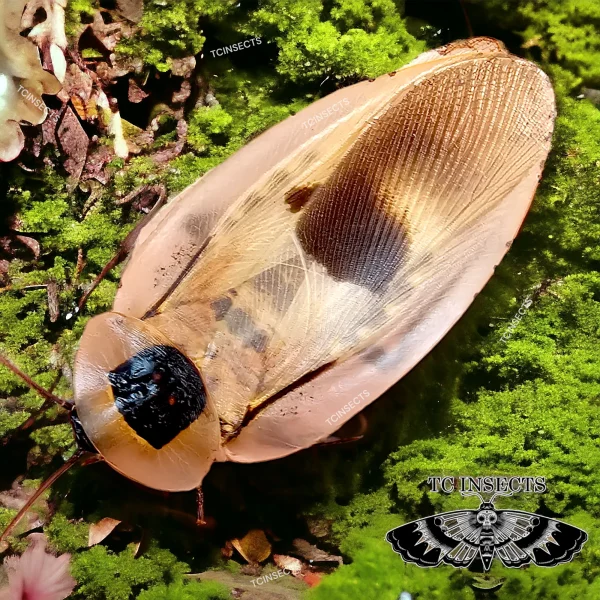
- Standard Green Banana Roach (P. nivea): bright green, smaller, most prolific, most forgiving, cheapest. Best for feeder use and beginner keepers.
- Giant Green Banana Roach (P. sp. “Giant”): pale green, larger, slower-breeding, more fragile to care lapses, mid-priced. Best for keepers wanting a larger soft-bodied feeder.
- Yellow Panchlora “Costa Rica” (this product): banana-yellow, mid-sized, documented Roach Crossing cultivar, easier than wild-type green, most expensive. Best for serious collectors and display keepers.
All three share the same care framework: warm temperatures, moist substrate, soft-bodied feeder use, brown-nymph-to-colored-adult development, climbing-and-flying containment. They differ in size, color, breeding rate, and price point. Many collectors eventually keep all three in separate enclosures for the full genus comparison.
Why Keep Yellow Panchlora?
- The color. Banana-yellow is genuinely difficult to find in the roach world. Most line-bred yellow forms are washed-out or unstable; this one is a stable bright yellow.
- Documented cultivar provenance. Isolated and refined by Roach Crossing, with traceable breeder origins for collectors who care about line history.
- Easier than the wild type. The counter-intuitive bonus: choosing this Yellow cultivar over a wild-type green Costa Rica line gives you both better color AND better keeping success.
- Completes the *Panchlora* lineup. Pairs with our standard and Giant Green Banana Roaches for the full genus collection.
- Same soft-bodied feeder profile. If you also want to feed reptiles, the body texture works the same as our other *Panchlora* products.
Care and Setup
Husbandry is broadly the same as our other *Panchlora* products with one specific area requiring more attention: containment of the very flighty males.
Enclosure
A gasket-sealed container is the recommended setup for this species (not just a tight-fitting lid). Hyper males will exploit any gap. A 5 to 10 gallon size suits 25 to 50 starter nymphs. Add a backup silicone or petroleum jelly barrier band around the inside top edge.
Temperature
75 to 85°F is the active range. The warmer end (around 80°F) drives the best breeding rate. They tolerate brief cool dips but won’t breed below the low 70s.
Humidity and Substrate
Medium to high humidity, with moist substrate as the main requirement. Two to three inches of coco fiber, peat moss, or organic potting soil, kept consistently damp (wrung-out sponge consistency). Mist every few days. Avoid letting it dry out completely.
Food
Omnivorous and not picky. Fresh fruit (banana, apples, pears, melon), starchy vegetables (squash, sweet potato), and dry food like Supreme Feed Premium Roach Formula. They eat banana enthusiastically — fitting given both the genus name and this cultivar’s color.
Hydration
The moist substrate provides most water. Hydro-Thirst Insect Water Crystals work as a spill-proof backup. Avoid open water dishes (nymphs drown easily).
Bioactive Setup
Works well in bioactive terrariums with isopods and springtails. The bright yellow against a natural-looking substrate is one of the most striking display combinations in the exotic roach hobby.
Breeding Notes
Females give birth to live nymphs. Documented breeders describe this Yellow cultivar as “fast growing and breeding” when conditions are right, with the line-bred selection preserving the strong breeding traits of the wild
type. Newborn nymphs are brown and start showing the yellow color development over multiple molts as they mature. Because most offspring express yellow, this is a stable strain — you don’t get a mix of yellow and green
babies from a Yellow x Yellow pairing. A starter group of 25 to 50 mixed nymphs reaches productive breeding output within several months under warm consistent care.
Best For
- Serious Panchlora collectors completing the genus lineup
- Display keepers specifically wanting the banana-yellow phenotype
- Bioactive terrarium hobbyists wanting the most visually striking *Panchlora* available
- Advanced reptile keepers willing to pay premium pricing for unusual feeder color
- Hobbyists who appreciate documented cultivar provenance and traceable breeder lines
- Keepers comfortable with very flighty males requiring secure containment
Not Best For
- First-time exotic roach buyers; start with the easier and cheaper standard Green Banana Roach instead
- Volume feeder users where the premium pricing doesn’t make economic sense
- Setups without secure gasket-sealed containment
- Keepers without prior experience with flighty climbing roach species
- Customers in jurisdictions that restrict non-native cockroach species; check local rules
- Anyone planning to release roaches outdoors under any circumstances
Origin and Locality Notes
The base species is an unidentified *Panchlora* from Costa Rica that hasn’t been formally described yet, sold in the hobby under the designation Panchlora sp. “Costa Rica.” The Yellow cultivar is a selected line-bred color
form, isolated and refined by hobby breeder Roach Crossing over multiple generations of selecting yellow-expressing individuals. Our captive line is maintained separately from our other *Panchlora* species to preserve
the color stability. The cultivar can be co-housed with *Panchlora sp.* “Hobby” without hybridization risk per documented breeder guidance, since they are distinct species — but should not be housed with other
*Panchlora* from the same Costa Rica wild stock.
Receiving and Acclimation
Your order ships with ventilation and bedding suited to transit. On arrival, open the package in a closed room with the lights off or dim — this matters more for this species than for our other *Panchlora* because the
super-flighty males will react strongly to any light source. Transfer the nymphs into a prepared moist-substrate enclosure with hides and a hydration source. Give them a day or two to settle and burrow before disturbing
them. As with every live insect we sell, do not release them into the wild.
Recommended Add-Ons
- Standard Green Banana Roach (P. nivea) for the most prolific and forgiving *Panchlora* to pair with this premium Yellow cultivar in separate enclosures.
- Giant Green Banana Roach (P. sp. “Giant”) to complete the *Panchlora* lineup across all three TC INSECTS products.
- Hydro-Thirst Insect Water Crystals for safe spill-proof supplemental hydration.
- Supreme Feed Premium Roach Formula for a quality dry diet alongside fresh fruit.
- Live Springtails for bioactive cleanup in the moist substrate setup.
Frequently Asked Questions
Who isolated the Yellow color form?
Roach Crossing, a respected hobby breeder. They selected yellow-expressing individuals from a wild-type Costa Rica *Panchlora* population and bred them together over multiple generations to produce the stable yellow strain we and other breeders now sell. This is documented in their public listing for the species.
Is the yellow color real or just lighting?
Real. Adults of this cultivar consistently express bright banana-yellow coloration under normal lighting. Nymphs are still brown (like other *Panchlora* nymphs), and the yellow color develops as they mature through their molts. The line is stable enough that nymphs from this cultivar reliably produce yellow adults rather than reverting to green.
Why is this easier to keep than the wild-type green form?
Documented breeders aren’t entirely sure, but the leading explanation is that the multi-generation selection for yellow color may have accidentally selected for stronger captive performers along the way. The Yellow cultivar has been bred under captive conditions for many generations; the wild-type green Costa Rica line hasn’t been refined the same way. Whatever the reason, multiple breeders report this counter-intuitive finding.
How flighty are the males really?
Very. Documented breeders describe them as “SUPER hyper and flighty” — noticeably more reactive than the males of our standard Green Banana Roach or Giant Green Banana Roach. A gasket-sealed enclosure (not just a tight lid) is the recommended setup. Don’t underestimate this — adult males will fly toward lights when startled.
Why is this more expensive than your Giant Green Banana Roach?
Two main reasons. The documented Roach Crossing cultivar provenance adds genuine value for collectors who care about line traceability. And the yellow color is genuinely rarer in the hobby and more in demand. Both factors push the price above the *P. sp.* “Giant” pricing.
How does this compare to your other *Panchlora* products?
Three products, three different positions. Standard Green Banana Roach (P. nivea) is the cheap prolific feeder. Giant Green Banana Roach (P. sp. “Giant”) is the larger size-up option for slightly bigger reptiles. This Yellow Panchlora is the premium display cultivar with documented breeder provenance. Pick based on whether you want feeder economy, larger feeder size, or premium display color.
Learn More About Panchlora sp. “Costa Rica” Yellow
These references give keepers background on the cultivar’s documented hobby origins and the broader *Panchlora* genus context.
-
Roach Crossing: Panchlora sp. “Costa Rica” Yellow cultivar. The original breeder’s documented listing crediting the cultivar isolation and refinement, useful background for collectors who care about line traceability.
-
Wikipedia: Panchlora (genus profile). An overview of the broader genus including the formally described species and the documented *sp.*-designated hobby lines that haven’t been formally identified yet.
-
Allpet Roaches Forum: Panchlora species comparison discussion. A documented hobby keeper community thread comparing the various *Panchlora* species and cultivars in culture, useful for buyers choosing between the three TC INSECTS *Panchlora* products.
Reviews
There are no reviews yet.