Mealworm Frass as Garden Fertilizer: How to Use It Safely
Mealworm frass, the dried droppings and shed skins sifted out of a mealworm bin, is a real organic fertilizer, not just bug bin waste. Peer-reviewed testing has measured mealworm frass at roughly 5 percent nitrogen, 2 percent phosphorus, and 1.7 percent potassium on a dry weight basis, plus chitin that can help plants resist disease, and one field trial found it performs close to a mineral NPK fertilizer on crop growth. It releases nutrients gently, so it is a forgiving, low-burn feed for houseplants and garden beds alike. This guide covers the real numbers, how much to use by setup, what never to do with it, and whether it belongs anywhere near a bioactive tank.
Measured in peer-reviewed testing of dry mealworm frass
Plus calcium, magnesium, and chitin from shed skins
Mix into soil, top-dress, or steep as a liquid feed


What Is Mealworm Frass, Really?
Frass is the sifted-out byproduct of a mealworm bin: dry droppings, fine shed exoskeletons, and a little leftover bran, all reduced to a fine, sand-colored powder. Our guide to cleaning feeder bins covers frass as something you sift out and toss. This post covers the other half of that story, what to do with it once it is out of the bin, because a substance gardeners pay for by the bag is not something a mealworm keeper should be throwing away. If you keep mealworms for any reason, from a fishing bait tub to a reptile's feeder bin, you already make this every few weeks.
Nutritionally, frass is not just filler. Peer-reviewed testing of dry mealworm frass has measured roughly 5 percent nitrogen, 2 percent phosphorus, and 1.7 percent potassium by dry weight, along with calcium, magnesium, and chitin from the shed skins. Chitin is the ingredient that goes beyond basic plant food: several studies link it to stronger induced disease resistance in the plants that receive it. Other tested batches have landed anywhere from about 2.5 to nearly 8 percent nitrogen depending on the colony's diet and how the frass was processed, so treat any single number as a reasonable ballpark, not a guarantee stamped on every bag.
Does Mealworm Frass Actually Work as a Fertilizer?
Yes, and it has been tested against the alternative. In a peer-reviewed pot trial, mealworm frass performed about as well as a standard mineral NPK fertilizer at building barley biomass and getting nitrogen, phosphorus, and potassium into the plant. The frass version released its phosphorus more slowly and in a more stable form, which is normally a downside for a fertilizer, but here it meant less phosphorus washed away or locked up in the soil, a genuine advantage over fast synthetic feeds on that specific measure.
A separate two-year field study from the U.S. Department of Agriculture's Agricultural Research Service found frass from yellow mealworms raised soil carbon roughly twofold and nitrogen roughly threefold compared with poultry litter or ammonium nitrate, while producing similar crop yields, and insect frass in general has tested with fewer pathogens than most animal manures. None of that makes frass a miracle cure. It mineralizes fast, with roughly a third of its organic carbon becoming available within the first week in one lab test, which is exactly why a light hand at the start matters more than the bag's numbers might suggest.
How Much to Use, by Setup
Frass is gentle by fertilizer standards, but gentle is not the same as unlimited. Start every use lighter than you think you need, watch how the plant responds over a couple of weeks, and build up from there rather than guessing at a heavy application on day one.
Houseplants
Work a thin layer, a teaspoon or two per average-sized pot, into the top inch of soil once a month, or skip the guesswork and steep it into a liquid feed instead. Houseplants in year-round pots have nowhere for excess nutrients to go, so this is the setting where restraint matters most.
Garden Beds and Raised Beds
Mix a light layer into the top few inches of soil before planting, or scratch it around the base of established plants and water it in. Because it releases nutrients gradually rather than all at once, frass suits beds you will be growing in for months rather than a single quick feed before harvest.
Seedlings and Starts
Go lighter still. Young roots are the most sensitive to any concentrated feed, frass included, so mix a small amount into seed-starting soil rather than top-dressing a tender seedling directly, and hold off on a second feeding until the first true leaves appear.
Liquid Feed (Frass Tea)
Steep a spoonful in a container of water for a day, strain out the solids, and water plants with the liquid. This spreads the nutrients evenly and is the easiest way to avoid over-concentrating frass right against a stem or root, especially for houseplants and seedlings.
What Not to Do With Mealworm Frass
Never use frass that smells sour, looks wet and clumped, or shows any fuzzy mold. Good frass is dry, fine, and nearly odorless, the same description that applies to it inside a healthy feeder bin. Store your bag sealed in a cool, dry spot, and if a bag ever goes damp in storage, throw that portion out rather than risking it on your plants.
Treat it like any uncomposted animal byproduct around food crops you plan to eat. Work it into the soil rather than piling it against stems, fruit, or leaves, rinse harvested produce well before eating it, and if it gives you peace of mind, apply it again a few weeks before harvest rather than the same week. None of this makes frass dangerous, it is simply good hygiene around anything that came out of an animal, insect or otherwise.
Is Mealworm Frass Safe Near a Bioactive Tank?
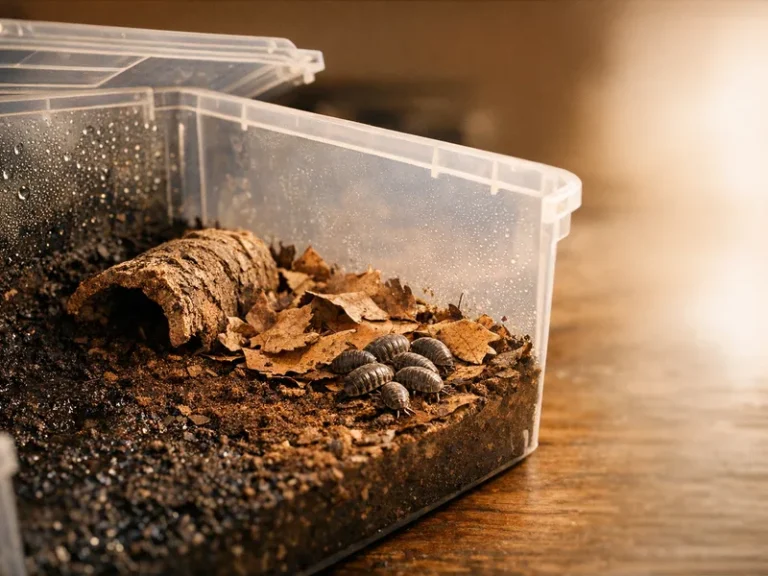
In small amounts, yes. Isopods and springtails in a bioactive setup already live on decaying organic matter, leaf litter, and similar debris, and dry frass worked lightly into the substrate is more of the same kind of food to them. Keep it light and keep it dry going in, the same moisture rule that governs everything else in an isopod or springtail enclosure, since a heavy, damp pile of any organic material is what invites mold and mites, not the frass itself.
If you already keep mealworms for feeding, you are sitting on a steady, free supply of this every time you refresh the bran. If you do not yet, starting a small mealworm colony or simply picking up mealworms to keep gets you both a feeder and, a few weeks later, a bag of fertilizer you would otherwise be buying from someone else.
The Mealworm Frass Kit
Ready-made frass for your garden today, plus what starts a colony that keeps making more.
Frequently Asked Questions
Written by the TC INSECTS breeding team · Porter, Texas · Live Arrival Guarantee on every order
Have a care question? Ask our community.
Join Reptile Keepers USA, our free Facebook group for reptile, amphibian and invert keepers. Share your setups, get care help and swap feeder tips.
Join the free group