

Porcellio werneri Silver Back Isopods for Sale
TC INSECTS ships live captive-bred Porcellio werneri “Silver Back” as a mixed-size starter group for display cultures, specialty Greek Porcellio collections, and patient breeding projects. This is the only product in the TC INSECTS Porcellio range from the Greek Aegean islands. Therefore, it adds genuine geographic diversity to any established Spanish or French Porcellio collection.
Overview
Strouhal described Porcellio werneri in 1929, naming the species for a person surnamed Werner. The species is native to Greece and the Aegean island region — rocky, dry Mediterranean habitat far removed from the Iberian pine forests and Spanish mountain valleys that define most of the other products in this catalog.
Body Shape and Silver Back Color
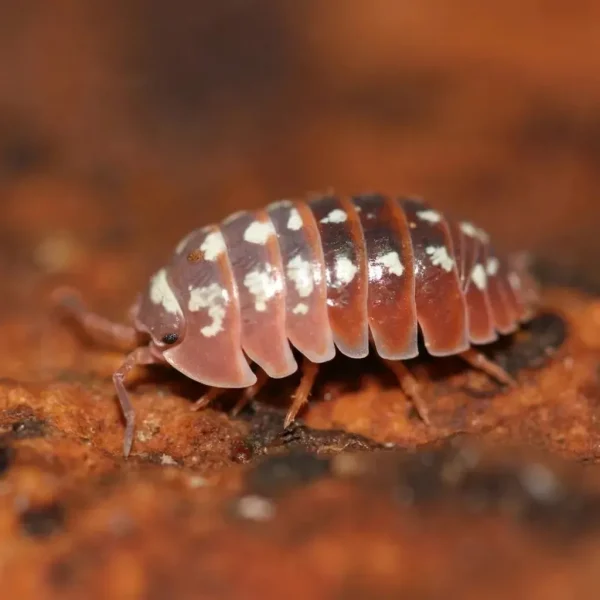
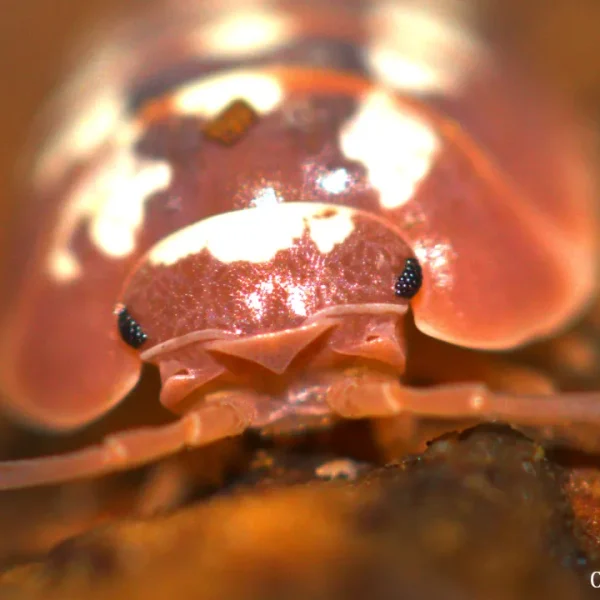
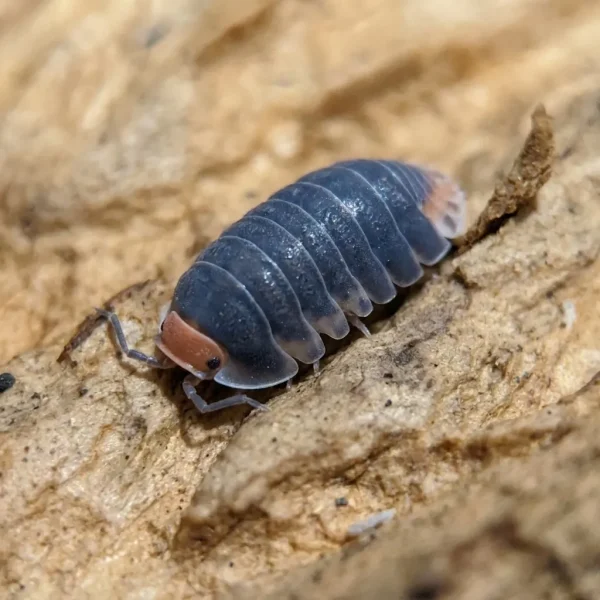
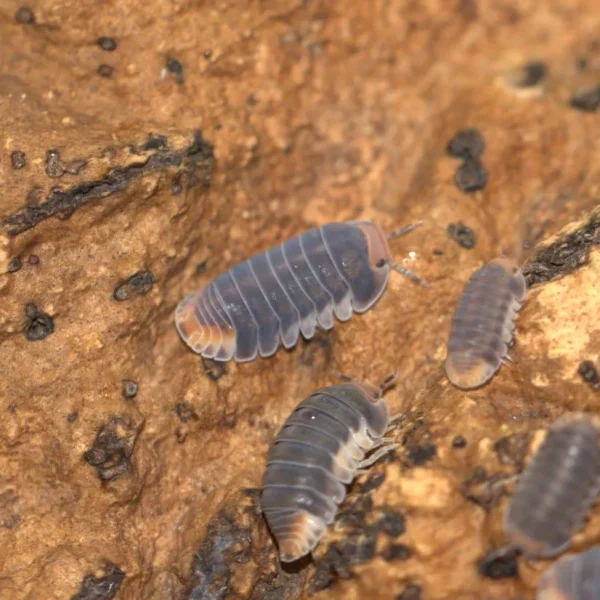
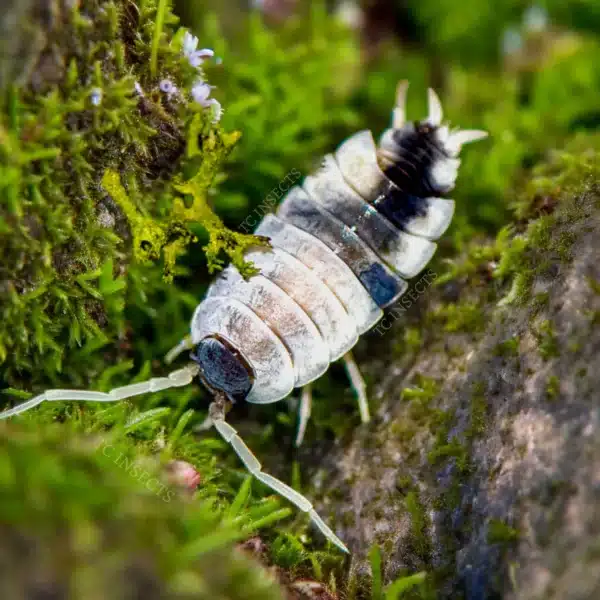
The most immediately striking feature of this species is its shape. Porcellio werneri has the flattest, widest body profile of any isopod in the TC INSECTS range. Hobby keepers commonly describe it as a flying saucer, pancake, or shield. The Silver Back form shows a silver-gray to pale gray dorsal surface with darker contrast along the edges. Additionally, juveniles start with a brown base that transitions to gray as they reach adult size. Therefore, a new starter culture may look patchwork brown-and-gray until the colony matures.
Honest Note: Seasonal Breeding — Not Just Slow Breeding
Porcellio werneri is a seasonal breeder. This is the most important thing to understand before purchasing this species. Unlike most isopods that breed steadily when conditions are stable, this species produces only one to two broods per year. As a result, months can pass with no juvenile output at all — not because anything is wrong, but because the colony is between seasonal breeding windows.
This breeding pattern is the main reason this species remains rarer and more expensive than most Porcellio. Therefore, do not use breeding pace as a measure of colony health here. A healthy colony in late summer may produce no visible mancae until the following season. Patience is fundamental to keeping this species.
Honest Note: What “Silver Back” Means
The “Silver Back” designation in the hobby is genuinely uncertain. Some sources treat it as a locale form from a specific Greek population with notably lighter silver dorsal coloring. Others treat it as a captive-selected color variant. The hobby has not resolved this, and TC INSECTS does not claim a confirmed specific wild collection site for this line.
In practice, the Silver Back form shows a notably lighter and more silver-toned dorsal surface compared to standard P. werneri stock, which tends toward brown-gray. The care, behavior, breeding biology, and husbandry are identical regardless of origin designation. Buyers should expect enhanced silver-gray coloring as the defining difference from standard stock.
The Wedging Defense Behavior
The flat body of P. werneri is not just aesthetic. It is an evolved defense trait. When disturbed or threatened, these isopods immediately find the nearest flat crevice and press themselves in with their wide body. Once wedged, they become nearly impossible to dislodge by a predator.
In captivity, this behavior is observable and fascinating. Furthermore, it means this species uses flat hides differently from round-bodied isopods. Stacked cork bark, flat stone pieces, bark slabs pressed against the enclosure wall, and tight crevices between substrate and hides are all actively used. Providing a variety of flat structures improves colony comfort and gives keepers more opportunities to observe the behavior.
Care and Setup
Setup Framework
Porcellio werneri “Silver Back” uses an arid care framework: genuinely dry overall, with one-quarter to one-third of the enclosure kept moist, strong cross-ventilation, and an emphasis on flat hiding structures. Below, each section explains what that means in practice for this species.
Temperature
Hold the culture between 68 and 77°F. Room temperature suits most setups. Avoid direct sun, heat lamps, and cold drafts. Generally, consistent stable temperature matters more than precise target numbers. Avoid pushing the warm end of the range without also improving ventilation, as warm stagnant air stresses this species.
Humidity
Keep roughly one-quarter to one-third of the enclosure moist with sphagnum moss or a damp substrate patch. Leave the rest genuinely dry. This species prefers arid conditions — closer to truly dry than to the moderate gradient that suits haasi or silvestri. The moist corner must always be available, but do not let moisture spread beyond it.
Multiple experienced breeders describe this species as preferring very little ambient humidity with almost no moisture in the air. Therefore, strong ventilation removing humid air from the enclosure is as important as the moisture gradient itself.
Flat Hides and Substrate
Use substrate three to four inches deep with organic matter throughout. On top of that, prioritize flat hiding structures over round ones. Stacked cork bark pieces, flat bark slabs, limestone tiles, and thin hide panels all suit this species better than round cork tubes. The flat body needs flat gaps to feel secure.
Additionally, placing some flat hides against the enclosure wall creates a tight narrow space that mirrors the rocky cliff and stone habitats of the Greek Aegean islands. This type of placement noticeably increases colony confidence and reduces the time isopods spend under cover after adding food.
Food
Keep dried hardwood leaf litter available at all times. This is the base of the diet and should never run out. On top of that, offer small amounts of vegetables two to three times per week. Carrot, squash, and sweet potato work well. This species is reported to prefer dried leaf litter over fresh, so lean toward well-dried material rather than soft fresh leaves.
Additionally, offer a light protein source such as TC INSECTS Isopod Food, fish flakes, or dried shrimp two to three times per week. Remove uneaten food within 24 to 48 hours. Also keep TC Calcium Ultra Fine, cuttlebone, or crushed eggshell available at all times. Calcium demand is consistently reported as high for this species, and continuous access is more important here than for many others in the catalog.
Ventilation
Use a fully ventilated lid with cross-vents on the sides. Strong airflow is non-negotiable. In particular, stagnant humid air causes stress in this arid-adapted Greek species faster than in more forgiving Iberian lines. A large bin with proper cross-ventilation outperforms a small sealed container consistently for this species.
Bioactive Use
This species suits genuinely arid bioactive setups with flat rock or cork structures, strong ventilation, and minimal ambient humidity. It does not suit wet or tropical vivariums. For bioactive use, add TC INSECTS Assorted Hardwood Leaf Litter before introducing the colony. Then pair with Springtails to manage fine debris near the moist corner.
Breeding Notes
Females carry developing young in a marsupium and release pale brown mancae once ready. These mancae gradually develop the gray adult coloring as they grow. The colony produces one to two seasonal broods per year. Therefore, do not measure colony health by constant juvenile output. Instead, look for healthy adult activity, regular feeding, and good molting behavior between breeding windows.
To support breeding, keep conditions stable between seasons, maintain continuous calcium access, provide leaf litter at all times, and minimize substrate disturbance. Additionally, males can be territorial, so provide enough flat hides that adults spread out without constant contact. Crowding between males between brood seasons adds stress without benefit.
As the colony grows, add more flat hide space or split into a second bin. Splitting also protects the colony by providing a backup culture through the off-season breeding gap.
Best For
- Display cultures where body shape — not color — is the primary visual appeal
- Specialty Greek Porcellio collections adding Aegean island diversity to an otherwise Iberian range
- Arid bioactive setups with flat rock, cork, and slate structures that suit the wedging defense behavior
- Patient intermediate-to-advanced keepers who understand seasonal breeding biology
- Long-term breeding projects where the off-season is part of the experience, not a problem to solve
- Keepers who enjoy observing unique behaviors tied to body morphology in captivity
Not Best For
- Keepers expecting steady juvenile output year-round. This species produces 1 to 2 broods per year at most.
- First-time isopod keepers. The seasonal biology, arid care, and price point make this an advanced purchase.
- Wet or humid vivariums. Arid conditions with strong ventilation are non-negotiable.
- Enclosures without flat hides. Round cork tubes and smooth substrate do not suit this species’ body shape or defensive needs.
- Feeder use. Seasonal breeding, slow colony growth, and price point all make this unsuitable.
Origin Notes
Porcellio werneri is native to Greece and the Aegean islands, confirmed across multiple scientific and hobby sources. Rocky, arid Mediterranean habitat defines the natural environment — dry limestone outcrops, stone walls, cliff faces, and rocky scrubland where flat-bodied animals can wedge under stones.
The “Silver Back” designation does not carry a documented specific wild locality that TC INSECTS can confirm. The care framework reflects the Greek Aegean origin: genuinely arid overall, stable and cool to moderate temperatures, flat rocky structures for shelter, and a small, reliable, moist corner.
Receiving and Acclimation
Open your package soon after delivery in a calm indoor area. This species uses its flat body to press under moss and packing material during shipping. Consequently, move all packing material directly into the enclosure rather than picking out individuals — they wedge under everything and are easy to miss.
First Week Priorities
Prepare the enclosure before opening the culture. Flat hides should already be in place. The dry zone should feel genuinely dry. The moist corner should be set with sphagnum moss. Place leaf litter, calcium, and flat cork pieces before adding the isopods. Then set them near the moist corner under flat cover and leave the enclosure mostly undisturbed for the first two weeks.
Hiding after arrival is normal and expected for two to three weeks. This species is naturally reclusive and emerges mainly at night or during low-light feeding periods. Do not judge colony health on surface visibility alone.
Recommended Add-Ons
- TC INSECTS Isopod Food for regular protein and balanced supplemental nutrition between seasonal breeding windows.
- TC INSECTS Assorted Hardwood Leaf Litter as the primary base food and cover layer, kept well-dried rather than fresh.
- TC INSECTS Ultra Isopod Habitat Kit for a richer starter setup suited to a specialist arid species with flat-hide requirements.
- TC Calcium Ultra Fine for the high continuous calcium access this species specifically needs.
- Springtails to manage the moist corner and fine organic debris alongside the colony.
Frequently Asked Questions
Why has my colony stopped producing juveniles?
This is almost certainly normal. Porcellio werneri is a seasonal breeder that produces only one to two broods per year. Therefore, a healthy colony may go months between visible juvenile output. Do not reduce or change food, humidity, or temperature based on a quiet period between seasons. Instead, maintain stable conditions and wait. The next brood will come in its own time.
What is the “Silver Back” form exactly?
The hobby has not fully resolved this question. Some sources describe Silver Back as a locale form with naturally lighter silver dorsal coloring. Others treat it as a captive color variant. In practice, Silver Back individuals show a notably lighter and more silver-toned dorsal surface than standard brown-gray P. werneri stock. TC INSECTS does not claim a confirmed specific wild collection site for this line. Furthermore, care and breeding biology are identical regardless of origin designation.
Why do I need flat hides specifically for this species?
The flat body of P. werneri is an evolved defense trait. When disturbed, these isopods immediately wedge themselves into the tightest available flat crevice, making them nearly impossible to dislodge. In captivity, they actively use flat cork bark, slate tiles, bark slabs, and similar tight structures in ways that round-bodied species do not. Additionally, a setup with multiple flat hides reduces stress and lets you observe the wedging behavior directly during enclosure checks.
How does this compare to Porcellio magnificus for an arid display culture?
Both are arid-leaning intermediate-to-advanced display species with slow breeding. However, they differ in origin, body shape, and breeding biology.
Magnificus is Spanish, vivid orange, up to 1.5 inches, and a light eater. P. werneri “Silver Back” is Greek, silver-gray, up to 25 mm, and a seasonal breeder.
Together they represent two distinct geographic and visual approaches to arid-adapted large Porcellio in the same collection.
Are these beginner-friendly?
No. Isopod Factory classifies this species as advanced. The seasonal breeding biology, arid care requirements, reclusive behavior, and high price point all make this a poor fit for first-time keepers.
Start with Dwarf Whites, Powder species, or Giant Canyon isopods first. Then progress to a drier Iberian species like haasi “Bright” before purchasing werneri.
Why are my juveniles brown rather than gray?
That is normal. Mancae and young juveniles of P. werneri start with a brown base color that transitions to gray as they reach adult size. Therefore, newly released mancae in a Silver Back culture will look brown rather than silver-gray at first. The silver dorsal coloring develops as they mature over several weeks to months.
Learn More About Porcellio werneri
-
GBIF: Porcellio werneri Strouhal, 1929. The Global Biodiversity Information Facility record confirming the species, authorship, and Greek distribution. Useful for verifying the taxonomy and finding observation records from the species’ native Aegean island range, which explains the arid rocky habitat this species is adapted to.
-
iNaturalist: Porcellio werneri. Community observation records and habitat photos from the species’ native Greek and Aegean range. The images show the dry limestone outcrops, rocky scrubland, and stone wall environments that explain why an arid overall enclosure with flat rocky structures suits this species in captivity.
-
PMC / NCBI: Water conservation in terrestrial isopods. Peer-reviewed research on how isopod breathing structures interact with humidity and water loss. This paper explains in clear terms why even an arid-adapted species like P. werneri still needs a reliable moist corner — and why strong ventilation removing humid air is as important as keeping the substrate dry.
Reviews
There are no reviews yet.