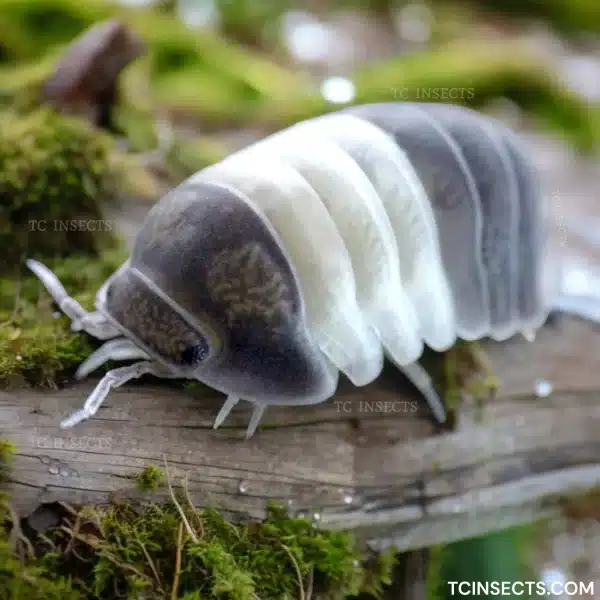
Porcellio sp. Spiky Canare for Sale
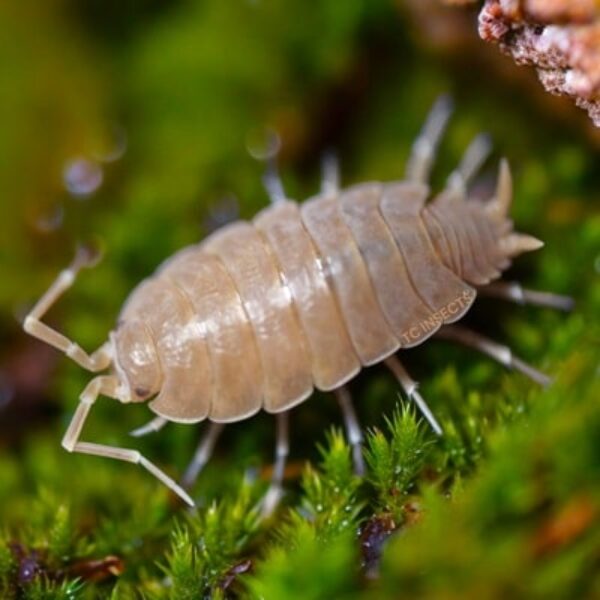
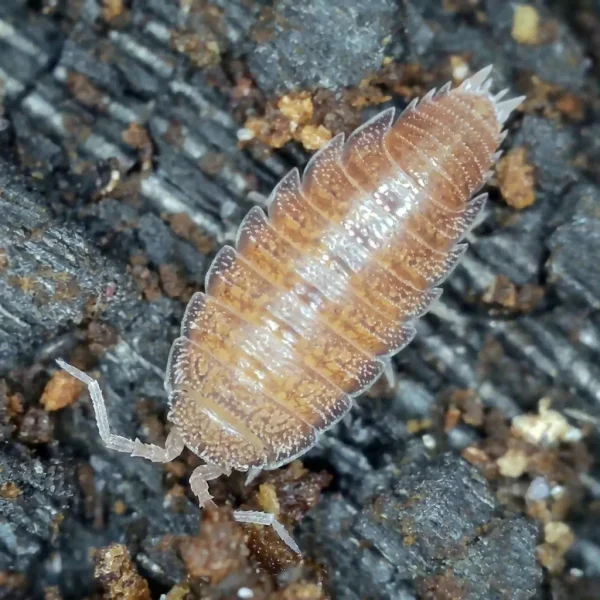
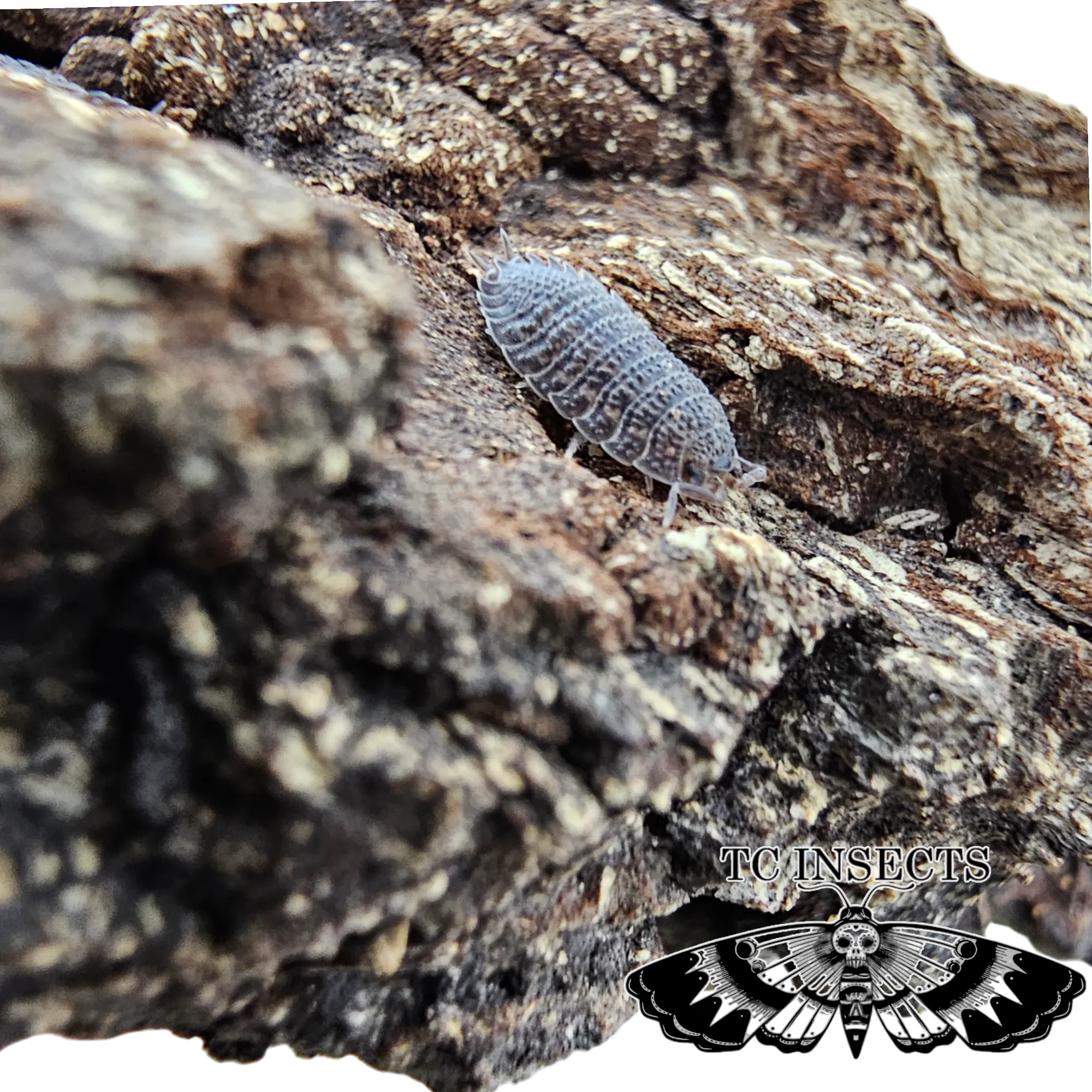
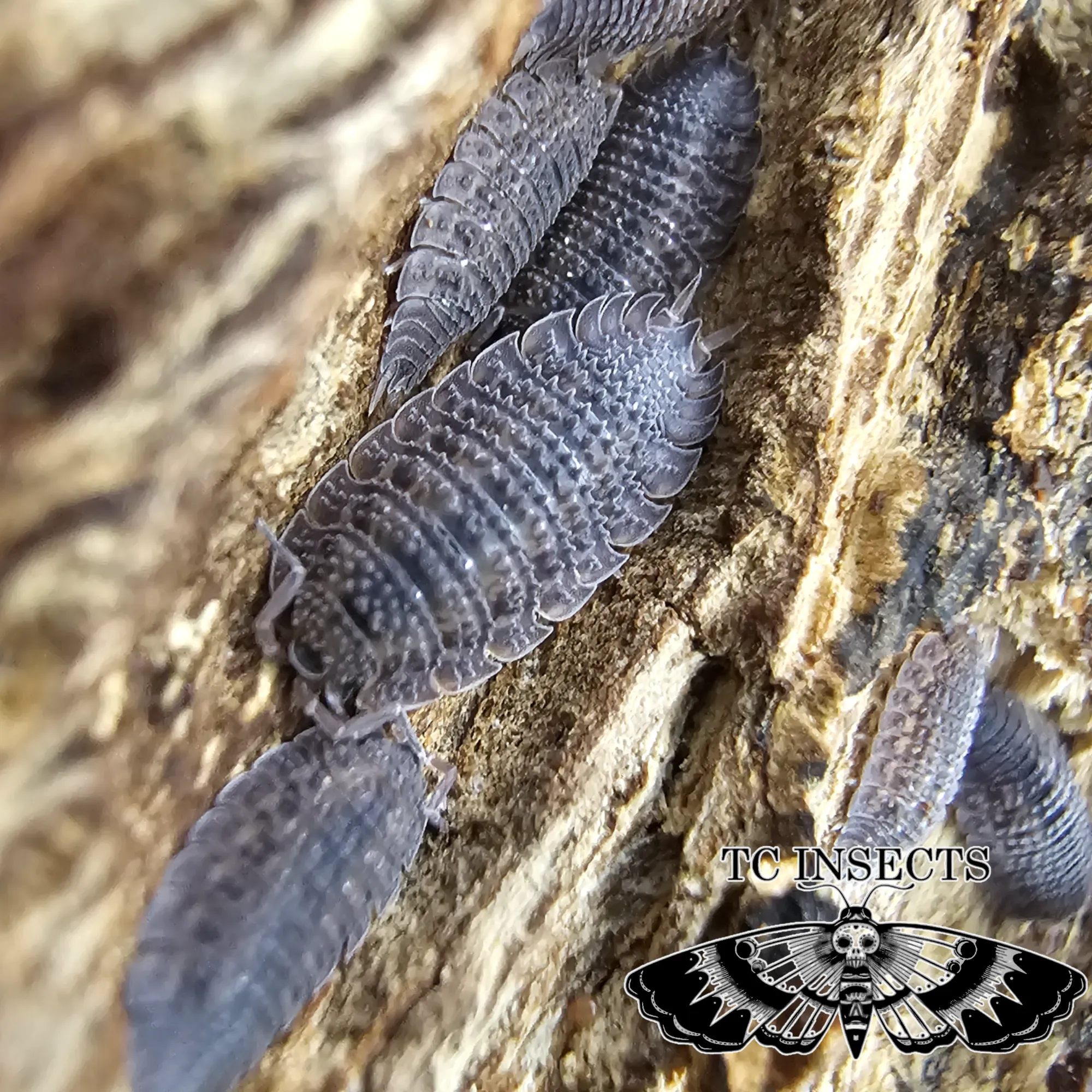
Porcellio sp. “Spiky Canare” is a textured Canary Islands trade form with small spiny protrusions running along the dorsal side. That rough look makes it stand out from smoother Porcellio species right away. It is sold in the hobby as an unidentified form, so the page should focus on practical care and honest trade-name guidance instead of pretending the taxonomy is settled. Reports from hobby keepers also suggest that this form likes protein, stable airflow, and drier conditions with a moist side available. [web:59][web:64][web:68]
Overview
This is a trade-name Porcellio from the Canary Islands, not a formally locked species name. Hobby sources describe it as a small unidentified Porcellio with visible dorsal spikes and a strong display presence for its size. [web:64][web:68] The exact adult size and breeding speed are not clearly documented across the hobby sources found, so this page should avoid hard claims that cannot be confirmed. [web:59][web:60]
Keepers generally treat Spiky Canare as a more specialized Porcellio, not a generic beginner choice. It appears to do best in a setup that stays airy, slightly moist on one side, and dry on the other. In addition, hobby reports warn that Mediterranean Porcellio can suffer when humid air stays trapped in the enclosure. [web:65]
Why Keep Porcellio sp. Spiky Canare?
- Distinct texture: The spiny dorsal line gives this form a rough, armored look that is easy to spot in a colony. That makes it appealing for display keepers who want something visually different.
- Trade-name rarity: It is not a standard mass-market species, so it has collector appeal. In addition, the Canary Islands origin note gives it a stronger identity than a vague generic Porcellio listing. [web:64][web:68]
- Protein response: Hobby reports suggest this form likes protein and responds well to varied feeding. [web:68] That can help keep a culture active when the enclosure is fed well.
- Bioactive potential: It may work in structured bioactive builds if the keeper keeps airflow high and avoids stale humidity. [web:59][web:65]
Honest Note on Identification
This product is sold as Porcellio sp. “Spiky Canare,” which means the exact species is not clearly confirmed in the hobby trade. That matters because keepers should buy it for its known care style and appearance, not for a guaranteed scientific ID. If you want a page that claims a fully confirmed species name, this is not that product. [web:59][web:64]
For that reason, the safest wording is simple: this is a Canary Islands trade form with spiky dorsal texture, not a formally settled species listing. That keeps the page honest and lowers the risk of overclaiming. [web:64][web:68]
Care and Setup
Care for Spiky Canare should stay simple and stable. Use a well-ventilated enclosure, keep one side moist, and let the other side stay dry. Hobby reports suggest that damp substrate is fine, but damp air can be a problem if ventilation is weak. [web:65]
Temperature
Room temperature to warm room conditions should work for most keepers. Exact temperature limits are not clearly documented in the sources we found, so avoid pushing heat without reason. Stable, moderate room temperatures are the safest starting point. [web:59][web:61]
Humidity
Use a moisture gradient rather than even dampness across the whole enclosure. One side can stay moist for hydration, while the rest should stay dry and airy. This approach matches the hobby guidance that Mediterranean Porcellio dislike trapped humidity. [web:65]
Substrate
Use a loose substrate with leaf litter, rotting hardwood, and a base that drains well. Add cork bark and other hides so the colony can choose its own microclimate. Because this form is linked to drier care, avoid heavy soil that stays wet for long periods. [web:59][web:68]
Food
Reports suggest this species likes protein, so a balanced diet matters. Offer leaf litter, decaying wood, vegetables, and a regular protein source such as fish flakes or isopod food. Remove leftovers before they spoil. [web:59][web:68]
Calcium
Like other Porcellio, this form should have a steady calcium source available. Cuttlebone or a reptile-safe calcium supplement can help support molts and colony health. Keep the calcium dry and easy to reach. [web:59]
Ventilation
Good airflow is one of the most important parts of this setup. Keep the lid ventilated and avoid sealed containers that trap moisture. Hobby keepers specifically note that humid air can cause problems even when the substrate itself is only damp. [web:65]
Bioactive Use
Spiky Canare may fit dry-to-moderate bioactive enclosures where airflow stays strong. It is a better match for stable, structured setups than for wet tropical builds. If you need a colony for very humid conditions, a different species would be a better choice. [web:59][web:65]
Breeding Notes
The hobby sources found do not give a strong, consistent breeding profile for this form, so it is safest to describe the reproduction rate as moderate and still somewhat underdocumented. Keepers should expect colony growth to depend on stable food, airflow, and a proper moisture gradient. Because this is a trade-name form, breeding results may also vary by the quality of the original stock. [web:59][web:62]
Best For
- Collectors who want a textured, unusual Porcellio with a strong visual identity
- Keepers building a ventilated bioactive or display enclosure with a dry-to-moist gradient
- Hobbyists who are comfortable with trade-name species and careful husbandry
- Keepers who want a Porcellio that may appreciate protein-heavy feeding
Not Best For
- Keepers who need a fully confirmed scientific species listing
- High-humidity tropical setups with weak ventilation
- Beginners who want the most forgiving Porcellio possible
- Enclosures that stay damp all the time with little airflow
Origin and Locality Notes
Spiky Canare is tied to the Canary Islands in hobby listings, and at least one source describes it as a small unidentified Porcellio collected from that region. [web:64][web:68] Because the exact species is not clearly documented in the hobby sources found, the safest approach is to treat the name as a trade form rather than a settled taxon. That is also the best way to keep the product page accurate and honest. [web:59][web:64]
Receiving and Acclimation
When the colony arrives, place it into a prepared enclosure right away. Make sure the moist side, dry side, and hides are already in place. Keep the setup stable during the first week, and do not flood the enclosure while the animals settle. A calm start is more important than frequent changes. [web:65][web:68]
Recommended Add-Ons
- TC INSECTS Assorted Hardwood Leaf Litter — Useful as a food source, cover, and natural surface for a dry-leaning Porcellio culture.
- TC INSECTS Isopod Food — A simple way to offer balanced supplemental feeding, especially if the colony responds well to protein.
- TC Calcium Ultra Fine — Helps keep a steady calcium source available for molts and growth.
- TC INSECTS Ultra Isopod Habitat Kit — A ventilated starting habitat that can help maintain the dry-to-moist gradient this form seems to prefer.
- Springtails — Helpful for mold control in setups that still keep one side moist.
Frequently Asked Questions
Is Spiky Canare a beginner species?
It is safer to treat it as intermediate. The care sounds straightforward, but the species seems sensitive to trapped humidity and needs good airflow. That makes it less forgiving than basic beginner Porcellio.
Does Spiky Canare need high humidity?
No. Hobby reports point the other way, with dry conditions and a moist corner working better than a wet enclosure. Damp air can be risky, so ventilation matters more than misting frequency. [web:65]
What does it eat?
Leaf litter and decaying wood should make up the base diet. In addition, hobby reports suggest it likes protein, so fish flakes, shrimp pellets, or a quality isopod food can help support growth. [web:68]
Can it live in a bioactive setup?
Yes, but only in a setup with strong airflow and a clear moisture gradient. It is a better fit for dry-to-moderate enclosures than for tropical tanks that stay humid all the time. [web:59][web:65]
Is the species ID confirmed?
No. It is sold as Porcellio sp. “Spiky Canare,” so the exact species is still not clearly settled in the hobby trade. Buyers should choose it for the look and care style, not for a formal species guarantee. [web:59][web:64]
What makes it different from other Porcellio?
The most obvious difference is the spiky dorsal texture. That rough, armored look gives it a stronger display presence than many smoother Porcellio. It also seems to prefer a dry-to-moist setup with plenty of airflow, which helps narrow down its care style. [web:59][web:68]
Learn More About Porcellio
These references give extra background on the genus, natural habitat context, and hobby notes for Canary Island forms. They are useful if you want to understand the broader group behind Spiky Canare.
Taxonomy
- World Register of Marine Species (WoRMS): Porcellio ornatus H. Milne Edwards, 1840. This record is useful as a model for how formal Porcellio taxonomy is documented. It helps buyers compare a confirmed species entry with a trade-name form like Spiky Canare.
Field Records
- iNaturalist: Porcellio ornatus Observations. Field photos and locality records can help you compare hobby forms with wild Porcellio body shape and habitat use. That comparison is useful when evaluating trade-name forms from island regions.
Habitat Context
- British Myriapod and Isopod Group (BMIG): Woodlice Collected from Northwest Spain. This paper gives broader habitat context for Iberian woodlice and helps explain why many Mediterranean Porcellio prefer airflow and drainage. It is useful background for care decisions on dry-leaning forms.