

Rice Flour Beetle Blend for Sale
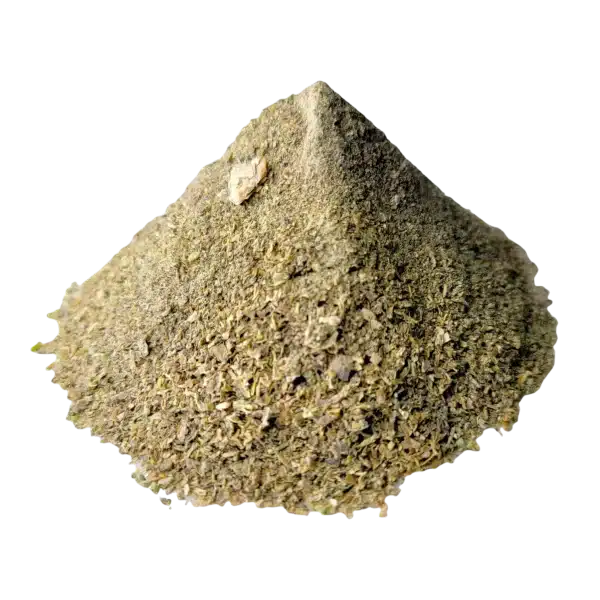
This blend is a ready-to-use culture media for rearing rice flour beetles (Tribolium confusum). The flour-based mix works as both the bedding and the food for the colony, so the beetles live in it and feed on it at the same time. As a result, you skip the work of blending your own flour and yeast. The reason keepers culture these beetles is the larvae, which make an easy micro-feeder for very small animals. One honest note up front: the adults are bitter, so animals eat the larvae.
Overview
The rice flour beetle is the confused flour beetle, Tribolium confusum, sold in the hobby under the rice flour beetle name. It is closely related to the red flour beetle, Tribolium castaneum. Both are small reddish-brown beetles, around an eighth of an inch long, and both breed quickly on stored grain products.
Because they reproduce fast and need little care, they are simple to culture at home. The colony lives in the flour blend, and the tiny larvae become the feeder. Therefore, a single culture can supply micro-feeders for weeks once it gets going.
What You Get and What You Need
This listing is the culture media and food blend, the dry base the colony lives in. To start producing feeders, you also need a live starter culture of rice flour beetles to add to it. Once seeded, the beetles lay eggs in the blend, and those eggs hatch into the larvae you harvest. In short, the blend is the home and the food, while the starter culture is the living part you add.
Why Culture Rice Flour Beetles?
- Tiny feeder size. The small larvae suit animals that are too small for mealworms or crickets.
- Low maintenance. Additionally, the colony feeds itself from the blend, so upkeep is minimal.
- Prolific. Because they breed quickly, an established culture can produce larvae steadily.
- No water source needed. Unlike many feeders, these beetles get their moisture from the environment, so you skip water dishes and gels.
- Long-running. Finally, a healthy culture can keep producing for months with occasional refreshing.
Honest Note on Adults vs Larvae and Containment
The larvae are the feeder here, not the adults. Adult flour beetles release a bitter defensive compound, so most animals refuse them and prefer the larvae. For that reason, harvest mainly larvae and leave the adults to keep breeding.
There is also a containment point worth knowing. Rice flour beetles are a stored-product species, so they will infest pantry flour and grain if they escape. Therefore, keep the culture in a sealed but ventilated container, and store it away from your own food.
How to Use the Blend
Setup is simple, and most of the wait is the colony building up.
Setting Up the Culture
Add a few inches of the blend to a ventilated container with a secure lid. A tight lid with small air holes, or a fine mesh panel, keeps beetles in while letting the culture breathe.
Adding a Starter Culture
Introduce your live rice flour beetle starter culture into the blend. After that, the adults will begin laying eggs in the media within days.
Conditions
Keep the culture warm and dry, generally in the range of about 75 to 85 degrees Fahrenheit. Avoid damp conditions, since the blend should stay dry. Stable warmth speeds up the breeding cycle.
Harvesting Larvae
To feed, sift a scoop of the blend to separate the larvae from the media. Then return the adults to the culture and offer the larvae to your animals. This way, the colony keeps producing.
Refreshing the Media
Over time the blend fills with waste, shed skins, and spent media. When production slows, add fresh blend or move the colony into a new batch. Consequently, the culture stays productive.
Best For
- Poison dart frog keepers who need a steady micro-feeder.
- Keepers of tiny or newly hatched reptiles and amphibians.
- Small fish, mantis, and spiderling keepers who feed very small prey.
- Hobbyists who want a low-effort backup feeder culture on hand.
Not Best For
- Keepers of larger animals, since the larvae are too small to be a staple.
- Anyone who needs feeders immediately, because a culture takes weeks to build up.
- Keepers who cannot contain a stored-product beetle away from pantry food.
- Anyone expecting the adults to be eaten, as most animals take only the larvae.
Recommended Add-Ons
- Insect Cultures to find a live starter culture to seed this blend.
- TC’s Bean Beetle Blend for keepers who want a second small-feeder culture.
- Fruit Flies as a companion micro-feeder for the same small animals.
- Feeder Insect Mix Packs for variety across feeder types and sizes.
Frequently Asked Questions
What is the Rice Flour Beetle Blend?
It is a flour-based culture media that serves as both the bedding and the food for a rice flour beetle colony. The beetles live in it, breed in it, and feed on it.
Does this include live beetles?
This listing is the culture blend itself. To produce feeders, you add a live starter culture of rice flour beetles, then let them breed in the blend.
Do I need to feed or water the beetles?
No. The blend is their food, and they do not need a separate water source. Therefore, upkeep mostly means harvesting larvae and refreshing the media over time.
Which animals eat rice flour beetle larvae?
The larvae suit small animals such as poison dart frogs, tiny or newly hatched reptiles and amphibians, small fish, mantises, and spiderlings.
Why does my animal ignore the adult beetles?
Adult flour beetles release a bitter defensive compound, so many animals refuse them. For that reason, harvest the larvae and leave the adults to keep the colony going.
How do I keep the beetles from getting into my pantry?
Keep the culture in a sealed but ventilated container, since rice flour beetles will infest stored flour and grain if they escape. Storing the culture away from your own food adds another layer of safety.
Learn More About Flour Beetles
These sources explain the biology behind the beetle you are culturing.
-
University of Florida IFAS: Confused Flour Beetle and Red Flour Beetle. A detailed profile of identification, life cycle, and behavior, which helps you understand what your culture is doing at each stage.
-
Penn State Extension: Confused Flour Beetle and Red Flour Beetle. A clear overview of how these beetles feed on flour and milled grain, useful for understanding why the blend works as both home and food.
-
Virginia Cooperative Extension: Flour and Grain Beetles. A fact sheet describing the larvae and adults, helpful for telling the feeder larvae apart from the breeding adults when you harvest.

Reviews
There are no reviews yet.