Orange Head Roaches for Sale
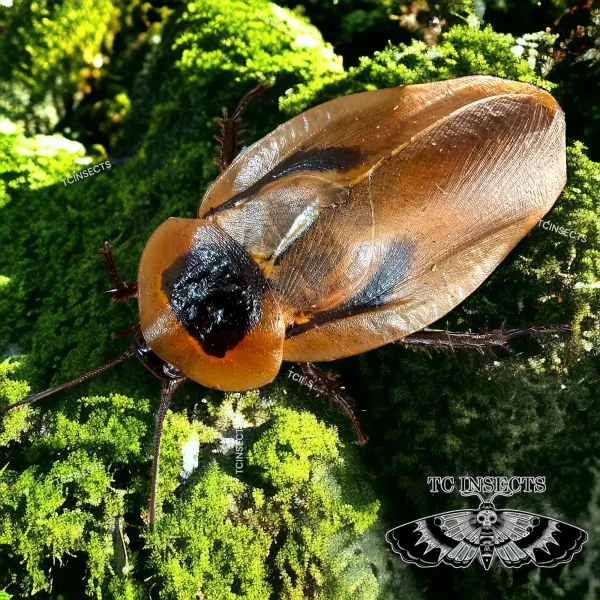
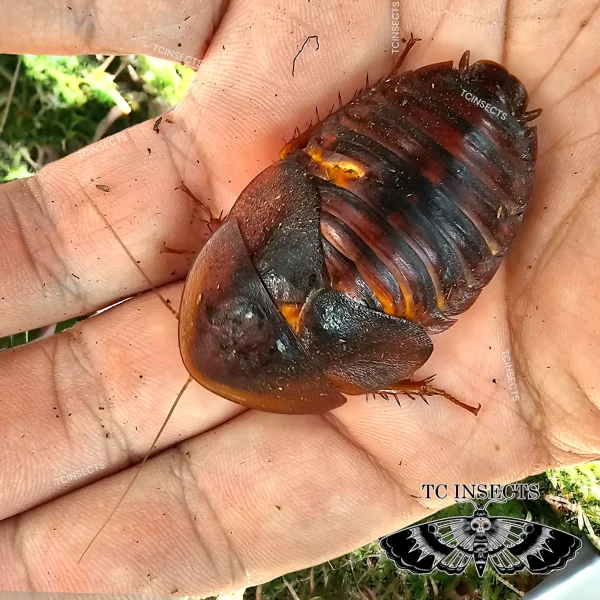
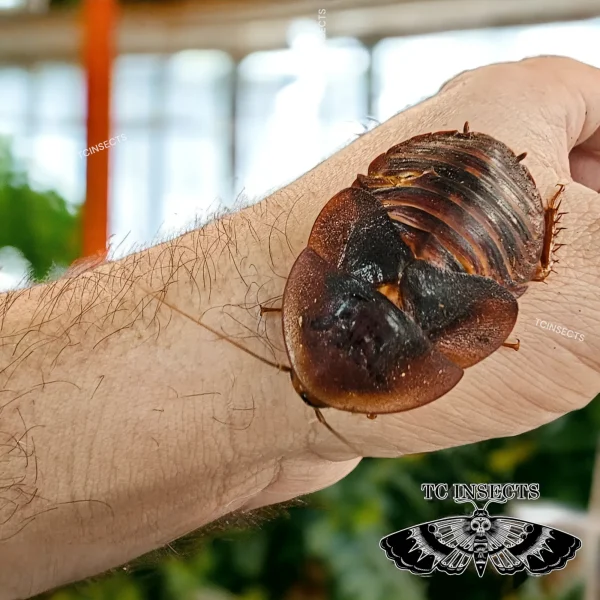
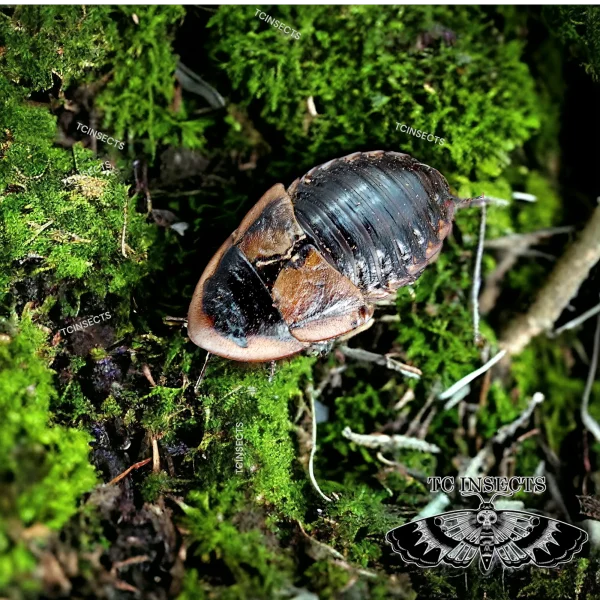
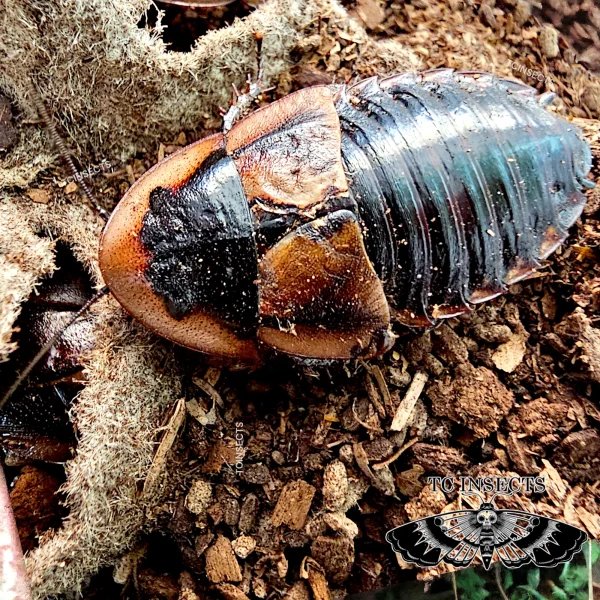
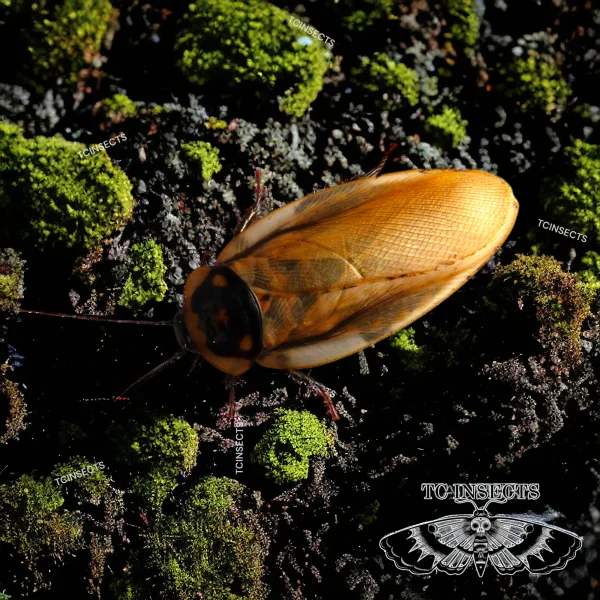
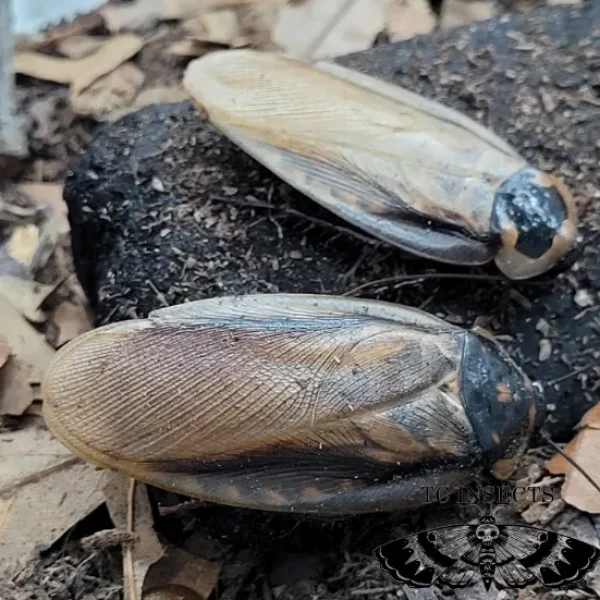
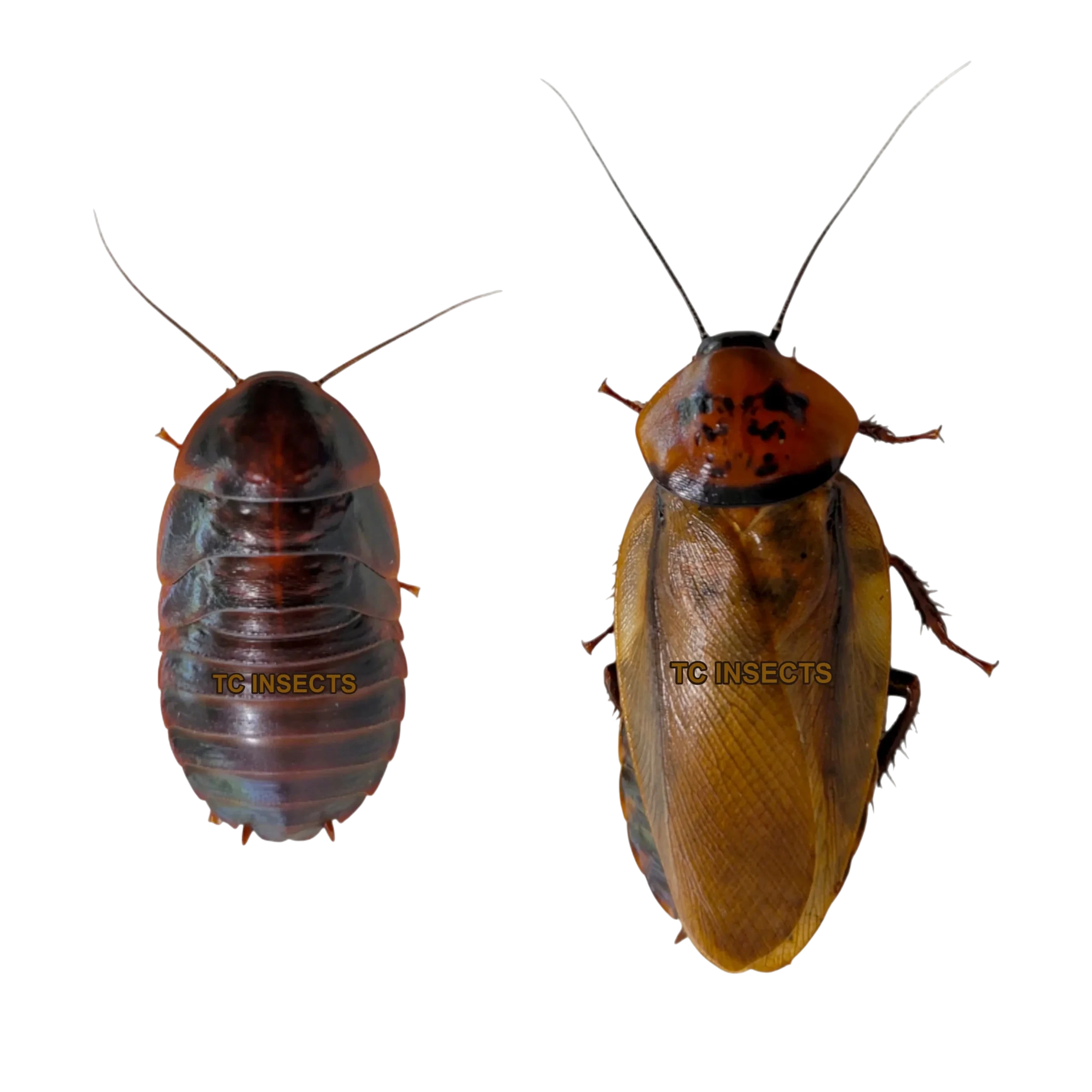
Orange head roaches, Eublaberus posticus, are a hardy, prolific feeder roach that many keepers use in place of dubia. They are large-bodied with plenty of meat, so you feed fewer to satisfy a big appetite. Their glossy orange color often triggers a feeding response in fussy reptiles. They suit larger insectivores, and they live 2 to 5 years.
A Meaty Feeder Roach
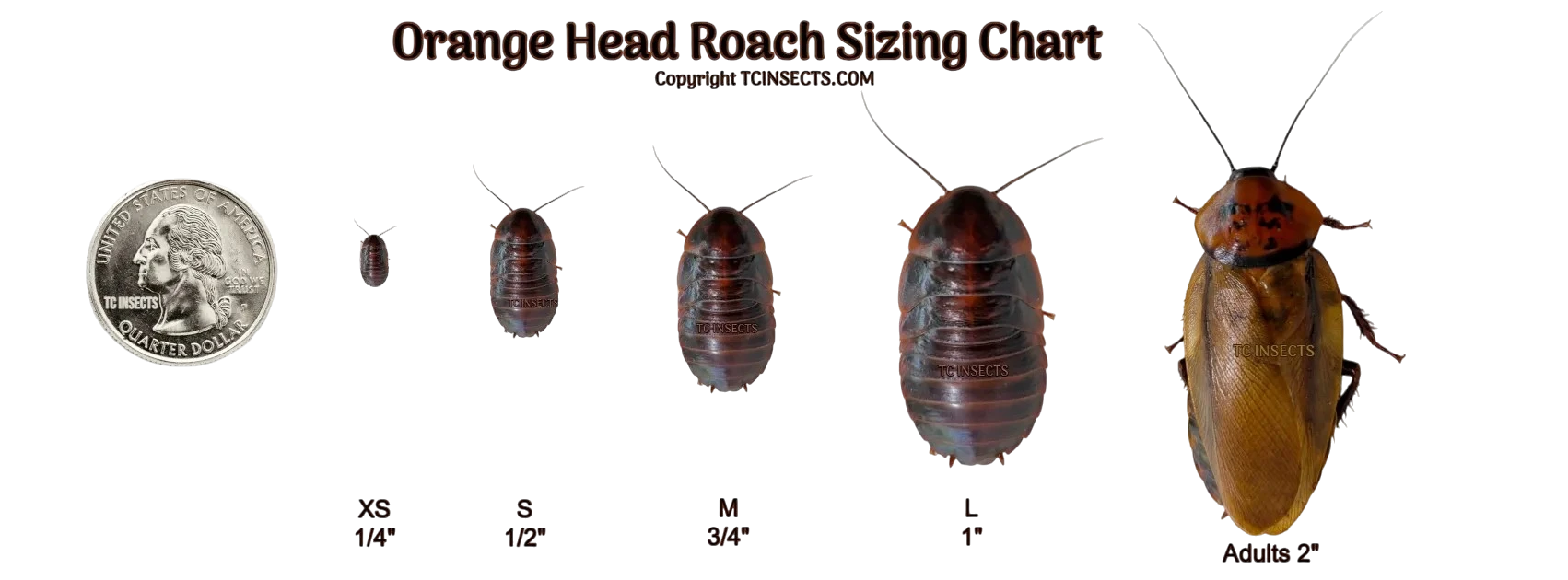
Compared with dubia, orange heads carry more meat and grow larger. Dubia top out near 1.25″, while orange heads can reach close to 2″. So larger reptiles like bearded dragons, tegus, and monitors get a fuller meal from each roach. They are high in protein, which makes them a solid staple.
Easy to Contain and Breed
Orange heads cannot climb smooth plastic or fly, so a vented bin keeps them contained. They are also prolific. They reach breeding age in 3 to 4 months and produce quickly, so a starter group can grow into a self-sustaining colony. Many keepers find them less work to breed than dubia.
Dust for Calcium
Like most feeders, orange heads are low in calcium, so dust them with TC Calcium Ultra Fine before feeding. Gut-load them first on a quality roach feed, which improves what they pass on to your pet.
Care and Setup
Keep orange heads warm in a vented plastic bin, and stack egg flats to give them room. They are a tropical roach, so keep them at room temperature or warmer, not refrigerated. Feed a pre-mixed roach feed for steady production, and offer moisture with a water jelly rather than an open dish, which can foul the bin.
Sizes and Counts
Choose a size to match your animal, from small nymphs up to large, plus adult males and females. Counts run from a single roach up to 1,000. Pick smaller sizes for feeding and adults if you want to start breeding.
Best For
- Bearded dragons, tegus, monitors, and other larger reptiles.
- Keepers who want a meaty, high-protein staple.
- Starting a self-sustaining feeder colony.
- Tempting fussy reptiles with bright movement.
Not Best For
- Very small animals, which suit smaller feeders.
- A calcium source, since roaches need dusting.
- Keepers who cannot keep them warm.
Recommended Add-Ons
- Roach Feed to gut-load and breed them well.
- TC Calcium Ultra Fine to dust them before feeding.
- Dubia Roaches to compare or run alongside them.
- Red Runner Roaches as another feeder roach option.
- Orange Head Roaches to browse sizes and counts.
Frequently Asked Questions
What are orange head roaches?
They are Eublaberus posticus, a meaty, prolific feeder roach and a common dubia alternative. They suit larger insectivores.
Can they climb or fly?
No. They cannot climb smooth plastic or fly, so a vented bin keeps them contained easily.
Are they a good staple?
Yes. They are high in protein and meaty. Dust them with calcium and gut-load them first, since like most feeders they are low in calcium.
How do I keep and breed them?
Keep them warm in a vented bin with egg flats, feed a roach feed, and offer a water jelly. They reach breeding age in 3 to 4 months and produce quickly.
How are they different from dubia?
They grow larger and carry more meat, mature faster, and live longer, while you keep them the same way as dubia.
Which size should I get?
Match the size to your animal, and choose adults if you want to start a breeding colony.
Learn More About Feeder Roaches
These sources cover feeder roach nutrition and biology.
- ABVP: Feeder Roach Nutrition. A veterinary overview of feeder roaches and the inverse calcium-to-phosphorus ratio common to most feeders.
- ScienceDirect: Gut Loading (veterinary overview). A reference on gut-loading and supplementing feeder insects, which supports dusting roaches.
- Blaberidae Overview. A reference on the roach family that includes orange head and dubia roaches.