

Medium Hornworms for Sale
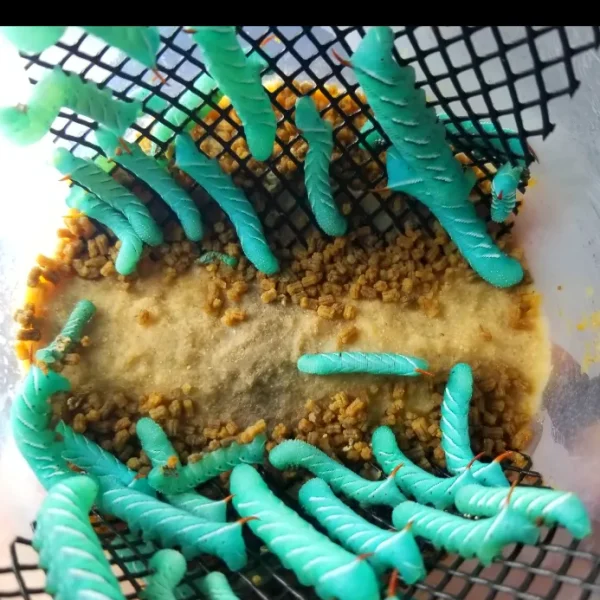
These are medium hornworms in a Habitat-Cup. The medium size is larger than the small worms, so they are ready to feed sooner and suit mid-sized to larger animals. The Habitat-Cup has screened sides and extra food, so you can still grow them bigger or hold them longer. Each cup holds 25 worms. Hornworms are a soft, juicy feeder that hydrates the animals that eat them.
A Mid-Size Start
Medium worms save you some grow-out time, since they are already part way there. So they work well when you want hornworms ready fairly soon, but still want room to let them grow. For the smallest start, choose the small size, and for the biggest worms, choose the large.
Habitat-Cup or Eco-Cup?
The Habitat-Cup is built to grow worms larger or keep them longer, with screened sides and more food. If you would rather feed off quickly or test whether your pet likes hornworms, the cheaper Eco-Cup is the better choice.
A Soft, Hydrating Treat
Hornworms are usually the tobacco hornworm, Manduca sexta. They run about 85% water, so they hydrate reptiles and amphibians, and their soft body digests easily. That suits picky eaters, young animals, and pets prone to impaction. The feeder worms are captive-bred on a safe chow, so never feed wild hornworms, which can be toxic.
Dust and Feed as a Treat
Despite some claims, hornworms are not a calcium source. They carry more phosphorus than calcium, much like crickets, so dust them with TC Calcium Ultra Fine before feeding. They are also low in protein and high in moisture, so use them as a hydrating treat rather than a staple.
Care
Hornworms grow fast, often 1 to 2 inches a week. Keep them warm to grow quickly, or cool, around 55 to 65°F, to slow growth, but avoid chilling them too hard. Keep the cup upside down in a cool, dark spot, and add more chow if you grow them longer.
Best For
- Mid-sized to larger reptiles and amphibians.
- Keepers who want hornworms ready to feed sooner than small.
- Picky eaters, young animals, and pets prone to impaction.
- Anyone who wants room to grow worms larger.
Not Best For
- Very small animals, which suit the small size.
- Use as a staple or a calcium source, since hornworms need dusting.
- Quick feed-off, where the Eco-Cup fits better.
Recommended Add-Ons
- TC Calcium Ultra Fine to dust the hornworms before feeding.
- Small Habitat-Cup for the smallest start.
- Large Habitat-Cup for the biggest worms.
- Medium Eco-Cup to feed off quickly at this size.
- Live Hornworms to browse all sizes and cups.
Frequently Asked Questions
What size are medium hornworms?
They are larger than the small size and ready to feed sooner, suited to mid-sized to larger animals. They come in a grow-style Habitat-Cup.
What is the difference between a Habitat-Cup and an Eco-Cup?
The Habitat-Cup grows worms larger or keeps them longer. The Eco-Cup is for quick feed-off or testing.
Are hornworms high in calcium?
No. They carry more phosphorus than calcium, like crickets, so dust them. Their real benefit is hydration and a soft, easy-to-digest body.
How do I care for them?
Keep them warm to grow or cool to slow growth. Keep the cup upside down in a cool, dark spot, and add chow if growing them longer. Never feed nightshade plants.
Which size should I pick?
Choose small to grow up from the start, medium to feed sooner, or large for the biggest worms.
Learn More About Hornworms
These sources cover the biology of the tobacco hornworm and feeder supplementation.
- Manduca sexta Overview. A reference on the tobacco hornworm, including how a captive chow changes its color and how it differs from the tomato hornworm.
- NCBI: Diet and Growth in Manduca sexta. University research on how diet shapes the growth of hornworm larvae.
- ScienceDirect: Gut Loading (veterinary overview). A reference on why feeder insects need supplementation, which supports dusting hornworms for calcium.


Reviews
There are no reviews yet.