
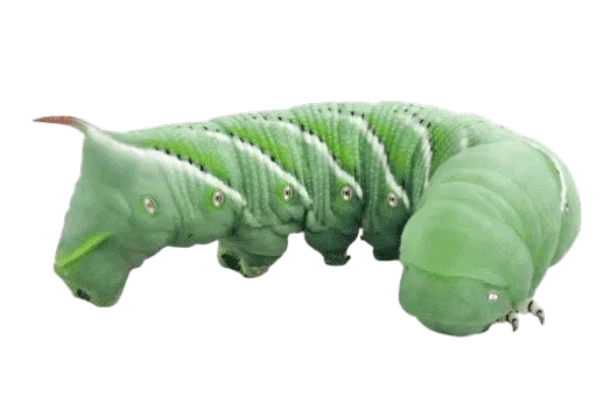
Hornworms for Sale, Medium Eco-Cup
This is the medium Eco-Cup, a budget cup of mid-size hornworms meant to feed off within the week you receive them. The medium worms are larger than the small Eco-Cup, so they are ready to feed sooner and suit mid-sized animals. It suits keepers who want a quick, low-cost feeder rather than worms to grow up. Hornworms are a soft, juicy feeder, usually the tobacco hornworm, Manduca sexta.
Medium Worms, Ready to Feed
Because these worms are already mid-size, you can feed them off soon after they arrive. So this cup works well for mid-sized reptiles and amphibians that need a feeder ready now. Choose 5, 12, or 24 depending on how many you need for the week.
Eco-Cup or Habitat-Cup?
The Eco-Cup is small and built for quick feed-off, so it costs less. If you want to grow your hornworms larger or keep them longer, choose the Habitat-Cup, which is larger and holds more food.
A Soft, Hydrating Treat
Hornworms run about 85% water, so they hydrate reptiles and amphibians, and their soft body digests easily. The feeder worms are captive-bred on a safe chow, so never feed wild hornworms, which can be toxic. For the full background, see the Habitat-Cup page.
Dust and Feed as a Treat
Despite some claims, hornworms are not a calcium source. They carry more phosphorus than calcium, like crickets, so dust them with TC Calcium Ultra Fine before feeding. They are also high in moisture and low in protein, so offer them as a hydrating treat rather than a staple.
Care
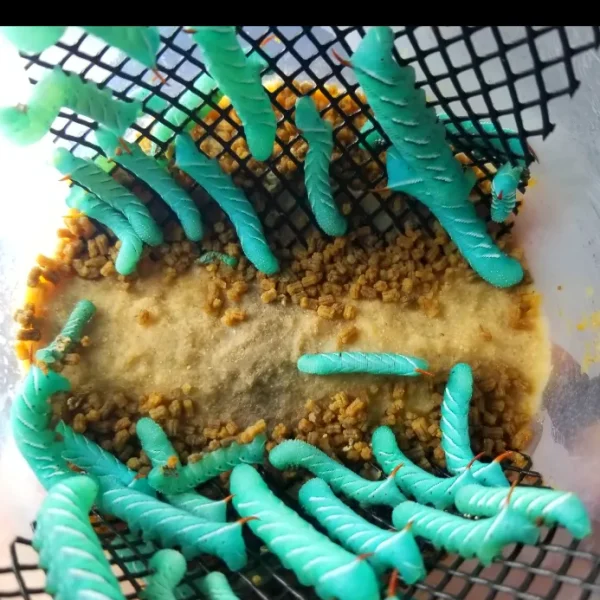
Plan to feed off within the week, since the Eco-Cup is not built for long keeping. Hornworms grow fast, so keep them cool, around 55 to 65°F, to slow growth, but avoid chilling them too hard. Keep the cup upside down in a cool, dark spot.
Best For
- Mid-sized reptiles and amphibians.
- Keepers who want worms ready to feed off soon.
- Offering hornworms as a quick treat on a budget.
- Picky eaters drawn to bright, moving prey.
Not Best For
- Growing worms larger or keeping them, which needs the Habitat-Cup.
- Use as a staple or a calcium source, since hornworms need dusting.
- Stocking up well ahead, since Eco-Cups feed off within the week.
Recommended Add-Ons
- TC Calcium Ultra Fine to dust the hornworms before feeding.
- Small Eco-Cup for smaller worms or testing.
- Large Eco-Cup for more or larger worms to feed off.
- Medium Habitat-Cup if you want to grow them larger.
- Live Hornworms to browse all sizes and cups.
Frequently Asked Questions
What size are medium Eco-Cup hornworms?
They are mid-size worms, ready to feed off within the week. They suit mid-sized reptiles and amphibians.
What is the difference between an Eco-Cup and a Habitat-Cup?
The Eco-Cup is small and for quick feed-off. The Habitat-Cup is larger with more food, to grow worms larger or keep them longer.
How many should I get?
Choose 5, 12, or 24. All are meant to feed off within the week you receive them.
Are hornworms high in calcium?
No. They carry more phosphorus than calcium, like crickets, so dust them. Their real benefit is hydration and a soft, easy-to-digest body.
Should I pick small, medium, or large?
Choose small for testing or small animals, medium for mid-sized animals, or large for bigger worms.
Learn More About Hornworms
These sources cover the biology of the tobacco hornworm and feeder supplementation.
- Manduca sexta Overview. A reference on the tobacco hornworm, including how a captive chow changes its color and how it differs from the tomato hornworm.
- NCBI: Diet and Growth in Manduca sexta. University research on how diet shapes the growth of hornworm larvae.
- ScienceDirect: Gut Loading (veterinary overview). A reference on why feeder insects need supplementation, which supports dusting hornworms for calcium.

Reviews
There are no reviews yet.