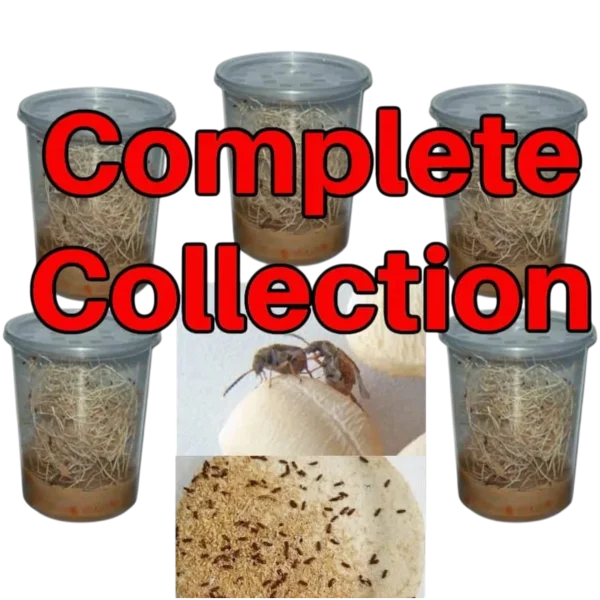
Turkish Glider Producing Culture for Sale
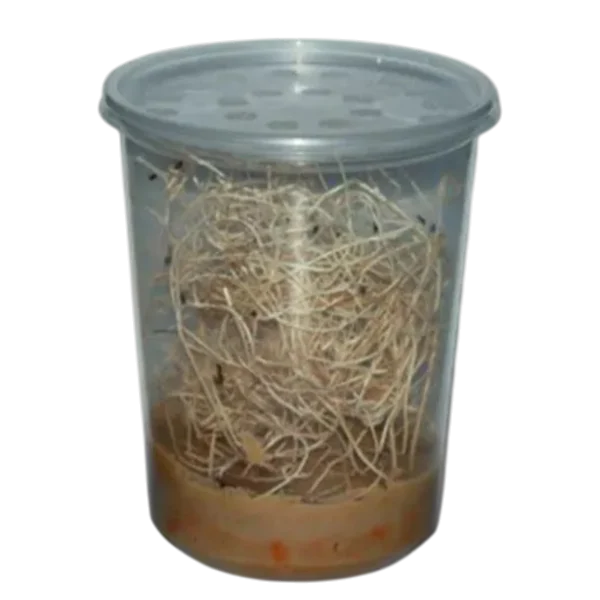
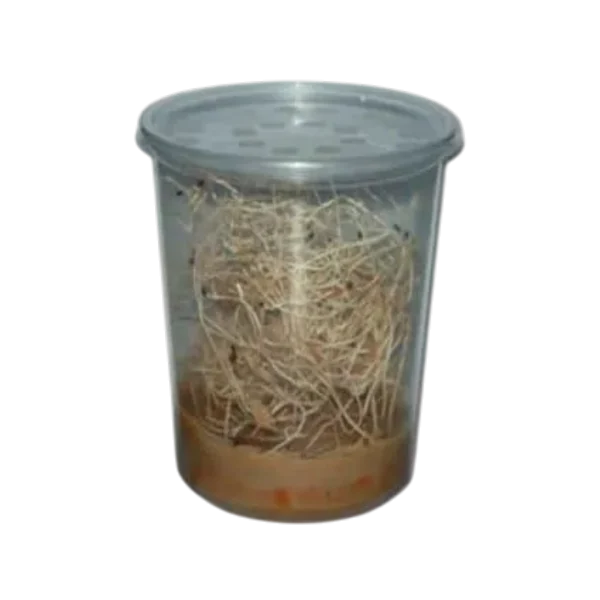
This is a single, already-producing culture of the Turkish Glider, a feeder strain of Drosophila melanogaster bred for a wing trait that lets the flies glide rather than truly fly. The adults run about 3mm, and the gliding can draw a stronger feeding response from dart frogs than crawling wingless flies. Because it is sold as a producing culture, it should already contain larvae and pupae and give flies soon. It arrives in a 32oz cup with Super Swarm Media.
Gliding Strain, Single Ready Culture
This listing pairs the gliding strain with the single, ready-to-feed format. So it suits keepers who want one culture they can feed from quickly. For bulk pricing, the Turkish Glider pack listing offers 5, 10, and 20 culture options.
Honest Note on Gliding and Production
These flies can glide, so they have slightly more escape potential than a fully wingless strain. However, dusted flies tend to drop rather than glide, so dusting before feeding helps keep them contained. Keep a lid handy when harvesting. Turkish Glider is also a hobby trade name, generally regarded as Drosophila melanogaster, though its exact origin is not well documented.
A producing culture is further along than a fresh one, so you can usually feed soon. However, output rises, peaks, then fades over a few weeks. So plan to rotate or replace cultures to keep flies on hand.
Using Your Culture
Care is the same as any Turkish Glider culture.
Feeding from It
Feed flies once you see them moving in the cup. If it arrives with mostly larvae and pupae, give it a few days to finish emerging.
Conditions
Keep the culture at normal room temperature and out of direct sun. Stable warmth keeps production steady.
Harvesting and Dusting
Tap flies into a separate cup, then dust them with calcium and a multivitamin before feeding. Because gliders move more, keep the lid close and tap them down between scoops.
Best For
- Keepers who want a single, ready-to-feed culture.
- Dart frog keepers who like a fly that moves enough to trigger a feeding response.
- Small or young reptiles and amphibians, mantis nymphs, and spiderlings.
- Keepers who want a prolific, reliable staple feeder.
Not Best For
- Keepers who want several cultures or bulk pricing, who should use the pack listing.
- Keepers who want a fully crawling, lowest-escape fly, who may prefer the wingless melanogaster.
- Keepers who will not dust feeders, because plain flies are low in calcium.
Recommended Add-Ons
- TC Calcium Ultra Fine to dust flies before feeding.
- Turkish Glider Packs for buying several cultures at a discount.
- Wingless Melanogaster for a fully crawling fly to compare or rotate.
- Super Swarm Dry Fruit Fly Media to culture your own flies at home.
- Springtails as a companion micro-feeder for dart frogs.
Frequently Asked Questions
What is this listing?
It is a single, already-producing culture of the gliding Turkish Glider strain of Drosophila melanogaster, sold at a flat price.
How is it different from the pack listing?
This is one culture, sold as producing and ready to feed soon. The pack listing offers the same fly in 5, 10, and 20 culture options with bulk discounts.
Do Turkish Gliders fly?
No, they glide short distances rather than truly flying. So they move more than wingless flies, but dusted flies tend to drop rather than glide.
Can I feed from it right away?
Usually yes, since it is sold as producing. Feed flies once you see them, and give it a few days if it arrives mostly as larvae and pupae.
Do I still need to dust the flies?
Yes. The gliding trait does not change the low calcium content, so dust before feeding.
How long will it keep producing?
Output rises, peaks, then fades over a few weeks. So rotate or replace cultures to keep flies on hand.
Learn More About Fruit Flies
These sources cover the biology and wing genetics of the fly behind your culture.
- EBSCO Research Starter: Drosophila melanogaster. An overview of fruit fly genetics, including the wing mutations that produce flightless and gliding strains.
- eLife: The Secret Lives of Drosophila Flies. A peer-reviewed look at the natural history of the fruit fly behind this feeder.
- ScienceDirect: Gut Loading (veterinary overview). A reference on why feeder insects need supplementation, which supports dusting flies before feeding.