

Cobweb Spider for Sale
The cobweb spider (Parasteatoda tepidariorum) is a small tangle-web spider that lives alongside people across most of the world. It is also one of the most studied spiders in science, since researchers use it as a model species for genetics and development. For keepers, that means a hardy, forgiving animal that builds an active web and feeds readily. However, this is a spider you observe, not a spider you handle, so set your expectations around watching rather than interaction.
Overview
This species belongs to the family Theridiidae, the cobweb or tangle-web spiders. Instead of a flat orb web, it spins an irregular three-dimensional tangle anchored to corners, twigs, or enclosure walls. The spider then hangs near the center and waits for walking or flying prey to hit the sticky lower lines.
Most individuals stay small, with a rounded abdomen and a mottled brown pattern that helps them blend into corners. Females grow larger than males. Because the species is common and inexpensive, it suits keepers who want a real, active web-builder without the cost of a display tarantula.
Why Keep a Cobweb Spider?
- Active web behavior. The spider rebuilds and repairs its tangle web often, so there is usually something to watch.
- Low cost of entry. As a result, it works well for first-time keepers who want to learn before investing in a larger species.
- Hardy and forgiving. Generally, it tolerates normal indoor room conditions better than many delicate exotics.
- Educational value. Because this species is a research model, it is a strong classroom and study animal for web mechanics, feeding, and egg-sac development.
- Simple feeding. It accepts common feeder insects, so you can feed it from the same cultures you may already keep.
Honest Note on What This Spider Is and Is Not
First, this is a web-dwelling spider, not a handling pet. It spends almost all of its time in its web, and removing it from that web stresses the animal. For that reason, keepers get the most value from observation.
Second, the cobweb spider shares its family with widow spiders. However, Parasteatoda tepidariorum is not considered medically significant to people, and University of Florida sources note it is not known to be dangerous to humans. Even so, treat any spider with respect and avoid careless contact, since rare individual reactions to bites can occur.
Care and Setup
This species is straightforward, but a few details keep it healthy and web-active. Use the points below as a practical framework rather than strict rules.
Enclosure
A small, secure enclosure with a ventilated lid works well. Most importantly, provide vertical anchor points such as corners, twigs, or cork so the spider can stretch a proper tangle web. A clear-sided container also makes viewing easier.
Temperature
Normal indoor room temperatures generally suit this spider. Therefore, avoid extremes near vents, radiators, or cold windows. Stable conditions matter more than any exact number.
Humidity and Water
Light, occasional misting on one side of the enclosure provides drinking droplets and gentle humidity. However, do not soak the web or the enclosure, since these spiders dislike constant wet surfaces. A lightly misted corner is usually enough.
Substrate
A thin layer of coco fiber or peat helps hold a little moisture and catches debris. The spider builds upward into the web rather than into the substrate, so depth is not important here.
Feeding
The cobweb spider eats a range of small insects. Specifically, live crickets and fruit flies are easy, reliable options. Offer prey roughly the size of the spider’s body every few days, and remove anything uneaten so the web stays clean.
Web and Maintenance
Let the spider keep its main web intact, since rebuilding costs it energy. Meanwhile, spot-clean prey remains and shed skins from the lower enclosure. Additionally, check the lid often, because small house spiders can slip through gaps.
Breeding Notes
Mated females produce pear-shaped, light-brown egg sacs that hang freely in the web, and a single female can make several over time. According to University of Florida observations in Florida, all life stages can appear year-round in warm conditions. If you want to rear spiderlings, separate the egg sac into its own ventilated container, since the young will disperse quickly after hatching.
Best For
- First-time spider keepers who want a hardy, low-cost starting species.
- Teachers and students studying web structure, prey capture, or egg-sac development.
- Hobbyists who enjoy watching active web-building rather than handling an animal.
- Keepers who already raise feeder insects and want a simple use for surplus prey.
Not Best For
- Anyone who wants a spider to hold, since this is strictly an observation species.
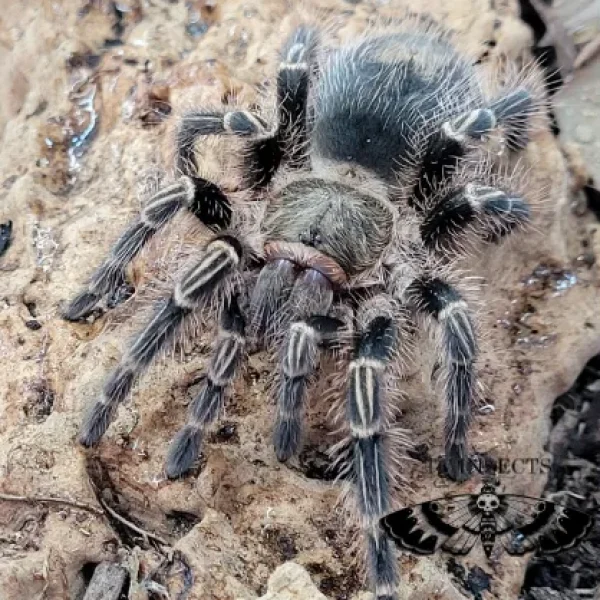
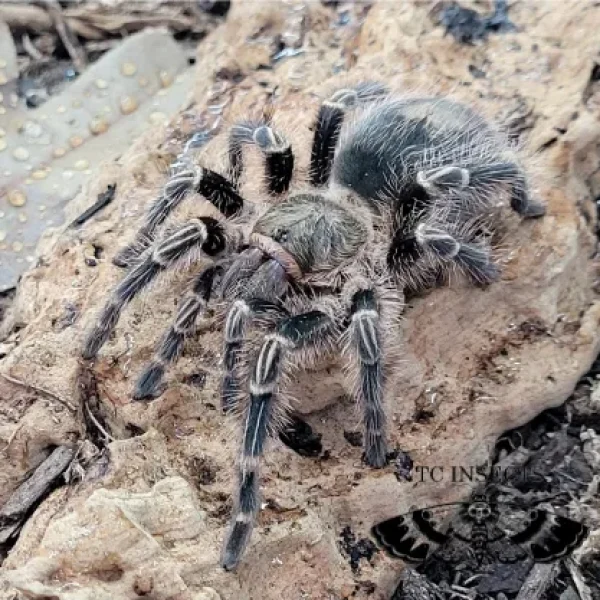
- Keepers expecting bright color or a large, showy body like a display tarantula. For that goal, the Brazilian Black Tarantula or Mexican Red Rump fit better.
- Setups with no vertical anchor points, because the spider needs structure to build a proper web.
- Households that cannot accept FedEx live shipping.
Origin and Locality Notes
The cobweb spider now lives nearly worldwide and is strongly associated with human structures such as homes, barns, basements, and sheds. University of Florida sources suggest the species is likely native to South America and was carried around the globe by human activity. Because of this long spread, this page focuses on practical captive care rather than claiming one precise wild locality.
Receiving and Acclimation
All spiders ship FedEx only. If you select USPS at checkout, we remove the spider from the order, since reliable speed protects live arrival. On arrival, open the package in a contained area, then transfer the spider gently into its prepared enclosure. Afterward, give it a quiet day or two to settle and start a web before you offer the first feeder.
Recommended Add-Ons
- Fruit Flies for small or juvenile spiders and easy routine feeding.
- Live Crickets as a reliable staple feeder for adults.
- Dubia Roaches in small sizes for keepers who prefer a quiet, low-odor feeder.
- Feeder Insect Mix Packs for variety across different prey sizes.
- Shipping Add-Ons such as a heat pack when you order in colder weather.
Frequently Asked Questions
Is the cobweb spider dangerous?
It is not considered medically significant to people. Although it belongs to the same family as widow spiders, Parasteatoda tepidariorum is not known to be dangerous to humans. Still, avoid careless handling, as any spider can bite if pressed.
Is this a good spider for beginners?
Yes, it is one of the more forgiving starter spiders. Because it is hardy and inexpensive, it lets new keepers learn feeding and enclosure basics with low risk. Keepers wanting a larger pet later often move on to a spider or tarantula from our other listings.
What does a cobweb spider eat?
It eats small live insects. In practice, fruit flies suit small spiders, while crickets work for adults. Offer prey near the spider’s body size every few days.
Can I handle a cobweb spider?
It is best not to. This is a web-bound species that becomes stressed away from its web, so observation is the right approach. Therefore, plan to enjoy it through the enclosure rather than by holding it.
Why does it ship FedEx only?
FedEx gives the speed and tracking that live arrival depends on. As a result, we ship all spiders this way, and we remove the spider from any order that selects USPS.
How is this different from a tarantula?
A cobweb spider is small and lives suspended in a tangle web, while tarantulas are larger and mostly ground- or burrow-based. Consequently, this species is about watching web behavior, whereas a Brazilian Black Tarantula offers more visible body presence.
Learn More About Cobweb Spiders
These sources offer reliable background for anyone keeping or studying this species.
- University of Florida IFAS: The Common House Spider, Parasteatoda tepidariorum. A detailed entomology profile covering identification, prey, egg sacs, and the species’ low risk to humans, which helps set realistic keeper expectations.
- Penn State Extension: Common House Spider. A short, practical overview of where this spider lives and how it builds webs, useful for understanding its natural behavior indoors.
- EvoDevo: The common house spider Parasteatoda tepidariorum. An accessible research overview explaining why scientists use this exact species as a model organism, which is part of what makes it interesting to keep.

Reviews
There are no reviews yet.